
Puglia Off the Postcard: Olive Groves, Coastal Farms and Trulli with a Twist
Move beyond trulli photos to a Puglia farm stay experience of olive tastings, quiet coves, and dinners with the makers across Alberobello, Ostuni, and Salento.
Trip Length
5–8 days
Best Time
May–June (late spring to early summer)
Mood
Culinary / Slow Travel
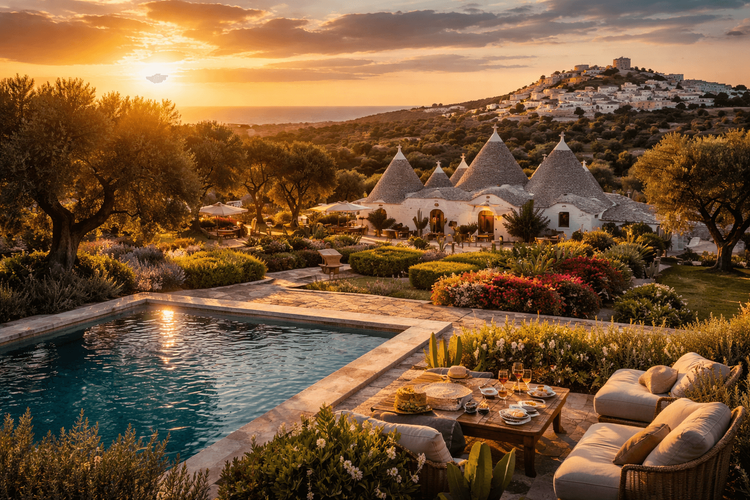
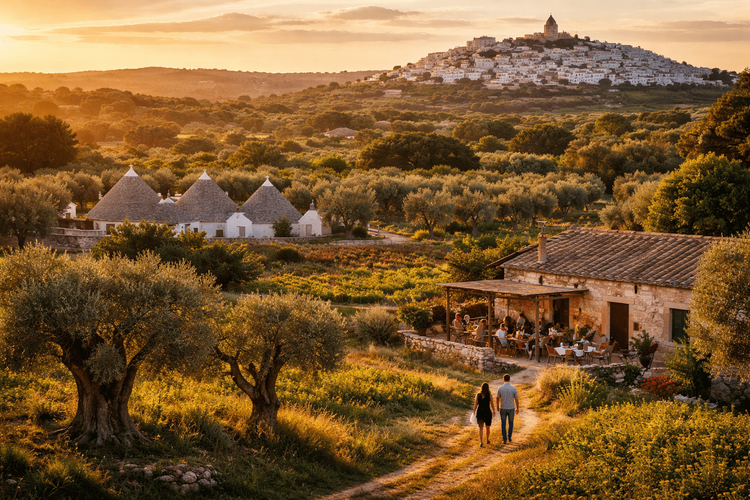
Golden hour sets the olive leaves flashing silver as your host tears bread straight from a wood-fired oven, sculpts a crater with their thumb, and floods it with peppery new oil. Crickets click in the low stone walls; the sea is a blue line beyond the trees. This is the Puglia farm stay experience that moves beyond a snapshot of trulli and into the rhythms of land and table—slow mornings in the groves, late swims in quiet coves, and long conversations with the people who grow, mill, catch, and pour what you’ll eat.
The Puglia farm stay experience: what it’s really like
Forget the museum version of rural life. On a masseria—the fortified farmhouse estates that dot the Itria Valley and Salento—fields are alive with work. In late spring and early summer, you’ll see pruning piles and the pale dust of limestone on your shoes. Hosts often walk you through the grove and the frantoio (oil mill), explaining how olives go from fruit to liquid green gold, then set out glasses to taste oils the way you would wines: swirling for aroma, sipping for texture, noting pepper and grass.
Breakfasts feel distinctly southern Italian: ricotta still warm from the morning’s curdling, tomatoes that actually smell like summer, taralli with a crackle, honey from hives visible at the field’s edge. Lunch might be a spread of orecchiette tossed with foraged greens, a bright salad of oranges and fennel, or grilled vegetables glossed with last year’s oil. In the evening, you may find yourself joining a cooking session—rolling dough under someone’s watchful nonna—or sitting at a long outdoor table for a dinner with producers, the air fragrant with wild herbs and woodsmoke.
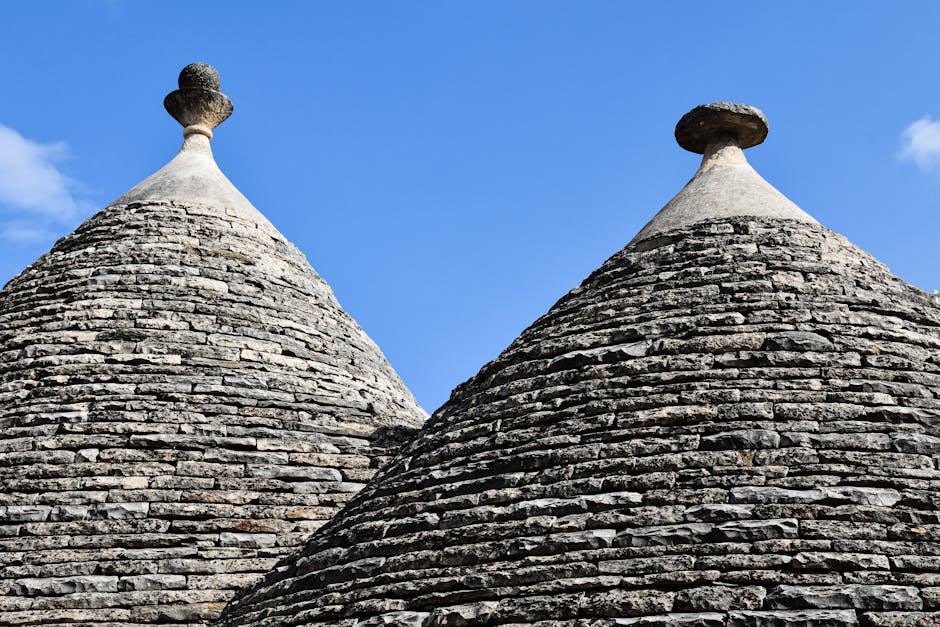
Trulli still have their moment: sleeping in one is both simple and quietly theatrical, those conical roofs amplifying morning light. But the angle here is different—the trullo is a base, not the destination. The days orbit the farm and the coast, where low limestone cliffs hide pocket coves and the Adriatic and Ionian trade shades of blue.
A slow loop for 5–8 days: Alberobello, Ostuni, Salento
You don’t need to rush; Puglia rewards a measured pace. Think of your days as a loop stitched by olive trees and salt air.
Days 1–2: Itria Valley and Alberobello Base yourself amid the dry-stone walls and vineyards of the Itria Valley. Wander Alberobello early or late, when souvenir stands quiet and the lanes feel like a fairy-tale geometry of stone. Step into a trullo interior to appreciate how these structures breathe in heat and hold warmth in shoulder seasons. Between walks, retreat to your masseria: bike the farm tracks, join an olive oil tasting, or help pick herbs from the kitchen garden. In nearby white hill towns, find compact historic centers where laundry hangs from iron balconies and evenings are for strolling with a cone of gelato before a farm-cooked dinner.
Days 3–4: Ostuni and the monumental olives Point the car toward Ostuni, the “white city” glowing at the crown of a hill. Below it, a broad plain of ancient trees—a patchwork of gnarled trunks and red soil—tells the story of centuries of cultivation. Many groves here are protected for their monumental trees; guides and hosts can share how farmers care for them today. Spend a morning walking through rows that look like sculpture parks, then cool off at one of the low-key Adriatic beaches a short drive away. Evening belongs to the terrace: plates of grilled fish from that morning’s catch, a green salad so crisp it snaps, and a glass of local wine that cuts the heat just right.
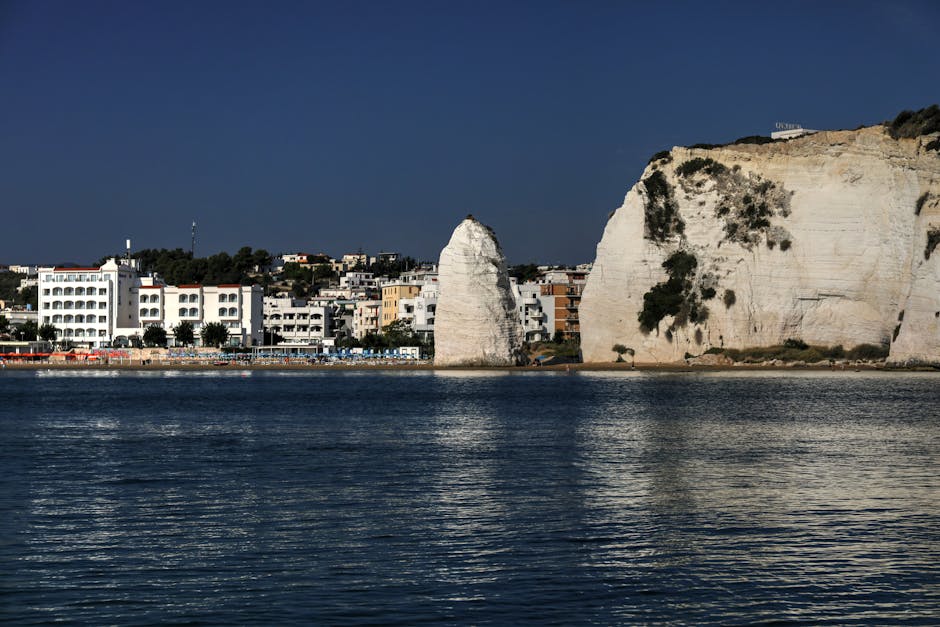
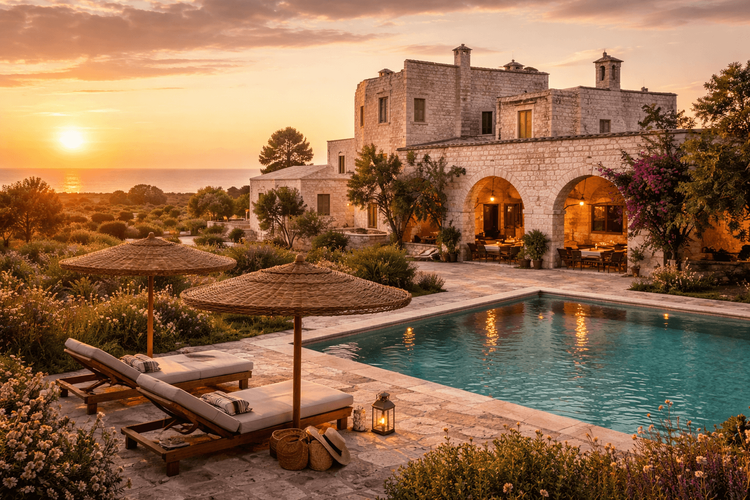
Days 5–7 (or 8): Salento’s coasts and coves Make for Salento, the peninsula that narrows to Italy’s heel. Choose a working coastal farm or country masseria as your base, then plan your days around swims and seafood. On the Adriatic side near Otranto, limestone cliffs and sea stacks form dramatic backdrops to natural pools; on the Ionian side, the water warms earlier and beaches run broad and pale. Ask locals where they go for a late-day dip: you’ll find coves tucked below maquis and fishermen easing boats onto shore by hand.
This is where dinners with producers become scenes you’ll replay all year. Imagine long tables set under fig trees or among olive presses. A cheesemaker pulls curd into soft knots; a farmer arrives with a crate of still-warm tomatoes; someone opens a bottle of robust red from a nearby vineyard. The menu might be nothing more complicated than bread, oil, grilled vegetables, and a fish salted and cooked over embers—but in that setting, with stories passing across the table, everything tastes amplified.
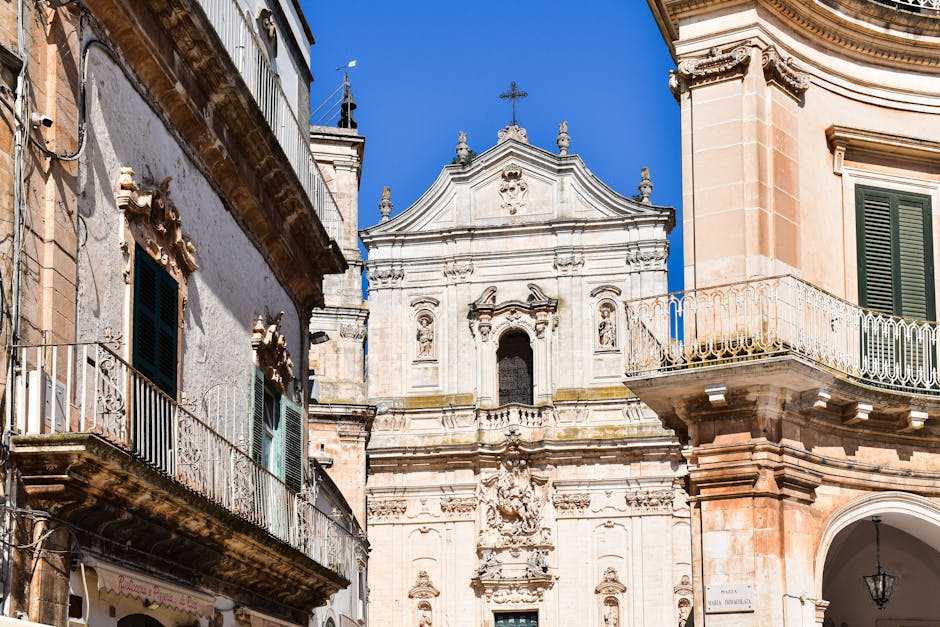
If you’re adding an eighth day, carve out time for Lecce’s honey-colored baroque facades and shady piazzas, then head back to the countryside for a final swim and a last plate of orecchiette before the road home.
How to get there (and around)
- Fly into Bari (north) or Brindisi (south); both airports sit within an hour or two of the Itria Valley, Ostuni, and Salento by road.
- Trains connect major towns along the coast and to Lecce; smaller stations serve some inland villages. For farms tucked down country lanes, a rental car makes life easier.
- Driving is straightforward, though rural roads can be narrow and edged by dry-stone walls. Expect roundabouts, tractors, and cyclists. Park outside historic centers to avoid limited-traffic zones.
- If you prefer not to drive, look for farm stays that offer transfers and can organize outings with local drivers.
What to expect on arrival
- Check-in at agriturismi and masserie often falls in the mid-afternoon. Hosts appreciate a quick message with your arrival time.
- English is understood in many hospitality settings, but in the countryside you’ll hear more Italian and local dialect. Gestures, smiles, and translation apps go a long way.
- Expect a working landscape: the occasional rooster chorus, distant farm machinery, and dogs that take guarding seriously but relax once they know you.
- Meals are often by reservation and centered on seasonal produce. If there’s a farm shop, bring a bit of cash for olive oil, preserves, or ceramics to pack in your suitcase.
Markets, makers, and coastal rituals
Between swims and siestas, slip into morning markets where fishermen sell the day’s catch beside crates of zucchini blossoms and stone fruit. Ask your host about timing; markets rotate by day across towns. Tasting rooms for olive oil welcome curious palates—expect to sip from small cups, note bitterness and spice, then pair oils with bread, vegetables, or even gelato to explore contrasts.
On the coast, locals time their dips. Early risers claim smooth rock shelves before breakfast; late afternoon belongs to families who arrive with umbrellas and still-warm focaccia. Bring a light towel, water, and an appetite—your host will likely have ideas for a seaside picnic or a post-swim, farm-to-table dinner.
Crafting your own Puglia farm stay experience
Think in themes rather than a rigid checklist. Build your days around three anchors: a grove (walks, tastings, conversations with growers), a shoreline (one swim that resets the clock), and a table (a meal with the people who made it). Swap in a ceramics studio visit or a vineyard tour if it calls to you; the point is to let the region’s pace lead.
If you’re traveling as a family or group, ask about hands-on activities that feel authentic without being contrived: tending a kitchen garden, learning to shape pasta, or joining in an early-morning harvest when the season is right. Many hosts can arrange small producer dinners on property or at neighboring farms—memorable, convivial, and directly supportive of local agriculture.
Responsible choices in olive country
Water is precious in southern Italy. Short showers, reusing towels, and choosing refills over single-use bottles matter. In the groves, follow your host’s guidance: farms safeguard trees against disease, and you may be asked to use boot mats or stick to paths. Park only in designated areas near beaches; dunes and coastal vegetation are fragile. Buy directly from producers when you can—your jar of oil or bag of taralli carries a story and keeps the landscape productive.
When to go
Late spring to early summer (May–June) is the sweet spot for a Puglia farm stay experience. Wildflowers stripe the verges, days run long, and the sea shifts from brisk to inviting by June. By traveling just ahead of the highest summer crowds, you’ll find more room on the roads, in markets, and at those long outdoor tables.
The postcard is a starting point. The real souvenir is the taste of oil on warm bread, the sea-salt shake from your hair after a cove swim, and the memory of a night when the farm table disappeared into laughter and the stars. Start sketching your loop—groves, coast, table—and let Puglia do the rest.
Where to Stay

Charming Trulli
Charming Trulli is a 3-star property in Puglia offering traditional stone trulli accommodation close to Alberobello, Ostuni and the Salento coast; it holds a 9.6/10 guest rating and provides easy access to UNESCO sites, regional towns and beaches.

Trulli Soave
Trulli Soave is a 3.5-star trulli-style property in Puglia, rated 8.6/10, offering traditional stone rooms and a convenient base for exploring Alberobello, Ostuni and the towns and coastline of the Salento region.

Terrazza Sui Trulli
Terrazza Sui Trulli is a 3-star hotel in Puglia, rated 9.5/10 by guests, featuring a terrace with views of the trulli and acting as a convenient base to explore Alberobello, Ostuni and the beaches and towns of the Salento peninsula.

Trulli Resort Dimore Storiche
Trulli Resort Dimore Storiche is a 3.5-star, trulli-style property in Puglia near Alberobello, Ostuni and the Salento coast, offering historic stone accommodations and a tranquil base for exploring the region, rated 9.4/10 by guests.

Dimora Nonna Angela
Dimora Nonna Angela is a 4-star Puglia hotel with a 10/10 guest rating, serving as a convenient base to explore Alberobello, Ostuni and the Salento, and offering comfortable rooms and local hospitality.
Gallery