
Backpacking Bolivia: Essential Tips for Safe, Affordable, and Authentic Travel
Your smart, field-tested guide to backpacking Bolivia—visas, seasons, routes, safety, and money tips that keep the journey authentic and affordable.
Mood
Backpacker Playbook
Meta title: Travel Tips for Backpacking Bolivia | Backpacker Playbook
Meta description: Practical travel tips for backpacking Bolivia: visas, seasons, routes, buses, altitude, safety, gear, and budget—field-tested advice for indie travelers.
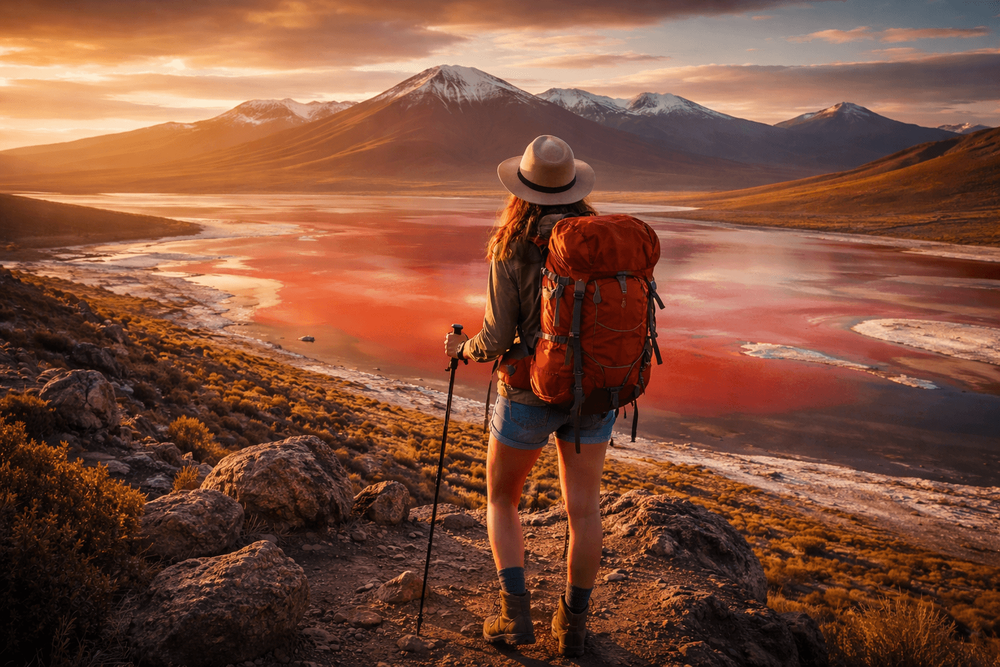
At dawn on the altiplano, the horizon glows pink as frost crackles underfoot and a llama’s bell sounds across the salt-white vastness. This is where the country rewards the prepared: with mirror-wet salt flats, threadlike mountain roads, and market plazas fragrant with roasted corn and eucalyptus. The following travel tips for backpacking Bolivia gather what matters—how to time a route, outsmart altitude, and stretch Bolivianos without sacrificing safety or the spontaneity that makes the journey.
Essential Travel Tips for Backpacking Bolivia: Visas, Seasons, and Getting Around

Lonely Planet Bolivia (Travel Guide): Albiston, Isabel, Grosberg, Michael, Johanson, Mark
Lonely Planet's Boliviais <strong>your passport to the most relevant, up-to-date advice on what to see and skip, and what hidden discoveries await you</strong>. Explore the world's largest s
Check Price on AmazonVisas and entry rules
- Passport validity: Many travelers aim for at least six months’ validity from the entry date and a few blank pages; confirm current requirements with a Bolivian consulate.
- Tourist visas: Requirements vary by nationality and change periodically. Some passport holders enter visa-free, while others may need a visa in advance or on arrival. Verify with an official consulate or embassy site before departure.
- Onward travel and proof of funds: Border officials may ask for onward/return tickets and sufficient funds; digital copies help, paper printouts help more.
- Entry/exit formalities: You may complete a brief form on arrival; keep any entry slip safe for departure. Any departure taxes are often included in air tickets—confirm with your airline.
When to go: Seasons and regional weather
Bolivia’s dramatic altitudes drive its seasons. For backpackers, the best overall window is the dry season from May to October, when highland skies are crisp, trails are passable, and long-distance buses are less prone to washouts. Expect cold nights on the altiplano year-round.
- Highlands (La Paz, Uyuni, Potosí, Sucre): Generally dry and sunny May–October; nights can drop below freezing at altitude. November–March brings rain—Uyuni often floods in January–February, creating the famed mirror effect but complicating routes.
- Amazon and lowlands (Rurrenabaque, Santa Cruz): Hot and humid year-round. December–May is wetter, with lush jungle, muddy trails, and more mosquitoes; June–September is typically drier and better for wildlife viewing.
- Lake Titicaca: Cooler, sunny days in the dry season with biting evening winds; pack a warm layer even in “summer.”
How long to spend and classic backpacker loops
- Two weeks: A tight but satisfying circuit—La Paz (and a day in the Yungas), Uyuni salt flats (3-day tour), Sucre and Potosí, then back to La Paz or onward to Peru/Chile.
- Three to four weeks: Add the Cordillera Real for trekking, Lake Titicaca’s islands, or a jungle add-on from Rurrenabaque. With a month, consider an overland exit to Argentina via Villazón/La Quiaca or to Chile via San Pedro de Atacama.
Getting around: Buses, flights, and borders
- Long-distance buses: Bolivia runs on buses. Opt for “cama” or “semi-cama” seats on night routes; bring a warm layer and earplugs. On the La Paz–Uyuni overnight and other key corridors, choose a reputable company and ask recent arrivals which operator is running most reliably that week. Typical ranges (always subject to road, weather, and traffic): Sucre to Potosí roughly 3–4 hours; Potosí to Uyuni about 4–6; La Paz to Copacabana around 3.5–4.5; La Paz to Uyuni roughly 9–12 overnight.
- Domestic flights: Time-savers on mountain-to-jungle hops. Primary carriers include BoA (Boliviana de Aviación) and EcoJet. Routes and frequencies shift with weather and demand—check current schedules and consider flexible tickets. Service to Uyuni and Rurrenabaque can be especially weather-dependent.
- Minivans and shared taxis: “Trufis” and colectivos connect smaller towns—cheap and frequent, they depart when full.
- Overland borders: Kasani (Copacabana–Puno) is a commonly used crossing to Peru; Desaguadero is busier. The 3-day Uyuni tour can drop you at Hito Cajón for San Pedro de Atacama, Chile. Argentina is frequently reached via Villazón–La Quiaca. To Brazil, travelers often cross near Puerto Quijarro (for Corumbá) or Cobija.
For road-trip inspiration across salt flats and Andean passes, see Epic Road Trips in Bolivia: Salt Flats, Andean Passes & Amazon Detours (/experiences/epic-road-trips-in-bolivia).
Altitude, Health, and Safety on the Road
Acclimatization: Outsmarting the thin air
The Andean sky is ruthless and beautiful. La Paz sits around 3,650 meters; Potosí climbs past 4,000. To reduce the risk of altitude sickness:
- Climb gradually: If possible, start in lower cities like Santa Cruz or Sucre (around 2,800 m) before ascending to La Paz, Uyuni, or Potosí.
- First 48 hours: Walk slowly, eat light, hydrate constantly, and skip alcohol.
- Medication: Many travelers use acetazolamide (Diamox) after consulting a clinician; local “sorojchi” pills are widely sold. Coca tea can soothe symptoms but won’t cure altitude illness.
- Know when to descend: Severe headache, nausea, confusion, or breathing difficulty mean it’s time to go lower and seek medical care.
Planning high routes? Adventure Hiking in Bolivia: Peaks, Altitude Prep & Practical Essentials (/experiences/adventure-hiking-in-bolivia-peaks-altitude-prep-practical-essentials) goes deeper on mountain readiness.
Vaccinations and jungle health
- Yellow fever: Recommended—and in some cases required—for Amazon regions. Some jungle lodges ask for the certificate; check current guidance for your itinerary.
- Hepatitis A and typhoid: Common recommendations for food-borne illness prevention.
- Malaria and dengue: Risk exists in lowland and Amazon areas; use repellents with DEET or picaridin, wear long sleeves at dusk, and discuss prophylaxis for specific zones.
- Sun and cold: At 3,500 meters, UV rays are fierce. Pack SPF 50+ and lip balm. Nights on the salt flats can freeze even in “summer.”
Water and food safety
Tap water isn’t considered potable. Use a filter bottle or purifier, or boil. Street food is part of the story—choose vendors with high turnover and fresh-cooked items. The economical “almuerzo” set lunch (soup, main, juice) in local eateries offers hearty value.

GRAYL GeoPress 24 oz Water Purifier Bottle - Filter for Hiking, Camping, Survival, Travel (Bali Blue)
Versatile, fast, and ridiculously easy to use — the 24oz GeoPress Water Filter & Purifier Bottle <strong>requires zero setup, no sucking or squeezing, and makes 24 fl oz (710 ml) of clean purified
Check Price on AmazonPersonal security, scams, and protests
Bolivia is welcoming yet streetwise. In cities, watch for pickpockets at bus terminals and crowded markets; keep daypacks in front on buses and avoid flaunting electronics. Use reputable radio taxis or app-based services rather than hailing cars on the street, especially at night. If anyone presents themselves as police plainclothes, ask to proceed to the nearest station or tourist police office before handing over documents. Protests and road blockades (bloqueos) do occur; carry extra water and snacks, pad the itinerary, and monitor local news or hostel boards.
Gear and Packing for Bolivia’s Wild Range
Clothing and footwear: Layer like a local
- Base layers: Breathable merino or synthetics that wick sweat in the high, dry air.
- Mid-layer: Fleece or light down—nights on the Salar and in the Cordillera Real demand real warmth.
- Shell: Windproof, waterproof jacket for Andean gusts and Amazon downpours.
- Shoes: Broken-in hiking shoes for treks and salt-crusted flats; sandals for jungle lodges and hostel showers. Pack wool socks; they dry fast and stay warm.
- Accessories: Sun hat, beanie, gloves, and a Buff for dust on desert drives.
Electronics, power, and connectivity
Bolivia uses 220–230V with Type A and C plugs; bring a universal adapter and surge protection. Power cuts happen—pack a power bank. SIM cards are inexpensive; Entel is widely used in the highlands and Tigo often performs well in the lowlands, but coverage varies by valley and village. Register with your passport and buy data top-ups in corner shops.

EPICKA Universal Travel Adapter, European Travel Plug Adapter (Not a Voltage Converter) - International Power Adapter Worldwide Charger with USB-C & 4 USB-A Ports, Travel Essentials (TA-105, Grey)
View on AmazonContingency kit: The small items that matter
- First-aid: Blister care, rehydration salts, basic pain relief, altitude medication if prescribed, antiseptic.
- Purification: Filter bottle plus backup purification tablets.
- Documents: Cloud copies and printed backups of passport, insurance, and visa.
- Money: A small emergency stash of USD and Bolivianos in a hidden pocket.
- Extras: Headlamp, spare charging cable, microfleece travel sheet, and zip bags for salt and dust.
For a deeper dive on lightweight choices, see The Ultimate Backpacking Packing List: Lightweight Essentials & Smart Tips (/experiences/ultimate-backpacking-packing-list-lightweight-essentials-smart-tips).
Routes, Transport Reality, and Where to Sleep
Uyuni Salt Flats and the Southwest Circuit
The Salar de Uyuni is otherworldly: polygonal salt tiles underfoot, a horizon that never seems to arrive. Most backpackers choose a 3-day 4x4 tour that loops past Isla Incahuasi’s cactus forests, flamingo-streaked lagoons, geyser fields, and stone deserts. Budget operators share vehicles; mid-tier outfits may offer oxygen, radio contact, and stronger safety practices. Ask about seatbelts, group size, and driver rest.
- Starting points: Tours commonly leave from Uyuni. Some continue to Chile at Hito Cajón for San Pedro de Atacama—an efficient gateway if you’re heading west.
- Timing: In January–February, water can sheet across the salar, producing the coveted mirror but limiting island access and altering routes.
Where to thaw afterward: After the tour, prioritize stays with reliable heating, hot showers, and extra blankets; Uyuni has a mix of simple guesthouses and mid-range hotels near the center.
La Paz, Death Road, and the Yungas
La Paz sits cradled by mountains, its cable cars threading neighborhoods like bright beads. Many travelers book a downhill mountain bike day on the old Yungas “Death Road,” which today is heavily used by cyclists and sees limited local traffic—expect occasional vehicles. Choose an operator that provides full-face helmets, dual-suspension bikes, radios, and a clear safety briefing.
From the finish near Yolosa, linger in Coroico among citrus groves and cloud-forest trails. Minibuses (“colectivos”) link La Paz and Coroico in roughly 3–4 hours, depending on conditions. In the city’s Sopocachi district, several co-working-friendly hostels and hotels make an easy soft landing at altitude.
Cordillera Real and trekking bases
Rugged ridgelines, turquoise tarns, and condor-drift skies define the Cordillera Real. Popular options include the Condoriri alpine lakes, the Illimani base area, and the El Choro trek that tumbles from Andean puna to lush Yungas along a stone Inca trail.
- Logistics: Go with a reputable guide or muleteer; high camps demand respect for weather and acclimatization. Refugios are sparse; most trekkers camp.
- Windows: Best from May to September for stabler weather; nights are properly cold.
Sucre, Potosí, and the cultural Andes
The white city of Sucre, with cloistered courtyards and church bells at dusk, is a gentle acclimatization base and ideal for a week of Spanish classes. Potosí, a few hours away, looms in silver-mining history at over 4,000 meters—plan slow days here.
In Sucre’s historic core, you’ll find a range of hostels and small hotels around the central plazas—look for 24-hour reception (handy after night buses), lockers, and dependable hot water.
Santa Cruz and Samaipata
Warm, tropical Santa Cruz contrasts with the thin Andean air. Nearby Samaipata—a breezy hill town—offers access to Amboró National Park’s fern forests and a pre-Inca ceremonial site carved into bare rock. Shared taxis from Santa Cruz take roughly 3–4 hours; roads can be muddy in the rains.
Accommodation types and booking tips
- Hostels: Bolivia’s hostel scene is wide-ranging, from quiet courtyards to party-forward. Check for lockers, 24-hour reception, and real hot water.
- Refugios and salt lodges: On southwest circuits and high treks, expect simple dorms, shared bathrooms, and extra blankets. Power may be limited; charge early.
- Homestays: Around Lake Titicaca and in Quechua or Aymara communities, homestays offer meaningful exchange—arrive with small gifts (fruit, school supplies) and dress modestly.
- Booking: In shoulder and high seasons, reserve the next stop before boarding a night bus. Otherwise, walk-in rates can be lower, especially in cities.
Money, Budgeting, and Cultural Intelligence
Cash, cards, and ATMs
- Currency: The Boliviano (Bs). Carry small bills for markets and colectivos.
- ATMs: Common in cities; occasional outages or low withdrawal limits happen. Have a backup card and a reserve of USD in crisp notes for exchanges or emergencies.
- Cards: Increasingly accepted at mid-range hotels and restaurants in big cities, but cash remains king for tours, buses, and rural areas. Expect a 3–5% surcharge on cards in many places.
Costs, saving tactics, and tipping norms
- Daily budget: Backpackers traveling simply often land around US$25–45 per day outside major tours; multi-day Salar trips add a higher but worthwhile line item. Treat this as rough guidance.
- Smart savings:
- Take night buses to save on accommodation—spring for “cama” seats.
- Eat where office workers do; the “menu del día” is unbeatable.
- Join group tours rather than private excursions for Uyuni and jungle outings.
- Filter water instead of buying bottles; it’s cheaper and lighter on the planet.
- Tipping: Not strictly expected in basic eateries, though rounding up is kind. In nicer restaurants, 10% is customary; some bills include “servicio.” Tip trekking guides and drivers if service was good.
For broader strategies beyond Bolivia, see Budget Travel: A Backpacker’s Guide to Smart, Stylish Savings (/experiences/budget-travel-backpackers-guide-smart-stylish-savings).
Language, customs, and market etiquette
Spanish opens doors; Quechua and Aymara phrases are appreciated in the highlands. Greet with a buenos días/tardes, and ask before photographing people—especially in markets and traditional communities. Coca leaf is cultural, not recreational; accept it respectfully if offered. Bargaining is part of market life: start with a smile and a counteroffer of 20–30% less than the first price, meeting in the middle. Keep exchanges friendly and brief.
Putting it all together: A realistic rhythm
A thoughtful Bolivia itinerary has syncopation—high, then low; fast, then slow. Fly into Santa Cruz and idle in Samaipata’s green hills; rise to Sucre for language lessons and slow lunches; push higher to Potosí and Uyuni, crossing salt and desert; angle to La Paz for cable cars, markets, and a brush with the Yungas. If time allows, finish with jungle dawns on the Beni River.
Two final touches polish the journey. First: pad the schedule. Weather and road blockades rewrite plans; your best defense is a day or two of slack and a willingness to reroute. Second: choose bases that restore you. In La Paz, Uyuni, and Sucre, pick places with 24-hour reception where possible, dependable hot water, and a quiet corner to sleep off a night bus—small comforts that reset the day.
And when it’s time to shoulder the pack again, remember why these travel tips for backpacking Bolivia matter: not to over-script the trip, but to give it space. Space to stand at the salar’s edge when the sky pours into the earth; to feel thin air wake the lungs; to taste a market peach so sweet it stops time. Solid prep is what frees the road.
Recommended Travel Gear
Lonely Planet Bolivia (Travel Guide): Albiston, Isabel, Grosberg, Michael, Johanson, Mark
Lonely Planet's Boliviais <strong>your passport to the most relevant, up-to-date advice on what to see and skip, and what hidden discoveries await you</strong>. Explore the world's largest s
EPICKA Universal Travel Adapter, European Travel Plug Adapter (Not a Voltage Converter) - International Power Adapter Worldwide Charger with USB-C & 4 USB-A Ports, Travel Essentials (TA-105, Grey)
Amazon.com : EPICKA Universal Travel Adapter, European Travel Plug Adapter (Not a Voltage Converter) - <strong>International Power Adapter Worldwide Charger with USB-C & 4 USB-A Ports, Travel Esse
GRAYL GeoPress 24 oz Water Purifier Bottle - Filter for Hiking, Camping, Survival, Travel (Bali Blue)
Versatile, fast, and ridiculously easy to use — the 24oz GeoPress Water Filter & Purifier Bottle <strong>requires zero setup, no sucking or squeezing, and makes 24 fl oz (710 ml) of clean purified