
Backpacking Belarus: Routes, Logistics and Local Essentials
Forest cathedrals, lake‑dotted circuits, towpaths, and timber towns—your guide to budget‑friendly backpacking routes in Belarus, plus logistics, safety, and tools.
Mood
Budget Adventure
SEO Meta Title: Backpacking Routes in Belarus: Budget Adventures across Forests, Lakes, and Canals SEO Meta Description: Plan budget-friendly backpacking routes in Belarus with national parks, lake circuits, canals, and easy rail links. Practical tips on visas, transport, camping, and safety, plus seasonal advice and a 10-day sample itinerary.
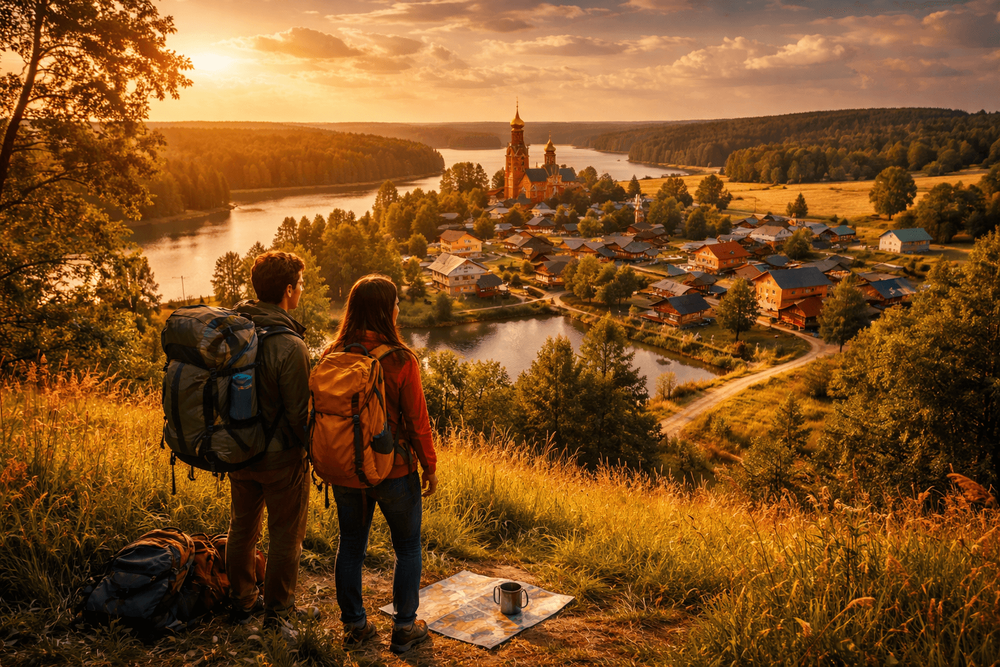
At dawn in Belovezhskaya Pushcha, where mist threads the ancient oaks and a bison’s breath ghosts the chill air, backpacking routes in Belarus reveal a surprisingly wild, water-laced frontier. Long, low horizons. Birch light and peat-dark rivers. Timber villages where the stove still anchors the room and garden smoke scents the evening. For budget travelers, the country folds together generous public lands, inexpensive transport, and old-world hospitality into routes that are as gentle or as off‑grid as you wish.
Core Backpacking Routes in Belarus: Where to Walk, Paddle, and Wander
Backpacking routes in Belarus cluster around the great green blocks of national parks and the northern lake districts, with city-to-city rails stitching the culture between them. The best seasons for most itineraries are late spring (May–June) and early autumn (September–early October), when mosquitoes subside and forests flame gold. Winter brings austere beauty—plus deep cold and short days for the prepared.
Belovezhskaya Pushcha Traverse (3–5 days)
The last remnant of Europe’s primeval lowland forest straddles the Belarus–Poland border, its canopy thick with hornbeam and pedunculate oak, some surpassing five centuries. Paths curl past mossy hollows and windfall tangles; roebuck tracks stipple sandy soil; and with luck, travelers may glimpse European bison in dawn meadows. Base in Kamenyuki or the park HQ, then link signed footpaths and quiet forest roads into a multi-day loop. Boardwalks skim wetland pockets; in drier stretches, a sandy crunch underfoot sets the rhythm.
- Highlights: Ancient oak groves, bison habitat lookouts, wooden chapels, star-bright campsites at forest edges
- Difficulty: Easy to moderate; flat but with sections of soft sand and boggy ground after rain
- Best time: May–June for orchids and birdlife, September for mushrooms and blazing birch
Braslav Lakes Circuit (3–6 days; add packrafting if you can)
North of Vitebsk, a constellation of glacial lakes glints between hillocks and pine. Braslav Lakes National Park suits walkers who like to punctuate days with swims and blue-hour campfires. Ridge trails slip through juniper and lingonberry; several lookout hills scan island-dotted water. Many hikers bring a small packraft to hop lakes and portage between them, turning footpaths into amphibious travel when conditions allow.
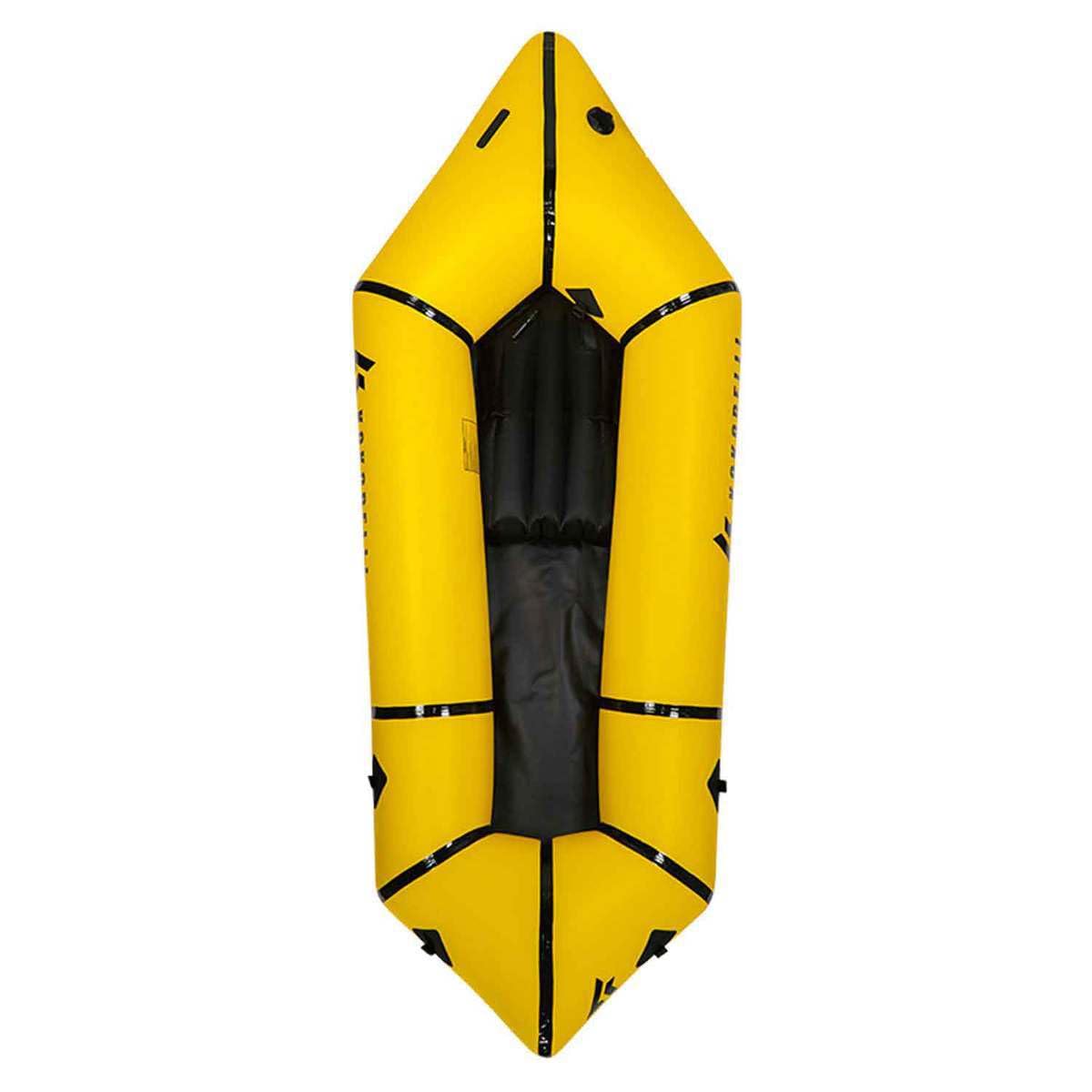
Kokopelli Packraft Rogue-lite W/Tizip - Yellow
As the foremost minimalist packraft, the Rogue-Lite <strong>weighs only 5.2lbs (2.3kgs) and packs down to the size of a paper towel roll</strong>. Rated up to Class I rivers with our first-in-class 21
Check Price on Amazon- Highlights: Island panoramas, sandy coves, waterbird colonies, village bakeries in Braslav town
- Difficulty: Easy to moderate; straightforward navigation, potential wind exposure on open lakes
- Best time: Late May–June and September; high summer brings crowds and midges
Narachansky National Park and the Blue Lakes Ridge (2–4 days)
Lake Narach—Belarus’s largest—sprawls like a sheet of blown glass, its shores bristling with pine. From the spa-village of Narach or Miadel, follow sandy paths along the water before veering into the morainic hummocks of the “Blue Lakes” micro‑region: spring‑fed bowls of striking clarity under spruce shade. Trails are generally signed within park bounds; away from the lake, expect quiet forest tracks and the resin scent of sun‑warmed needles.
- Highlights: Cold‑clear swimming holes, cranberry bogs, wooden churches, evening loons
- Difficulty: Easy; modest undulations and excellent bailout options to nearby villages
- Best time: June for long days; September for still water and fewer insects
Polesia Floodplains and Pripyatsky National Park (2–3 days; boardwalk bog‑walks)
South in Polesia, the Pripyat River lays down floodplain meadows, willow galleries, and raised bogs crossed in places by boardwalks. Spring migration brings skeins of cranes, terns skittering riverlight, and wide shadow-wings of raptors. Short backpacking loops near Turov and Lyaskovichi pair birch‑scented camps with riverbank evenings. Off‑trail travel in bogs is for experts; stick to waymarked circuits and seasonal ford points.
- Highlights: Birdwatching, peat‑moss carpets, boatmen villages, wide‑sky sunsets
- Difficulty: Easy to moderate; flat but with wet feet very likely outside boardwalks
- Best time: April–June for birds and flowers; autumn for clear light and fewer insects
Augustow Canal and the Grodno Greenway (2–3 days on foot; excellent bikepacking)
A 19th‑century engineering project linking the Vistula and Neman basins, the Augustow Canal threads locks, towpaths, and mixed woodland north of Grodno. Walk the towpath from villages near the canal toward the restored lock complexes, or convert this into an easy bikepacking mini‑tour, returning by local bus. Back in Grodno, cobbles, Orthodox domes, and Catholic spires share the skyline—a living palimpsest of the Grand Duchy of Lithuania and the Polish‑Lithuanian Commonwealth.
- Highlights: Historic locks, shady towpaths, Neman river bluffs, Grodno’s old town
- Difficulty: Easy; well‑graded paths and frequent access to roads and buses
- Best time: May–September
City-to-City Cultural Spines (5–10 days, modular by rail)
Think of these as hop‑on, hop‑off corridors for travelers who prefer day‑hikes and village rambles with historic towns at day’s end. Belarus’s low‑cost rail and bus network makes it practical to stitch together back‑to‑back micro‑treks.
- Western Arc: Brest (fortress and riverfront walks) → Kamenyuki/Belovezhskaya Pushcha trails → Mir and Nesvizh (UNESCO‑listed castles reached by regional bus from nearby hubs) → Minsk for urban parks and day‑hikes in Loshitsa and Zaslavl’ → Grodno for canal walks and cathedral sunsets.
- Northern Lakes Spine: Vitebsk (Chagall associations and hilltop churches) → Polotsk (historic monasteries and river walks) → Braslav Lakes for multi-day circuits and swims.
Curate your city days with the essentials from Top Attractions in Belarus — Must‑See Sights & Unique Experiences (/experiences/top-attractions-in-belarus-must-see-sights-unique-experiences).
Off‑Grid Forest Corridors (experienced navigators only)
Beyond the parks, state forests between Lepel, Ushachi, and Osveya Lake offer true solitude on logging tracks and utility corridors. These routes demand strong navigation, respect for forestry operations, and heightened caution near border security zones. Keep well clear of marked frontier strips; photography of military sites is prohibited.
- Highlights: Quiet pine barrens, kettle lakes, moose sign, long stretches of silence
- Difficulty: Moderate to demanding depending on distance, water sources, and bushwhacking
- Best time: Late spring and early autumn; winter only for seasoned cold‑weather hikers
Logistics and On‑the‑Ground Practicalities

Belarus: Roberts, Nigel
This new, thoroughly updated edition of Bradt’s Belarus remains <strong>the only full-blown standalone guide to the most westerly of the constituent republics that formed the Soviet Union prior to the
Check Price on AmazonVisas, Entry, and Registration
Rules change—confirm with official sources before booking. In recent years, some travelers have entered Belarus visa‑free under specific conditions, often tied to arrival via Minsk National Airport; these frameworks have shifted at times, and land border crossings can require visas or be restricted. Always carry your passport; spot ID checks can occur on public transport.
Registration is required for stays beyond a short initial period. Hotels and licensed hostels typically register guests automatically. If you are in a private apartment or camping for an extended time, use the national e‑services portal or register in person at a local office within the legally prescribed timeframe. Keep digital and paper copies of any registration confirmation.
Official resources for current rules:
- Ministry of Foreign Affairs of the Republic of Belarus: https://www.mfa.gov.by
- State Border Committee (crossing points, border‑zone rules): https://gpk.gov.by
- National e‑services portal (registration): https://portal.gov.by
For timing your trip around weather, lake levels, and festivals, see When to Visit Belarus: Best Months for Weather, Wildlife, Festivals & Low‑Season Travel (/experiences/best-time-to-visit-belarus).
Getting Around: Trains, Buses, and Marshrutkas
Belarusian Railway (BCh) links major cities with clean, punctual services; regional elektrichka trains are affordable and frequent on key corridors. Buy tickets at stations, kiosks, or via official digital channels; passport details are typically required for many long‑distance services, and you should carry ID aboard.
Buses and marshrutkas (minibuses) connect smaller towns and trailheads; timetables are posted at stations and on regional portals. Carriage of bicycles is permitted on some regional trains and selected buses depending on space and vehicle type—confirm at the station or consult official guidance before travel.
- Belarusian Railway (BCh): https://www.rw.by
Resupply and Connectivity
- Food: Small “produkty” shops anchor most villages, selling staples such as buckwheat, tinned fish, bread, cured meats, and chocolate. Stock up in larger towns before entering parks, where kiosks may be seasonal.
- Water: In lake districts, treat or boil; in forests, rely on springs, wells, or carried water. A filter plus chemical backup is wise.
- Cash and SIM: ATMs are common in cities and most towns; cards are widely accepted in urban areas. Local SIMs are inexpensive (passport required for purchase); coverage in national parks ranges from solid to spotty.
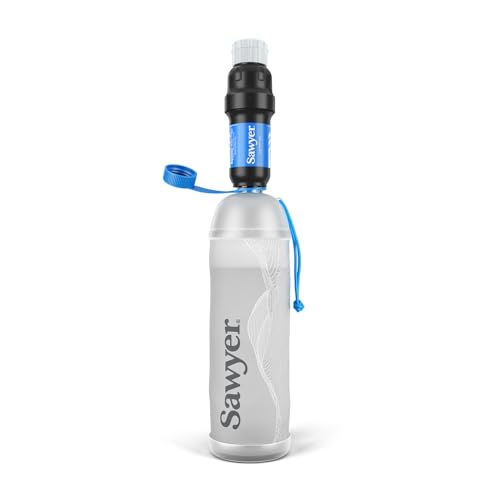
Sawyer Products Squeeze Water Filtration System, Cnoc ...
View on AmazonFor budget eats in cities between hikes, skim Budget Bites in Belarus: Where to Eat Cheap and Eat Well (/experiences/cheap-eats-in-belarus).
Where to Sleep: Camping, Guesthouses, and Hostels
- Camping: Wild camping is broadly practiced outside settlements, but fire restrictions are strict and outright bans can apply during dry spells. In national parks and reserves, use designated sites and pay posted fees; rangers do check. Many official campgrounds feature fire pits, shelters, and firewood for purchase.
- Guesthouses and Agritourism: Family‑run usadby offer hearty meals and garden views—ideal for rain days or rest nights.
- Hostels: Minsk, Brest, Grodno, Vitebsk, and Braslav have budget‑friendly hostels. Start with Best Hostels in Belarus: Top Picks, Practical Tips, and Local Experiences (/experiences/best-hostels-belarus-top-picks-local-experiences).
Maps, Markings, and GPX
Trail marking is improving in major parks: expect colored blazes, distance posts, and bilingual info boards on primary loops. Outside protected areas, navigation leans on forestry roads, local waymarks, and your own mapwork. Pick up a paper park map at visitor centers, then double up with offline apps based on OpenStreetMap. GPX files can sometimes be requested at park information desks or sourced from regional hiking clubs and online communities. A simple compass remains priceless on foggy bog flats.
Safety, Legal, and Environmental Considerations
- Camping and Fires: In protected areas, camp only at designated sites; outside, avoid private land and keep at least a couple hundred meters from dwellings. Observe seasonal fire bans (posted at trailheads and by local authorities). Use a stove; never leave embers.
- Protected Areas and Permits: Some zones within parks and along borders require special permissions or guided entry. Respect temporary closures for wildlife or forestry operations.
- Borders and Sensitive Sites: Stay well away from marked frontier lines and military installations; do not photograph checkpoints or soldiers.
- Wildlife: European bison are powerful and unpredictable—observe from distance. Moose startle easily in wetlands; give wide berths. Wild boar are shy but can be defensive with young. Ticks carry Lyme and, in some regions, encephalitis; use permethrin‑treated clothing and daily checks. Dogs in villages may roam; a calm stance and trekking poles help.
- Weather and Terrain: Summer thunderstorms build fast; avoid exposed high trees in lightning. Shoulder seasons bring cold rain and mud; winters can sink below −15°C with brief daylight. Bogs are beautiful but unforgiving—stick to boardwalks unless you have relevant experience and equipment.
- Health and Emergencies: Emergency number 112 operates nationwide in Belarus. Common direct service numbers are 101 (fire and rescue), 102 (police), and 103 (ambulance). Confirm locally and carry these in your phone. Pack a basic first‑aid kit and a power bank.
- Language and Etiquette: Belarusian and Russian are widely spoken; signage is often Cyrillic. Learn a few phrases and carry a script crib. Dress modestly in villages; ask before photographing people. WWII memorials and cemeteries are places of solemn memory—hushed voices, no drones.
Official safety and restriction updates:
- Ministry of Emergency Situations (fire bans, safety alerts): https://mchs.gov.by
- State Border Committee (border‑zone permits and rules): https://gpk.gov.by
For history‑rich waypoints that pair effortlessly with hikes, browse Belarus Through Time: Key Historical Sites, Stories, and Practical Tips (/experiences/historical-sites-in-belarus).
Trip Planning Tools and Templates
How Long to Spend
- 4–5 days: A compact taste—Belovezhskaya Pushcha loop plus a Brest city day, or Narach + Blue Lakes long weekend.
- 7–10 days: Northern Lakes Spine—Vitebsk and Polotsk bookending a 4–5 day Braslav circuit.
- 12–14 days: Western Arc—Brest + Pushcha (4 days), castles at Mir and Nesvizh (2 days), Minsk greenways (2 days), Grodno + canal (3 days), with a flex day for weather.
Difficulty Grading
- Easy: Well‑marked park circuits with bailouts every 10–15 km, minimal elevation (Narach, Augustow Canal).
- Moderate: Longer daily distances, sandy sections, sporadic markings (Braslav, Pushcha traverses).
- Challenging: Off‑grid forest corridors, winter routes, or multi‑day bogland sections with limited resupply.
Budgeting for Backpackers (per person, per day)
- Shoestring (camping + self‑catering): 25–40 USD—groceries, local buses, occasional park fees.
- Classic budget (hostel/guesthouse mix): 40–70 USD—dorms or rustic rooms, café lunches, train segments.
- Extras: Park entry (usually modest), bike rental in canal/lake regions, boat or packraft rental where available (seasonal; confirm locally).
Packing and Gear Checklist
- Navigation: Paper park map + compass; offline maps on phone; GPX tracks for primary loops.
- Shelter and Sleep: 3‑season tent, groundsheet (bog boards can be damp), 0 to −5°C rated bag in shoulder seasons.
- Footwear and Clothing: Waterproof boots that handle sand and mud; quick‑dry layers; warm hat and gloves in May/Sept; rain shell; camp shoes.
- Bugs and Sun: Permethrin‑treated clothing, DEET or picaridin, head net in June, sunscreen.
- Kitchen: Canister stove (fuel availability is best in cities/outdoor shops), lighter + backup, metal pot, water filter + chemical tabs.
- Safety: First‑aid kit, tick remover, reflective vest for road walks, headlamp + spare batteries.
- Comfort and Admin: Cash stash, passport waterproof pouch, phrase sheet (Cyrillic), trash bags—pack out everything.
Maps, GPX, and Where to Ask Questions
- Visitor Centers: Park HQs in Belovezhskaya Pushcha, Braslav, Narach, and Pripyatsky provide current trail conditions, closures, and route leaflets; some sell 1:50,000 maps.
- Digital: Offline map apps based on OpenStreetMap have strong Belarus coverage, including minor forest lanes and towpaths.
- Community Intel: Local hiking and paddling clubs, university mountaineering societies, and online forums share recent trip reports—especially useful for water levels, fire bans, and boardwalk repairs.
A Ready‑Made 10‑Day Blueprint
- Day 1: Arrive Minsk. Rail to Brest; evening wander of the riverfront.
- Days 2–4: Belovezhskaya Pushcha loop from Kamenyuki—ancient oaks, bison lookouts, forest camps.
- Day 5: Train and bus to Mir/Nesvizh; castle strolls, stay in a village guesthouse.
- Day 6: Rail to Grodno; Augustow Canal towpath walk to the restored locks.
- Day 7: Grodno old town rest day; café breakfasts and river bluffs.
- Day 8: Train to Vitebsk; evening churches and Chagall heritage.
- Days 9–10: Bus to Braslav; two‑day lakes circuit with swims and island sunsets. Overnight at a designated campground or a local guesthouse.
For cultural depth between trail days—folk crafts, contemporary art, and castle lore—see Authentic Cultural Experiences in Belarus: Traditions, Castles, and Contemporary Life (/experiences/authentic-cultural-experiences-in-belarus).
What This Country Leaves You With
A hush between birches. The wet‑grass scent of a lakeshore at first light. Village roofs smoking gently at dusk. Backpacking routes in Belarus reward those who savor small distances and big skies—a country better crossed by footfall and campfire than by checklists. It is not a place that clamors; it invites. Lace up lightly, carry what you need, and let the low horizons widen.
Recommended Travel Gear
Belarus: Roberts, Nigel
This new, thoroughly updated edition of Bradt’s Belarus remains <strong>the only full-blown standalone guide to the most westerly of the constituent republics that formed the Soviet Union prior to the
Kokopelli Packraft Rogue-lite W/Tizip - Yellow
As the foremost minimalist packraft, the Rogue-Lite <strong>weighs only 5.2lbs (2.3kgs) and packs down to the size of a paper towel roll</strong>. Rated up to Class I rivers with our first-in-class 21
Sawyer Products Squeeze Water Filtration System, Cnoc ...
Whether hiking, camping, hunting, fishing, or traveling abroad, the Sawyer Squeeze Water Filtration System will <strong>ensure you have access to clean water in the backcountry or anywhere in the worl