
Belarus with Kids: Top Family-Friendly Attractions and Practical Tips
Zoos, science centers, castles, forests—plan a Belarus trip kids will love, with practical tips on ages, strollers, tickets, seasons, and easy logistics.
Mood
Family Adventure
On a summer afternoon in Minsk, the Ferris wheel at Gorky Park turns slowly above the treetops while children chase soap bubbles along shady boulevards. Teenagers queue for the planetarium while toddlers tumble over the soft-play at a riverside cafe. This is the gentle rhythm of family travel in a country built for unhurried days: generous parks, hands-on museums, unfussy food, and trains that hum across broad, birch-lined plains. For families mapping out family-friendly attractions in Belarus, the country delivers a child-first mix of science, castles, wildlife, water play, and living history.
Top Family-Friendly Attractions in Belarus

Belarus: Roberts, Nigel
This new, thoroughly updated edition of Bradt’s Belarus remains <strong>the only full-blown standalone guide to the most westerly of the constituent republics that formed the Soviet Union prior to the
Check Price on AmazonGorky Park and Planetarium, Minsk
Minsk’s central pleasure garden braids together carousels, a Ferris wheel, paddle boats on the Svislach, and a nostalgic planetarium dome. It’s the city’s open-air living room, where grandparents share sunflower seeds on benches and weekend buskers draw delighted clusters of children.
- Best for: Ages 3–12 for rides; 6+ for planetarium shows
- Hours & tickets: Park open daily; rides typically late morning to evening (longer in summer). Rides priced individually (expect 3–10 BYN). Planetarium shows scheduled daily except Monday; family discounts common
- Access & facilities: Flat, stroller-friendly paths; plentiful restrooms; seasonal snack kiosks; playgrounds
- Language & support: Planetarium commentary in Russian/Belarusian with occasional English audio; signage simple and visual
Lebyazhy Waterpark, Minsk
One of the region’s largest water complexes, Lebyazhy pairs tube slides with a lazy river, a generous toddler splash zone, and warm indoor pools for cold days. Parents can commandeer a cabana while older kids test their nerve on looping chutes.

Huggies Little Swimmers Disposable Swimming Diapers, Size 4 (24-34 lbs), 18 Ct
View on Amazon- Best for: All ages; toddlers thrive in the shallow splash areas
- Hours & tickets: Typically open daily, late morning to evening; time-limited sessions on busy days. Expect 25–45 BYN adults; discounts for children; under-3s often free (swim diapers required)
- Access & facilities: Elevators, family changing rooms, lockers, on-site dining, life vests available
- Language & support: Pictogram signage; staff assist in Russian/Belarusian; basic English at reception
Galileo Science Center, Minsk
Curiosity rules at Galileo, where kids pedal generators to light bulbs, stand inside a giant soap bubble, and test perception in an “upside-down” room. Exhibits are made to be touched—and laughed over.
- Best for: Ages 5–14
- Hours & tickets: Generally 10:00–20:00; last entry ~1 hour before closing. Expect 12–18 BYN adults; reduced rates for children; family passes offered
- Access & facilities: Stroller-friendly floors; cloakroom; baby-changing; small cafe
- Language & support: Many labels bilingual (Russian/English); staff demos in Russian with friendly, show-don’t-tell guidance
Strana Mini, Minsk
This pocket museum of meticulously crafted miniatures brings Belarus’s architectural heritage to child height—castles, cathedrals, and town halls shrunk to model-railway scale, complete with audio stories.
- Best for: Ages 4–12 (and any adult with a soft spot for models)
- Hours & tickets: Often 10:00–20:00 daily; timed experiences during weekends. Expect 10–15 BYN adults; children discounted; family ticket bundles
- Access & facilities: Compact, fully indoors; stroller access; restrooms on-site; gift shop with crafty souvenirs
- Language & support: Audio guides available in multiple languages including English and Polish
Brest Hero-Fortress, Brest
A massive star-shaped citadel turned memorial, Brest Fortress is both moving and monumental. Older children are drawn to the scale—brick barracks, artillery, an eternal flame—and the stories of courage that shaped modern Belarus.
- Best for: Ages 8+ (quieter reflection suits older kids)
- Hours & tickets: Grounds open 24/7; museum complexes typically 10:00–18:00, closed Monday. Combo tickets available; expect ~10–20 BYN per adult museum entry; children discounted
- Access & facilities: Cobblestones and broad lawns; sturdy strollers recommended. Restrooms and simple cafes near the main gate
- Language & support: Audio guides and exhibits in Russian/Belarusian; English panels in key sections; guided tours bookable
Brest Railway Museum, Brest
Steam locomotives line a dedicated open-air platform where children can clamber into cabs, ring bells, and imagine cross-continental journeys. It’s tactile, photogenic, and bliss for train-obsessed youngsters.
- Best for: Ages 3–12
- Hours & tickets: Typically 10:00–19:00; closed Monday. Expect 6–12 BYN adults; child and family tickets available
- Access & facilities: Mostly level surfaces; stroller-friendly; restrooms at the entrance; partial shade in summer
- Language & support: Labels in Russian; simple iconography helps; staff accustomed to families
Belovezhskaya Pushcha National Park and Ded Moroz Estate (near Brest)
Europe’s last primeval lowland forest shelters bison, elk, and woodpeckers within a fairytale canopy. Families walk boardwalk trails, rent bicycles, and—especially in winter—visit Ded Moroz, the Slavic “Grandfather Frost,” at his timber estate strung with bells and birch garlands.
- Best for: All ages; strollers manageable on boardwalks
- Hours & tickets: Park open year-round; visitor centers 9:00–18:00. Modest entry/ecofees; small charges for bison enclosures and bike rentals; seasonal pricing at Ded Moroz estate
- Access & facilities: Boardwalk trails; pram-friendly paths; restrooms and picnic spots; cafes in the park’s hub
- Language & support: Maps in multiple languages; basic English at visitor centers; guided animal-watching by arrangement
Grodno Zoo, Grodno
Belarus’s oldest zoo has been steadily modernizing enclosures and interpretive displays. Expect a compact loop for little legs, a small petting area, and feeding times that double as informal biology lessons.
- Best for: Ages 3–12
- Hours & tickets: Typically 9:00–18:00 (longer in summer). Expect 8–15 BYN adults; children discounted; family tickets common
- Access & facilities: Paved paths; stroller-friendly; shaded benches; playground; snack kiosks
- Language & support: Signage primarily Russian/Belarusian; picture-led displays help non-readers; occasional keeper talks
The Castles of Mir and Nesvizh (Minsk Region)
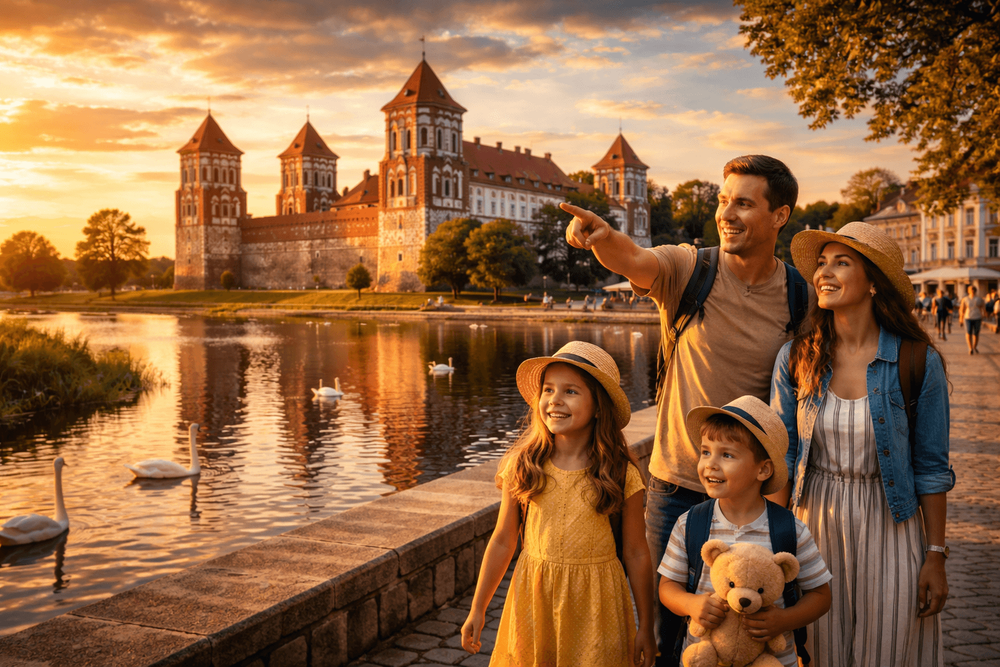
A day trip into Renaissance pageantry: Mir’s turreted red-brick fortress rises beside a swan-dappled pond, while Nesvizh’s ochre palace sprawls across canals and lawns. Both are UNESCO sites with parkland perfect for tag and picnic blankets. Families can split the day—Mir before lunch, Nesvizh after—connecting the Radziwiłł stories that bind them.
- Best for: Ages 5+ for palace rooms; any age for gardens
- Hours & tickets: Generally 10:00–18:00 (later in summer). Expect 15–25 BYN adults per castle; discounted child and family tickets; audio guides extra
- Access & facilities: Strollers fine outdoors; many interior rooms up stairs—consider a baby carrier. Restrooms, cafes, and souvenir stalls on-site
- Language & support: Audio guides in multiple languages; select English panels; children’s quest booklets sometimes available
For deeper background and more dramatic sites—from Brest Fortress to river-cut canyons—see Belarus’ wider highlights in Belarus’ Must-See Landmarks: Castles, Memorials & Natural Wonders (/experiences/belarus-must-see-landmarks-castles-memorials-natural-wonders).
Hands-On Heritage Near Minsk: Dudutki Museum and Sula History Park
These living-history estates trade glass cases for soot and song. At Dudutki, children knead bread, watch a blacksmith hammer sparks from iron, and befriend a resident goat; at Sula, costumed interpreters lead archery, boat rides, and reenactments on broad lawns.
- Best for: Ages 4–12
- Hours & tickets: Typically 10:00–17:00; weekends see extra workshops and shows. Expect 20–40 BYN adults depending on package; child and family bundles available
- Access & facilities: Outdoor paths and farmyards—sturdy wheels recommended for strollers. Restrooms, picnic areas, casual dining on-site
- Language & support: Demonstrations in Russian/Belarusian; hands-on by nature; prebook English-speaking guides for context
Travelers keen to weave crafts and traditions into a family itinerary will find more ideas in Authentic Cultural Experiences in Belarus: Traditions, Castles, and Contemporary Life (/experiences/authentic-cultural-experiences-in-belarus).
Seasons, Festivals, and Weather‑Smart Fun
Belarus is resolutely four-season, and planning around weather unlocks easier days for parents. Spring (April–May) is blossom-bright and ideal for parks, castles, and bike rides before summer crowds. Summer (June–August) means long evenings in Minsk’s parks, splash time at Lebyazhy, pedal boats on city lakes, and forest walks under leafy canopies. Autumn (September–October) paints the birches gold—prime time for Mir and Nesvizh gardens and wildlife spotting in Belovezhskaya Pushcha.
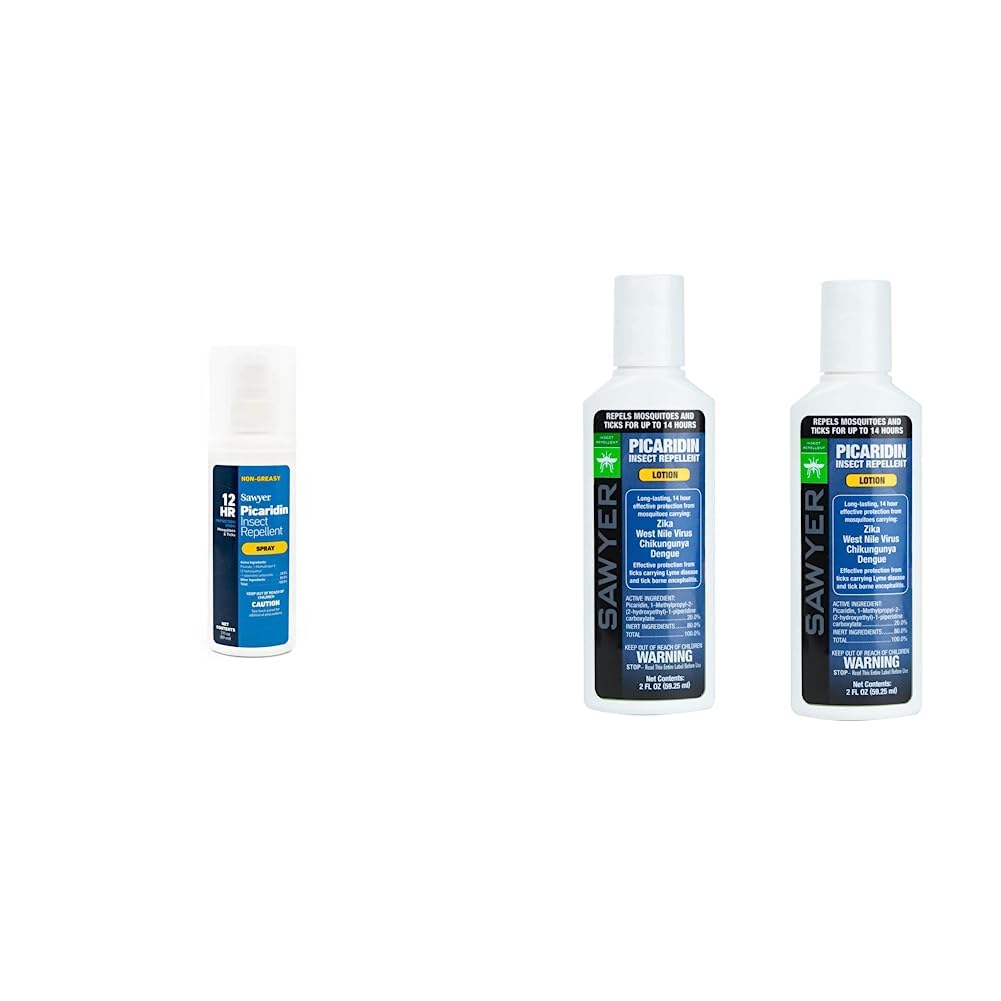
Sawyer Products SP5622 Picaridin Insect Repellent Lotion, 20% Picaridin, 2-Ounce, Twin Pack
View on AmazonWinter wraps the country in crisp air and fairy lights. Families skate on outdoor rinks in Minsk’s squares, toboggan down park slopes, and meet Ded Moroz in his forest estate. Indoors, Galileo, Strana Mini, and cozy cafes keep spirits high. Music and culture fans should look to July’s Slavianski Bazaar in Vitebsk (family matinees and street shows) and spring’s Maslenitsa festivities, where children devour blini between folk games.
For month-by-month advice on temperatures, daylight, wildlife, and holidays—plus off-season perks—bookmark When to Visit Belarus: Best Months for Weather, Wildlife, Festivals & Low‑Season Travel (/experiences/best-time-to-visit-belarus).
Families seeking more watery wilderness can add a few days around the Braslav Lakes or Lake Narach in summer, where low-key resorts rent bikes, kayaks, and pedalos. Pack bug spray for forest outings from May to September, and light layers: weather can flip from sun to shower in a heartbeat.
Getting Around, Staying Sane: Family Logistics
- Transport made simple: Intercity trains connect Minsk with Brest and Grodno in a few comfortable hours; buy seats together in advance and aim for mid-morning departures with better stroller space. Children typically receive discounted fares; under-fives may travel free without a separate seat on some services—confirm with Belarusian Rail. Minsk’s metro is fast and intuitive; newer stations have elevators, though not all. Buses and trams fill gaps; ride-hailing apps cover most cities.
- Where to stay: Central bases trim commute times to parks and museums. In Minsk, the elegant Hotel Europe sits a short stroll from Gorky Park and offers generous family rooms and calm, carpeted corridors perfect for naptime returns. In Brest, the refined Hermitage Hotel pairs connecting rooms with a fuss-free breakfast, making early fortress visits painless. For Grodno, Semashko Hotel is a reliable hub with easy access to the zoo and Old Town promenades. If suites and on-site pools sway the decision, explore family-friendly picks in Best Luxury Hotels in Belarus — Top Places to Stay for Style, Service & Local Experiences (/experiences/best-luxury-hotels-in-belarus).
- Meals and snacks: Belarusian cooking is hearty and child-pleasing—think potato draniki (pancakes), dumplings, cutlets, and compotes. Many cafes provide high chairs; mall food courts are fallback options near parks. Carry snacks for museum days; outside food is usually fine in parklands but not inside exhibitions.
- Tickets and budgeting: Family tickets and weekday discounts are common at museums, castles, and waterparks. Combo tickets (e.g., Brest Fortress museum clusters; Mir + Nesvizh in one day) can trim costs. Expect most venues to accept cards; carry some cash for kiosks or countryside estates.
- Strollers and carriers: Cities oblige with broad pavements and park paths; castles and heritage estates include stairs and cobbles—bring a soft carrier for infants. In winter, sled-strollers are handy in parks after snowfall.
- Health and safety: Tap water is treated in major cities; many families prefer bottled for taste. In forests, use tick precautions (long sleeves, repellent) from May to September. Pack swim diapers and rash guards for waterparks; bring child-sized ear protection for loud reenactments or historical sites with artillery demonstrations.
- Etiquette and ease: Queues are orderly; offering a seat to elders is appreciated. Photography is welcome outdoors; inside museums, check for permit stickers. A few phrases in Belarusian or Russian go far, but families will find smiles and gestures do most of the work.
The Feeling to Take Home
Belarus with children isn’t about racing between blockbuster sights; it’s about measured pleasures—a bench beneath lindens while the planetarium empties, ducklings skittering across a castle moat, a flour-dusted child grinning over a loaf they helped bake. The country’s family-friendly attractions in Belarus invite curiosity and calm in equal measure, building itineraries that breathe between wonder and rest.
Recommended Travel Gear
Belarus: Roberts, Nigel
This new, thoroughly updated edition of Bradt’s Belarus remains <strong>the only full-blown standalone guide to the most westerly of the constituent republics that formed the Soviet Union prior to the
Sawyer Products SP5622 Picaridin Insect Repellent Lotion, 20% Picaridin, 2-Ounce, Twin Pack
Sawyer 20% Picaridin topical spray is <strong>effective for up to 12 hours against mosquitoes and ticks (14 hours for the lotion),</strong> and the spray and lotion provide up to 8 hours of protection
Huggies Little Swimmers Disposable Swimming Diapers, Size 4 (24-34 lbs), 18 Ct
Little Swimmers swim diapers are <strong>made without phthalates, natural rubber latex, and lotions and are free of elemental chlorine, parabens and fragrance</strong>. Additionally, these baby swimmi