
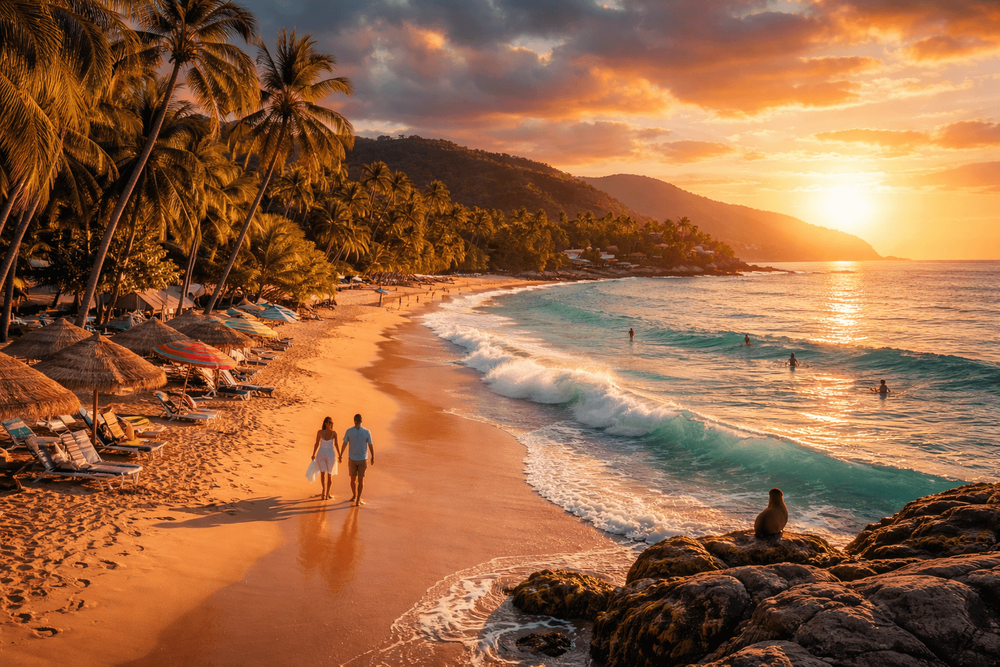
Argentina’s Best Beaches: Top Coastal Picks for Sun, Surf and Wildlife
From Mar del Plata to Península Valdés, a curated guide to Argentina’s top beaches—when to go, how to get there, and the best spots for surf and wildlife.
Mood
Beach Escape
At sunrise on the Patagonian gulf, the sea lies glassy and pewter-hued, and a southern right whale exhales a misty plume just offshore. Gulls cut silver arcs through the morning light, and the only footsteps in the sand are your own. This is the quiet drama that awaits along the Atlantic rim—and the reason the best beaches in Argentina feel as much about wild encounters and wind-shaped dunes as they do about umbrellas and sun loungers.
The Best Beaches in Argentina: Where to Go Now
Argentina’s coast unspools for more than 3,000 miles from the Buenos Aires province to Tierra del Fuego, shifting from family-friendly resort towns to ochre cliffs and wildlife rookeries. The best beaches in Argentina share four constants: big skies, reliable breezes, a rich maritime culture, and—come summer—long, golden hours that stretch well past 8 p.m.

Lonely Planet Argentina (Travel Guide): Albiston, Isabel, Brown, Cathy, Clark, Gregor, Egerton, Alex, Grosberg, Michael, Kaminski, Anna, McCarthy, Carolyn, Mutic, Anja, Skolnick, Adam
Covers Buenos Aires, The Pampas ... del Fuego, Uruguay · The Perfect Choice: Lonely Planet’s Argentina, <strong>our most comprehensive guide to Argentina</strong>, is perfect for both exploring top si
Check Price on Amazon- Water temperatures: expect 20–23°C (68–73°F) in Buenos Aires Province at summer’s peak; 16–21°C (61–70°F) around northern Patagonia (Las Grutas, Puerto Madryn); 10–16°C (50–61°F) farther south.
- Prime season: December through March for classic beach days; September–November for spring blooms and prime whale-watching around Península Valdés.
Who each coast suits
- Families: the broad, serviced sands of Mar del Plata, Pinamar, Cariló, and the calm arcs around Las Grutas.
- Surfers and kiters: Chapadmalal, Necochea/Quequén, Miramar, Rada Tilly, and Playa Unión near Rawson.
- Wildlife lovers: El Doradillo and Puerto Pirámides in Valdés; El Cóndor’s parrot cliffs; Isla Pingüino off Puerto Deseado.
- Solitude seekers: Bahía Creek and La Lobería near Viedma; Punta Perdices and Las Conchillas by San Antonio Este; windswept strands in Santa Cruz and Tierra del Fuego.
Buenos Aires Province: Atlantic Resorts, Dunes and Surf Culture
From San Clemente del Tuyú down to Necochea, the Buenos Aires coast is Argentina’s “verano” heartland—paradores (beach clubs) dot the dunes, kites dance in the afternoon breeze, and families linger over seaside picadas until the light turns honeyed.
Highlights and beach character
- Mar del Plata (Playa Grande, Varese, and Punta Mogotes): lively, with cafés, surf schools, and a festive boardwalk vibe. Sand is fine and golden; bays vary from sheltered (Varese) to wavey (Playa Grande).
- Chapadmalal: a pocket of point breaks and mellow surf towns a short drive south—ideal for longboarders and crowd-averse beachgoers.
- Pinamar and Cariló: pine-fringed dunes, elegant paradores, and a polished, family-friendly scene; Cariló’s soft sands and calmer rollers suit little swimmers.
- Villa Gesell and Mar de las Pampas: bohemian energy meets whispering maritime forests; great for laid-back days and sunset dune walks.
- Necochea and Quequén: a high-energy surf axis with long, consistent beach breaks; wide sands remain airy even in January.
When to go and sea conditions
- Peak season runs late December to late February, when water reaches 20–23°C (68–73°F). Expect afternoon winds and a festive crush on popular playas in January.
- Shoulder months (November, early December, March) bring pleasant weather, thinner crowds, and still-warm seas.
Getting there and staying
- Access is easy: Route 2 zips from Buenos Aires to Mar del Plata (about 4–5 hours by car); Route 11 links coastal towns north and south. Frequent long-distance buses serve all.
- Mar del Plata has an airport (MDQ) with seasonal flights; otherwise, drive or bus from Buenos Aires.
- Where to stay: design-forward lodgings are part of the appeal. The Hotel Costa Galana presides over Playa Grande with a palm-lined pool terrace and service polished to a sheen—catnip for urbanites craving a seamless beach interlude.
What to do nearby
- Surf and kite: enroll with local schools at Playa Grande or Chapadmalal; wind and shallow gradients make Pinamar a draw for kites.
- Dune and lighthouse rambles: trek to Faro Querandí’s wild sands by Villa Gesell; sunrise paints the dunes in apricot tones.
- Culture breaks: Mar del Plata’s art deco architecture and seafood institutions, plus summer music festivals, keep non-beach hours lively.
For backpackers chasing long summers and low costs, these towns offer excellent hostel networks; pair your coastal circuit with Argentina on a Dime: Best Budget Hostels for Backpackers and Savvy Travelers to stretch pesos without scrimping on atmosphere.
Northern Patagonia: Las Grutas, San Antonio Este and the “Patagonian Caribbean”
Río Negro’s shoreline arcs into tide-scalloped coves and chalky headlands where the water glows improbable shades of turquoise. Around Las Grutas, reef platforms trap warmer shallows—locals call it the “Caribe Patagónico.”
Highlights and beach character
- Las Grutas: honey-colored cliffs, stairways descending to scalloped coves, and some of the warmest seawater in the country (up to ~22°C/72°F in midsummer). Ideal for families, swimmers, and snorkelers at low tide.
- San Antonio Este (Las Conchillas and Punta Perdices): pale, shelly beaches with crystalline shallows; go early for windless swims and stay for sunset when the water turns liquid copper.
When to go and sea conditions
- December–March delivers the mellowest seas and beach-friendly temps (25–32°C/77–90°F on land); afternoon breezes are common.
- Tides are dramatic—plan swims at mid-to-low tide for exposed, calm pools.
Getting there and staying
- Base in Las Grutas (served by long-distance buses); the nearest airport is Viedma (VDM), a 3.5–4-hour drive, or San Antonio Oeste train/bus links.
- Lodging ranges from simple coastal posadas to sea-view hotels. In Las Grutas, Hotel Portovenere stacks terraces above the coves; choose a balcony for morning mate with a sapphire horizon.
What to do nearby
- Boat trips and fishing charters launch from San Antonio Este; dolphin and seabird sightings are frequent.
- Coastal hikes trace the headlands between coves; watch for oyster catchers and cormorants drying their wings atop reef shelves.
Viedma to Península Valdés: Wildlife Capital and Quiet Arcs of Sand
This is where the Atlantic turns theatrical. Cliffs crumble into pebble crescents, wind combs the tussock, and marine life claims the stage—whales, elephant seals, penguins, and orcas.
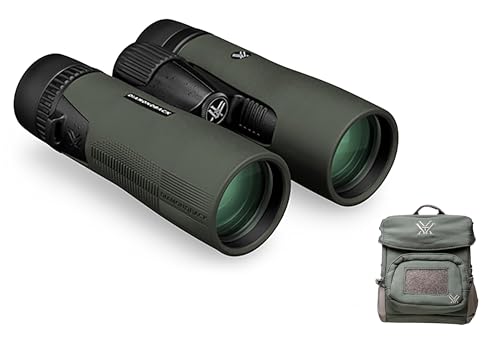
Vortex Optics Diamondback 10x42 Roof Prism Binocular ...
Vortex Optics Diamondback HD 8x42 Binoculars - HD Optical System, Non-slip Grip, Waterproof, Fogproof, Shockproof, Included GlassPak - Unlimited, Unconditional Warranty
Check Price on AmazonHighlights and beach character
- El Cóndor and La Lobería (near Viedma): cliff-backed beaches and the planet’s largest colony of burrowing parrots at El Cóndor. La Lobería earns its name with sea-lion haul-outs; swimmers stick to calmer pockets between rocks.
- Bahía Creek: a minimalist strand accessed by gravel—rewarded with solitude, low dunes, and startlingly clear water.
- Puerto Madryn: broad, gently shelving beaches (Playa Paraná and Puerto Madryn’s central arc) with transparent shallows perfect for paddleboarding and introductory dives.
- El Doradillo (north of Puerto Madryn): pebbled coves where, in winter and spring (June–October), southern right whales nurse within meters of shore. Swimming is restricted; this is a theater seat, not a bathing beach.
- Puerto Pirámides (Península Valdés): a handsome amphitheater of golden cliffs and lemony sand; boats depart for whale-watching (June–December) and dolphin sightings year-round.
When to go and sea conditions
- Classic beach days: December–March with water around 18–21°C (64–70°F) near Puerto Madryn; winds often pick up afternoons.
- Wildlife windows: whales June–December (peak September–November); Magellanic penguins September–March at nearby rookeries; orcas patrol Punta Norte February–April during seal pupping.
Getting there and staying
- Fly into Trelew (REL) or Puerto Madryn (PMY) and drive 1–2 hours along good roads. Gravel segments on Península Valdés require slow, cautious driving.
- Sleep seaside at Rayentray Puerto Madryn, a glass-fronted tower with sunrise rooms facing the gulf; or in Puerto Pirámides at Las Restingas Hotel, where a barefoot path leads from breakfast to the tideline.
What to do nearby
- Whale-watching and dolphin tours: depart Puerto Pirámides and Rawson (Playa Unión for Commerson’s dolphins). Operators adhere to strict distance protocols.
- Diving and snorkeling: Puerto Madryn is Argentina’s scuba hub, with shipwrecks and elephant-seal encounters for advanced divers.
- Coastal reserves: Punta Tombo’s vast penguin colony (seasonal) and Caleta Valdés for elephant seals.
Luxury seekers pairing marine life with indulgent stays can look inland to vineyard and mountain retreats featured in Inside Argentina’s Finest Luxury Lodges: From Patagonia Glaciers to Mendoza Vineyards.
Central and Southern Patagonia: Rada Tilly, Puerto Deseado and the Far Edge
South of Chubut’s capitals, the coast grows starker and more stirring—wind-scoured bays for wind sports, ferruginous cliffs, and islands brimming with life.
Highlights and beach character
- Rada Tilly (near Comodoro Rivadavia): a long, crescent bay with hard-packed sand ideal for beach walks and land-sailing; steady winds and gentle chop make it a kitesurfer favorite.
- Camarones and Cabo Dos Bahías: a quiet hamlet facing a string of pebbled beaches and an exceptional nature reserve where guanacos browse sage-green scrub above penguin rookeries.
- Puerto Deseado and Isla Pingüino: boat across choppy channels to a lighthouse-topped island where rockhopper penguins and sea lions crowd the ledges. This is a wildlife expedition rather than a sunbathing stop; bring layers and binoculars.
- Santa Cruz strands (Puerto San Julián, Puerto Santa Cruz): broad, pale bays under enormous skies, perfect for beachcombing and birdwatching; sea temperatures hover 12–16°C (54–61°F) in summer.
When to go and sea conditions
- Best months are December–March for manageable winds and milder air; seas remain brisk, and weather shifts fast—layers are essential.
Getting there and staying
- Fly to Comodoro Rivadavia (CRD) for Rada Tilly; to Río Gallegos (RGL) for Santa Cruz strands. Roads are paved between main towns; secondary routes and reserve tracks are often gravel.
What to do nearby
- Kitesurf and wind sports: Rada Tilly’s afternoon breezes are reliable; surf is occasional and wind-chopped.
- Wildlife viewing: day trips from Puerto Deseado to Isla Pingüino (weather permitting); guided visits to Cabo Dos Bahías for penguins and shorebirds.
If your itinerary continues inland, consider folding in a rail journey showcased in Argentina by Luxury Rail: Scenic Journeys, Gourmet Dining & Exclusive Routes—an elegant counterpoint to the salt-sprayed coast.
Practical Playbook: Weather, Access and Beach Etiquette
Reading the beach
- Lifeguard flags (often green/amber/red/black) signal swim conditions; obey them, especially on the open Atlantic where rip currents form.
- Jellyfish (“aguavivas”) appear some summer days on the Buenos Aires coast—rinse with seawater, not freshwater, and seek lifeguard advice.
- Tides shape Patagonian beaches; check local charts before planning swims or intertidal walks.
Safety and medical considerations
- The sun is fierce: apply reef-safe SPF 50, reapply often, wear a hat and polarized sunglasses. Windburn can be as punishing as sunburn.
- Cold-water caution: beyond Buenos Aires Province, a 3–4 mm wetsuit makes longer swims and surf sessions comfortable, even in midsummer.
- Remote stretches (Bahía Creek, Cabo Dos Bahías, parts of Valdés) have scarce shade and services—carry water, snacks, a windbreaker, and a basic first-aid kit.
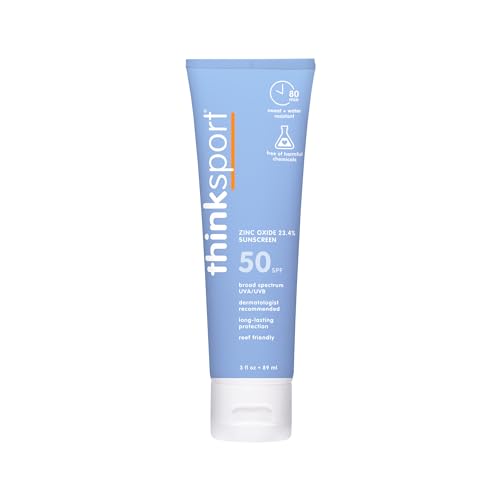
Thinksport SPF 50 Mineral Sunscreen – Safe, Natural ...
View on AmazonFacilities and seasonal rhythms
- Buenos Aires Province beaches offer full services (showers, rentals, cafés) in high season; many paradores close or scale back outside December–March.
- Patagonian towns maintain lifeguarded areas in summer, but reserves like El Doradillo and sections of Valdés have no facilities—pack out all waste.
Conservation rules and wildlife etiquette
- Keep your distance: never approach, feed, or surround wildlife. At Valdés, licensed boat operators follow strict codes; on shore, remain behind marked lines at rookeries.
- Drone use is restricted in protected areas and around fauna—check local park regulations before flying.
- Driving on dunes and beaches is regulated or prohibited in many zones (notably within reserves); where permitted, reduce tire pressure, avoid vegetated areas, and yield to pedestrians.
Packing list for the Argentine coast
- Beach basics: high-SPF sunscreen, brimmed hat, sturdy sandals for pebbly coves, quick-dry layers, a windbreaker, and a light fleece for Patagonian evenings.
- Water gear: reef shoes for shelly shallows at Las Conchillas; snorkel for Las Grutas’ tide pools; 3–4 mm wetsuit for surfing beyond Buenos Aires Province.
- Culture kit: a thermos and mate gourd—sharing a round on the sand is as Argentine as the gulls and the wind.
Local customs and how to blend in
- Schedules skew late: beach mornings start gently; prime hours are 4–7 p.m., when the sun softens and the wind eases.
- January is the national holiday crush; February is festive with Carnival weekends; March can be blissfully calm with warm seas and open tables.
How to Choose Your Strand
- For a social seaside with easy logistics: Mar del Plata and Cariló deliver serviced sands, surf schools, and dining variety.
- For clear water and family swims: Las Grutas and Punta Perdices shine, with warm shallows and low-slung coves.
- For wildlife-first days: base in Puerto Madryn or Puerto Pirámides to fold in whale-watching and penguin rookeries.
- For wind-powered sports and big skies: Rada Tilly and Playa Unión offer reliable breezes and wide-open beaches.
Beach days pair naturally with inland adventures—from vineyard lunches to glacier-front hikes. For upscale overnights when you trade sand for steppe or malbec country, bookmark Inside Argentina’s Finest Luxury Lodges: From Patagonia Glaciers to Mendoza Vineyards. And if you’re stretching pesos along the coast, the hostel intel in Argentina on a Dime: Best Budget Hostels for Backpackers and Savvy Travelers is gold.
What lingers from Argentina’s Atlantic edge isn’t a single beach selfie, but a mosaic of moments: the whisper of pines above Cariló’s dunes, a whale’s barnacled back rolling in the Valdés light, a child chasing plovers across Las Conchillas’ pearly fringe. The coastline reveals itself in these details—salt on the lips, wind at the collarbone, and a horizon that seems to run forever.
Recommended Travel Gear
Lonely Planet Argentina (Travel Guide): Albiston, Isabel, Brown, Cathy, Clark, Gregor, Egerton, Alex, Grosberg, Michael, Kaminski, Anna, McCarthy, Carolyn, Mutic, Anja, Skolnick, Adam
Covers Buenos Aires, The Pampas ... del Fuego, Uruguay · The Perfect Choice: Lonely Planet’s Argentina, <strong>our most comprehensive guide to Argentina</strong>, is perfect for both exploring top si
Vortex Optics Diamondback 10x42 Roof Prism Binocular ...
Vortex Optics Diamondback HD 8x42 Binoculars - HD Optical System, Non-slip Grip, Waterproof, Fogproof, Shockproof, Included GlassPak - Unlimited, Unconditional Warranty
Thinksport SPF 50 Mineral Sunscreen – Safe, Natural ...
Amazon.com: Thinksport SPF 50 Mineral Sunscreen – Safe, Natural Sunblock for Sports & Active Use - Water Resistant Sun Cream –UVA/UVB Sun Protection – Vegan, <strong>Reef Friendly Sun Lotion</stro