
Bite into Bolivia: A Local’s Guide to the Best Food Markets
From La Paz to Santa Cruz, dive into Bolivia’s bustling markets—what to eat, when to go, and how to order like a local, with tips rooted in culture.
Mood
Culinary Street Safari
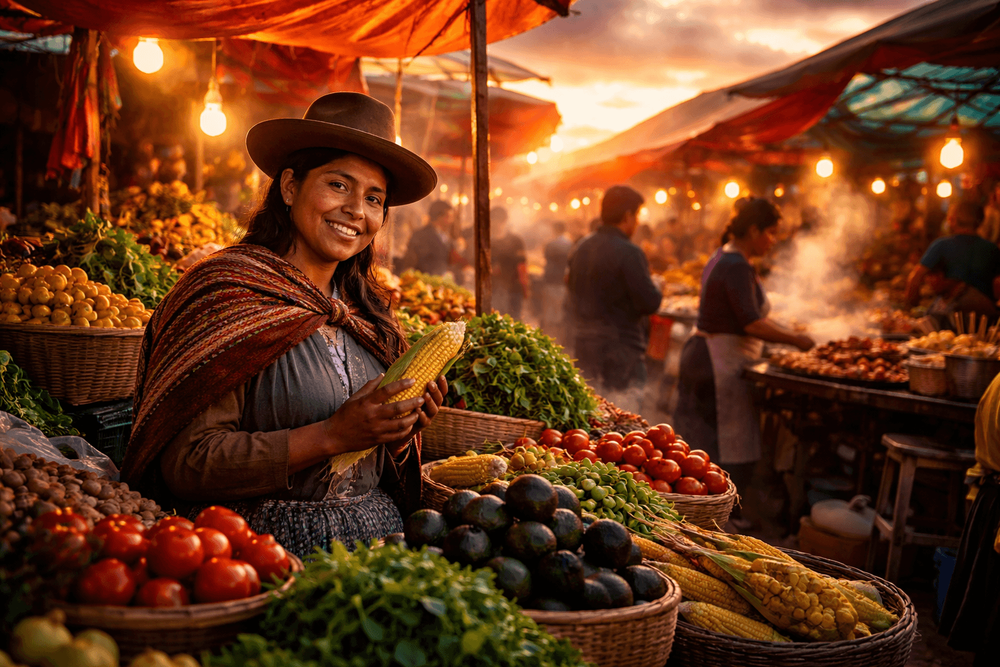
At daybreak in La Paz, steam lifts from vats of purple api and the air is crisp enough to make breath visible. Women in bowler hats and layered polleras arrange pyramids of potatoes and tumbling citrus, the clink of enamel cups setting the morning’s tempo. This is where the country wakes up hungry—and where travelers discover the best food markets in Bolivia, a network of humming halls and open-air arteries that reveal the nation’s flavor, rhythm, and soul.
The Best Food Markets in Bolivia, City by City

Lonely Planet Bolivia (Travel Guide): Albiston, Isabel, Grosberg, Michael, Johanson, Mark
Lonely Planet's Boliviais <strong>your passport to the most relevant, up-to-date advice on what to see and skip, and what hidden discoveries await you</strong>. Explore the world's largest s
Check Price on AmazonLa Paz: Mercado Rodríguez and Mercado Lanza
La Paz’s markets mirror the city’s dramatic topography, cascading down from the high barrios to the old center around San Francisco Church. Mercado Rodríguez, the city’s produce heart, begins in the early morning along its namesake street. Baskets of black oca and pink papalisa gleam beside quinoa from the Altiplano and herbs from the Yungas cloud forests. It is the market of provenance: ask a vendor about her potatoes and she may trace their lineage to a family plot high above Lake Titicaca. Buy by the kilo, and when she offers a small handful extra—the beloved yapa—accept with a smile.
A few blocks away, Mercado Lanza is a cubist concrete hive stuffed with life. Inside, rows of juice stalls—each a kaleidoscope of mangoes, cherimoya, tumbo, and papaya—blend licuados to order with either water or milk. Climb to the upper floors at lunch for steaming bowls of sopa de maní and plates of ají de fideo served on oilcloth tables. Nearby streets glow at dusk with anticuchos—skewers of marinated beef heart seared over charcoal, perfumed by wood smoke and aji amarillo.
Practicalities: Rodríguez kicks off at first light (5–6 a.m.) and hums until midday; Lanza’s prepared-food stalls are busiest 11:30 a.m.–2:30 p.m. Expect juices from 6–12 BOB, salteñas 5–10 BOB, and a set lunch (almuerzo) 15–25 BOB. For market touring made easy, consider joining a local-led tasting walk; Bolivia’s food tours can be a smart primer before exploring solo (see Savor Bolivia: What to Expect on Culinary Tours and Food Experiences at /experiences/culinary-tours-in-bolivia).
Where to stay: Classic Andean warmth meets historic character at the Hotel Rosario, a favored base within strolling distance of both markets and the San Francisco quarter.
Sucre: Mercado Central and Sunday Tarabuco
Whitewashed Sucre eats with quiet confidence. Its Mercado Central, a short walk from Plaza 25 de Mayo, is a cathedral of produce and fresh juices. On the juice aisle, caseritas stack fruit like still lifes and whip frothy blends of strawberry and papaya, often crowned with a spoonful of fruit salad. In the cooked-food wing, try mondongo chuquisaqueño—slow-braised pork lacquered in red ají, served with mote and crisp crackling.
Come Sunday, the town of Tarabuco (60 km from Sucre) erupts into one of the region’s great Indigenous markets. Yampara vendors in handwoven ponchos sell maize, beans, and pottery; food stalls ladle chicha morada from earthen jarras and grill cuy over smoldering embers. A plate of steamed humintas (fresh-corn tamales) makes an ideal breakfast against the cool highland air.
Practicalities: Sucre’s Mercado Central opens early and runs through late afternoon; the lunch rush peaks 12–2 p.m. Tarabuco’s Sunday market starts by 8 a.m., with shared taxis and minibuses leaving Sucre’s Mercado Campesino terminal from 6 a.m. onward. Prices: juices 6–10 BOB; market lunches 18–30 BOB; a portion of cuy is typically 30–50 BOB depending on size.
Where to stay: The Parador Santa María La Real occupies a restored colonial mansion whose arcaded courtyards feel tailor-made for post-market siestas.
Cochabamba: La Cancha, Bolivia’s Pantry
If Bolivia has a gastronomic capital, Cochabamba claims it—and La Cancha is its beating heart. Among South America’s largest markets, this sprawling labyrinth south of the center divides into neighborhoods: produce, textiles, electronics, and vast zones devoted to food. Morning begins with api morado and sugar-dusted pastel; by noon, vendors plate silpancho the size of a placemat—crispy breaded beef tucked under fried eggs and a confetti of tomatoes and onions. Chicharrón crackles in copper pots on weekends, while skewers of anticucho scent the evening air.
Seek out the dairy aisle for creamy yogurt and fresh cheeses from the valleys; look for humintas both steamed and baked, and for masitas—little breads and pastries that speak of mestizo baking traditions. Between aisles, the soundscape is a carnival: hawker calls, the whirr of blenders, and snatches of Quechua threaded through Spanish.
Practicalities: La Cancha is open daily, with the greatest energy Friday through Sunday. It’s vast: coordinate a meeting point, keep valuables close, and consider short taxi hops between sections. Lunch plates range 20–35 BOB; snacks 5–15 BOB.
Where to stay: With palm-lined pools and a breezy, resort feel, Gran Hotel Cochabamba offers a soothing counterpoint to the market’s kinetic pace.
Santa Cruz de la Sierra: Los Pozos and the Abasto
In tropical Santa Cruz, the markets trade highland heft for lowland abundance. At Mercado Los Pozos, near the center, rows of juice bars shimmer with mango and maracuyá, while breakfast counters ladle locro de gallina—chicken soup thickened with corn—brightened by lime and cilantro. Around the grills, cooks press sonso—yuca and cheese dough—onto sticks and char it over coals, a smoky, irresistible snack.

GRAYL UltraPress 16.9 oz Water Purifier & Filter Bottle for Hiking, Backpacking, Survival, Travel (Olive Drab)
View on AmazonFarther out, the Nuevo Mercado Abasto supplies the city at wholesale scale, but still hides lunch counters serving majadito batido (savory rice tinged with annatto, topped with sun-dried beef and a fried egg) and masaco de plátano mashed with charque or chicharrón. Heat builds by mid-morning; go early, drink plenty of water, and savor the difference a few hundred kilometers makes to Bolivia’s palate.
Practicalities: Los Pozos opens from early morning into late afternoon; Abasto starts before dawn for traders and stays lively through lunch. Juices 7–12 BOB; snacks 6–15 BOB; hearty plates 20–35 BOB.
Where to stay: The leafy grounds and contemporary rooms at Los Tajibos Hotel make a polished base when balancing market forays with poolside downtime.
Potosí (and a Uyuni Detour): Mercado Central and Calapurka Stalls
At 4,000 meters, Potosí cooks for altitude. The Mercado Central, just off Plaza 10 de Noviembre, pours api blanco and api morado to warm cold hands, and vendors ladle calapurka, a pre-Hispanic soup thickened with maize and set boiling-hot by a river stone plunged into the bowl. Vendors also prepare ají de patas and pastel de papa, fortifying fare for thin air.
Travelers bound for the salt flats should note Uyuni’s compact town market. It’s the place for llama steak hot from a plancha and quinoa soup fragrant with herbs from Tupiza. Stock up on coca leaves and chocolate before heading onto the Salar.
Practicalities: Potosí’s market rhythms mirror La Paz—early starts, lunch peak 12–2 p.m., and a smaller evening snack scene around the perimeter. Expect soups 10–20 BOB and robust plates 20–35 BOB. Uyuni’s market is most active in the morning and early afternoon.
What to Eat and Drink in Bolivian Markets
Markets are the country’s most democratic kitchens, where regional specialties meet centuries of Andean and Amazonian exchange. Among the essentials:
- Salteñas: Bolivia’s beloved morning hand-pies, baked with a glossy, slightly sweet crust wrapping a savory, gelatin-thickened stew. Paceña versions run spicier; Sucre’s can skew sweeter and saucier. Eat standing and lean forward—the broth is part of the pleasure.
- Anticuchos: Marinated beef heart skewers with boiled potato and aji de maní (peanut sauce). Typically evening fare near market perimeters and plazas.
- Api and Pastel: A winter-warming cup of purple or white corn drink, spiced with cinnamon and cloves, paired with a deep-fried pastry dusted in sugar.
- Sopa de Maní: A silky peanut soup, often crowned with matchstick fries and parsley. In markets, it’s comfort in a bowl.
- Cuy: Guinea pig roasted or grilled, a highland tradition found in Sucre and village markets like Tarabuco. Expect crisp skin and rich meat.
- Valley Plates: In Cochabamba, silpancho and pique macho (a pile-up of beef, sausage, potatoes, and peppers) testify to the city’s appetite.
- Lowland Bites: In Santa Cruz, sonso, masaco, keperí (slow-cooked beef), and majadito channel cassava, plantain, and beef-country abundance.
- Sweets and Breads: Seasonal masitas and All Saints’ tantawawas (bread babies) in November; fruit ices and gelatins in summer.
For a deeper primer on flavors before you fly, see Taste of Bolivia: Must-Try Dishes Every Traveler Should Sample at /experiences/must-try-dishes-in-bolivia.
How to Navigate Bolivia’s Markets: Hours, Prices, Etiquette
Bolivian markets run on habit and hospitality. A few on-the-ground details make them even more rewarding.
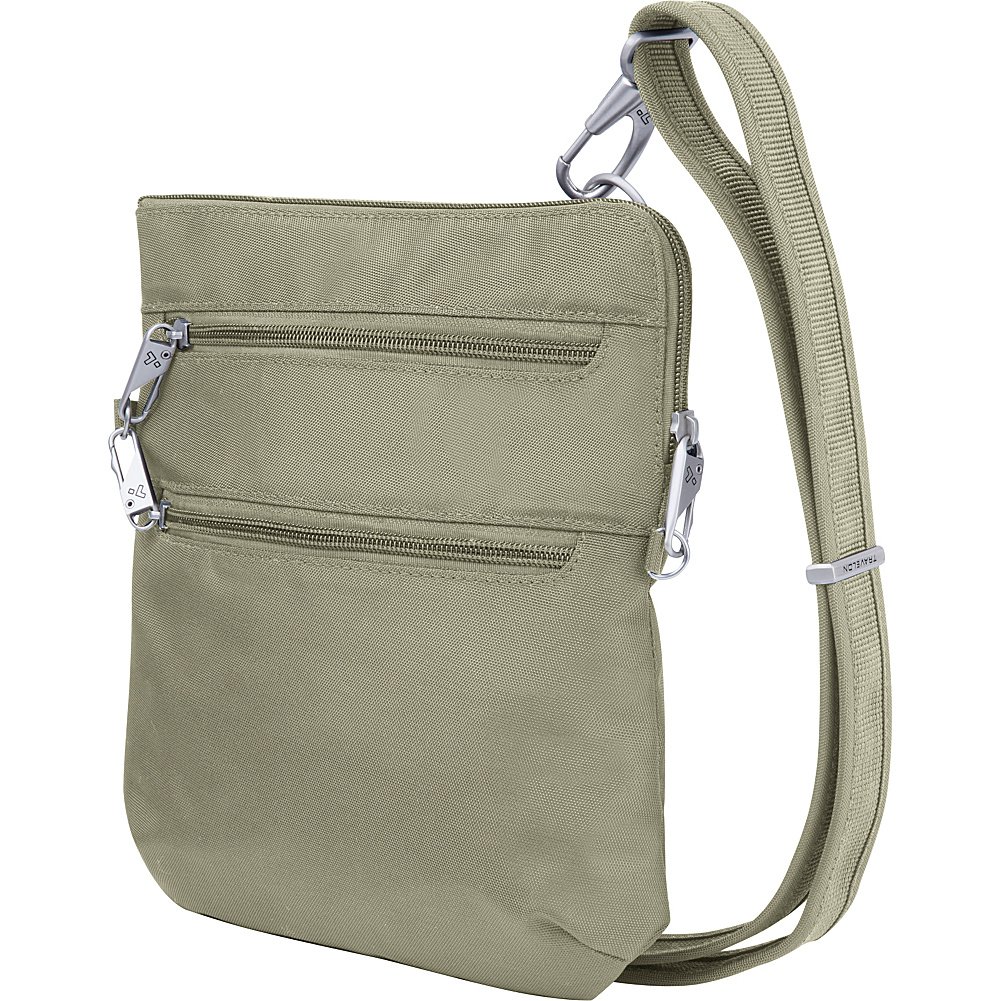
Travelon Anti-Theft Classic Crossbody Bag : Clothing, Shoes & Jewelry
View on Amazon- Hours and Peak Times: Most markets open by sunrise and wind down after lunch. Prepared-food halls peak 11:30 a.m.–2:30 p.m.; salteñas sell out by late morning; anticuchos fire up after dusk around plazas and market edges. Sunday is the country’s unofficial market day, with the largest crowds and richest selection.
- Prices: Expect snacks 5–15 BOB; juices 6–12 BOB; set lunches 15–30 BOB; specialty plates 25–40 BOB. Carry small bills and coins—change (cambio) can be tight early.
- Hygiene and Health: Choose busy stalls with high turnover. Favor foods cooked hot to order; peel fruit or opt for smoothies made with bottled water or milk. At altitude (La Paz, Potosí), eat lightly on arrival and hydrate—coca tea helps some travelers.
- Safety and Savvy: Markets are crowded; keep phones and wallets zipped and in front. Use crossbody bags, avoid flashy jewelry, and agree taxi fares before you ride if not metered.
- Ordering and Etiquette: A warm buenos días goes far. Address vendors respectfully as caserita/caserito. Useful phrases: ¿Cuánto cuesta? (How much is it?); Me da… (Please give me…); Sin ají, por favor (No chili, please); Para llevar o para comer aquí? (To go or eat here?). For produce, modest bargaining is normal when buying in quantity; prepared-food prices are typically fixed. Don’t haggle over a bowl of soup—ask the price first and pay with a thank-you. In Andean markets, always ask before photographing people; some prefer not to be photographed or may request a small tip.
- Getting There: In La Paz, Mercado Lanza and Rodríguez sit in the historic center and are easy to reach on foot or via the Mi Teleférico cable cars to the central stations. Sucre’s Mercado Central is three blocks from Plaza 25 de Mayo. Cochabamba’s La Cancha sprawls; take a short taxi from the center and note your entrance. Santa Cruz’s Los Pozos is walkable from the central district; the Abasto is best reached by taxi in the cool early morning. Potosí’s Mercado Central is adjacent to the main square; Uyuni’s market is a flat walk from most guesthouses.
Travelers stretching a boliviano further will find that market dining pairs well with smart lodging choices; see Best Budget Hotels in Bolivia: Affordable Stays in La Paz, Uyuni & Beyond at /experiences/best-budget-hotels-in-bolivia for location-savvy bases steps from the action.
Culture in the Aisles: Traditions, Seasons, and Respect
Bolivia’s markets map a mosaic of Indigenous and mestizo lifeways. Aymara and Quechua farmers descend from highland terraces and valley orchards, selling what the season gives: fresh fava and peaches in the valleys when rains return; oca, isaño, and chuño (freeze-dried potatoes) after frost on the Altiplano; mango, achachairú, and cacao pods in the lowlands from November to March.
The choreography of supply is intimate: many caseritas sell only what their family grows or what arrives weekly from kin. Between stalls, small altars to the Pachamama (Mother Earth) receive tiny libations of alcohol in a ch’alla blessing, especially on market anniversaries and Carnival. November’s Todos Santos fills bakeries and bread aisles with tantawawas, sugar crowns, and table candles; February’s Carnival days brighten counters with sweet fritters and purple chicha.
Markets are also living classrooms of language and custom. Listen for Quechua numerals exchanged over sacks of maize, or Aymara words floating among stalls of chuño and tunta. Sit where the regulars sit; accept the yapa with gratitude; and if unsure, follow the longest line—trust built over time is its own Michelin guide.
For travelers keen to anchor these flavors within a broader cultural context—processions, festivals, and community visits—Authentic Cultural Tours in Bolivia: Indigenous Traditions, Festivals & Community Immersion at /experiences/authentic-cultural-tours-bolivia-indigenous-traditions-festivals-community-immersion offers thoughtful pathways.
When to Go and What to Expect
Bolivia’s market culture is year-round. The dry season (May–October) brings clear skies in the highlands and crisp mornings perfect for hot soups and api; the wet season (November–March) fattens the fruit aisles, especially in Santa Cruz. Holidays bring special breads, candies, and crowds—arrive early those days. Above all, expect to eat with the city, not apart from it. Markets here are not curated attractions; they are the daily stage where a country cooks, chats, and carries on.
Those seeking a gentle landing in La Paz’s altitude and bustle will appreciate the calm contemporary lines of the Atix Hotel, where Andean art and mountain views set a sophisticated tone before or after a foray into Mercado Rodríguez.
The best food markets in Bolivia reward curiosity: a question about a purple tuber becomes a family story; a second spoonful of peanut soup arrives unbidden because you looked like you needed it. Long after flights lift off and the mountains fall away, the memory that lingers is simple and generous—the warmth of a caserita’s smile and the taste of something made by hand, for you, in that exact moment.
Recommended Travel Gear
Lonely Planet Bolivia (Travel Guide): Albiston, Isabel, Grosberg, Michael, Johanson, Mark
Lonely Planet's Boliviais <strong>your passport to the most relevant, up-to-date advice on what to see and skip, and what hidden discoveries await you</strong>. Explore the world's largest s
Travelon Anti-Theft Classic Crossbody Bag : Clothing, Shoes & Jewelry
Finely crafted with superior durability for the way people actually get around in the world. Travelon RFID Blocking Pockets and/or Slots <strong>helps to block the radio frequency in cards and passpor
GRAYL UltraPress 16.9 oz Water Purifier & Filter Bottle for Hiking, Backpacking, Survival, Travel (Olive Drab)
The 16.9 Fl Oz UltraPress Water Filter & Purifier Bottle <strong>removes ALL global waterborne pathogens (virus, bacteria, protozoa).</strong> As dirty water is pressed through the purifier media,