
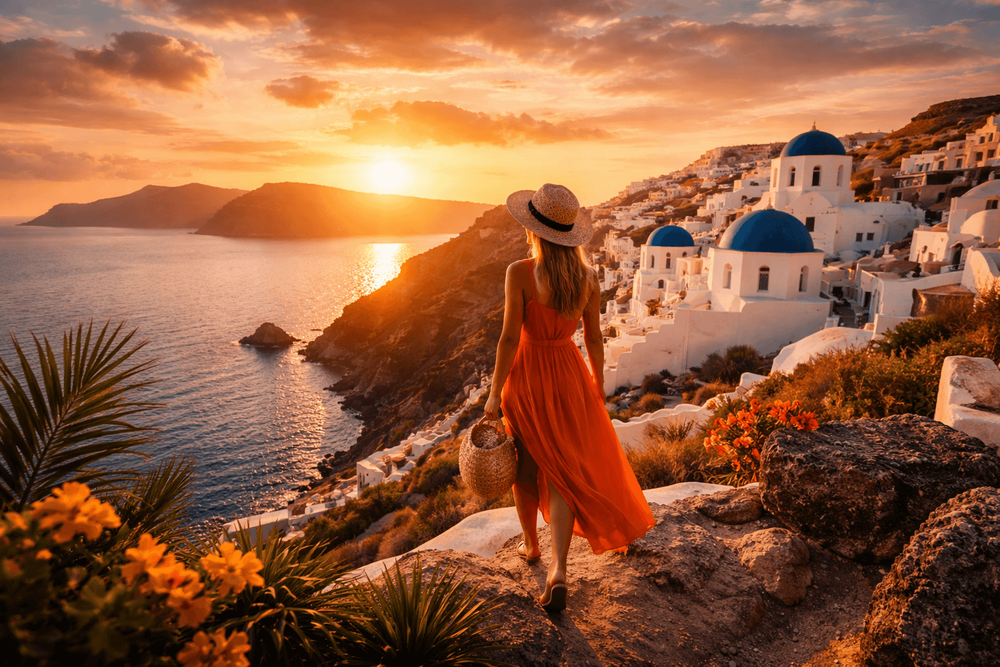
Best Places to Travel in 2026: Curated Picks for Next-Year Adventures
New routes, greener stays, and standout cultural openings: discover the best places to travel in 2026—from luminous islands to creative cities and wild parks.
Mood
Global Highlights
A silver-blue dawn folds over the water as a fisherman steers his panga along a coral shelf, the engine’s hum blending with the hush of trade winds. In the distance, a city’s skyline warms to the color of toasted saffron. The world feels open again—ripe with fresh routes, new cultural spaces, and wild corners calling quietly from the map’s edges. For travelers hunting the best places to travel in 2026, this is the year to chase sunlight, stumble into street galleries, and track wildlife across raw, radiant landscapes.
Why 2026? Travel trends reshaping your next trip
Several converging forces make 2026 a standout year to go further and smarter. Airlines are deploying capacity on long-haul leisure routes, while rail continues its renaissance with expanded night-train networks across Europe and renewed regional lines elsewhere—good news for low-carbon travelers. Major global sporting events, cultural festivals, and museum debuts are drawing energy to host cities, and a maturing generation of boutique hotels and eco-lodges now anchors once-remote regions with design-forward stays.

Where To Go When (DK Eyewitness Travel Guide): DK Travel
DK Eyewitness Travel · Publication date · <strong>January 2, 2079</strong> · Dimensions · 8.66 x 1.06 x 10.31 inches · ISBN-10 · 0863155987 · ISBN-13 · 978-0863155987 · Next slide of product details ·
Check Price on AmazonVariable weather patterns are recalibrating traditional "peak" seasons—shoulder months are increasingly sweet spots for both price and experience, from Patagonia’s crisp fall trekking windows to the Indian Ocean’s glass-clear dives before monsoon shift. Currency movements and cost-of-living gaps continue to shape where your money goes farthest in 2026; value-minded readers can cross-reference our budget roundups for tactical inspiration in tandem with this list.
Health and safety infrastructures have grown more predictable, with streamlined e-visas and digitized border checks in many regions. Sustainability—no longer the afterthought—has become a baseline, with community-led guiding, rewilding projects, and plastic-free pledges moving from marketing to measurable impact. All told, 2026 is set to reward travelers who plan with agility and pick destinations that harmonize culture, nature, and value.
How we picked these destinations (methodology & sources)
This editorial list balances aspiration with practicality, drawing on a matrix of signals:
- Access: anticipated airlift, workable overland routes, and responsible on-the-ground logistics.
- Timing: favorable climate windows and event calendars that can elevate a trip.
- Culture and conservation: new or renewed cultural spaces, protections for natural habitats, and community-driven tourism that benefits residents.
- Value and safety: price-to-experience ratios and reliable safety indicators.
Editors cross-referenced tourism board forecasts, park service updates, cultural institution announcements, and industry data. Safety remains paramount; those mapping complex itineraries will find added context in our expert overview, What Are the Safest Countries to Travel To? (/experiences/what-are-the-safest-countries-to-travel-to-expert-guide).
Beach & island escapes: the best places to travel in 2026 for sun, surf, and new-resort openings
Dominica, Caribbean
Lush and unvarnished, Dominica trades mega-resorts for rainforest canopies, sulfur springs, and volcano-ringed bays alive with parrotfish flash. Travelers can hike the Boiling Lake trail where clouds comb the pitons, then slip into Champagne Reef, a fizzing curtain of geothermal bubbles. Why 2026: a crop of eco-forward boutique stays and polished trail systems make the island’s wild heart more accessible without dulling its edge. Best time: January–April for dry-season clarity; May–June for value and quieter trails.
Astypalea, Greece
Windmills crown the chora and coves glow with water the color of bluebells. Astypalea, a Dodecanese beauty, is quietly becoming a model for island sustainability, with e-mobility, renewable energy projects, and visitor caps that keep beaches blissfully roomy. Why 2026: the greening of the island has matured into a tangible, traveler-facing experience—think silent electric shuttles connecting trailheads and harbors. Best time: May–June or September, when meltemi winds cool afternoons and tavernas hum without the crush.
Zanzibar, Tanzania
Cinnamon and clove ride the air through Stone Town’s labyrinth, where carved Zanzibari doors open to hidden courtyards. On the east coast, Paje and Jambiani unfurl long, powder-fine beaches with steady winds for kitesurfers; north, Nungwi brings sunset dhows and rumpled-velvet evenings. Why 2026: marine conservation zones and reef restorations have improved snorkeling visibility, while a wave of refined guesthouses keeps lodging intimate and locally led. Best time: June–October for dry-season breezes; December offers festive buzz and glassy seas.
The Azores, Portugal
Nine islands scatter like emerald stepping stones across the mid-Atlantic—steaming caldeiras, crater lakes, hydrangea-lined roads. On São Miguel, Sete Cidades’ twin calderas flash green and blue; on Pico, basalt vineyards stitch Mars-like lava fields. Why 2026: thoughtfully managed growth means better trail maintenance, whale-watching standards, and inter-island connectivity, keeping the Azores a beacon for low-impact island-hopping. Best time: May–July for blooms and calmer seas.
Santo Antão, Cape Verde
Here the Atlantic pounds black-sand crescents while terraced valleys climb into mist. Santo Antão is a hiker’s daydream, with levada paths threading tiny hamlets where grogue (sugarcane spirit) warms post-trek conversations. Why 2026: improved ferry schedules and small-scale lodges make multi-day ridge-to-coast rambles easier to stitch together. Best time: November–June for clear skies; trade winds temper the tropic warmth.
City breaks & culture: capital cities and creative scenes to visit
Seoul, South Korea
A kinetic collage of neon alleys, quiet hanok lanes, and gallery-white cubes, Seoul is a city that never sits still. The culinary scene jumps from ssam wraps sizzling on tabletop grills to ferment-forward fine dining; indie designers carve out ateliers in Seongsu, while the art world spans flagship museums and offbeat riverfront installations. Why 2026: new art spaces and design markets keep the creative pulse spiking, and expanded airport connectivity makes quick hops to Jeju or Busan seamless. Best time: late September–November for gingko-gold boulevards and ideal hiking weather.
Mexico City, Mexico
Sun spills over the Palacio de Bellas Artes as vendors stack pyramids of guavas by dawn. Across the capital, curated chaos reigns: courtyard mezcalerías, Bauhaus gems in Condesa, and treasure-box museums from Frida’s Casa Azul to the pre-Hispanic splendor of the Museo Nacional de Antropología. Why 2026: culinary and design momentum shows no sign of slowing, while day trips to Puebla and Cholula add baroque domes and volcano-framed plazas to the mix. Best time: March–May for cool, dry days and jacaranda confetti.
Toronto, Canada
Flecked with murals, markets, and lake light, Toronto reads as several cities in one—Queen West’s galleries, Greektown’s tavernas, Scarborough’s spice-sparked strip malls. The city will hum with global energy throughout 2026, driven by major events and a calendar stuffed with festivals. Why 2026: visitors can pair big-match fanfare with wine-country excursions to Niagara-on-the-Lake or ferry out to the Toronto Islands for skyline picnics. Best time: June–September for patios and lake breezes.
Marseille, France
Sea spray salts the air where the Vieux-Port cradles bobbing masts, and pastis glows in low afternoon light. France’s oldest city is resolutely Mediterranean—rough-edged, generous, alive with street art and Algerian bakeries perfuming mornings with mahjouba. Why 2026: Marseille’s cultural momentum has deep roots now, linking the MuCEM waterfront to indie galleries and music venues, with the Calanques National Park delivering limestone-drama hikes within a short metro-and-bus hop. Best time: April–June and September–October for swimmer-friendly coves and manageable heat.
Nairobi, Kenya
A city of jacaranda shade and tech buzz, Nairobi surprises with serious creative heft—Ngong Road galleries, fashion incubators in industrial quarters, and a dining scene that spins from nyama choma smokehouses to inventive, terroir-driven tasting menus. Wildlife brushes the city’s edge: giraffe silhouettes move like punctuation marks across golden grass in Nairobi National Park. Why 2026: conservation-forward urban safaris and a new generation of Kenyan artists center Nairobi as a true cultural capital. Best time: July–October for cool, clear days; January–February for green-season glow.
Nature, wildlife & adventure: national parks and remote regions
Chilean Patagonia: Route of Parks
The air is cold as quartz; guanacos flick their ears in the wind. Patagonia’s Route of Parks stitches together 17 protected areas across 1,700 miles, from the temperate rainforests of Pumalín to granite spires in Torres del Paine. Kayak past icebergs, track puma with expert naturalists, and warm up over king-crab stews. Why 2026: upgraded trails and small ecolodges in Aysén expand options beyond the classic W Trek, dispersing visitors and deepening the wilderness feel. Best time: November–March; April brings startling autumn color.
Namibia: Etosha, Damaraland, and the Skeleton Coast
Light here feels primordial—bleached pans, rust-red inselbergs, fog that rolls in like gauze from a cold Atlantic. Etosha’s waterholes brim at dusk with elephants, black rhinos, and ghostly herds of oryx. In Damaraland, desert-adapted lions prowl, while the Skeleton Coast charms with shipwrecks and lunar dunes. Why 2026: conservation travel continues to mature, with lodges and guides deeply embedded in community projects. Best time: June–October for game-viewing clarity.
Borneo (Sabah), Malaysia
Rainforest breath reminds travelers the world is alive: cicadas thrum, hornbills clatter, and orangutans move like flame through canopy. Dive boats fan out from Semporna toward Sipadan’s walls, where barracuda tornadoes and green turtles drift like planets. Why 2026: improved road links and park protections make it easier to combine Kinabatangan River wildlife cruises with world-class coral. Best time: March–October for diving; April–July for drier trekking.
Tasmania, Australia
Briny winds and eucalyptus oils scent the air as walkers trace the Three Capes Track above swells combing dolerite cliffs. Hobart’s galleries sharpen the cultural edge, while farm-to-fjord restaurants lean into cool-climate wines and briny oysters. Why 2026: trail stewardship and a refined eco-lodge scene let travelers balance wilderness with quietly luxurious overnights. Best time: December–March; April–May brings truffle hunts and autumn light.
Finnish Lapland
Snow squeaks under boot soles at -10°C, and the sky opens into curtains of lime and violet. While the solar peak crested in 2025, auroral activity remains rich—2026 offers strong odds of winter-night shows paired with saunas that steam into star-pricked silence. Why 2026: light-touch cabins, Sami-led experiences, and improved rail from Helsinki shape an easy, ethical Arctic escape. Best time: December–March for aurora; late August–September for berrying and autumn gold.
Off-the-beaten-path picks & emerging hotspots for 2026
Albania’s Riviera and Stone Cities
White-pebble coves curve under goat paths along the Ionian, while Ottoman-era hill towns—Gjirokastër, Berat—glow honey-stone at dusk. Family-run inns, slow seafood, and road-trippers’ freedom define the rhythm here. Why 2026: improved coastal roads and protected zones keep the vibe unspoiled, with prices that remain kind. Best time: May–June and September for warm swims and clear roads.
Uzbekistan’s Silk Road Arc
Blue-tiled madrassas in Samarkand catch the sun like cut gems; Bukhara’s trading domes whisper of caravans; Khiva rises at sunset—mud-brick turned ember. Why 2026: visa reforms and upgraded rail corridors make multi-city loops swift and comfortable, bringing Central Asia’s storied aesthetic within easy reach. Best time: April–May and September–October for temperate days.
Svaneti, Georgia
Watchtowers pierce alpine meadows where snowmelt braids into silver ribbons. In Mestia and Ushguli, homestays serve khachapuri still crackling from the oven as hikers head for glacier-fed lakes. Why 2026: trail signage and guesthouse networks have matured, while the region retains its frontier hush. Best time: June–September for high-country paths.
Musandam Peninsula, Oman
Fjords slice into ochre mountains; dhows drift through mirror-still khors as dolphins arc in slow motion. Base in Khasab for sea-kayaking and mountain switchbacks that end at cliff-perched villages. Why 2026: improved small-boat operations and light-touch camps offer access without spectacle. Best time: October–April for cooler, azure-bright days.
Kyrgyzstan’s Issyk-Kul and Jyrgalan
Eagle calls carry over high pasture as felt yurts warm with kumis and tea. Around Issyk-Kul’s sapphire ring, treks dip into fir forests and fan out to red-canyon moonscapes; in Jyrgalan, community guides lead ridge hikes and backcountry rides. Why 2026: visa-free entry for many nationalities and grassroots trekking infrastructure put the Tien Shan’s mythic ranges within reach. Best time: June–September.
Practical planning for 2026: booking windows, visas, budgets, and health tips
- Booking windows: for long-haul international, 3–8 months ahead hits the sweet spot; stretch to 9–12 months for peak seasons and major events. Shoulder seasons often yield both softer prices and better conditions.
- Visas and entry: many destinations now run streamlined e-visas; some regions are rolling out pre-travel authorization systems that may affect 2026 entry. Always check official sites, print confirmations, and keep digital backups. For Europe-bound travelers, monitor changes to pre-travel authorization processes expected by 2026.
- Budgets: watch currency trends and anchor big-ticket items (flights, remote lodges) early. For stretch-it-further inspiration, see Cheapest Countries to Visit in 2026 (/experiences/cheapest-countries-to-visit-2026).
- Safety: research local norms, registered guides, and current advisories. Our expert overview on safer travel contexts is a helpful starting point: What Are the Safest Countries to Travel To? (/experiences/what-are-the-safest-countries-to-travel-to-expert-guide).
- Health: confirm routine vaccines; for wilderness trips, consider altitude readiness, bite prevention, and a compact first-aid kit. Insure against medical evacuation for remote zones. Respect heat waves and wildfire seasons—build weather buffers into itineraries.
- Sustainability: choose community-led tours, refillable bottles, reef-safe sunscreen, and rail or ferry where feasible. Many of the best places to travel in 2026 are managing growth thoughtfully—travelers can amplify that by spending with local, low-impact operators.
- Trip style: planning a longer, route-based adventure? The Best Backpacking Destinations for 2026: Routes, Budgets & Tips (/experiences/best-backpacking-destinations-2026-routes-budgets-tips) pairs well with this guide.

EPICKA Universal Travel Adapter, European Travel Plug Adapter (Not a Voltage Converter) - International Power Adapter Worldwide Charger with USB-C & 4 USB-A Ports, Travel Essentials (TA-105, Grey)
View on AmazonNext steps: sample 5–7 day itineraries and resources to book
Use these bite-size blueprints as scaffolding—expand or contract based on time and interests.
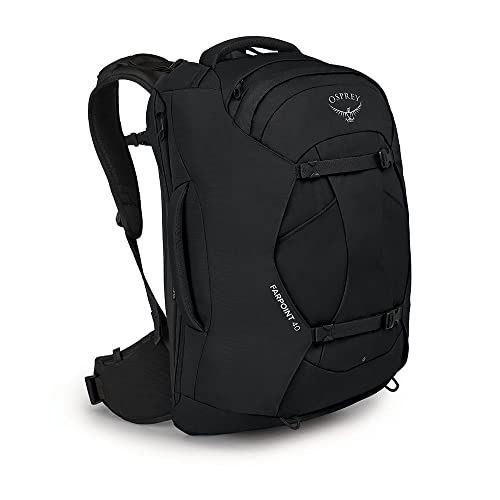
Osprey Farpoint 40L Men's Travel Backpack, Black
Internal organization has been ... whole kit along or slimming down for excursions. The Farpoint 40 is <strong>sized to meet most domestic carry-on requirements</strong>, making it the perfect one-pac
Check Price on Amazon6 days: Mexico City + Puebla
- Day 1: Condesa and Roma Norte on foot—cafés, galleries, and a dusk cocktail on a leafy terraza.
- Day 2: Museo Nacional de Antropología, Chapultepec Park, and dinner in Polanco.
- Day 3: Frida Kahlo’s Casa Azul and Xochimilco trajinera canals; late-night tacos al pastor.
- Day 4: Bus to Puebla; talavera workshops and mole tasting under volcano views.
- Day 5: Cholula’s Great Pyramid and church-topped hill; evening return to CDMX for mezcal and jazz.
- Day 6: Markets spree (La Ciudadela or San Juan) and a modern-Mexican lunch before departure.
7 days: Dominica’s rainforest and reef
- Day 1: Roseau hot springs soak; market stroll for breadfruit chips and cocoa sticks.
- Day 2: Boiling Lake trek; recovery dip in Titou Gorge.
- Day 3: Champagne Reef snorkel, then Scotts Head marine reserve at golden hour.
- Day 4: Waitukubuli National Trail segment; farm-to-table dinner in the hills.
- Day 5: Kalinago Territory cultural visit; cassava bread and basketry workshops.
- Day 6: Whale-watching and west-coast beach time; sunset rum punch.
- Day 7: Waterfall circuit—Middleham, Trafalgar—before a final sulfur-spring float.
5 days: Toronto with a lakefront detour
- Day 1: Queen West galleries, Kensington Market bites, and a CN Tower twilight sweep.
- Day 2: Distillery District design crawl; ferry to the Islands for skyline picnics.
- Day 3: Art Gallery of Ontario, Chinatown dim sum, and a brewery hop in the Junction.
- Day 4: Day trip to Niagara-on-the-Lake for cool-climate wines and bikeable vineyard roads.
- Day 5: St. Lawrence Market breakfast and waterfront cycle before departure.
6 days: Svaneti, Georgia trek-light
- Day 1: Fly to Kutaisi or Tbilisi; overland to Mestia; khachapuri feast.
- Day 2: Mestia museums and a warm-up hike to Chalaadi Glacier.
- Day 3: Mestia to Adishi village; stone towers and star-salted skies.
- Day 4: Adishi to Iprali via the river crossing; picnic with Caucasus panoramas.
- Day 5: Iprali to Ushguli; explore UNESCO-listed hamlets; return to Mestia.
- Day 6: Optional ridge hike or paragliding; evening toast with tarragon lemonade and chacha.
7 days: Namibia’s Etosha and Damaraland
- Day 1: Windhoek arrival; stock supplies, meet guide.
- Day 2: Drive to Etosha; dusk at a floodlit waterhole—elephants in silhouette.
- Day 3: Dawn and dusk game drives; midday pool siesta.
- Day 4: Etosha to Damaraland; desert elephants and Twyfelfontein rock art.
- Day 5: Spitzkoppe sunset; camp under a bowl of stars.
- Day 6: Skeleton Coast day trip; shipwreck fog and surf.
- Day 7: Return to Windhoek; market crafts and a final braai.
For travelers still narrowing down their perfect match—tropical, urban, or untamed—start with our quiz-driven primer, Where Should I Travel Next? A Curated Guide to Finding Your Perfect Trip (/experiences/where-should-i-travel-next-curated-guide). And if value per day is your north star as you plot the best places to travel in 2026, dip into Cheapest Countries to Visit in 2026 (/experiences/cheapest-countries-to-visit-2026) before you lock flights.
As 2026 approaches, the travel map looks like a freshly inked atlas—bright with possibility and purpose. The coastline reveals new coves; cities hum with slower, deeper stories; wild spaces feel both fragile and infinite under the right pair of boots. Pick a corner, pick a season, and go long on curiosity—the world is ready to meet you halfway.
Recommended Travel Gear
Where To Go When (DK Eyewitness Travel Guide): DK Travel
DK Eyewitness Travel · Publication date · <strong>January 2, 2079</strong> · Dimensions · 8.66 x 1.06 x 10.31 inches · ISBN-10 · 0863155987 · ISBN-13 · 978-0863155987 · Next slide of product details ·
EPICKA Universal Travel Adapter, European Travel Plug Adapter (Not a Voltage Converter) - International Power Adapter Worldwide Charger with USB-C & 4 USB-A Ports, Travel Essentials (TA-105, Grey)
Amazon.com : EPICKA Universal Travel Adapter, European Travel Plug Adapter (Not a Voltage Converter) - <strong>International Power Adapter Worldwide Charger with USB-C & 4 USB-A Ports, Travel Esse
Osprey Farpoint 40L Men's Travel Backpack, Black
Internal organization has been ... whole kit along or slimming down for excursions. The Farpoint 40 is <strong>sized to meet most domestic carry-on requirements</strong>, making it the perfect one-pac