
Taste the Seasons: Nepal’s Best Seasonal Dishes and Where to Try Them
From nettles in spring to jhol momo in winter, this seasonal guide maps Nepal’s dishes to harvests and festivals—and where to taste them at their peak.
Mood
Culinary Journey
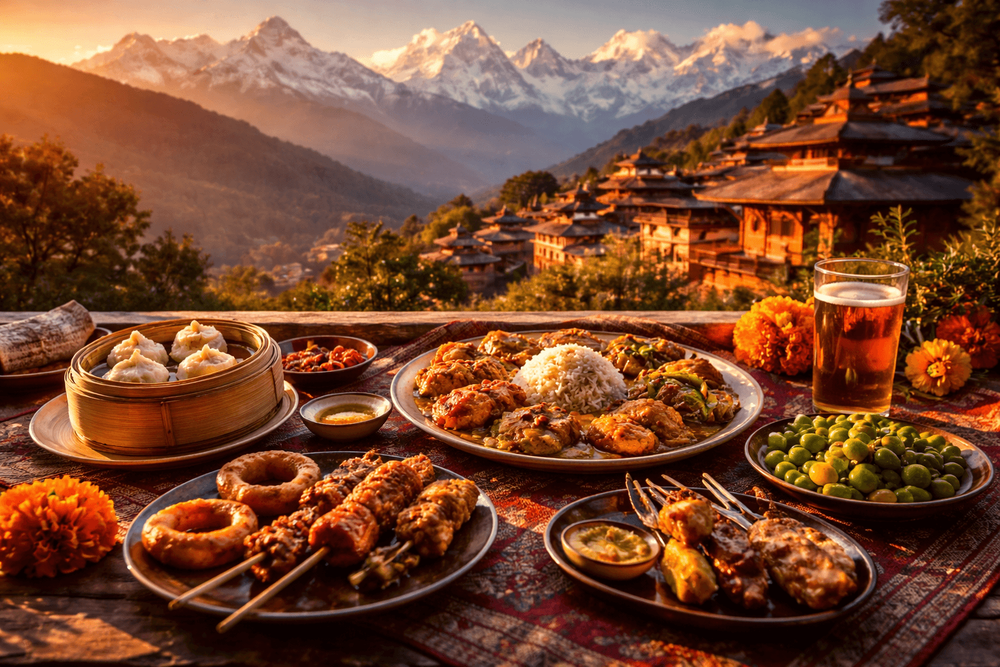
On a late-autumn afternoon in Bhaktapur, brass bowls gleam on a low wooden table as steam curls from a clay pot of goat curry. The air carries the warmth of cardamom and wood smoke, and from a nearby courtyard comes the sweet, nutty perfume of sel roti being coaxed into its perfect golden ring. This is Nepal in season—when harvests, festivals, and the mountains’ changing moods conspire to create a calendar of flavors. For travelers seeking the best seasonal dishes in Nepal, timing a journey to the rhythm of the fields and the festivals reveals a country at its most generous.
A Year on the Plate: The Best Seasonal Dishes in Nepal
Nepal’s cuisine is intimately tied to its agricultural cycles and altitudes. Spring brings shoots and greens; monsoon unlocks mushrooms, bamboo, and corn; autumn is for rice, goat, and apples; winter leans on preserved meats, hearty grains, and citrus. The result is a living, edible almanac—one that rewards curiosity and careful planning.
Spring (March–May): New Shoots, Soft Cheeses, First Warm Days
As the hillsides shrug off winter, markets brim with early greens and foraged treasures. The season’s stars are delicate yet vivid in flavor:
Sisnu ko jhol (nettle soup): Young nettles—deep green and lightly nutty—are blanched to tame their sting, then simmered with garlic, ghee, and a prickle of timur (Nepal’s citrusy Sichuan pepper). The broth tastes like the forest waking up. Find it in hill villages and homestays; in Kathmandu Valley, look for seasonal menus at small, family-run eateries or request it ahead at traditional Newari kitchens.
Neuro ko tarkari (fiddlehead fern): Curled, emerald fronds are quickly stir-fried with shallots, turmeric, and a tempering of cumin. Crisp-tender and faintly grassy, they pair beautifully with steamed rice and a spoon of achar.
Guchi chyau (morels): In higher elevations, foragers bring wrinkled morels to market after spring thaws. Sautéed with butter or slow-cooked in a creamy curry, they’re a prized, fleeting delicacy—best enjoyed at lodges in Langtang and Helambu or in Kathmandu restaurants that source directly from foragers.
Juju dhau, the “king of curd”: Though available year-round, spring’s abundance of milk makes Bhaktapur’s famed, clay-pot yogurt particularly silken. Slightly sweet and perfumed with cardamom, it’s a cooling counterpoint to spicy mains.
Why spring? Warmer days coax out nettles and ferns; snowmelt ushers in morels. Dairies hit their stride, and cooks lighten plates after winter’s heft.
Monsoon (June–September): Corn Fires, Bamboo Snap, Mushroom Rains
Monsoon saturates Nepal with color and scent—wet earth, charcoal, crushed leaves. The larder changes accordingly, favoring ingredients that thrive in rain or preserve the season’s bounty:

Windproof Travel Umbrella - Compact & Withstands Winds up to 85MPH, Strongest Premium Auto Folding Umbrella for Rain and Sun - Durable, Light & Portable for Women & Men, Fits Backpack & Cars : Clothing, Shoes & Jewelry
View on AmazonBhutta (roasted corn): Ears blistered over brazier flames, brushed with lime, salt, and chili—monsoon’s quintessential street snack. Follow the scent along Kathmandu’s lanes and lakeside Pokhara.
Aloo tama (potato with bamboo shoots) and aloo bodi tama (with black-eyed peas): Tender potatoes and tart bamboo shoot harmonize with fenugreek and turmeric. Fresh tama appears early in the monsoon; much of it is also preserved, lending a lemony tang through the year.
Chyau (wild mushrooms): Oyster, puffball, and other varieties burst after the rains. Sautéed with garlic and jimbu (a fragrant Himalayan herb) or simmered into curries, they’re best savored in hill towns and mountain teahouses where foragers sell directly.
Kwati (nine-bean sprouted stew): Prepared for Janai Purnima in August, this protein-rich soup of sprouted legumes is spiced, hearty, and restorative—ancestral monsoon medicine that warms from the inside out.
Dahi chiura (yogurt with beaten rice): On National Paddy Day (Asar 15), farmers pause mid-planting to eat cooling curd with flattened rice and seasonal fruits. Many homestays and rural eateries celebrate with the same simple, satisfying bowl.
Tharu river flavors: In the Terai’s rain-fed wetlands, Tharu kitchens serve ghonghi (snail) curry, freshwater fish stews, and banana-stem sabzi, seasoned with mustard oil and green chilies. The dishes are lean, bright, and alive with the monsoon’s vegetal snap.
Why monsoon? Rain feeds corn, mushrooms, and bamboo; festivals call for nourishing, sprouted foods; and in the high pastures, yaks and chauris yield lush milk for fresh chhurpi and butter teas.
Autumn (October–November): Rice, Goat, Apples, Light Like Honey
Harvest clears the terraces, and the country inhales. Skies sharpen to sapphire; kitchens ring with celebration.
Khasi ko masu (goat curry): Tender, spice-laced goat is the emblem of Dashain. Typically cooked in a masala chorus of black cardamom, bay, cumin, and coriander, it’s festive without heaviness—its depth best appreciated with steamed rice, tarkari, and a spoon of pickled radish.
Sel roti: During Tihar’s luminous nights, home cooks coax rice-flour batter into perfect rings, frying them until crisp-edged and soft at the center. Fresh sel roti is faintly sweet, perfumed with ghee and clove, and irresistible still warm from the wok.
Samay baji (Newari feast plate): A celebratory spread—beaten rice, spiced black soybeans, pickles, egg, and barbecued buffalo or mushroom—eaten in courtyards across the Kathmandu Valley during autumn festivals.
Himalayan fruit: Marpha’s apples arrive—snappy, fragrant, destined for pies, cidery brandies, and sun-dried rings. In Mustang and Manang, sea buckthorn glows amber-orange; juice stands pour tart, vitamin-rich glasses that taste like alpine sunrise.
Gundruk time: After harvesting mustard and radish, villagers shred and ferment the leaves into gundruk, later dried. In autumn it appears as gundruk sadheko (a tangy, chili-flecked salad), while stores will simmer through winter in warming broths.
Why autumn? It’s rice-harvest season, festival season, apple season—the celebratory heartbeat of the Nepali year when the best seasonal dishes in Nepal take center stage.
Winter (December–February): Fire-Side Heirlooms, Citrus Brightness, Slow Comforts
The mountains pull close. Kitchens lean on preserved meats, hardy grains, and citrus.
Thukpa and thenthuk: Clear, gingery broths threaded with noodles and greens, sometimes yak or mutton. Himalayan teahouses perfume the air with their steam—simple, fortifying, perfect after a trek.
Momo with jhol: Dumplings swim in warm, tangy tomato-sesame broth, a Kathmandu winter staple. Soft-skinned momo meet peppery, garlicky heat in a bowl that chases numb fingers away.
Dhindo (millet or buckwheat porridge): Scooped by hand and dipped into gravies—mushroom, mutton, or gundruk jhol—this is mountain comfort food, nutty and satisfying.
Sanya khuna (Newari pork aspic): A jewel of the cold season—spiced pork broth set into a savory jelly, served with beaten rice and achar. It’s winter’s alchemy, turning collagen and spice into delicacy.
Sukuti (dried meat): Goat or buffalo strips, sun-dried in the crisp winter air, later flash-fried and tossed with onions, chilies, and a squeeze of lime as sukuti sadheko. Smoky, chewy, addictive.
Maghe Sankranti sweets and roots: Ghyu-chaku laddu (sesame and molasses confections), boiled tarul (yam) and sweet potatoes, citrus galore—especially bhogate, the pomelo transformed into a bright, peppery salad with timur and chili oil.
Why winter? Dry air is ideal for curing meats; cold favors fatty cuts and hearty grains. Citrus peaks, cutting through richness with sunshine in every segment.
Where You Eat Shapes What You Eat: Regional Variations
Kathmandu Valley: The Newar heartland layers centuries of ritual onto the plate. Expect elaborate festival spreads (samay baji), street-side momo steamers, yomari—leaf-shaped rice-dough dumplings filled with dark cane sugar and sesame—appearing in late autumn into winter during Yomari Punhi. Valley cooks use beaten rice, black soybeans, and sesame with finesse; winter brings jhol momo and the warming jolt of timur.
The Terai Plains: Closer to the Ganges basin, flavors tilt toward mustard oil, fresh river fish, and vegetables fried to crackling crispness (taruwa). Monsoon enables ghonghi and catfish curries; winter ushers in sugarcane and rice-flour delicacies like bhakka, a steamed, cloud-soft cake best eaten with jaggery and mustard oil. In Janakpur and the Mithila belt, sikarni—cardamom-scented sweet yogurt—often graces festive tables.
Himalayan Villages: Altitude alters appetite. Buckwheat and millet replace rice; jimbu seasons soups; yaks provide milk for butter tea and chhurpi. In Mustang, autumn means apples and sea buckthorn; winter brings thukpa and thenthuk around iron stoves, with tongba (hot millet beer) warming the hands.
Festivals That Flavor the Calendar
Nepal’s festival calendar is a menu planner in disguise. Dashain centers the goat—khasi ko masu simmered for days, shared across generations. Tihar’s courtyards glow with diyas and the scent of sel roti. Janai Purnima demands kwati, a sprouted tonic in the very heart of monsoon. Maghe Sankranti brightens the cold with sesame sweets and root vegetables, while Yomari Punhi, on a winter’s full moon, steams sweet yomari in Newar homes. To align a trip with these culinary high notes, consult the season-by-season insights in Best Time to Explore Nepal: Season-by-Season Guide for Treks, Culture & Wildlife (/experiences/best-time-to-explore-nepal) and the celebratory details in Festival Trail Nepal: How to Experience Nepal’s Rich Cultural Celebrations (/experiences/festival-trail-nepal-cultural-festivals).
Authentic Places and Experiences to Taste the Seasons
Markets at first light: Ason Bazaar in Kathmandu is a dawn theater of baskets and voices. In spring, watch fiddleheads and nettles trade hands; in winter, towers of pomelo and mandarins brighten the alleys. Bhaktapur’s morning dairies serve clay-cup juju dhau still warm.
Street-side monsoon: When the first rains fall, follow the charcoal scent to bhutta vendors near city squares and lakesides. For a primer on navigating stalls and ordering like a local, see Taste Nepal: Must-Try Street Foods, Where to Find Them and How to Eat Like a Local (/experiences/taste-nepal-best-street-food-where-to-find-how-to-eat-like-a-local).
Newari kitchens: Kirtipur, Patan, and Bhaktapur harbor family kitchens (bhansa ghar) that, by reservation, serve seasonal Newari feasts—sanya khuna in winter, samay baji and yomari around festivals.
Orchard country: In Mustang’s Marpha, autumn piles apples into crates outside timbered homes. Sip apple brandy in a sunlit courtyard or eat a slice of still-warm pie as mule bells echo down stone lanes.
Riverine Terai: In Chitwan and Bardiya, Tharu homestays introduce ghonghi, fish curries, and banana-stem sabzi, with hosts explaining foraging ethics and preparation.
Trails and teahouses: On the Annapurna Circuit or Langtang trails, request jimbu-tempered lentils, mushroom curries in monsoon, and thukpa or dhindo in winter. Teahouses know the land’s rhythms; trust their seasonal suggestions.
For travelers who prefer an expert to lead the way—and time tastings to harvests and festivals—consider Gourmet Food Tours in Nepal: Taste, Learn, and Shop Your Way Through Kathmandu & Beyond (/experiences/gourmet-food-tours-nepal-kathmandu-beyond).
Stays That Serve the Seasons
The Dwarika’s Hotel (booking-url) in Kathmandu sets seasonal Nepali thalis in a courtyard scented with incense and cypress. The heritage detailing is exquisite, and the kitchen’s relationships with Valley farmers mean fiddleheads in spring, jhol momo in winter, and festival sweets when the calendar calls.
Heritage Hotel Marpha (booking-url) places travelers among terraced orchards in Mustang, with apple blossoms in spring and harvest feasts in autumn. Ask for a tasting of house-made brandies and a kitchen visit to see gundruk drying on sunny ledges.
Meghauli Serai, A Taj Safari (booking-url) borders Chitwan National Park and partners with nearby Tharu communities. Evenings might feature a seasonal Tharu spread—banana-stem stir-fries, river fish, and mustard-greens saag—served under a sky mottled with starlight.
How It Tastes: Flavor Profiles, Preparations, and Sourcing Notes
Timur and mustard oil: Timur delivers citrus-spark and tongue-tingle to salads and pickles; mustard oil underpins Terai cooking with peppery depth. Expect brightness and bite, not just heat.
Ferments with purpose: Gundruk (fermented mustard/radish leaves) and sinki (fermented radish taproot) were born of necessity and cold. Their lactic tang lifts winter broths and autumn salads.
Smoke and sun: Sukuti’s campfire smokiness, sun-dried apples from Mustang, bamboo shoots dried for the lean months—preservation seasons the plate as surely as spice.
Grains with character: Buckwheat (fapar) and millet (kodo) thrive at altitude, lending earthiness to dhindo and rotis. Rice dominates the valleys and the festival table.
Foraged with care: Nettles, fiddleheads, and mushrooms are gathered close to villages. Choose eateries that buy from local foragers; in the case of mushrooms, stick with trusted kitchens—guides and teahouses know what’s safe and in season. Avoid any purveyor offering wild meats; support the conservation ethos that keeps Nepal’s ecosystems intact.
Dairy on the move: In summer high pastures, fresh yak and chauri milk becomes chhurpi (soft in-season, hard when dried). In the Valley, water-buffalo milk turns into lush curds and festival sweets.
The best seasonal dishes in Nepal have a clear sense of place: jimbu’s alpine whisper in a lentil, timur’s mountain-citrus in a pomelo salad, the sour-sunshine of gundruk in a village broth.
Practical Tips for Seasonal Eating in Nepal
- Timing: If food is a priority, plan your trip around harvests and festivals. Autumn promises Dashain/Tihar feasts and apples; monsoon is for corn, bamboo, and kwati; winter for momo in jhol and citrus; spring for nettles and fiddleheads. Calendars shift annually—check festival dates and climate notes in Best Time to Explore Nepal: Season-by-Season Guide for Treks, Culture & Wildlife (/experiences/best-time-to-explore-nepal).

GRAYL UltraPress 16.9 oz Water Purifier & Filter Bottle for Hiking, Backpacking, Survival, Travel (Olive Drab)
The 16.9 Fl Oz UltraPress Water Filter & Purifier Bottle <strong>removes ALL global waterborne pathogens (virus, bacteria, protozoa).</strong> As dirty water is pressed through the purifier media,
Check Price on Amazon
Lonely Planet Nepali Phrasebook & Dictionary 6: O'Rourke, Mary-Jo, Man Shrestha, Bimal, Pradhan, Krishna
Lonely Planet NepaliPhrasebook & Dictionary is <strong>your passport to the most relevant Nepali phrases and vocabulary for all your travel needs</strong>. Know how to organise your mountaineering
Check Price on AmazonWhere to go: For festivals and Newari specialties, base in Kathmandu Valley; for apples and alpine ingredients, head to Mustang and Manang; for Tharu monsoon flavors, choose Chitwan or Bardiya.
Dietary notes: Nepal is welcoming to vegetarians—dal bhat, saag, mushroom curries, aloo tama, and kwati offer abundance. Vegans should specify “no ghee, no yogurt”; mustard oil is common and dairy sometimes added by default. Sesame is frequent in chutneys; if sensitive, mention it. Monosodium glutamate (ajinomoto) may appear in some momo joints—ask if preferred.
Food safety: Favor busy stalls with high turnover. Eat fruits you can peel; avoid raw salads unless you trust the water source. In monsoon, be extra cautious with street juices and untreated water. Follow your nose—fresh oil shouldn’t smell burnt, and clean pans shine.
Respect seasonality: Ordering bamboo shoot curry in peak monsoon or apples in autumn is easy; demanding them off-season is not. Embrace the day’s harvest. It tastes better, and it supports smallholder farmers and foragers.
Learn through doing: A guided tasting or cooking class can unlock markets and home kitchens that independent travelers might miss. Consider Gourmet Food Tours in Nepal: Taste, Learn, and Shop Your Way Through Kathmandu & Beyond (/experiences/gourmet-food-tours-nepal-kathmandu-beyond) and, if your trip overlaps with major holidays, the insights in Festival Trail Nepal: How to Experience Nepal’s Rich Cultural Celebrations (/experiences/festival-trail-nepal-cultural-festivals).
The Image to Carry Home
Maybe it’s the soft crackle of a sel roti breaking, still warm, on a Tihar night. Or a bowl of thukpa steaming in a teahouse as snow tucks the ridge in white. Or the way a market glows at dawn with fiddleheads, pomelos, and a thousand shades of gundruk. Follow the seasons and Nepal reveals itself—one bowl, one harvest, one festival at a time—the surest way to taste a country that cooks with its calendar.
Recommended Travel Gear
Lonely Planet Nepali Phrasebook & Dictionary 6: O'Rourke, Mary-Jo, Man Shrestha, Bimal, Pradhan, Krishna
Lonely Planet NepaliPhrasebook & Dictionary is <strong>your passport to the most relevant Nepali phrases and vocabulary for all your travel needs</strong>. Know how to organise your mountaineering
GRAYL UltraPress 16.9 oz Water Purifier & Filter Bottle for Hiking, Backpacking, Survival, Travel (Olive Drab)
The 16.9 Fl Oz UltraPress Water Filter & Purifier Bottle <strong>removes ALL global waterborne pathogens (virus, bacteria, protozoa).</strong> As dirty water is pressed through the purifier media,
Windproof Travel Umbrella - Compact & Withstands Winds up to 85MPH, Strongest Premium Auto Folding Umbrella for Rain and Sun - Durable, Light & Portable for Women & Men, Fits Backpack & Cars : Clothing, Shoes & Jewelry
AWARD-WINNING WINDPROOF DESIGN: <strong>Engineered to outperform ordinary umbrellas, this compact folding umbrella withstands extreme conditions with reinforced fiberglass ribs, a vented canopy, and s