
Best Surfing Destinations: Where to Catch Your Next Wave
From Hawaii to Portugal and Indonesia, this definitive surf travel guide maps seasons, skill levels, hidden gems, and stays for your next perfect wave.
Mood
Wave-Chasing Escape
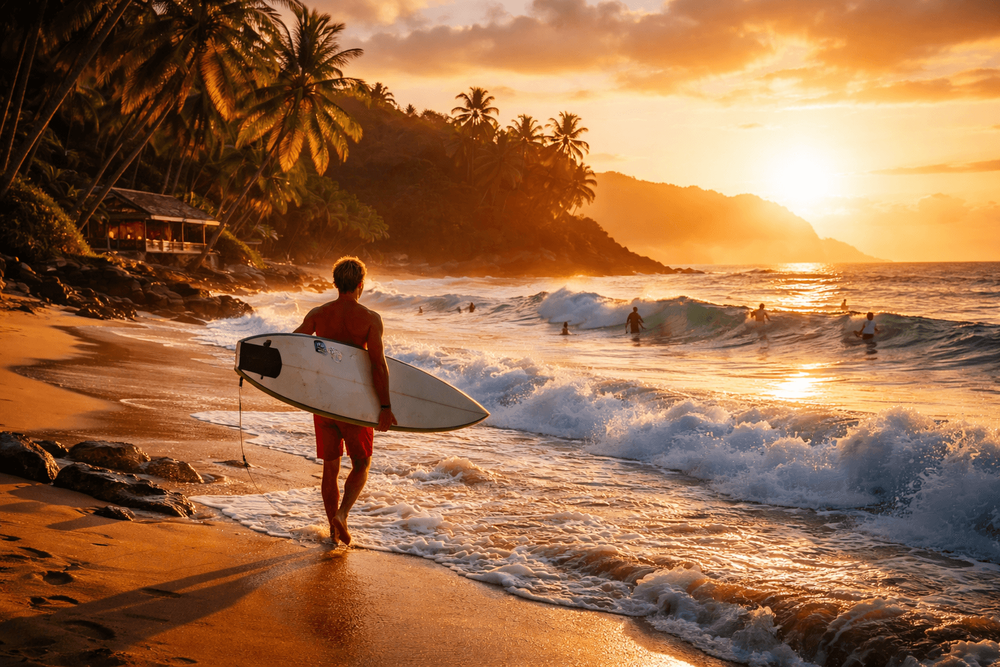
Travelers wake before dawn, tracing wax across a cool board as the horizon blushes pink. Trade winds sift through palms, a line of swell darkens, and somewhere beyond the reef a set begins to lift and feather. The best surfing destinations are not just a grid of pins on a map; they are cultures shaped by tide and wind, cafés where sandy feet are welcome, and coastlines that offer the rare alchemy of wave, weather, and a way of life.
The Best Surfing Destinations Matter: Waves, Culture, and Travel Style
A wave is a moving geography—formed by far‑off storms, sculpted by seabeds, translated to shoreline by wind. The best surfing destinations marry this physics with a sense of place. In Hawaii, surfing is an ancestral practice woven into story and ceremony. In Portugal, fishing towns have become surf sanctuaries, yet still smell of sea salt and grilled sardines. Indonesia’s island arcs are a roving classroom in reef etiquette and boat life. Choosing where to go is as much about skill and swell windows as it is about food, community, and how you want to feel when you step off the plane.
There is a destination for every style: soft‑peeling beaches for first green waves; cobblestone points where intermediates can iron out their rail work; and heavy reefs for experts who wake with tidal charts in their heads. The key is timing—swell direction, prevailing winds, and local bathymetry—and a willingness to sync your travel rhythm with the sea’s.
How to Choose a Surf Destination: Skill, Swell, Wind, and Seasons
Selecting a surf trip begins with honest self‑assessment and a glance at the atlas.
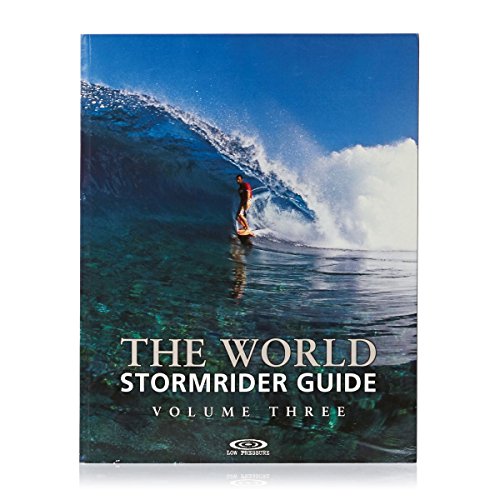
The World Stormrider Guide: Volume One: Sutherland, Bruce
The stars of The Stormrider Guides are the waves themselves...all we do is try to present them in a clear and consistent fashion. One surfer's 5 star wave is another surfer's nightmare. The
Check Price on AmazonSkill level and wave type:
- Beginners should target sand‑bottom beach breaks and mellow points with forgiving shoulders (think Weligama in Sri Lanka or Tamarindo in Costa Rica). Look for gentle, consistent swells and a strong local lesson culture.
- Intermediates thrive on long points and reef passes with clear takeoff zones and reliable shape—Ericeira in Portugal, Raglan in New Zealand, Pavones in Costa Rica.
- Advanced surfers can chase heavier setups—Indonesian reefs, Hawaii’s North Shore, South Africa’s long, fast right‑handers—where reef knowledge, duck‑dive stamina, and etiquette matter.
Swell and bathymetry:
- Swell direction must match a coastline’s orientation; a world‑class point can go dormant if storms shift. Look at historic swell data and the angle a break prefers.
- Seabeds—sand, rock, cobble, or coral—determine how a wave breaks. Sandbars shift; reefs don’t. Points serve up mechanical lines, reefs can be hollow and precise, and beaches are ever‑changing.
Wind and tides:
- Morning land breezes often groom faces; afternoon onshores can crumble them. Some regions (like Costa Rica’s Guanacaste) enjoy reliable offshore winds for much of the dry season.
- Tidal range can open or close a break. Study local tide charts—certain reefs only work on a mid tide, some points sing on a low.
Seasonality and water temperature:
- Southern Hemisphere spots (Indonesia, South Africa, Peru) peak in the boreal summer; Hawaii and Europe often light up in the boreal winter.
- Pack appropriate rubber: from thin spring suits in Portugal’s shoulder season to 4/3s and booties in Ireland’s winter, or boardshorts and zinc in the Maldives.
Culture and logistics:
- Is this a van‑life coast with multiple breaks in driving range, or a one‑wave island where a boat is essential? Are lessons and rentals easy to find? How’s the medical infrastructure if you nick a reef? Match your comfort level with the destination’s reality.
Top Surfing Destinations by Region
The Americas: Pacific Arcs and Atlantic Surprises
Hawaii, USA: Oahu’s North Shore is surfing’s winter heartbeat—Pipeline’s cavernous reef, Waimea’s granite‑shouldered outer reef days, and Sunset’s long walls. Fall and winter are prime (November–February); summer shifts swell to the south shore with playful town waves. Beyond the marquee breaks, quieter spots on the west and east coasts can reward patience and respect for local etiquette.
California, USA: From San Diego’s reefs to Santa Barbara’s cobblestone points, California is a syllabus of styles. Malibu’s First Point delivers longboard gospel; Trestles is a skatepark of high‑performance walls; Rincon is the Queen of the Coast when west swells wrap around the headland. Winter brings heavier northwest pulses; late spring and summer invite south swells and Santa Ana‑groomed mornings.
Mexico: Puerto Escondido is the heavyweight, a beach break that behaves like a reef, serving sand‑slab tubes best left to experts. North along the Oaxaca and Guerrero coasts, points and river mouths offer more approachable speed lines. On the Riviera Nayarit, Sayulita and nearby beaches host beginner‑friendly, warm‑water peelers. Peak south swell season runs May–September; winter fronts can light up Baja’s points.
Costa Rica and Nicaragua: Guanacaste’s Pacific coast basks in dry‑season offshore winds (November–April), with Tamarindo and Nosara as learner gateways and nearby reefs for progression. Farther south, Santa Teresa’s sand and rock peaks suit intermediates. Across the border, Nicaragua’s Popoyo region benefits from near‑permanent offshore winds thanks to Lake Nicaragua’s venturi; May–October sees the strongest south swells.
Peru and Chile: Peru’s northern coast is home to Chicama, a surreal left where rides can last minutes on the right swell and tide. South toward Lima, winter (June–September) sends consistent lines to urban reefs. Chile’s central coast, anchored by Pichilemu and the famed left at Punta de Lobos, roars to life on long‑period south swells, with cold water and raw Pacific energy.
Caribbean: Barbados’ Soup Bowl is a luminous right reef that loves north swells (November–March). Puerto Rico’s northwest holds a constellation of reefs and beaches near Rincon, with a welcoming surf culture and winter consistency. Hurricane season (August–October) can deliver dramatic but fickle swells to the US East Coast and select Caribbean isles—advanced surfers only, with a weather eye.
Europe and Africa: Points, Coves, and Atlantic Pulse
Portugal: Ericeira, a World Surfing Reserve, corrals more quality waves within a short drive than almost anywhere in Europe—from Coxos’ freight‑train rights to Ribeira d’Ilhas’ user‑friendly walls. Peniche’s peninsula catches swells from multiple angles; Supertubos is Europe’s sand‑bottom barrel. Autumn (September–November) is magic: warm water, grooming winds, and solid Atlantic energy.
France and Spain: Hossegor in southwest France is a heaving sandbank theater in autumn, while the Basque Country’s Mundaka can turn on mind‑bending left tubes when the river mouth sculpts its bank just so. Summer offers mellower beach‑break fun across the Landes and Cantabria; winter storms can be stormy but spectacular.
United Kingdom and Ireland: Cornish coves gift summer and early autumn learners with soft rollers; winter brings heavier, wind‑raked days punctuated by perfection during rare high‑pressure windows. Ireland’s west coast is granite‑hard and wild: Bundoran’s points and reefs fire under cold, clean winter swells. Thick neoprene, hood, and booties are part of the poetry.
Morocco: Taghazout and Tamraght have matured from sleepy villages to year‑round surf hubs, with Anchor Point the crown jewel on a long run of right‑hand points that light up October–March under north Atlantic swells and northeasterly winds. Mint tea, tajine, and warm desert light are part of the lineup routine.
West and Southern Africa: Senegal’s Ngor Right offers smooth, tapering walls made famous by The Endless Summer, best November–March. South Africa’s Jeffreys Bay—J‑Bay—is a high‑performance right that rarely needs introduction, peaking June–August when Southern Ocean energy wraps the Eastern Cape. Namibia’s Skeleton Bay is a sand‑sucking freight train for experts with a penchant for long, draining barrels.
Asia–Pacific: Reef Passes, Volcanic Points, and Coral Atolls
Indonesia: The Indian Ocean’s trade winds and bathymetry make Indonesia a playground. Bali’s Bukit Peninsula offers a sequence of lefts—Uluwatu, Padang Padang, Bingin—that range from playful to punishing; Canggu’s reefs and beaches are progression‑friendly, while Keramas on the east coast is a right‑hand performance wave. The Mentawai Islands are a liveaboard dream of silky, sculpted reefs. May–September is peak, though shoulder seasons (April and October) can be glassy with fewer boats.
Sri Lanka: Two coasts split the year. The south and southwest (Hikkaduwa, Weligama) are best November–April for learners and cruisy longboard days; the east (Arugam Bay) hits May–September, with long, user‑friendly rights tailor‑made for intermediate bliss.
Maldives: Atoll passes translate Indian Ocean swell into high‑definition walls and playful tubes. North Malé is the most accessible; the outer atolls are quieter, with boat and resort access. March–October sees the main surf season, with June–August delivering the punchiest swells and shoulder seasons offering glassy, moderate perfection.
Philippines: Siargao’s Cloud 9 is a photogenic right slab that rewards experts when the monsoon and typhoon swells align (September–November). Beyond the headline, island chains hide mellower reefs and beaches for intermediates, with March–May often providing cleaner winds and approachable size.
Japan and Taiwan: Japan’s Chiba and Shonan coasts pick up typhoon‑season swells (August–October), with a passionate local scene and meticulous etiquette. On Taiwan’s east coast, Jinzun and surrounding beaches turn on with autumn typhoons and winter north swells.
Australia and New Zealand: Australia’s Gold Coast is the Superbank—an engineered run where sand and swell stitch Snapper Rocks to Kirra in dizzying fashion, best January–April during cyclone season. Bells Beach in Victoria is a pilgrimage for long, powerful walls in April’s autumn. In Western Australia, Margaret River channels raw Indian Ocean energy March–May. Across the Tasman, New Zealand’s Raglan offers stacked pointbreaks, with autumn (March–May) a sweet spot for groomed lines and manageable winds.
Polynesia and Melanesia: Fiji’s Cloudbreak, Tahiti’s Teahupo’o—these are cathedral waves requiring expert commitment and reef savvy, best under Southern Hemisphere pulse (May–September). Nearby passes and reefs can offer friendlier faces for intermediates with boat support and a guide’s eye.
Hidden Gems and Off‑Season Breaks for Quieter Waves
Chasing shoulder seasons can be the traveler’s secret. The pulsing hubs lose their crowds yet keep their character, and many breaks still hum.
Galicia and the Asturian coast, Spain: Late spring and early autumn bring pleasant weather, seafood feasts, and cobblestone points that light up on mid‑period swells, with far fewer lineups than the Basque marquee.
Azores, Portugal: Volcanic islands in the mid‑Atlantic where summer wind swells give way to autumn’s long‑period magic. Expect dramatic cliffs, thermal pools, and exploratory sessions.
Oman: The Arabian Sea’s khareef season (June–September) cloaks Salalah in mist and wakes up sand‑bottom points; spring and late autumn can be glassy, with barely a soul around.
Mozambique: Tofo and Ponta do Ouro host warm‑water points and reefs that fire under Indian Ocean swells, particularly during Southern Hemisphere winter, with a dolphin‑rich coastline and understated surf culture.
Southern Chile shoulder season: September–November can bring manageable size and cleaner winds to central Chile’s points after the heaviest winter swells have passed.
Panama: Santa Catalina gets South Pacific energy May–October, but early season (May–June) often means lighter winds and lineups with room to roam.
Best Time to Go: A Month‑by‑Month Surf Calendar
- January: North Pacific power for Hawaii and California; Canary Islands and Morocco thrive under winter swells; Sri Lanka’s south coast is prime; Australia’s east coast begins cyclone‑season pulses; Costa Rica’s Guanacaste enjoys offshore mornings with clean, smaller surf.
- February: Similar to January—North Shore still in command; Barbados and Puerto Rico benefit from north swells; Portugal can be crisp and uncrowded between storm cycles; Nicaragua’s winds are steadily offshore but swell is moderate.
- March: Transitional windows—Portugal warms; California mixes late winter northwest with early souths; Maldives season blooms; Mentawais begin to stir with early trips scoring glassy days; Japan’s spring lines hint at typhoon season to come.
- April: Europe’s best shoulder season; Bali’s trade winds start to click on the west coast; Bells Beach rings during Australia’s autumn; Peru’s central coast steadies; Sri Lanka’s south still reliable.
- May: South Pacific and Indian Ocean engines rev—Indonesia enters peak, Maldives strengthens, Central America receives its first robust south swells; Chile and Peru hit stride; Sri Lanka’s east turns on at Arugam Bay.
- June: Prime time for Indonesia, Mentawais, Fiji, and Tahiti; Central America is consistent and more powerful; South Africa begins its winter run; Southern California wakes to south pulses.
- July: Continues June’s bounty—Indo, Fiji, Tahiti firing; Namibia’s Skeleton Bay windows; Europe quiets (save for wind swells and longboard days), while Morocco rests; Peru and Chile power on.
- August: Indonesia steady; Tahiti’s heaviest theatrics; Japan and Taiwan enter typhoon season; Atlantic hurricane season starts delivering to the Caribbean and selective US East Coast spots; Portugal offers warm water with occasional long‑period gifts.
- September: Europe’s autumn renaissance—France, Spain, Portugal return to form; Morocco’s points begin to hum; Indo still consistent; Maldives tapering but glassy; US East Coast sees peak hurricane swell but demands caution.
- October: Europe peaks; Morocco ramps up; California enjoys combo swells and offshore days; Sri Lanka pivots back to the south/west; Central America settles into late‑season patterns with lighter winds.
- November: Hawaii’s North Shore opens decisively; Portugal remains solid; Canary Islands glow; Sri Lanka’s south is in season; Maldives transitions to smaller but tidy northeast‑monsoon days; Costa Rica’s dry season begins.
- December: Hawaii in full swing; Caribbean north swells reward Barbados and Rincon; Morocco in its element; Ireland and the UK for neoprene romantics; Australia’s east warms into beach‑break fun.
Where to Stay and Book Surf Trips
The right base sharpens the trip—steps to the break, good coffee, a place to rinse salt and stories.
In Malibu, The Surfrider Malibu distills California’s surf mythology into a polished, barefoot‑luxe stay opposite First Point. Rooms stock boards and beach kits, the rooftop terrace angles straight into sunset, and dawn patrol becomes an unhurried ritual rather than a commute.
On Portugal’s Silver Coast, Noah Surf House marries sustainability with style—recycled timbers, rooftop gardens, and an on‑site surf school that reads the Peniche‑to‑Santa Cruz coast like a tide chart. Post‑session, guests sink into communal dinners of Atlantic‑fresh catch and local wine.
In the remote Laamu Atoll, the eco‑driven Six Senses Laamu pairs barefoot villas with boat access to peeling atoll passes and the famed Yin Yang. It’s the rare property where reef education, marine conservation, and wave‑riding share equal billing.
Independent travelers can book local surf schools and day guides in nearly every destination. Charter boats in the Mentawais or Maldives unlock wave variety and mobility; land‑based camps from Sri Lanka to Nicaragua provide coaching and community for faster progression.
Planning Your Surf Trip: Lessons, Boards, Guides, and Safety
- Lessons and coaching: Look for ISA‑ or nationally certified instructors and small coach‑to‑student ratios. Video analysis turns lightbulbs on fast. Even experienced surfers gain from a day with a local coach who reads the reef and currents.

FCS Travel 2 Fun Board Boardbag-Black/Grey-8'0"
Amazon.com : FCS Travel 2 Fun Board Boardbag-Black/Grey-8'0" : Sports & Outdoors
Check Price on AmazonBoard rental vs. bringing your own:
- Rentals are ideal for beginners and intermediates who want to sample shapes without airline fees. Quality ranges widely; well‑trafficked hubs (Bali, Ericeira, Costa Rica) usually stock modern quivers.
- Bringing boards suits surfers with specific preferences or targeting powerful, consequential waves. Use a well‑padded travel bag, split fins across luggage, and confirm airline oversize policies before booking.
Local guides: Reef passes, tidal nuances, and access points can be opaque. Hiring a guide shortens the learning curve, increases safety, and steers you to the right wave for the day’s conditions.
Health and safety: Reef cuts, sun exposure, and rip currents are the real hazards. Pack a compact kit (sterile saline, bandages, tweezers, and reef‑safe sunscreen), hydrate often, and seek local medical care if you’re injured. Respect posted warnings and local advice; if in doubt, don’t paddle out. Consider travel insurance that covers surf equipment and trip interruptions.
Etiquette: A few rules keep lineups harmonious—don’t drop in, paddle wide of the breaking zone, and yield to locals on scarce sets. A friendly hello goes further than you think.
Sustainable Surf Travel: Protecting the Breaks We Love
Surf travel depends on intact reefs, healthy fisheries, and coastlines free from plastic. A lighter footprint makes for better trips—and ensures there will be waves worth chasing in a decade.

Raw Elements Face and Body Mineral Sunscreen SPF 30 Tube, Organic Sunblock Daily Protection, Non Toxic Reef Safe, Water Resistant, Cruelty Free, 3 oz (Pack of 1)
View on AmazonReef‑safe practices: Use mineral sunscreens without oxybenzone or octinoxate; apply in the room to avoid slicks at the takeoff zone. Don’t stand on coral, and avoid dragging leashes or fins across living reef. Where moorings exist, insist your boat uses them rather than dropping anchor on sensitive seabeds.
Support local communities: Book lessons with local instructors, eat at family‑run cafés, and buy wax, ding repair, and souvenirs from neighborhood shops. Tip fairly. Culturally, dress and behave with the same respect you’d show at home—temples, markets, and fishing docks are shared spaces.
Reduce waste and water use: Carry a reusable bottle and filter; refill rather than buying single‑use plastic. Rinse lightly to conserve freshwater in island communities. Pack out what you pack in, including broken leashes and snapped fins.
Travel smarter: Choose nonstop flights when possible, stay longer in one region instead of hop‑scotching, and prioritize lodgings that invest in renewable energy and conservation. Many surf resorts and camps now publish reef‑restoration and community programs—support the ones doing the work.
Surfing’s gift is perspective: the patience to watch weather spin into swell, the humility to fit into a takeoff rotation, the joy of a single clean wall. The world’s best surfing destinations are invitations—to move with the sea’s tempo, to taste new coasts and cultures, to slip under a warm horizon and feel time stretch. With a little planning and a light footprint, the next set is already forming.
Recommended Travel Gear
The World Stormrider Guide: Volume One: Sutherland, Bruce
The stars of The Stormrider Guides are the waves themselves...all we do is try to present them in a clear and consistent fashion. One surfer's 5 star wave is another surfer's nightmare. The
FCS Travel 2 Fun Board Boardbag-Black/Grey-8'0"
Amazon.com : FCS Travel 2 Fun Board Boardbag-Black/Grey-8'0" : Sports & Outdoors
Raw Elements Face and Body Mineral Sunscreen SPF 30 Tube, Organic Sunblock Daily Protection, Non Toxic Reef Safe, Water Resistant, Cruelty Free, 3 oz (Pack of 1)
Environmentally Friendly Defense: ... <strong>an all-natural sunscreen offering true broad-spectrum coverage without harmful chemicals, ensuring reef-safe protection · Extended Protection: Our water-r