

What Is the Best Travel Insurance? Expert Guide to Choosing the Right Policy
A clear, expert guide to choosing the best travel insurance—what it covers, who needs it, how to compare, and smart picks by traveler type, plus a checklist.
Mood
Savvy Traveler
A storm rolls across a tarmac in Lisbon, the departure board flickers with a litany of delays, and somewhere beyond the airport glass a traveler checks a policy number on a phone. The best travel insurance reveals its worth in these unscripted moments—when plans buckle under weather, illness, or a missed connection—and quietly resets the journey.
Quick answer: the best travel insurance depends on your trip
There is no single, universal “best travel insurance.” The right policy calibrates to the shape of a specific journey—destination, duration, activities, traveler age and health, and the true, nonrefundable cost at stake. For many international vacations, a comprehensive plan with robust emergency medical and evacuation coverage is the best travel insurance. For a weekend domestic hop, credit card protections may be enough. For a high-altitude trek or a polar cruise, specialty adventure or evacuation coverage becomes essential.
Use these fast guidelines:
- Short domestic city break with refundable bookings: Consider leaning on existing protections (credit card trip delay and baggage benefits, employer health insurance), supplemented by low-cost medical-only coverage if your health plan is thin on out-of-network emergency care.
- Standard international holiday (7–14 days): Comprehensive plan with at least $100,000–$250,000 emergency medical, $300,000–$1,000,000 medical evacuation, trip cancellation/interruption up to the total prepaid, nonrefundable cost, and strong travel delay benefits.
- Family trip with deposits paid months ahead: Comprehensive plan purchased within 14–21 days of first deposit to capture pre-existing condition waivers and “cancel for any reason” (CFAR) options; look for policies that include children at no extra cost.
- Adventure-forward travel (diving, trekking, skiing): A plan explicitly covering your sport at your altitude/depth, with evacuation to appropriate care, not just the nearest clinic.
- Long-stay, multi-country travel (digital nomad, sabbatical): A global medical plan or annual multi-trip policy with high medical/evac limits, emergency reunion benefits, and coverage that continues between countries.
- Cruise: Cruise-friendly policies with strong missed connection, port-of-call medical, and evacuation at sea.
What travel insurance actually covers
Travel insurance is a bundle of distinct protections. Understanding the parts is the clearest path to choosing well.
Emergency medical care
- Pays for unforeseen illness or injury during the trip—doctor visits, hospital stays, ambulance, prescription medications.
- Typical guidance for international travel: $100,000–$250,000 in coverage; more for remote destinations or expedition-style trips.
- Note exclusions such as routine care, elective procedures, intoxication, or injuries from excluded activities.

Adventure Medical Kit Ultralight/Watertight Medical Kit .7 - Up to 3 People, Up to 3 Days - Includes Bandages, Blister Essentials & More - Perfect for Hiking, Biking & Climbing
View on AmazonTrip cancellation and interruption
- Cancellation reimburses prepaid, nonrefundable costs if you must cancel for a covered reason before departure (e.g., serious illness or injury, death in the family, severe weather, job loss, jury duty).
- Interruption reimburses unused, nonrefundable trip portions and added return costs if you must cut a trip short for a covered reason.
- Covered reasons are strictly defined in the policy; if flexibility is paramount, consider CFAR (Cancel For Any Reason), which typically reimburses 50–75% of costs when purchased within a set window and insured for the full trip cost.
Travel delay and missed connection
- Provides meals, lodging, local transport when a common carrier delay exceeds a set threshold (often 6–12 hours). Some policies also cover missed cruise or tour departures due to delay.
- Higher per-day limits help in high-cost cities or during mass disruptions.
Baggage and personal effects
- Reimburses for lost, stolen, or damaged luggage and belongings, and provides essential-item allowances for baggage delay.
- Sublimits often apply to electronics, cameras, and jewelry; high-value gear may require separate coverage or riders.
Emergency evacuation and repatriation
- Pays for medically necessary transport to the nearest facility capable of appropriate care or, with certain policies, to a hospital of choice back home.
- For expedition cruising, high-altitude trekking, or remote islands, evacuation limits of $500,000–$1,000,000 are prudent.
Sports and adventure activities
- Standard policies may exclude mountaineering, diving below set depths, backcountry skiing, or motorized activities. Adventure riders or specialized plans can close these gaps.
Specialty add-ons
- Rental car collision damage waiver, hazardous sports coverage, upgraded baggage limits, supplier default protection, and event ticket coverage are common add-ons.
Epidemic/pandemic and quarantine
- Many modern policies now include some COVID-19 coverage (medical care, sometimes cancellation if you test positive). Quarantine-related trip delay/interruption varies; verify exact language.
24/7 assistance services
- Most plans include a hotline to coordinate care, arrange evacuation, translate, and liaise with hospitals. Assistance quality is a key differentiator.
Who needs travel insurance (and when you might be covered elsewhere)
Consider three questions: Where are you going, what could you lose, and what do you already have?
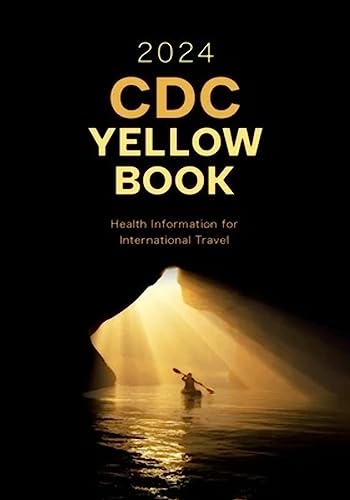
CDC Yellow Book 2024
Updates on practicing travel medicine ... of travel insurance · <strong>Guidelines for self-treating common travel conditions including altitude illness, jet lag, motion sickness, and travelers'
Check Price on Amazon- Destination: International destinations elevate medical risk because many domestic health plans provide limited or no coverage abroad; Medicare generally does not cover care outside the U.S. Some visas require proof of coverage (e.g., the Schengen Area typically requires at least €30,000 in medical coverage and repatriation).
- Stakes: If you’ve prepaid nonrefundable flights, cruises, villas, or tours, cancellation/interruption coverage can recoup large sums.
- Profile: Older travelers, families with young children, or anyone engaging in adventure activities benefit from more robust medical and evacuation limits.
Existing coverage to audit before you buy:
- Health insurance: Confirm emergency benefits abroad, deductibles, and whether evacuation is included (it usually is not). Ask how out-of-network overseas claims are handled.
- Credit cards: Many premium cards include trip delay, interruption, baggage, even primary rental car coverage. Benefits are powerful but tightly scoped—pay for the trip with the card, and read triggers and limits carefully. For a refresher on which cards carry the most useful protections and how to activate them, see Best Travel Credit Cards for 2026: Rewards, Perks & Expert Picks (/experiences/best-travel-credit-cards-2026-rewards-perks-expert-picks).
- Airline/hotel flexibility: Fully refundable fares and generous change policies reduce the need for cancellation coverage, though medical/evacuation may still be essential.
- Homeowners/renters insurance: May cover theft of personal property worldwide, but often with high deductibles and limits on electronics and jewelry.
- Employer/business coverage: Corporate travel policies can be excellent for delays and medical care; ensure personal side trips are covered.
Risk tolerance also matters. Traveling to generally low-crime destinations can feel reassuring, but health events and weather disruptions are unpredictable. For perspective on evaluating destination risk alongside coverage needs, explore What Are the Safest Countries to Travel To? An Expert Guide (/experiences/what-are-the-safest-countries-to-travel-to-expert-guide).
How to choose the best policy: key criteria
- Coverage limits that fit the trip: For international travel, aim for six figures in emergency medical and high six-to-seven figures in evacuation, especially for cruises and remote regions. Match cancellation/interruption to the full nonrefundable trip cost.
- Exclusions you can live with: Scan the certificate for adventure sports, pre-existing conditions, pregnancy, mental health, intoxication, and high-risk activities. If it’s central to your trip, the plan should name it as covered.
- Pre-existing condition waivers: Many insurers will waive the pre-existing condition exclusion if you buy within 14–21 days of your first trip payment, insure the full trip cost, and are fit to travel on purchase. If you need this, timing is everything.
- Deductibles and primary vs. secondary: Lower or zero deductibles ease small claims. Primary medical and baggage coverage pays first, smoothing the process; secondary coverage requires you to claim elsewhere first.
- Medical evacuation nuances: “Nearest adequate facility” is standard; some policies allow evacuation to a hospital of choice back home (often with membership-style evacuation services or premium plans). Verify whether evac covers non-medical security events.
- Cancel For Any Reason (CFAR) and Interruption For Any Reason (IFAR): Useful when uncertainty is high (complex logistics, personal obligations). CFAR usually reimburses 50–75% and must be purchased soon after your first deposit.
- Supplier default and strikes: Look for coverage if a cruise line, airline, or tour operator ceases operations, and whether strikes or civil disorder are covered causes for cancellation.
- Claims reputation and assistance quality: Research customer service, average claim times, and 24/7 assistance responsiveness. When something goes wrong at 2 a.m., you want a human who answers.
- Financial strength: Favor underwriters with strong ratings from agencies like AM Best or S&P. Solvency matters in mass events.
- Geographic definitions and sanctions: Confirm your destinations are covered, especially if traveling to regions with advisories or sanctions.
- Family-friendly features: Look for children covered at no extra cost, single-parent pricing, and generous “traveling companion” definitions.
- Gear and valuables: Note sublimits for cameras, laptops, and jewelry; schedule items if needed or carry separate coverage.
- Documentation requirements: Understand what paperwork triggers a valid claim—physician statements, carrier delay letters, police reports, receipts. Familiarity now prevents denials later.
Top travel insurance picks by traveler type
No single brand wins for everyone. Instead, match policy strengths to traveler profiles. These benchmarks help you identify the best travel insurance for your situation.
Families on a school-break holiday
- Look for: Children-included pricing, robust trip interruption (150–200% of trip cost), generous travel delay (e.g., $200–$300 per day), primary medical, and a pre-existing condition waiver purchased within the early-purchase window.
- Suggested limits: $150,000+ emergency medical, $500,000+ evacuation, cancellation equal to full nonrefundable cost.
- Nice-to-haves: Coverage for childcare interruption, caregiver travel, and upgraded baggage for strollers or car seats.
Solo leisure traveler
- Look for: Strong medical/evac limits, high-value delay benefits for single-occupancy rebooking costs, and clear baggage coverage for electronics.
- Suggested limits: $100,000–$250,000 medical, $500,000–$1,000,000 evacuation.
- Planning destinations that reward independent exploration? Pair this coverage with inspiration from Solo Travel Destinations: Where to Go for Safe, Social & Seamless Trips (/experiences/solo-travel-destinations-safe-social-seamless-trips).
Adventure and expedition traveler
- Look for: Named coverage for your specific activity (e.g., trekking above 4,000 meters, off-piste skiing with a guide, scuba to certified depths), search-and-rescue, and high evacuation limits with remote-area extraction.
- Suggested limits: $250,000+ medical, $1,000,000 evacuation; verify “hospital of choice” and helicopter evac eligibility.
- Tip: Align with responsible outfitters and review safety protocols; for broader planning, see Adventure Travel: How to Plan Epic, Responsible Trips Around the World (/experiences/adventure-travel-plan-epic-responsible-trips).
Business traveler
- Look for: High travel delay and missed connection coverage, laptop/equipment sublimits that match your kit, and coverage for work-related cancellation if your policy offers “cancel for work reasons.” Corporate policies may already cover much; fill any medical/evac gaps.
- Suggested limits: $100,000+ medical, $500,000+ evacuation; primary baggage and rental car collision coverage if driving.
Long-term traveler, digital nomad, or expat
- Look for: Global medical policies or annual multi-trip plans with continuous coverage, high medical/evac limits, prescription drug benefits, and country-to-country portability. Confirm coverage when returning home briefly.
- Suggested limits: $250,000+ medical, $1,000,000 evacuation; consider higher if spending extended time far from tertiary care.
Cruise passenger
- Look for: Strong medical/evac (care at sea is costly), missed connection that covers catching up to the next port, and cancellation for mechanical breakdown or adverse weather. Verify port-of-call coverage specifics.
- Suggested limits: $250,000 medical, $1,000,000 evacuation; high baggage delay and formalwear coverage if packing gowns/tuxedos.
Senior traveler
- Look for: Pre-existing condition waiver options, primary medical, high evacuation, and clear definitions around stability periods and lookback windows. Some plans have age-based limits; check carefully.
- Suggested limits: $150,000–$250,000 medical, $500,000–$1,000,000 evacuation.
How to buy: step-by-step
- Map your trip costs: Total every prepaid, nonrefundable element—deposits, tours, trains, boutique stays. This is your cancellation/interruption baseline.
- Check what you already have: Health insurance abroad, employer coverage, and any card benefits. For a concise breakdown of travel-friendly cards and their built-in protections, consult Best Travel Credit Cards for 2026: Rewards, Perks & Expert Picks (/experiences/best-travel-credit-cards-2026-rewards-perks-expert-picks).
- Decide your must-haves: Medical/evac limits based on destination and activities, pre-existing condition waiver, CFAR, gear coverage, and any special riders (adventure, cruise, rental car).
- Compare quotes across multiple insurers: Run side-by-side comparisons on reputable marketplaces or broker platforms; filter by coverage, not just price. The best rates often surface several months before departure, and side-by-side comparisons reveal which plan actually fits your trip’s shape.
- Buy within the early-purchase window: Typically 14–21 days from first deposit to unlock pre-existing condition waivers, supplier default protection, and CFAR.
- Insure the full nonrefundable cost: Underinsuring can reduce claims proportionally. Add costs as you book; most policies let you modify trip totals.
- Confirm eligibility details: Country of residence, departure state, age bands, covered destinations, and policy effective dates (some activate at purchase for cancellation; medical often starts at departure).
- Read the certificate: Focus on definitions, exclusions, and claim documentation. Verify that your specific activities and regions are covered.
- Save the essentials: Policy number, 24/7 assistance contacts, digital ID cards. Email copies to a travel companion and store offline.
- Pack your documentation: Receipts, doctor letters, carrier delay notices—your future self will thank you if you ever need to claim.
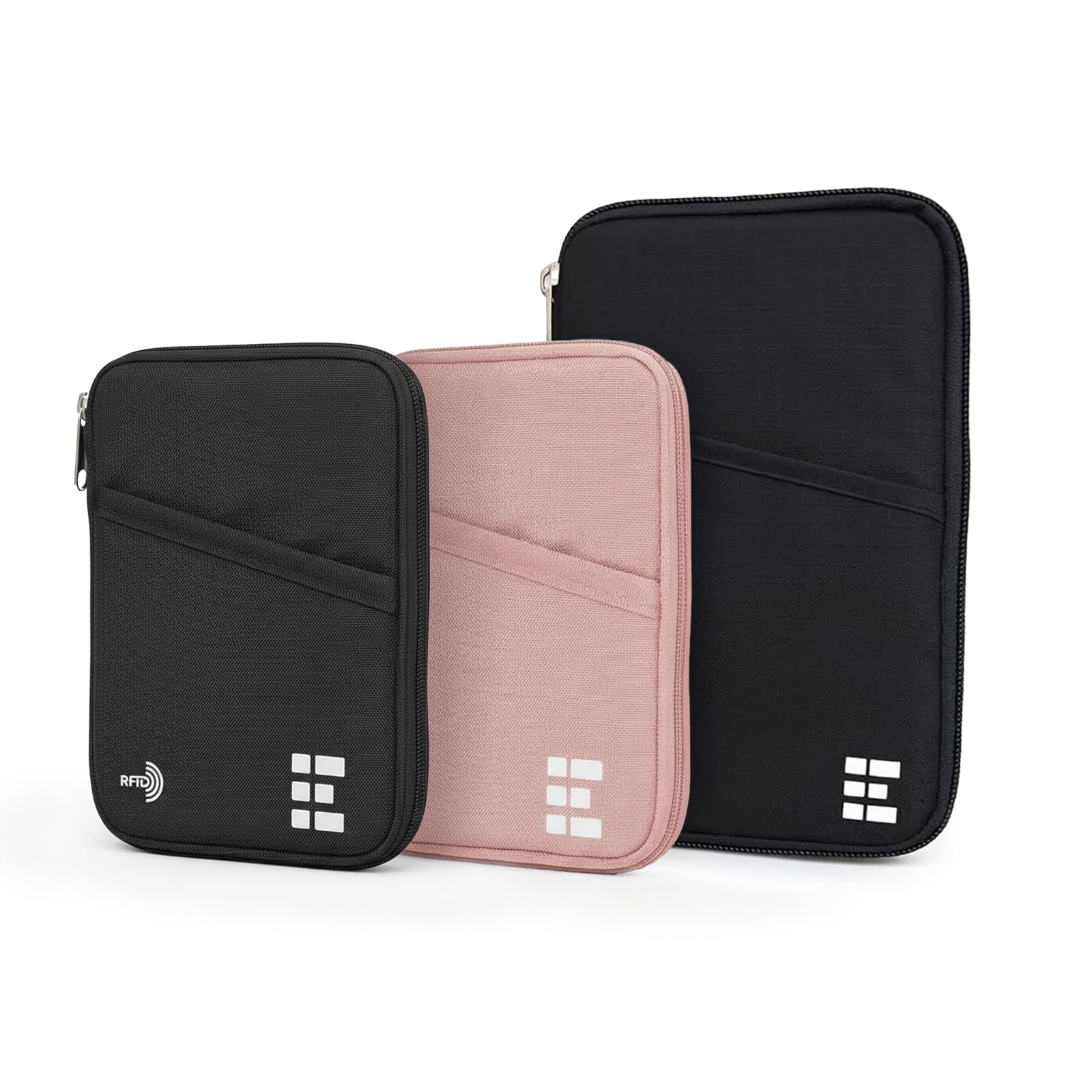
Amazon.com | Zero Grid RFID Family Passport Holder for up to 6 Passports, Large Zippered Wallet for Men & Women, Fits Cards, Cash, ID, Sim Card, AirTag; Premium & Compact Travel Document Holder - Midnight Black | Passport Wallets
View on AmazonEditorial note: Travelers who compare two to three well-rated policies—rather than buying the first box offered at checkout—tend to find better value. If locking in coverage for a big trip, consider requesting quotes early and setting a calendar reminder to revisit as plans firm up.
Single-trip vs. annual coverage
- Single-trip: Ideal for one major vacation or when you need customized riders.
- Annual multi-trip: Cost-effective for frequent travelers (e.g., 4+ international trips/year), but check per-trip day limits (often 30–90 days) and lower cancellation caps.
Bundling and top-ups
- Rental cars: Your premium credit card may already provide primary CDW; if not, add a collision waiver rider or buy at the counter (weigh cost vs. claim ease).
- Adventure riders: Add for named sports to avoid claim denials.
- Evacuation memberships: For remote expeditions, a standalone evacuation membership can complement an insurance policy—verify how they coordinate benefits.
Common pitfalls and red flags to avoid
- Buying too late: Waiting more than 14–21 days after first deposit can forfeit pre-existing waivers and CFAR options.
- Assuming “any reason” means any time: CFAR has strict purchase windows, documentation, and cancellation deadlines (often 48 hours before departure).
- Underinsuring trip cost: Policies may reduce payouts in proportion to how much of the trip cost you insured.
- Ignoring exclusions: Backcountry skiing, high-altitude trekking, motorbikes, or scuba beyond certified depths are commonly excluded without riders.
- Not calling assistance first: Many policies require you to contact the assistance provider before hospital admission or evacuation when possible.
- Overlooking baggage sublimits: Laptops and cameras often have low caps; consider separate coverage if traveling with pro gear.
- Misreading “evacuation”: Most policies evacuate to the nearest appropriate facility, not automatically home; confirm if “hospital of choice” is included.
- Residency and destination rules: Some policies exclude sanctioned countries or require you to start and end in your home country; digital nomads should verify eligibility.
- Pre-existing condition definitions: Understand lookback windows and “stable” periods; gather physician letters if needed.
- Buying at checkout without comparison: Airline- or cruise-sold policies may emphasize supplier protection over your medical/evac needs.
FAQ and printable pre-trip insurance checklist
Is travel insurance worth it?
For international travel or any trip with significant nonrefundable costs, yes. A single hospital visit, evacuation, or weather-cancelled cruise can dwarf premiums. For simple, refundable domestic trips, you may rely on existing protections and a medical-only policy if needed.
How much does travel insurance cost?
Comprehensive coverage typically runs 4–10% of your total trip cost. Adventure riders, seniors, and CFAR increase price; medical-only plans cost less.
When should I buy?
Ideally within 14–21 days of your first deposit to capture pre-existing condition waivers, supplier default, and CFAR. You can still buy later, but benefits may be narrower.
Does travel insurance cover COVID-19?
Many modern policies treat COVID-19 like any other covered illness for medical care and sometimes for cancellation if you test positive. Quarantine and border-closure coverage varies—read the certificate.
Are electronics covered?
Yes, but with sublimits and depreciation. High-value cameras and laptops may require separate coverage or riders. Keep receipts and serial numbers.
Will my credit card benefits be enough?
They can be for short trips with refundable bookings and for delays, baggage, and rental cars. They rarely replace robust medical and evacuation coverage for international travel. Cross-check your card’s guide to benefits.
Can I buy coverage after departure?
Some providers allow it, often with waiting periods and limitations. Buying before departure is simpler and more comprehensive.
What about pregnancy and mental health?
Routine prenatal care is usually excluded; complications may be covered if unforeseen. Mental health coverage varies widely; check for named conditions and provider requirements.
Do cruises need special coverage?
Yes—care at sea and evacuations are expensive. Seek cruise-friendly plans with strong medical/evac, missed connection, and weather/mechanical cancellation.
Will insurance cover a visa denial?
Generally no, unless specifically listed. Verify requirements before paying large nonrefundable deposits.
Can I cancel if work calls?
Some policies include “cancel for work reasons” (e.g., job loss, required relocation); others require CFAR for broad work conflicts.
Does insurance cover remote work or long stays?
Comprehensive trip insurance is designed for finite trips. Long-term travelers should explore global medical insurance or annual multi-trip plans.
How do I file a claim successfully?
- Notify the insurer and assistance team as soon as an issue arises.
- Save everything: receipts, medical reports, carrier delay letters, police reports.
- Follow instructions precisely and submit within stated deadlines.
Printable pre-trip insurance checklist
Copy, save offline, and share with a travel companion.
Policy and coverage
- Trip dates, covered destinations, and country-of-residence eligibility confirmed
- Emergency medical: $100,000–$250,000 (or more for remote/adventure)
- Evacuation/repatriation: $500,000–$1,000,000
- Cancellation/interruption equals full nonrefundable trip cost
- Travel delay: daily and total limits meet destination costs
- Baggage/personal effects: sublimits for electronics understood
- Adventure sports/cruise riders added if needed
- Pre-existing condition waiver obtained (if applicable)
- CFAR/IFAR added and deadlines noted (if applicable)
Documentation
- Policy number and 24/7 assistance contacts saved to phone and printed
- Copies of itinerary, receipts, and confirmations stored offline
- Physician letters and medication lists (if relevant)
- Passport, visas, vaccination records, and emergency contacts
Money and logistics
- All major payments made with a card that adds protection when possible
- Claims app/portal login set up
- Local embassy/consulate info saved for destinations
- Plan for paying upfront overseas (some hospitals require it); card limits checked
During the trip
- Contact assistance before or during hospital admission or evacuation when possible
- Keep receipts for all expenses (meals, lodging, taxi) during delays
- Get written proof of delays, cancellations, or baggage issues from carriers
- File police reports for thefts promptly
Planning bonus
- Pair this checklist with The Ultimate Travel Packing List: Stylish, Smart & Stress-Free (/experiences/ultimate-travel-packing-list-stylish-smart-stress-free) to streamline departure day
A final word on value: premiums reward the traveler who plans. The best travel insurance is not necessarily the most expensive plan—it’s the one that mirrors your itinerary, closes the specific risks you face, and comes from an underwriter that picks up the phone when the unexpected arrives. If you’re weighing policies for a major trip, take a moment to compare options now; the best rates and benefits tend to surface when you shop a few months ahead and purchase within early-purchase windows.
The image to carry forward
Think of travel insurance as the quiet companion in the seat beside you: invisible during the soft landings and smooth transfers, decisive when the journey frays. Choose it with care, keep the assistance number close, and let your attention return to the reasons you travel in the first place—the scent of rain on hot stone, the rustle of palms beyond the balcony, the possibility waiting at the next gate.
Recommended Travel Gear
CDC Yellow Book 2024
Updates on practicing travel medicine ... of travel insurance · <strong>Guidelines for self-treating common travel conditions including altitude illness, jet lag, motion sickness, and travelers'
Adventure Medical Kit Ultralight/Watertight Medical Kit .7 - Up to 3 People, Up to 3 Days - Includes Bandages, Blister Essentials & More - Perfect for Hiking, Biking & Climbing
Buy Adventure Medical Kit Ultralight/Watertight Medical Kit .7 - Up to 3 People, Up to 3 Days - Includes Bandages, Blister Essentials & More - Perfect for Hiking, Biking & Climbing on Amazon.c
Amazon.com | Zero Grid RFID Family Passport Holder for up to 6 Passports, Large Zippered Wallet for Men & Women, Fits Cards, Cash, ID, Sim Card, AirTag; Premium & Compact Travel Document Holder - Midnight Black | Passport Wallets
RFID Protection: Wallet <strong>includes 7 RFID blocking sleeves to help protect passports and cards from unauthorized scans while traveling domestically or internationally</strong>.