
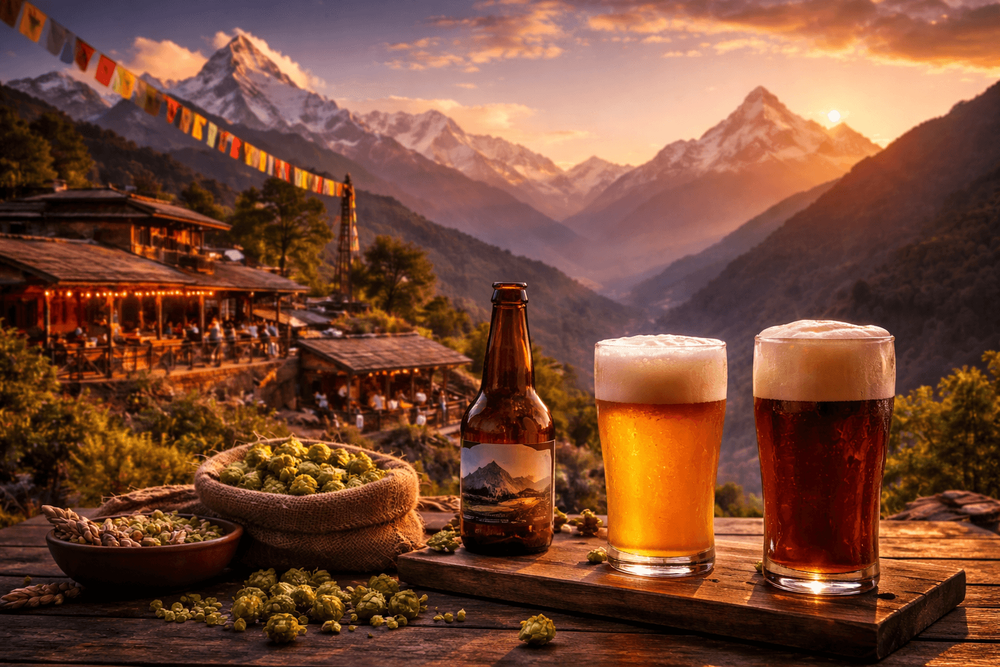
Brews of the Himalaya: Exploring Nepal’s Local Breweries
From Kathmandu taprooms to lakeside pours in Pokhara, sip Nepal’s emerging craft scene—seasonal brews, tours, and pairings shaped by Himalayan terroir.
Mood
Craft Beer Trail
At sunset in Kathmandu, the prayer flags on a rooftop terrace lift and fall like sails. A pint sweats lightly in the cool air, a citrusy nose rising from its foam. The first sip tastes crisp and mineral—Himalayan water filtered through rock and time—before a piney bitterness unfurls. This is the quiet revelation of local breweries in Nepal: a young beer culture shaped by altitude, ancient grains, and a cityscape where heritage courtyards meet contemporary taprooms.
Where to Find Local Breweries in Nepal
Nepal’s craft-beer scene is compact, creative, and unmistakably local, with most momentum centered in Kathmandu Valley and a growing constellation in Pokhara, Chitwan, and trekking towns. Production-scale outfits share space with taprooms and restaurant nanobreweries; many brew on small systems, releasing agile, seasonal runs that vanish as quickly as they appear.

Lonely Planet Nepal: Detailed Itineraries | Travel Like a Local | Insider Tips | Covers Kathmandu, Pokhara, Terai, Mahabharat Range, and more (Travel Guide): Mayhew, Bradley, Bindloss, Joe, Brown, Lindsay, Butler, Stuart, Lama, Tsering
Lonely Planet's Nepal is <strong>our most comprehensive guide that extensively covers all the country has to offer, with recommendations for both popular and lesser-known experiences</strong>. Ex
Check Price on AmazonKathmandu Valley: The Capital of Experimentation
Kathmandu is the nerve center, home to the country’s best-known craft producers and the highest variety of pours. In the capital, travelers will find polished taprooms where steel tanks gleam behind glass, flights arrive on wooden paddles, and chalkboards list small-batch releases that nod to both European styles and Himalayan terroir. Sherpa Brewery—whose labels are seen from Thamel bars to mountain lodges—anchors the scene with clean, mountain-influenced brews and reliable classics. Expect a Kölsch with alpine clarity, a red ale that leans malty and warming, and hop-forward pales designed for long evenings under lanterned patios.
Around Patan (Lalitpur) and Jhamsikhel, brew-minded gastropubs often run in-house nanobreweries. They tinker with witbiers enriched with Nepali citrus, saisons laced with timur (Nepal’s fragrant Sichuan pepper), and coppery ambers that pair beautifully with grilled sekuwa. Taprooms here tend toward warm wood, local art, and balconies that overlook lanes where the past feels close: temples etched in brickwork, a conch-shell seller making the afternoon rounds. Between sips, it’s an easy hop to Patan’s artisan workshops; the city’s craft culture seems to feed the brewhouse imagination.
Stay within staggering distance without sacrificing style: The Dwarika’s Hotel (booking-url) occupies a complex of lovingly restored Newari buildings, where carved windows frame courtyards scented with incense and cedar. It’s a splurge that turns a beer-focused city break into a study in Nepali craftsmanship.
Pokhara: Lakeside Pints, Mountain Backdrops
Pokhara’s beer soul is easier, breezier, and stitched to the rhythm of Phewa Lake. Along Lakeside, taprooms and microbreweries brighten their boards with wheat ales perfect for afternoons on a terrace and West Coast–leaning pales for sunset’s glow. Some restaurants operate compact brew systems on site; others partner with Kathmandu producers to keep fresh kegs rotating. Expect lighter styles to dominate—gentle citrus, soft bready notes, restrained bitterness—ideal after a paragliding launch or a hike to the Peace Pagoda.
The setting does half the work. Boats drift past as kingfishers tip the water’s surface; the Annapurnas burn gold when the weather is kind. Order a tasting flight and a plate of crispy aloo tareko with a cilantro-chili dip, then watch the world unspool.
For a lakeside base that earns loyalty from repeat travelers, Temple Tree Resort & Spa (booking-url) blends timbered cottages and frangipani-shaded courtyards with an easy stroll to the best tap lists.
Chitwan: Jungle Evenings, Rice-Beer Roots
Chitwan’s draw is wildlife, and its beer hours begin as the forest darkens and the river’s humidity softens into evening. In Sauraha, taprooms and beer-centric eateries pour Nepali craft alongside crisp lagers, welcome after a day tracking one-horned rhino on the grasslands. Here, modern brewing rubs shoulders with something much older: community-brewed rice beer, known locally as jaand or chhaang.
Guided visits in Tharu villages often include a respectful tasting of homemade jaand—lightly sour, gently effervescent, shared in steel cups or terracotta. It is not a brewery in the commercial sense, but it is an essential entry in Nepal’s brewing story. Think of craft pints and traditional brews as parallel paths through the same landscape of grain, water, and patience.
Prefer a place where sundowners double as a front-row seat to elephant grass glowing apricot? Barahi Jungle Lodge (booking-url), set along the Rapti, pairs rustic-luxe suites with decks made for clinking glasses as the first stars appear.
Mountain Towns: High-Altitude Pours and Trekking Wisdom
In the Khumbu, Annapurna, and Mustang regions, beer culture follows the trails. Teahouses and lodges stock bottled Nepali craft labels (alongside familiar international names), and some lower-elevation towns may experiment with small, on-site batches when logistics permit. Expect selection to thin as altitude rises; the best bet for a fresh pour is often at trailheads and bigger hubs like Namche Bazaar or Jomsom.

GRAYL GeoPress 24 oz Water Purifier Bottle - Filter for Hiking, Camping, Survival, Travel (Bali Blue)
Versatile, fast, and ridiculously easy to use — the 24oz GeoPress Water Filter & Purifier Bottle <strong>requires zero setup, no sucking or squeezing, and makes 24 fl oz (710 ml) of clean purified
Check Price on AmazonA note of mountain sense: alcohol and acclimatization rarely make good partners. Many trekkers favor a strict “save the beer for base” policy, rewarding themselves with a celebratory pint after a safe descent. When you do raise that glass, the taste is amplified by thin air and thin light—the simple, astonishing fact of being high in the world.
Taprooms, Tours, and Tasting Flights: How to Drink the Scene
A typical Kathmandu tasting room opens late morning or early afternoon and pours through dinner, with last calls around 9:30–10 p.m. Flights and pints dominate, but watch for half-pours to sample through limited releases. On weekends, peak hours are from 6–9 p.m.; midweek afternoons are quieter for conversation and brewer chats.
Brewery tours, when offered, tend to be intimate and by appointment—often capped at 6–10 guests to keep the brewhouse floor both safe and personal. Expect a 30–60 minute walkthrough of the system, a primer on local grains and water, and a tasting. Book 24–72 hours ahead, especially in high season (October–November and March–April). Solo travelers can often join a pre-booked slot; larger private groups should request off-peak times.
Special releases follow the seasons: lemony wheat beers at the start of trekking months, malt-forward reds and porters as winter nips the Valley, and spring ales brightened with herbs and wild citrus. Many taprooms host “meet the brewer” evenings or pairing nights with momo and Newari bites; watch chalkboards and social feeds for pop-ups.
Travelers who prefer curation to serendipity can fold breweries into a wider tasting day—snacking through markets and kitchens before finishing with a flight at a taproom. For ideas and tastings that weave beer into broader culinary discovery, see Gourmet Food Tours in Nepal: Taste, Learn, and Shop Your Way Through Kathmandu & Beyond (/experiences/gourmet-food-tours-nepal-kathmandu-beyond).
Himalayan Ingredients, Local Styles, Inspired Pairings
Brewers here talk about water first. Himalayan sources give many Nepali beers a crisp, clean backbone—a mineral snap that flatters bright lagers and Kölsch-like ales. Grain is the next signature. Traditional staples such as millet (kodo), buckwheat (phapar), and rice appear in modern recipes, lending earthy, nutty undertones and drying finishes that play well with spice. Corn (makai) often softens texture, while barleys from the Terai deliver dependable malt.
Then come the herbs. Timur, the zesty cousin of Sichuan pepper, is the country’s most distinctive botanical. A deft hand with timur can tease grapefruit and lemongrass aromatics into a farmhouse ale or a summer pale. Rhododendron—the national flower—sometimes appears in syrups and wines; when a brewer riffs on it in a spring ale, the result is subtly floral and refreshingly alpine. Citrus like lapsi (Nepali hog plum) can brighten wheats, while hints of ginger and lemongrass round out winter warmers. The best use of local ingredients is confident but quiet; beers whisper place rather than shout.
Expect a compact but expressive style roster:
- Kölsch-style and pale lagers for travelers craving clarity and snap
- Wheat ales (wit and hefe riffs) dressed in coriander, orange, or Nepali lemon
- American-style pales and IPAs when hops are the headline
- Malt-forward red and brown ales for cool evenings
- Occasional porters or stouts with a gentle roast, sometimes kissed by spice
- Seasonal farmhouse ales featuring timur, citrus, or grains beyond barley
Thoughtful pairings elevate both glass and plate:
- Nepali momos with a citrusy wheat: the beer’s lift slices through juicy dumplings and brightens tomato-sesame achar
- Grilled sekuwa or tandoori trout with a crisp pale ale: hops counter smoke and char without drowning delicate mountain fish
- Newari chhoila and bara with a red ale: malt rounds spice; a caramel edge cuddles grilled buffalo and lentil pancakes
- Thakali khana set with a Kölsch: clean lines let gundruk, pickles, and daal have their say
- Yak cheese or hard Himalayan cow’s cheese with a brown ale or porter: a fireside match in Pokhara or the hill towns
If your appetite runs alongside your thirst, don’t miss Taste Nepal: Must-Try Street Foods, Where to Find Them and How to Eat Like a Local (/experiences/taste-nepal-best-street-food-where-to-find-how-to-eat-like-a-local). It’s a road map to the chapals and alleys that keep the flavors coming between pints.
Practicalities: Plan a Respectful, Responsible Beer Trip
- Best time to visit: The clearest skies and most social taprooms arrive with trekking seasons—October–November and March–April—when seasonal brews and outdoor seating shine. Winter can be cozy (think porters by a heater), while the summer monsoon brings lush views and quieter rooms. For a broader view of seasonality across the country, see Best Time to Explore Nepal: Season-by-Season Guide for Treks, Culture & Wildlife (/experiences/best-time-to-explore-nepal).
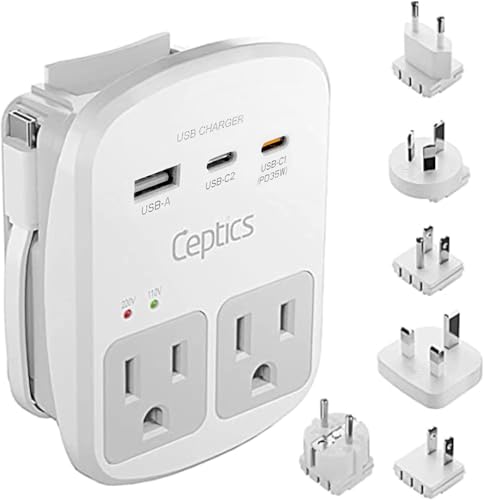
Ceptics 35W Universal Travel Adapter Kit – 2 USA sockets, USB-A, USBC, 1x PD 35W USB-C and USBC Cable, Surge Protected, Plugs for EU, UK, China, AU, Japan - for Laptop, Phone, Camera-ETL Tested : Electronics
View on AmazonOpening hours and closures: Many taprooms pour noon to 10 p.m.; kitchens often close slightly earlier. Monday closures are common; holidays can shift hours.
Getting around: In Kathmandu and Pokhara, taxis and ride-hailing apps are the simplest way to hop between neighborhoods. Roads can be uneven; leave time for traffic and, after dark, opt for door-to-door rides.
Costs: Expect NPR 450–700 for a pint at a craft-focused venue; flights run NPR 900–1,500. Tours typically range from NPR 1,500–3,500 depending on length and tastings. Cash remains useful; most city taprooms accept cards.
Booking tips: Reserve tours and tables for groups. Breweries announce releases last-minute; follow their boards and socials for drops. If a must-try beer sells out, ask for the next batch’s timeline—turnover can be brisk.
Legal drinking age and ID: The legal drinking age in Nepal is 21. Carry a passport or valid ID; staff may check during evening hours.
Cultural norms: Nepalis tend to drink sociably, not loudly. Public drunkenness is frowned upon, especially near religious sites. Avoid alcohol inside or around temples and monasteries. In mountain regions, save celebratory beers for safe altitudes and non-acclimatization days.
Accessibility: Historic buildings and older taprooms may involve stairs and narrow entrances. Call ahead if step-free access is needed; venues are increasingly accommodating but not universally so.
Events and festivals: Kathmandu hosts occasional beer festivals and brewer pop-ups, often coinciding with trekking seasons. Keep an eye out for Oktoberfest-style weekends, pairing dinners, and collaborative taps between city and lakeside brewers. Major cultural festivals (Dashain, Tihar) may alter hours—and add a festive energy to the city.
Sustainability and community: Many Nepalese brewers use local grain, feed spent grain to livestock, and work with glass recycling and lightweight cans to reduce transport emissions. Water is precious; ask about conservation measures, and support operations taking it seriously. For stays that match a low-impact ethos, explore Stay Green in the Himalayas: A Traveler’s Guide to Eco‑Friendly Hotels in Nepal (/experiences/eco-friendly-hotels-in-nepal).
Trekking and alcohol safety: At altitude, alcohol dehydrates and can mask symptoms of Acute Mountain Sickness. The golden rule: hydrate, ascend slowly, and postpone heavier drinks until you’re sleeping low. When you do toast the trail, do it with intention—and a warm bowl of thukpa.
Extending the Journey
A brewery day sits comfortably inside a bigger Nepal itinerary: temple-hopping in Patan, sunset boats on Phewa, a Chitwan safari, and, for the restless, a low-elevation hike with a proper reward at day’s end. If you’re building a culinary-forward trip, a guided tasting walk that finishes in a taproom is a natural fit; if you’re chasing adrenaline by day and aromatics by night, the city’s beer boards will accommodate. For a deeper dive into high-octane days that pair well with cold pints, browse Adventure Nepal: Treks, Peaks, Rivers & Responsible Thrills (/experiences/adventure-nepal-treks-peaks-rivers-responsible-thrills).
In the end, what distinguishes local breweries in Nepal is not just what’s in the glass, but where you are when you lift it. The low thrum of prayer wheels in a side street. The scent of cumin and woodsmoke at dusk. The silver edge of a ridge line that seems close enough to touch. These beers taste of place because the place is impossible to ignore, and the best way to honor them is simple: raise a glass, look up, and let the Himalaya do the rest.
Recommended Travel Gear
Lonely Planet Nepal: Detailed Itineraries | Travel Like a Local | Insider Tips | Covers Kathmandu, Pokhara, Terai, Mahabharat Range, and more (Travel Guide): Mayhew, Bradley, Bindloss, Joe, Brown, Lindsay, Butler, Stuart, Lama, Tsering
Lonely Planet's Nepal is <strong>our most comprehensive guide that extensively covers all the country has to offer, with recommendations for both popular and lesser-known experiences</strong>. Ex
GRAYL GeoPress 24 oz Water Purifier Bottle - Filter for Hiking, Camping, Survival, Travel (Bali Blue)
Versatile, fast, and ridiculously easy to use — the 24oz GeoPress Water Filter & Purifier Bottle <strong>requires zero setup, no sucking or squeezing, and makes 24 fl oz (710 ml) of clean purified
Ceptics 35W Universal Travel Adapter Kit – 2 USA sockets, USB-A, USBC, 1x PD 35W USB-C and USBC Cable, Surge Protected, Plugs for EU, UK, China, AU, Japan - for Laptop, Phone, Camera-ETL Tested : Electronics
International Power Adapter:<strong>Equipped with 2 USA outlets, 1x USB-A (3A), 1x USB-C and 1x PD 35W USB-C and USB-C cable</strong>-Perfect for travel - use with cell phones, laptops & other dev