
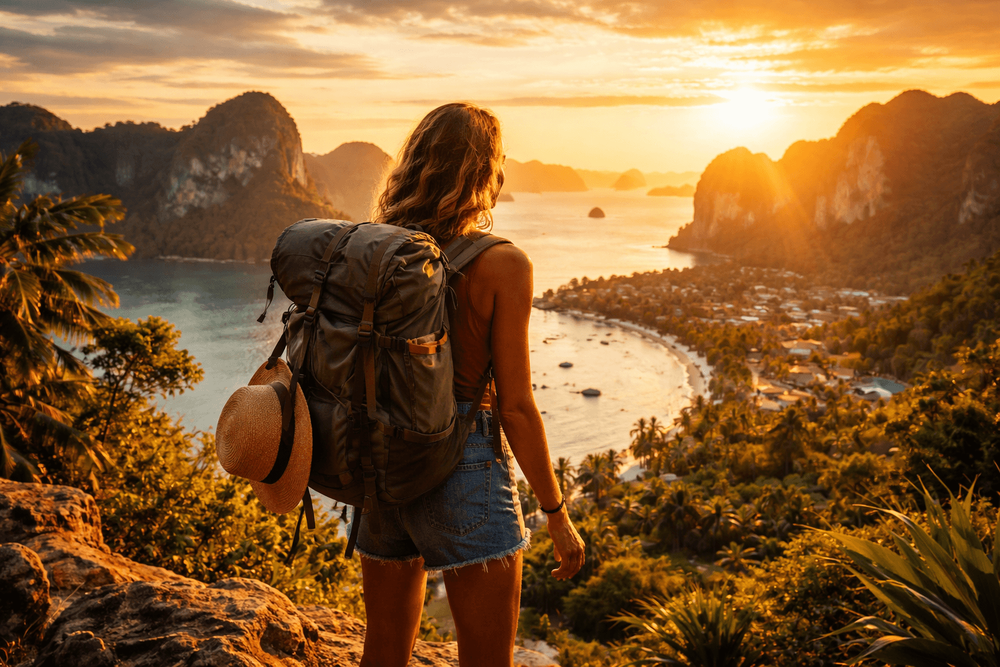
Budget Travel: A Backpacker’s Guide to Smart, Stylish Savings
An artful, region-savvy guide to budget travel—how to plan, sleep, eat, and move with style, depth, and smart savings without compromising the experience.
Mood
Budget Adventure
They wake before the city does. Steam ribbons from a paper cup of espresso as a hilltop lookout blushes pink, the marble rooftops below still glistening with dew. A tram bell tings; a bakery opens its shutters; the first bus wheezes uphill. With a daypack, a worn map, and a shrewd plan, travelers step into a version of the world where budget travel isn’t deprivation—it’s liberation. It’s the thrill of finding the right line on the metro, the taste of ripe figs bought for coins, the small luxury of a private room snagged at shoulder-season prices.
Why Budget Travel Is About Choice, Not Compromise
The essence of budget travel is not a race to the bottom; it is a reordering of priorities. Trade a rooftop infinity pool for a family-run guesthouse and gain the scent of jasmine in the courtyard, the hiss of a moka pot, and a conversation about the day’s market catch. Choose a night train over a short-haul flight and watch Europe unspool in silhouettes—church spires, sleeping fields, and a copper sunrise framed by a carriage window.
Stretching money cleverly tends to deepen connection. Markets hum louder than hotel lobbies. Street corners teach more than taxis. Time becomes the premium—days allowed to breathe, to wander, to notice. A well-planned route is less about squeezing costs and more about creating space for serendipity: a lunchtime menu posted in chalk; a ferry crossing that reveals a coastline you’d have flown over; a festival stumbled upon because you followed the drumbeat instead of the guidebook.
Crucially, budget does not mean basic. It means precise. It means applying intention to each spend, so the trip’s architecture is built on experiences rather than excess. This is the traveler’s craft: to spend where it counts—safety, sleep, a memorable meal—and save where it doesn’t—convenience you won’t remember, duplication you won’t need, speed that erases texture.
Plan Like a Pro: When to Go, How Long, and Where You’ll Stretch Your Money
The most powerful tool in a traveler’s wallet is not a card; it’s a calendar. Timing transforms costs. Shoulder seasons—those amber-toned weeks between peak and off-peak—often deliver the richest returns: fewer lines, better rates, and landscapes bathed in kinder light.
- Europe: Late April to early June and mid-September to October offer reduced rates, steady sun, and harvest markets. The Mediterranean lingers warm; the Alps crackle under cobalt skies. How to Ride Europe’s Night Trains pairs beautifully with this season.
- Southeast Asia: Dry shoulder months (often November and early December, or May and June depending on the coast) pair blue-sky mornings with manageable crowds. Rain arrives in cinematic bursts, washing the air clean.
- South Asia: Winter months (November to February) keep heat in check; mountain routes open fully from late spring to fall.
- Latin America: In the Andes, May to September is dry and clear. In the Southern Cone, aim for spring and fall for crisp air and open trails—ideal for a thrifty Patagonia Trekking Primer.
- North Africa and the Middle East: October to April brings cooler days and balmy evenings—perfect for souks and seaside promenades; July–August can be scorching and pricier along coasts.
- Sub-Saharan Africa: Dry seasons vary, but winter months (June–September in the south) are both wildlife-rich and less humid.
- East Asia: Late October to November and March to May offer blossoms, foliage, and savings. For frugal finesse, see Japan on a Budget.
Length matters as much as timing. A two-week sprint may cost more per day than a month-long meander. Travel days are expensive in both money and energy; momentum saves. Group destinations by region instead of ping-ponging across continents: Balkan peninsulas stitched together by buses; Yucatán to Chiapas strung along ADO routes; Vietnam unfurling by train.
As for getting there, flexibility slashes fares. Midweek departures, open-jaw tickets (arrive in one city, depart from another), and secondary airports unlock better pricing. Price calendars reveal sweet spots across months; night trains and long-distance buses substitute for one-night stays and extra flight legs. In the calculus of budget travel, distance covered while sleeping is the quietest discount.
Currency can work for you. Track exchange rates as you plan; a favorable swing might tilt the choice toward a city long saved on a wishlist. Visa-free windows (90 days in the Schengen Area, 30 in much of Southeast Asia) can guide pacing—linger in affordable hubs, hop across costlier capitals briskly. The result is a route with rhythm: slow stretches where money loosens, quick bursts where it tightens.
Accommodation Hacks: Hostels, Guesthouses, Home Exchanges and Trusted Alternatives
Accommodation shapes a trip’s pulse. Hostels have evolved—their communal kitchens gleam, bunks come with privacy curtains and reading lights, and common rooms hum with board games and potlucks. For many, the smartest move is the private room in a design-forward hostel: hotel-level rest with a social lobby and laundry out back. Budget Hostels We Love is a starting point for inspiration.
Guesthouses remain the soul of frugal stays. In Portugal, look for casas with blue shutters and lemon trees; in Morocco, riads that ring around a tiled courtyard perfumed with orange blossom; in Japan, family-run minshuku serving miso soup at dawn. Agriturismos in Italy, pensiones in Spain, pousadas in Brazil, and homestays in Vietnam translate your money into human encounters.
Home exchanges and trusted house-sitting platforms can flip the script entirely, trading time and responsibility for a home base. Itineraries slow—the café downstairs becomes a ritual; the neighborhood butcher recognizes your order. University housing, monastery stays, and simple mountain refuges, seasonal and spartan, provide honest shelter and stories to match.
A few guiding principles:
- Book cancellable rates early for peak weeks; re-check prices as departure nears and rebook if they fall.
- Seek places with kitchens: self-cater breakfasts and one or two dinners a week to rebalance the dining budget.
- Verify locations on a map. A bargain on the city edge might cost more in transport and time than a central stay.
- Read reviews with intent: water pressure in old buildings, proximity to transit, noise on weekend nights.
- Consider multi-night discounts; ask politely in person—hosts often prefer a longer, simpler booking.
Getting Around Cheaply — Flights, Night Trains, Buses and Local Transport
Movement is where costs balloon—or shrink. The saving grace: options abound if flexibility leads.
Flights are cheapest when travelers are elastic on dates, departure airports, and baggage. Pack to cabin-only whenever possible; luggage fees can double a no-frills deal. Accept early-morning departures if it saves a night’s accommodation; just plan safe transit to the airport at dawn. Compare secondary airports with city-center transfer costs in mind—sometimes the main hub is the true bargain.
Night trains are the romance of economy. A berth on the Paris–Vienna route, a couchette rolling through the Carpathians, or a sleeper across Vietnam: each buys both distance and dawn. Book the lowest class you can comfortably manage—privacy curtains, a lockable door, and a blanket may be worth the bump for rest and security. Pair rail passes with point-to-point tickets judiciously; don’t overbuy flexibility you won’t use.
Long-distance buses carry entire continents. In the Balkans, they knead through mountain valleys; in Mexico, they purr along highways cooled by arctic air-conditioning; in Turkey, tea appears on a saucer at rest stops. Look for overnight services to absorb lodging costs, and keep a light scarf and earplugs handy for comfort. Ferries thread archipelagos—the Greek islands, Indonesia, the Philippines—and invite the kind of travel where salt licks the lips and schedules are penciled, not inked.
Locally, transit is culture. Metro systems reveal the city’s tempo; trams skim past quotidian life; dollar vans and jeepneys open windows to neighborhood narratives. Day passes beat single tickets if you ride often; contactless cards tap-and-go without lineups. Where safe and sensible, walking is both museum and theater. Biking cities—Amsterdam’s gentle canals, Taipei’s waterfront paths, Bogotá’s ciclovía—stretch a budget with zero emissions and infinite vistas.
Eating Well for Less: Markets, Small Plates, and Experience-Driven Dining
The food most remembered rarely bears a star. It is threaded into routine—the sesame crunch of a simit from a street cart, the lime-sparked chaat on a Delhi corner, a paper cone of fried anchovies devoured while leaning against a sun-warmed wall. Markets are the budget diner’s cathedral: pyramids of peaches, the peppery bite of young arugula, bakers dusting loaves until the air turns to snow.
Seek out lunch specials. In Spain, a menú del día delivers three courses and wine for the cost of a single dish at dinner. In Italy, pranzo may bring regional pastas priced for locals. Across Latin America, fondas dish stews that taste of patience and stockpots. In Japan, midday sets multiply value; in Thailand, hawker centers concentrate brilliance under one roof. Mexico City Street Food Guide shows how appetite and economy align.
Choose experience over excess. Order one exceptional dish at a lauded counter, then wander to a market for picnic sides. Share plates; choose tavernas where chalkboards flip prices with the catch. Eat standing; it’s both cheaper and somehow more delicious. Bakeries at closing time discount generously; morning markets sell yesterday’s bread for crumbs.
Water policy matters. Carry a reusable bottle and know refill points; in countries where tap water is safe, this single habit erases a line from the ledger. Where it isn’t, buy larger bottles to minimize plastic and cost, or use a portable purifier. Coffee is culture: drink it where locals do—standing at a bar in Rome costs less than sitting; in Lisbon, a bica sweetens an afternoon for coins. Lisbon on a Budget makes an art of it.
Daily Budgets & Tools: Sample Budgets by Region + Apps and Cards to Use
Prices flutter with exchange rates and local conditions, but patterns emerge. These approximate daily budgets (per person) include accommodation, meals, local transport, and light sightseeing; they exclude major flights and splurges. Adjust up or down based on comfort and pace.
- Southeast Asia: $25–45 (Vietnam, Cambodia, Laos on the low end; Thailand and coastal Indonesia mid-range). Southeast Asia Backpacking Route
- South Asia: $20–35 (India and Nepal remain value leaders; island nations and high-altitude treks skew higher).
- East Asia: $45–70 (regional highs in Japan and Korea balanced by savvy transit cards, set lunches, and capsule hotels).
- Europe: €40–60 in the Balkans and parts of Eastern Europe; €60–90 in Central Europe and the Mediterranean; €80–120 in Scandinavia and Western capitals. Balkans Road Trip
- Latin America: $35–60 in the Andes and Central America; $55–80 in the Southern Cone and Caribbean hotspots.
- North America: $70–120 (hostel dorms, public transit, and lunch trucks are your allies in major cities).
- Middle East & North Africa: $35–70 across the Maghreb and Levant; $80–130 in Gulf hubs.
- Sub-Saharan Africa: $40–90 (city costs can be high, but long-distance buses and local eateries recalibrate; safaris are outliers).
- Oceania: $70–110 (self-cater, rent a room in a shared house, and seek regional passes for savings).
How to make these numbers work day to day:
- Track spending: a simple envelope system or a phone-based ledger keeps reality visible. Allocate a per-day allowance and carry the next day’s buffer for surprises.
- Maps and transit: offline maps, regional journey planners, and real-time transport tools replace guesswork with precision.
- Language: a basic translation app smooths market haggling and menu decoding, reducing tourist premiums.
- Connectivity: eSIMs or local SIMs slash data costs and help with ride-hailing or top-up transit.
- Money: favor no-foreign-fee cards and ATMs attached to reputable banks; withdraw larger, less frequent sums to limit fees, and split cash between daypack and body-safe storage. Dynamic currency conversion (being charged in your home currency abroad) often costs more—opt to be charged in local currency when possible.
- Documents: store scans of passports, visas, and tickets in encrypted folders and share access with a trusted contact back home.
Sample pacing that aligns with budget travel principles:
- Slow weeks: Base in an affordable city (Plovdiv, Oaxaca, Da Nang), negotiate a weekly rate, cook often, and venture on day trips by bus or bike.
- Mid-tempo routes: Stitch together 3–4 nights per stop across neighboring regions—Athens to Naxos by ferry, then onward to Thessaloniki by train.
- Fast bursts: Use overnight transport to conquer distance—Budapest to Bucharest by night train, early coffee at the station, and straight into a walking tour.
Safety, Comfort Trade-offs, and When to Spend a Little More
Frugality without foresight is false economy. Spend to protect sleep and safety, and the rest cascades.
- Arrivals: Avoid landing late at night in unfamiliar places when onward transport thins. If it can’t be helped, pre-arrange a licensed transfer and budget for it. A clear path beats a cheap detour.
- Beds: In hostels, choose smaller dorms with sturdier security; privacy curtains, lockers, and 24-hour staff are worth a few extra notes. Light sleepers may find a private room essential to sustain the pace.
- Health: Choose reputable street vendors—high turnover, hot grills, and clean prep areas. Pack a small medical kit tailored to climate. Hydration and shade are not optional in tropical or arid zones.
- Gear: Good shoes, a compact rain layer, and a multipurpose scarf neutralize surprise weather and reduce last-minute purchases. A lightweight lock, headlamp, and earplugs cost little but pay dividends.
- Scams: Common ploys vary by region—fake ticket sellers at stations, unofficial taxi hustles, distraction thefts in crowded trams. Knowing the script blunts its power. Keep valuables in a body-secure pouch on transit; avoid flaunting tech in busy markets.
- Insurance: A lean travel coverage plan prevents a minor mishap from becoming a major bill. It’s one line in the budget that buys genuine peace.
- Tours and tickets: Some experiences merit the splurge. A guided trek that keeps you safe on glaciated terrain; a limited-entry museum that sells out; a small-group food tour that orients you on arrival—these are investments in the trip’s narrative, not leaks.
Comfort is personal. One traveler will thrive on sleeper buses and market snacks; another needs an eight-hour block of quiet and a proper mattress. The art is calibrating. Remove friction—laundry access, a predictable morning coffee, a reliable map—and the budget itinerary becomes both elegant and humane.
The Quiet Luxury of Less
What remains when the deals are tallied and the apps closed is the feeling the world leaves behind: the sea’s iodine tang, the clack of chess pieces in a park, the way dusk purples a city’s edges. Budget travel, done with intention, teaches a delicious discipline. It asks travelers to pay for memory over wallpaper, for time over speed, for depth over breadth. Picture a train window reflecting a face lit by passing towns, or the slow sway of a ferry as gulls stitch white seams in its wake. This is the quiet luxury of less.
When the route is chosen with care and the money spent with meaning, the world opens generously. It meets travelers halfway—at the market stall, on the station platform, in the side-street café—with a nod that says: welcome, stay a while, you belong here.
Explore region-focused budget guides for inspiration:
- Istanbul Neighborhoods
- Morocco for First-Timers
- Tokyo on a Shoestring