
Cape Town’s Best Weather Months Are Now: Where to Stay, Eat and Explore in Shoulder Season
April–June is Cape Town’s sweet spot: clearer skies, calmer seas, and room to roam. Here’s where to stay, hike, surf, and taste during Cape Town’s shoulder season.
Trip Length
5-7 days
Best Time
April–June
Mood
adventure
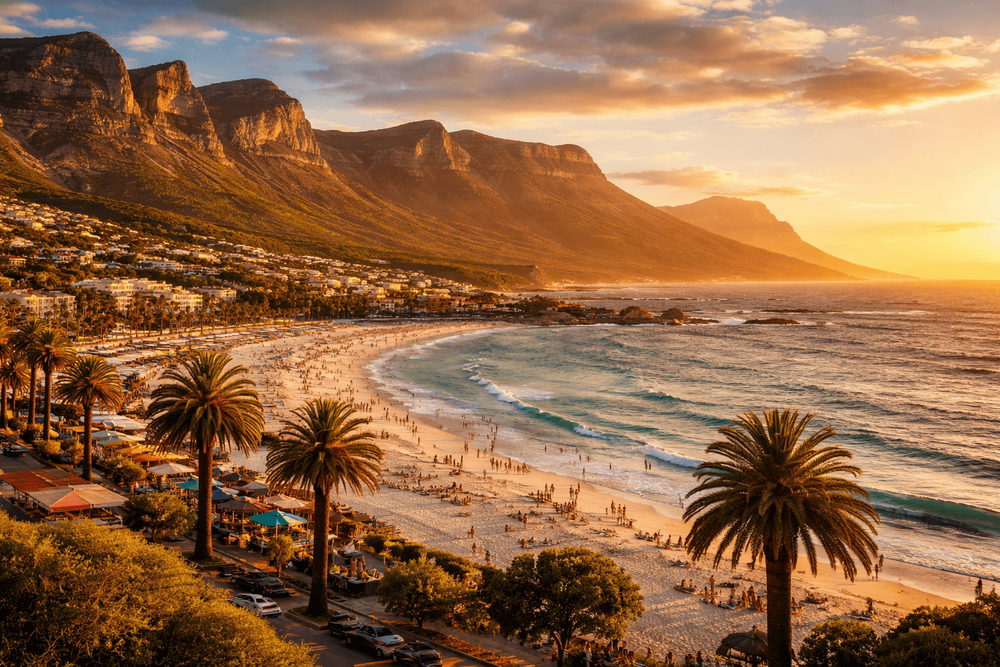
A gull slices through clear autumn light as the Table Mountain massif shakes off a gauzy morning cloud. The air is crisp, the Atlantic smells faintly of kelp, and the city’s trails, beaches, and wine valleys feel like they’re yours. This is Cape Town shoulder season—April through June—when the southeaster calms, the sun still lingers, and the city’s outdoor life hums without the summer crush.
Why Cape Town shoulder season (April–June) is the time to go
Autumn in the Mother City arrives with calm seas on the Atlantic Seaboard, golden afternoons that flatter sandstone cliffs, and the first rainfalls that wake up the fynbos. The mercury settles into that sweet spot for hiking Lion’s Head at dawn, paddling with dolphins off Sea Point, or pedaling the Sea Point Promenade without a headwind trying to lift you. Crowds thin, rooms are easier to snag, and restaurants can often take a day-of table—yet the city’s pulse is strong, with gallery openings, live music, and markets in full swing.
You also get range: long beach walks on Noordhoek with a sweater in your daypack, shady hours under giant trees at the Company’s Garden, and cool evenings that justify a fire-side tasting in the Constantia wine valley. If you’ve ever looked up at the cableway and wondered whether the wind would shut it down, this is the season when odds tilt in your favor.
A 5–7 day adventure blueprint
Use this as a flexible framework and let the weather lead—Cape Town rewards spontaneity.
Day 1: City orientation. Wander the historic Company’s Garden, duck into small museums, and climb to the Bo-Kaap for color-drenched streets and Cape Malay aromas drifting from home kitchens. Aim for sunset on Signal Hill or a quicker hike to Kloof Corner for a front-row seat to the city switching on.
Day 2: Table Mountain day. If the cableway is running, ride up early and trace a loop across the tabletop boardwalks. Hikers can take Platteklip Gorge up or down; the rock steps are steep but straightforward in good conditions. Paragliders lift off nearby when winds allow—watch their arcs over the ocean, or join with a tandem pilot if you’re feeling bold.
Day 3: Atlantic Seaboard rhythm. Start with a kayak launch from the small beaches near Sea Point; mornings often bring findable calm and the chance of penguin or dolphin sightings. Spend the afternoon along Clifton’s coves or Camps Bay’s long strip of sand. When the light turns syrupy, walk the Promenade and people-watch as waves slap the sea wall.
Day 4: The Cape Peninsula. Drive Chapman’s Peak—every bend is a postcard—then detour for a quick boat ride to see the resident seals near Hout Bay harbor. Continue to Noordhoek for a windswept beach walk, then curve into False Bay to visit the penguins around Boulders Beach. Finish at the Cape of Good Hope reserve, where cliff paths deliver wild, salt-sprayed drama.
Day 5: Winelands within city limits. Constantia’s slopes are stitched with historic estates and modern tasting rooms. Book a tasting flight, wander oak-lined avenues, and linger over a long, produce-forward lunch. Prefer a full-day vineyard immersion? The inland valleys of Stellenbosch or Franschhoek are within reach if you’re comfortable with the drive—or join a shuttle and skip the keys.
Day 6: Gardens and art. Kirstenbosch National Botanical Garden is at its freshest after the first rains; walk the Tree Canopy Walkway and picnic on the lawns with a view back to the mountain. In the afternoon, browse Woodstock’s street art corridors and design studios, then seek out a natural-wine bar or a neighborhood spot for line-caught fish.
Day 7: Cold-water thrills. The Atlantic here is bracing year-round; shoulder season invites you to lean in. Book a guided snorkel in kelp forests for underwater cathedrals of fronds and darting fish, or try a surf lesson in the gentle rollers of Muizenberg on the warmer False Bay side. If the sea turns choppy, swap fins for a tide-pool ramble in Kalk Bay.
Where to stay when prices soften
Shoulder months give you options across the city’s distinct neighborhoods:
Atlantic Seaboard (Sea Point, Bantry Bay, Camps Bay): For sunrise runs on the Promenade and sunsets that set the Twelve Apostles aglow. You’ll find sleek apartments, seaside guesthouses, and hotels with wind-sheltered pools.
City Bowl (Gardens, Tamboerskloof): Boutique stays in heritage homes, leafy streets under Lion’s Head, and easy access to Bree Street’s dining scene. Great if you want the mountain trailheads and galleries within quick reach.
V&A Waterfront: A practical base with harborside paths, shopping, and family-friendly attractions. Boat trips, museums, and the Robben Island ferry depart from here when seas allow.
Constantia wine valley: Green, quiet, and close to Kirstenbosch. Ideal if you daydream about breakfasts on vine-framed terraces and unhurried afternoons between tastings.
In April–June, ask about shoulder-season offers and flexible cancellation policies—availability tends to be better than peak summer without sacrificing atmosphere.
Eating and drinking in season
This city eats well all year, but Cape Town shoulder season aligns with cooler evenings and produce that suits slow cooking and coastal foraging. Look for:
Seafood: Line-caught hake, yellowtail, and snoek show up on menus, often simply grilled. Oysters are abundant along the coast; pair them with a local méthode cap classique.
Cape Malay flavors: Aromatic curries, slow-cooked stews, and sweet-savoury spices, especially around the Bo-Kaap and the City Bowl.
Markets: Weekend food markets gather bakers, cheesemakers, and coffee roasters under one roof—great for grazing and people-watching between gallery stops.
Wine: From cool-climate sauvignon blanc on the Atlantic side to pinot noir and chardonnay in higher, cooler pockets, tastings are relaxed and conversational this time of year. Many estates offer garden picnics when the weather plays along.
Practical details
Best time to visit
For this trip: April to June. Days are comfortably mild, the notorious southeaster often eases, and the light is glorious for photographers. Early winter showers can begin in May and June; plan hikes in the morning and keep a light shell handy.
How to get there
Fly into Cape Town International Airport (CPT). Direct and one-stop flights connect from major hubs in Europe, the Middle East, and elsewhere in Africa. From the airport, it’s roughly 20 to 30 minutes to the City Bowl by car, depending on traffic.
If you plan to range from the city to the peninsula and Winelands, renting a car offers the most flexibility—driving is on the left and major roads are in solid condition. Rideshares are widely used in the city, and official metered taxis operate from marked ranks. The city’s formal bus service links the airport with central stations; check schedules in advance.
What to expect on arrival
Orientation: English is widely spoken. ATMs and card payments are common; carry a little cash for small markets and parking attendants. SIM cards are easy to pick up at airport kiosks with a passport.
Safety: Cape Town is urban and coastal; treat it with city smarts and mountain respect. Keep valuables out of sight, use registered transport, stick to signposted trails, and avoid solo hiking at dawn or dusk. Ocean currents are strong—swim at lifeguarded beaches when possible and heed local advice.
Power and water: Occasional scheduled power cuts (locally called load-shedding) can occur; many hotels and restaurants have backup systems. The city remains water-wise—expect thoughtful conservation measures that don’t detract from comfort.
Weather: Pack for swing seasons. Mornings can start cool, midday can turn picnic-warm, and a sea breeze can change your plan—layering is your friend. Rain tends to arrive in passing fronts; they often leave behind polished, crystal-clear days.
Adventures that shine in April–June
Hiking the classics: Lion’s Head, Platteklip Gorge, and the Pipe Track deliver big scenery with manageable effort in cooler air. Start early for empty trails and warm color.
Two oceans in one day: Brave the chilly Atlantic for a quick dip at Clifton, then cross to False Bay for softer, warmer water and a surf.
Kelp forest snorkeling: With visibility often good after storms clear, the underwater world of fronds and urchins feels like another planet—guides provide wetsuits and local knowledge.
Peninsula road trip: From Chapman’s Peak to Cape Point, traffic thins and viewpoints are easier to claim. Keep a scarf for cliff-top gusts.
Urban culture: Galleries and studios around the City Bowl and Woodstock welcome unhurried browsing. Evenings mean live music, theater, and inventive tasting menus without the waitlists of mid-summer.
Booking smart in shoulder season
Aim your big-ticket outdoor days (Table Mountain, Cape Point) at the clearest forecasts, and keep a couple of flexible slots to swap if the weather shifts. Reserve restaurants a day or two ahead for peace of mind, and confirm opening hours—some venues tweak schedules in early winter. For wine country, designate a driver or book a transfer so tastings stay carefree.
The takeaway
If summer shouts, April–June speaks softly—and the city listens. The combination of calm seas, trail-friendly temperatures, and room to roam makes Cape Town shoulder season the stealth favorite for hikers, surfers, and scenery chasers. Book the window seat, keep your plans light on their feet, and let the mountain decide the day. You’ll head home with salt on your skin, red earth on your boots, and the sense that you caught the city at its prime.
Where to Stay

Hotel Verde Cape Town Airport
Hotel Verde Cape Town Airport is a 4-star stay near Cape Town International Airport, offering modern rooms, an outdoor pool, fitness center, and eco-friendly design for convenient stopovers and business trips.

Blaauwberg Beach Hotel
Blaauwberg Beach Hotel is a 4-star Cape Town stay near Bloubergstrand, offering easy beach access, sea views, and contemporary rooms. Guests rate it 9.2/10 for its location and comfortable, coastal setting.

Habitat Aparthotel by Totalstay
Habitat Aparthotel by Totalstay is a 4-star Cape Town stay offering apartment-style accommodation with convenient city access and a solid 8.6 guest rating.

Cape Town Lodge Hotel
Cape Town Lodge Hotel is a 4-star stay in central Cape Town, close to the V&A Waterfront and Table Mountain access. It offers comfortable rooms, a restaurant, bar, gym, and city views, with an 8.5/10 guest rating.

Taj Cape Town, South Africa
Set in central Cape Town, Taj Cape Town combines a historic building with contemporary rooms, a spa, indoor pool, and several dining options, placing guests close to the city’s main attractions and business district.