
Cheapest Countries to Backpack in 2026 — Budget Routes & Daily Costs
Where $25–40 a day still buys culture, cuisine, and sweeping landscapes: the smartest countries, routes, and daily costs for budget backpackers in 2026.
Mood
Budget Backpacking Adventure
At first light in Hanoi, steam rises from a street-side pot of pho, scooters whisper past like schools of fish, and a strong coffee costs less than a postcard. In moments like these, the cheapest countries to backpack don’t feel like corners cut—they feel like permission to wander longer, taste deeper, and say yes to one more night train. For 2026, this guide distills where a lean budget stretches farthest, how much to plan for each day, and which routes deliver maximum culture per dollar.
Why Choose Budget Backpacking in 2026 — And Who This Guide Is For
Travelers in 2026 face a paradox: global demand is up, but so are prices in traditional hotspots. Budget backpacking is the antidote—slow, flexible, and designed for immersion. It suits students testing a gap year, remote workers stringing together visas, and seasoned travelers who crave roadside meals and shared-story hostels over concierge desks. Beyond savings, this approach privileges connection: long-distance buses that become rolling salons, night markets where language is laughter and chili, and guesthouses where a local tip turns into an unexpected festival.

How to Travel the World on $50 a Day: Third Edition: Travel Cheaper, Longer, Smarter: Kepnes, Matt
How to Travel the World on ...50 a Day: Third Edition: Travel Cheaper, Longer, Smarter [Kepnes, Matt] on Amazon.com. *FREE* shipping on qualifying offers. How to Travel the World on ...50 a Day: Third
Check Price on AmazonThis guide focuses on destinations where daily costs are low, infrastructure supports independent travel, and cultural depth rewards time, not just spend. The aim is to help readers choose their own balance of frugality and small splurges—like a cooking class, a trekking permit, or a sunrise boat ride they’ll talk about for years.
How We Ranked the Cheapest Countries (Methodology & Daily-Budget Metrics)
To surface the most affordable, value-rich options, countries were evaluated using:
- Dorm bed median: Typical price for a clean, centrally located hostel bed (shared dorm) in high-season shoulder months.
- Budget private: Entry-level private rooms with fan/AC bathrooms at guesthouses and homestays.
- Food basket: Three meals—one market-style breakfast, one street-food lunch, one no-frills sit-down dinner, plus a coffee and water.
- Local transport: City buses/jeepneys/tuk-tuks or metro, plus representative intercity bus/train costs per 100–300 km.
- Activities: A mix of low-cost highlights (temples, museums, hikes) and occasional splurge items prorated (e.g., a day tour or permit spread across a week).
- Exchange-rate sensitivity: 2026 estimates factor recent currency trends and fuel prices. Budgets are in USD, per person per day, assuming shared rooms or dorms and public transit.
Daily ranges below represent typical backpacker spending excluding international airfare, travel insurance, and high-end tours. Add 20–30% for frequent private rooms or fast travel; subtract 10–15% for slow travel and self-catering.
Top 10 Cheapest Countries to Backpack in 2026
These are the standouts where a modest daily budget buys complex flavors, big landscapes, and layered history. For each, expect the following daily budget range (USD), highlights, and practical notes.
Vietnam — $25–35/day
The country unspools like a film reel: lanterned alleys in Hoi An, karst towers in Ninh Binh, and motorbikes weaving through the pulse of Saigon. Street food is both ritual and revelation—herb-bright bowls and charcoal-kissed skewers at pocket-change prices.
- Highlights: Ha Giang Loop by motorbike, Hue’s imperial citadel, limestone bays of Cat Ba (a calmer Ha Long alternative), the coffee culture of Da Lat.
- Costs: Dorms $5–10; local meals $2–4; overnight bus Hanoi–Hue from $15; museum/temple fees $1–5.
- When to go: Spring (Mar–May) and autumn (Sep–Nov) for milder weather north-to-south.
- Getting around: Reunification trains, open-bus networks, and cheap domestic flights for long hops.
Laos — $20–30/day
Laos moves to the tempo of its rivers. Orange-robed monks collect alms at dawn in Luang Prabang; jungle-clad waterfalls thunder turquoise; hammocks sway by the Mekong on Don Det.
- Highlights: Kuang Si Falls, Thakhek Loop, Nong Khiaw viewpoints, 4000 Islands.
- Costs: Dorms $5–8; meals $2–3.50; minivans between hubs $6–12.
- When to go: Nov–Mar for dry skies and cooler nights.
- Getting around: Minivans, slow boats, and a new high-speed rail connecting key northern towns.
Cambodia — $25–35/day
Temples emerge from tumbled jungle like a myth retold at sunrise. Yet beyond Angkor’s grandeur are pepper farms in Kampot, sleepy riverside towns, and beaches with a castaway hush.
- Highlights: Angkor Archaeological Park, Kep crab market, Battambang’s bamboo train, Koh Rong Samloem’s soft-sand bays.
- Costs: Dorms $5–10; meals $2–4; Angkor pass from $37 (prorate across days); buses $6–15.
- When to go: Dec–Mar for dry season; May–Jun for fewer crowds and greener countryside.
- Getting around: Extensive bus routes; ferries to islands from Sihanoukville.
Thailand (North & Isan) — $30–40/day
Leave the beaches and the budget stretches. In Chiang Mai, night markets glow with mango sticky rice; in Pai, rice paddies ripple toward mist-wrapped hills; in Isan, temple ruins sit lonely beneath cicada song.
- Highlights: Chiang Mai food scene, Pai canyons, Sukhothai’s ruins, Phimai and Phanom Rung in Isan.
- Costs: Dorms $7–12; meals $2–5; 2nd-class train Bangkok–Chiang Mai from $18.
- When to go: Nov–Feb cool and dry; avoid smoky season (roughly Mar–Apr) in the north if sensitive.
- Getting around: Trains, 24/7 buses, and affordable domestic flights for long distances.
Indonesia (Java, Sumatra, parts of Bali) — $25–40/day
Volcano sunrises, gamelan soundscapes, and warungs perfuming the air with galangal and lemongrass. Bali can be done on a budget inland; Java and Sumatra often run cheaper still.
- Highlights: Yogyakarta’s temples, Mount Bromo/Ijen, Lake Toba, Ubud’s backroads and waterfalls.
- Costs: Dorms $6–12; meals $1.50–3; ferries and buses $5–20 per leg.
- When to go: May–Sep dry season in most regions.
- Getting around: Ferries knit the islands; trains on Java are reliable; cheap domestic flights link major hubs.
Nepal — $20–30/day (trekking permits extra)
Prayer flags ripple against Himalayan blue. Kathmandu’s courtyards smell of incense and cumin; Pokhara’s lakeside hums with trekkers lacing boots for the Annapurnas.
- Highlights: Short treks (Poon Hill, Langtang), Bhaktapur’s brick-and-carved-wood alleys, Chitwan’s jungles.
- Costs: Dorms $4–8; dal bhat meals $2–4; permits/park fees for treks vary ($20–50+); buses Kathmandu–Pokhara from $8.
- When to go: Oct–Nov and Mar–Apr for clear trekking windows.
- Getting around: Tourist buses between hubs; jeeps in mountain regions.
India — $20–30/day
India is a symphony that refuses to play softly. Spice-laden thalis, temple bells at dusk, desert forts igniting under sunset light—and the gentle chaos of trains that are journeys unto themselves.
- Highlights: Rajasthan’s palaces (Jaipur, Jodhpur, Udaipur), Varanasi’s ghats, Hampi’s boulder gardens, Kerala’s backwaters.
- Costs: Dorms $3–8; meals $1–3; long-distance trains $5–15 (sleeper classes); monument fees vary widely.
- When to go: Oct–Mar for most regions; monsoon (Jun–Sep) paints the south green and quieter.
- Getting around: Vast rail network; state buses; plentiful budget flights.
Sri Lanka — $25–35/day
An island that packs continent-scale variety: tea-country ridges glistening with dew, cloud-forest trains curling past waterfalls, and dawn surf breaks smelling of salt and cinnamon.
Highlights: Kandy–Ella train, Sigiriya and Dambulla, Mirissa and Ahangama beaches, ancient cities of Anuradhapura and Polonnaruwa.
Costs: Dorms $6–12; meals $2–4; scenic trains $2–6; private tuktuk hires are affordable when shared.
When to go: Two monsoons split the coasts—Nov–Apr best for south/west; May–Sep for east.
Getting around: Trains are scenic and cheap; buses are everywhere.
Bolivia — $25–35/day
Thin air and oversize landscapes: mirror-flat salt pans, watercolor lagoons stippled with flamingos, and markets alive with Andean textiles.
- Highlights: Salar de Uyuni, La Paz cable cars, Sucre’s whitewash charm, Death Road cycling (budget permitting).
- Costs: Dorms $6–10; meals $2–4; intercity buses $8–20; multi-day Uyuni tours from $80–120 (share costs).
- When to go: May–Oct dry and clear; Dec–Mar for the salt-flat mirror effect after rains.
- Getting around: Long-distance buses dominate; a few domestic flights shorten vast distances.
Guatemala — $25–35/day
Volcano cones stand like sentinels over jade lakes and colonial plazas. Tortillas puff on comals, and chicken buses—riotously painted—thunder between highland villages.
- Highlights: Lake Atitlán villages, Acatenango overnight hike, Semuc Champey pools, Tikal’s jungle pyramids.
- Costs: Dorms $7–12; local eats $2–4; private shuttles between hubs $10–25; site fees $3–10.
- When to go: Nov–Apr dry season; shoulder months are lush and less crowded.
- Getting around: Shared shuttles for speed; chicken buses for savings and color (keep valuables secure).
Three Budget-Friendly Two-Week Itineraries with Sample Costs
Below, three classic routes that maximize culture and scenery with minimal spend. Prices are estimates per person in 2026, excluding international flights and travel insurance.
Southeast Asia Sampler: Bangkok to Laos (14 Days, ~$650–$850 total)
- Route: Bangkok (2 nights) → Ayutthaya (1) → Chiang Mai (4) → Pai (2) → Chiang Rai (1) → Luang Prabang, Laos (3) → Vang Vieng (1)
- Vibe: Street-food feasts, ruined kingdoms, cool mountain air, and lime-green karst valleys.
- Costs:
- Accommodation: $10–15/night in dorms = ~$140–210
- Food: $10–15/day = ~$140–210
- Transport: 2nd-class train Bangkok–Chiang Mai ~$18; buses Chiang Mai–Pai ~$6; Chiang Rai–Luang Prabang slow boat combo ~$40–60; shuttles and local rides ~$40–70
- Activities: Cooking class or elephant sanctuary (ethical) in Chiang Mai $25–45; temples and waterfalls $1–5 each; tubing or kayaks in Vang Vieng $10–20
- Pro tip: Travel light for easy bus-boat transfers and take the slow boat into Laos for a story-soaked journey. For deeper planning on this region’s classics and costs, see Backpacking Southeast Asia: The Definitive Guide for First-Timers (/experiences/backpacking-southeast-asia-guide).
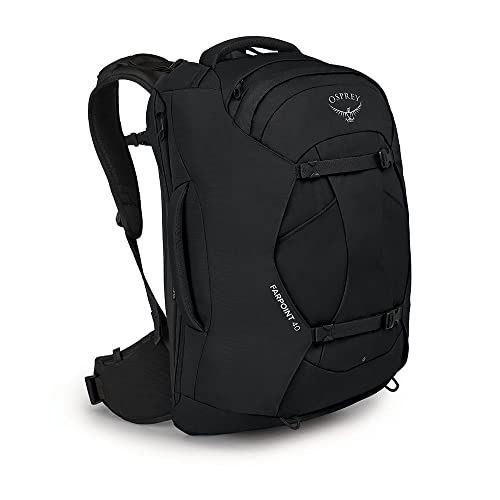
Osprey Farpoint 40L Men's Travel Backpack, Black
Internal organization has been ... whole kit along or slimming down for excursions. The Farpoint 40 is <strong>sized to meet most domestic carry-on requirements</strong>, making it the perfect one-pac
Check Price on AmazonNorth India Colors: Rajasthan & the Sacred Ganges (14 Days, ~$450–$700 total)
- Route: Delhi (2) → Jaipur (2) → Pushkar (2) → Jodhpur (2) → Udaipur (2) → Varanasi (3)
- Vibe: Mughal boulevards to blue-washed lanes, desert citadels, lake palaces, and dawn boats among incense curls on the Ganges.
- Costs:
- Accommodation: $6–12/night dorms or $12–20 basic privates = ~$100–240
- Food: $7–12/day = ~$100–170
- Transport: Sleeper trains between major legs, $5–15 each, total ~$40–70; occasional rideshares/auto-rickshaws ~$20–40
- Activities: Forts and palaces $2–10; Varanasi boat ride ~$5–10; classes (yoga/cooking) ~$5–15
- Pro tip: Book trains early on popular routes; travel between cities overnight to save on lodging and daylight.
Guatemala Highlands & Temples (14 Days, ~$600–$850 total)
- Route: Antigua (3) → Lake Atitlán (4, base in San Marcos or San Pedro) → Semuc Champey (2) → Flores/Tikal (3) → Guatemala City/Antigua (2)
- Vibe: Coffee-scented plazas, lakeside sunrises, jungle cenotes, and Mayan silhouettes cutting into emerald canopies.
- Costs:
- Accommodation: $8–15/night dorms = ~$110–210
- Food: $10–15/day = ~$140–210
- Transport: Shuttles Antigua–Atitlán ~$10; Atitlán boat taxis $1–3 per hop; Atitlán–Lanquin (Semuc) shuttle ~$25–35; Lanquin–Flores ~$20–30; local buses in towns <$2
- Activities: Acatenango trek (optional) $60–90 with gear; Tikal entry ~$25; Semuc tours $20–30
- Pro tip: If trekking Acatenango, rent gear locally to avoid hauling. Secure valuables on chicken buses.
Daily-Cost Breakdown: What Backpackers Actually Spend
Realistic low-to-midrange totals for 2026 in the cheapest countries to backpack:
Beds
- Southeast Asia: Dorms $5–12; budget privates $12–25
- South Asia: Dorms $3–10; budget privates $8–20
- Latin America: Dorms $7–15; budget privates $15–30
Food & Drink
- Street/market meals: $1.50–4 (South/Southeast Asia), $3–5 (Latin America)
- Sit-down local restaurants: $3–6 (Asia), $5–8 (Latin America)
- Coffee/tea/juice: $0.50–2
- Beer: $1–3; fresh coconuts often <$1.50
Transport
- City buses/jeepneys/tuk-tuks: $0.25–3 per ride
- Intercity buses/minivans (200–400 km): $6–20
- Trains (where available): Comparable or cheaper than buses; sleepers in India often $5–15
- Scooter rentals (Asia): $5–10/day; fuel pennies on the dollar
Activities & Fees
- Museums/temples: $1–10
- Day trips (caves, islands, waterfalls): $10–30
- Multi-day treks/tours: $60–150, share costs with travel buddies
Daily Totals (frugal but comfortable)
- Asia: $20–35
- Latin America: $25–40
Expect higher spend in capital cities, islands with limited competition, and during festivals. Slow travel, self-catering breakfasts, and sharing rides compress costs significantly.
Practical Hacks to Stretch Your Budget
- Move with the night: Overnight buses and sleeper trains save on accommodation and daylight. Pack earplugs, a light lock, and a thin layer for aggressive air-con.
- Eat at the edges: Market perimeters and university neighborhoods deliver authentic, lower-priced meals. Follow the longest lines and the shortest menus.
- Scout lodgings offline: In budget towns, walk a two-block radius from the bus stop, peek at rooms, and ask for a walk-in rate. Cash talks, particularly for multi-night stays.
- Anchor splurges: Choose one per week—a cooking class, canyon trek, or dive—and budget around it. Everything else stays simple.
- Filter your water: A compact bottle with a purifier cuts plastic and costs. Many hostels offer refills for a nominal fee.
- SIM smart: Buy local SIMs with data at arrival airports or official kiosks; use offline maps to avoid roaming.
- Share the ride: Fill tuk-tuks, split taxis to trailheads, or post in hostel groups to divide costs of day trips.
- Mind the seasons: Travel shoulder months for lower prices and ample availability. Avoid major holiday surges where rates double overnight.
- Book flights like a pro: Flexible dates, regional hubs, and multi-city tickets trim airfare. For strategies that compound savings, see Cheap Flights: Insider Guide to Finding the Lowest Airfares (/experiences/cheap-flights-insider-guide-lowest-airfares).
- Systematize savings: If you’re building a long trip, our Budget Travel: A Backpacker’s Guide to Smart, Stylish Savings (/experiences/budget-travel-backpackers-guide-smart-stylish-savings) lays out repeatable tactics from food to fees.

GRAYL UltraPress 16.9 oz Water Purifier & Filter Bottle for Hiking, Backpacking, Survival, Travel (Olive Drab)
The 16.9 Fl Oz UltraPress Water Filter & Purifier Bottle <strong>removes ALL global waterborne pathogens (virus, bacteria, protozoa).</strong> As dirty water is pressed through the purifier media,
Check Price on AmazonVisas, Safety, and Health on a Shoestring
Visas & Border Formalities
- E-visas are increasingly common (India, Vietnam, Sri Lanka). Apply on official government sites; print or save confirmations offline.
- Overland crossings can add fees (stamps, shuttles). Keep small USD or local currency handy and confirm prices with multiple sources.
- Entry rules change. Check official advisories and embassy pages a week before crossing.
Safety Sense
- Petty theft clusters on crowded buses, beaches after dark, and party districts. Use hostel lockers and an under-clothes pouch for passports/cards.
- Night buses are standard; choose reputable companies and keep essentials close.
- In rural treks, hire local guides when trails are poorly marked. Share your route with accommodations.
Health & Hygiene
- Vaccinations: Consult a travel clinic for region-specific advice (e.g., Hep A/B, typhoid, tetanus, rabies where animals are common). Consider malaria prophylaxis based on itinerary.
- Food & water: Choose busy stalls, cooked-to-order dishes, and peeled fruit. Hand sanitizer and rehydration salts are tiny, mighty investments.
- Altitude: In Nepal and Bolivia, ascend gradually, hydrate, and schedule buffer days to avoid AMS.
- Insurance: Medical coverage for evacuation and accidents is critical—even for ultra-budget travelers.
Next Steps: Plan, Pack, and Keep Reading
- Lock your short list: Compare the above snapshots with broader value picks in Cheapest Countries to Visit in 2026: Where Your Travel Budget Goes Far (/experiences/cheapest-countries-to-visit-2026).
- Map your route depth-first: If you prefer highlights over haste, consult The Best Backpacking Destinations for 2026: Routes, Budgets & Tips (/experiences/best-backpacking-destinations-2026-routes-budgets-tips) to match vibe with budget and season.
- Optimize your region: Southeast Asia calling? Backpacking Southeast Asia: The Definitive Guide for First-Timers (/experiences/backpacking-southeast-asia-guide) details visas, border runs, and classic loops.
- Cut flight costs: Before you hit buy, study Cheap Flights: Insider Guide to Finding the Lowest Airfares (/experiences/cheap-flights-insider-guide-lowest-airfares) to master flexible calendars and mistake fares.
- Systemize savings: For a full framework—from daily spend targets to money belts and apps—read Budget Travel: A Backpacker’s Guide to Smart, Stylish Savings (/experiences/budget-travel-backpackers-guide-smart-stylish-savings).
As buses rumble into dawn and another city yawns awake, budget backpacking in 2026 feels less like compromise and more like craft: time-rich, curiosity-led, measured in new friends and night-market flavors. Choose your corridor—an island chain, a highland loop, a string of colonial plazas—and let a small budget open big doors.
Recommended Travel Gear
How to Travel the World on $50 a Day: Third Edition: Travel Cheaper, Longer, Smarter: Kepnes, Matt
How to Travel the World on ...50 a Day: Third Edition: Travel Cheaper, Longer, Smarter [Kepnes, Matt] on Amazon.com. *FREE* shipping on qualifying offers. How to Travel the World on ...50 a Day: Third
Osprey Farpoint 40L Men's Travel Backpack, Black
Internal organization has been ... whole kit along or slimming down for excursions. The Farpoint 40 is <strong>sized to meet most domestic carry-on requirements</strong>, making it the perfect one-pac
GRAYL UltraPress 16.9 oz Water Purifier & Filter Bottle for Hiking, Backpacking, Survival, Travel (Olive Drab)
The 16.9 Fl Oz UltraPress Water Filter & Purifier Bottle <strong>removes ALL global waterborne pathogens (virus, bacteria, protozoa).</strong> As dirty water is pressed through the purifier media,