
Cheapest Countries to Visit in 2026: Where Your Travel Budget Goes Far
Stretch your budget in 2026 with data-backed picks, per‑day costs, and ready-to-use itineraries for the world’s best-value destinations.
Mood
Value-Focused Adventure
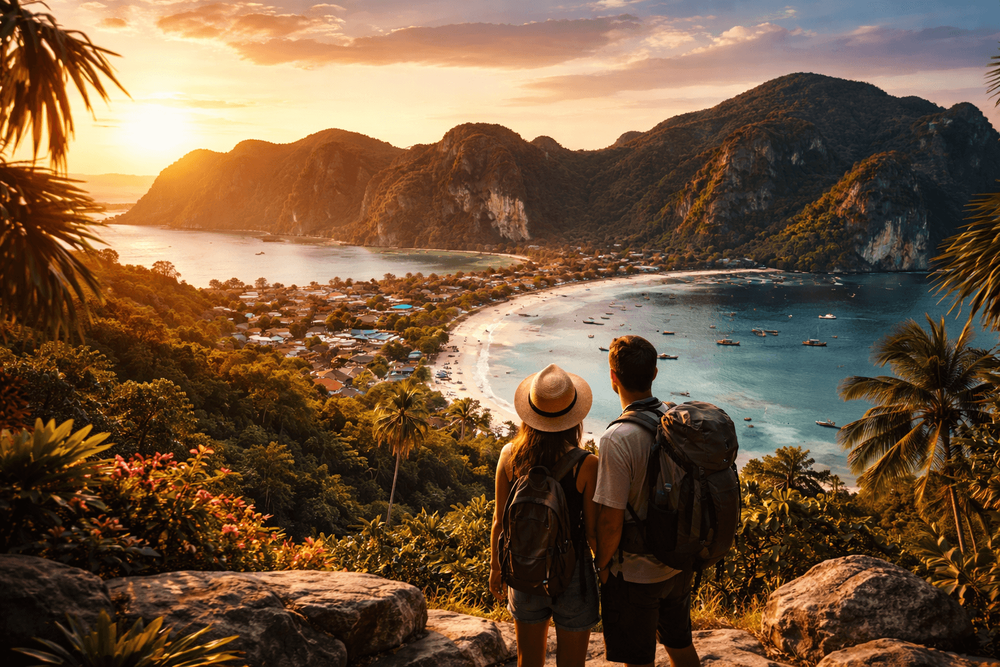
At sunrise, the long-tail boats on Thailand’s Krabi coast bob quietly, their prows painted in saffron and lime, while a vendor pours condensed milk into iced coffee for a few coins. Across the world, a tram in Sofia squeals through a leafy boulevard, and in La Paz, a cable car hums over patchwork rooftops toward snow-dusted peaks. The cheapest countries to visit in 2026 aren’t just about low prices—they’re about how far a modest budget can take travelers into the texture of daily life: the scent of sizzling street food, the cadence of a market haggling session, the slow-bloom satisfaction of a sleeper train.
Why “Cheapest” Is More Than Price
Budget-friendly doesn’t simply mean inexpensive. Consider value: the ease of moving around without costly transfers, abundant street food that becomes a culinary education, affordable accommodations that are clean and central, and attractions where entry tickets are modest but meaning is immense. A truly budget-friendly country offers:

How to Travel the World on $50 a Day: Third Edition: Travel Cheaper, Longer, Smarter: Kepnes, Matt
How to Travel the World on ...50 a Day: Third Edition: Travel Cheaper, Longer, Smarter [Kepnes, Matt] on Amazon.com. *FREE* shipping on qualifying offers. How to Travel the World on ...50 a Day: Third
Check Price on Amazon- Low day-to-day costs for meals, local transport, lodging, and cultural sites
- Strong travel infrastructure that reduces friction and surprise expenses
- Seasonality that rewards off-peak travelers with both savings and quieter sights
- Experiences that don’t require premium tours to feel extraordinary
In 2026, exchange rates, inflation, and post-pandemic travel patterns continue to shift. The destinations below pair relative affordability with compelling reasons to go now—cuisine, culture, landscapes, and the sense of discovery that comes at a fair price.
Our Methodology: How We Estimated Per‑Day Budgets
Numbers here are designed as planning anchors, not absolutes. Budgets reflect typical independent travel costs per person, per day (excluding international flights) across three tiers:
- Shoestring: Hostels or guesthouses, street food and casual eateries, public transport, free/low-cost sights
- Comfort: Private rooms in midrange hotels or boutique guesthouses, a mix of street food and sit-down dining, intercity buses or trains, a few guided activities
- Upgrade: Well-located boutique or design hotels, frequent restaurant dining, some private transfers and paid experiences
Estimates were built from a blend of data and on-the-ground perspectives:
- Exchange-rate trends and inflation indicators (IMF, World Bank) and purchasing power parity (PPP) to compare relative value
- Aggregated accommodation pricing from major booking platforms, hostel averages, and midrange hotel medians across multiple cities per country
- Typical costs for intercity buses and trains, rideshares/taxis, museum and park entries, and common day tours
- Government tourism boards, national statistics, and traveler reports to triangulate local price norms
All figures are in USD, rounded, and reflect late-2025/early-2026 conditions. Expect regional variation within each country and seasonal swings; coastal hot spots, remote islands, or marquee festivals can lift costs.
Top Cheapest Countries to Visit in 2026
Below, regional picks marry per‑day budgets with a handful of highlights to show what your money unlocks. These are among the top cheapest countries to visit this year for overall value.
Southeast Asia
Vietnam — $30–45 shoestring; $60–90 comfort; $110–150 upgrade
- Highlights: Lantern-lit Hoi An, limestone karsts of Ninh Binh, Hanoi’s steaming pho breakfasts, breezy coastal trains.
- Why now: Exceptional street food and robust rail/bus network keep costs low even as experiences feel rich.
Cambodia — $30–40; $55–85; $100–140
- Highlights: Dawn at Angkor Wat, pepper farms in Kampot, laid-back Koh Rong sands.
- Value edge: Affordable guesthouses and intercity buses; temple passes are the main splurge.
Laos — $30–40; $55–80; $95–130
- Highlights: Alms-giving in Luang Prabang, the Mekong’s slow boats, misted waterfalls outside town.
- Value edge: Quiet pace and inexpensive eateries; Vang Vieng’s karst playground at low cost.
Indonesia (Java, Bali beyond beach strips, Yogyakarta) — $35–50; $70–100; $110–150
- Highlights: Sunrise over Borobudur, Ubud’s rice terraces, Komodo’s dragon isles (boat trips add).
- Tip: Inter-island flights can nudge budgets upward; base in one region to save.
Philippines — $35–55; $70–110; $120–170
- Highlights: Palawan lagoons, Bohol’s tarsiers, jeepney rides and fiesta culture.
- Value edge: Local eateries (carinderias) are excellent; ferries beat frequent flights for savings.
Thailand (especially the north) — $40–60; $80–120; $130–190
- Highlights: Night markets of Chiang Mai, emerald temples, island-hopping in shoulder season.
- Note: Resorts and prime islands cost more; northern cities keep budgets pleasantly trim.
South Asia
India — $25–40; $50–80; $100–150
- Highlights: Rajasthan’s forts, Kerala backwaters, Varanasi’s aarti on the Ganges.
- Value edge: Ultra-affordable trains, thali meals, and family-run guesthouses.
Nepal — $25–35; $45–70; $90–130
- Highlights: Himalayan panoramas on teahouse treks, Kathmandu’s stupas, Pokhara’s placid lake.
- Tip: Trek permits and guides add cost but remain excellent value for world-class scenery.
Sri Lanka — $30–45; $60–90; $110–160
- Highlights: Tea country rail rides, ancient cities of the Cultural Triangle, cinnamon-scented coasts.
- Value edge: Distances are short; trains and buses are cheap and scenic.
Bangladesh — $25–35; $45–65; $80–120
- Highlights: Dhaka’s river life, Sundarbans mangroves, terracotta mosques of Bagerhat.
- Note: Modest tourism infrastructure keeps prices low but travel slower.
Caucasus & Central Asia
Georgia — $30–45; $60–90; $110–150
- Highlights: Supra feasts and qvevri wine, Tbilisi’s sulfur baths, Svan towers under snowy caps.
- Value edge: Hearty cuisine and guesthouses deliver outsized hospitality per dollar.
Armenia — $30–45; $60–85; $100–140
- Highlights: Lake Sevan, Tatev Monastery by wings of the cableway, cavern-carved Geghard.
- Tip: Marshrutka minibuses are cheap and frequent between key sights.
Uzbekistan — $30–45; $60–85; $100–140
- Highlights: Blue-tiled madrasas of Samarkand and Bukhara, high-speed Afrosiyob trains.
- Value edge: Silk Road grandeur at modest entry fees.
Kyrgyzstan — $25–40; $50–80; $95–130
- Highlights: Yurt stays on Son-Kul, wildflower meadows of Ala-Archa, horse treks.
- Note: Transport to mountain regions adds time; community-based tourism is affordable.
Eastern Europe & the Balkans
Albania — $30–50; $60–95; $110–150
- Highlights: Riviera coves of the Ionian, Ottoman-era Berat, alpine Theth.
- Value edge: Seafood feasts and seaside stays that undercut better-known neighbors.
North Macedonia — $30–45; $55–85; $95–130
- Highlights: Lake Ohrid’s monastery vistas, Skopje’s Ottoman bazaar lanes.
- Tip: Buses link towns cheaply; lakefront rooms are bargains outside peak.
Bosnia and Herzegovina — $30–45; $60–90; $100–140
- Highlights: Mostar’s arched bridge, Sarajevo’s café culture and history-scented lanes.
- Value edge: Mountain hikes and cevapi meals that barely dent a budget.
Romania — $35–55; $70–100; $110–160
- Highlights: Painted monasteries, Transylvanian villages, Carpathian switchbacks.
- Tip: Trains are scenic; regional guesthouses brim with farm-to-table spreads.
Bulgaria — $35–55; $70–100; $110–160
- Highlights: Black Sea sands, Thracian ruins, cobbled Plovdiv.
- Value edge: Ski towns and seaside both deliver off-peak deals.
Turkey — $35–55; $70–100; $120–170
- Highlights: Cappadocia’s honeycombed valleys, Aegean ruins, hammam rituals in Istanbul.
- Note: Prices vary widely by neighborhood; the overall value remains strong.
Middle East & North Africa
Morocco — $30–50; $60–95; $110–160
- Highlights: Atlas switchbacks, blue-washed Chefchaouen, mint tea and tagines.
- Value edge: Riads and medina eats keep culture and costs close at hand.
Egypt — $25–45; $50–85; $100–150
- Highlights: Giza’s pyramids, Luxor’s temples, felucca drifts on the Nile.
- Tip: Trains and domestic flights are affordable; guides enhance sites without breaking the bank.
Tunisia — $30–45; $55–85; $95–140
- Highlights: Roman amphitheaters, Sahara oases, white-and-blue seaside towns.
- Value edge: Compact distances and low-cost shared taxis (louages).
Latin America
Bolivia — $30–45; $55–85; $100–140
- Highlights: Salt-flat horizons at Uyuni, witch markets of La Paz, Lake Titicaca’s islands.
- Tip: High-altitude routes are inexpensive but pace yourself.
Peru — $35–55; $65–95; $110–160
- Highlights: Machu Picchu and the Sacred Valley, ceviche by the Pacific, Andean textiles.
- Value edge: Long-distance buses and set-lunch menus (menu del día) stretch soles and soles.
Ecuador — $35–55; $65–95; $110–160
- Highlights: Avenue of the Volcanoes, colonial Cuenca, cloud-forest birding.
- Note: Mainland remains affordable; Galápagos is a planned splurge.
Colombia — $35–55; $65–100; $110–170
- Highlights: Cartagena’s coral-stone glow, Medellín’s cable cars, coffee fincas.
- Value edge: Intercity buses and budget flights unlock diverse regions.
Guatemala — $30–45; $55–85; $95–140
- Highlights: Lake Atitlán’s crater-lake villages, Tikal’s jungle pyramids, handwoven huipiles.
- Tip: Shuttles between tourist hubs are cheap and frequent.
These regional standouts consistently deliver the travel alchemy of small spends, big experiences. Among the cheapest countries to visit, they balance sensory richness with logistics that keep your itinerary—and wallet—light.
Sample Budgets and Itineraries That Stretch Your Money
Use these ready-to-adapt plans to visualize costs and pacing. Totals exclude international flights.
5 Days: City-and-Nature Taste of Georgia (approx. $375 shoestring; $650 comfort)
- Day 1–2: Tbilisi
- Meander Sololaki’s Art Nouveau balconies, take a sulfur bath, climb to Narikala Fortress.
- Costs: Lodging $20–35 (hostel/guesthouse) or $60–100 (boutique); meals $10–25 per day; metro and rideshares <$5/day.
- Day 3: Mtskheta & Uplistsikhe day trip
- Ancient cathedrals and rock-hewn town; marshrutkas <$10 round-trip.
- Day 4–5: Kazbegi (Stepantsminda)
- Hike to Gergeti Trinity Church, sip mountain tea; shared minivan from Tbilisi ~$10–15.
Estimated daily spend: $65–80 shoestring; $120–150 comfort. Splurge: a vineyard lunch in Kakheti or a private driver on the Georgian Military Highway.
10 Days: Vietnam to Cambodia Overland (approx. $650 shoestring; $1,150 comfort)
- Day 1–3: Ho Chi Minh City
- Street food crawl (banh xeo, bun thit nuong), War Remnants Museum, coffee culture.
- Day 4–5: Mekong Delta homestay
- Boat markets at dawn, coconut candy workshops; bus from HCMC ~$10–15.
- Day 6: Bus to Phnom Penh
- Overland border crossing; visa-on-arrival/eVisa fees extra.
- Day 7–8: Phnom Penh
- Royal Palace, sobering memorial sites, riverside strolls.
- Day 9–10: Siem Reap & Angkor
- Sunrise at Angkor Wat; rent a bicycle or tuk-tuk for temple circuits.
Estimated daily spend: $60–75 shoestring; $110–140 comfort (Angkor pass $37–62 extra depending on duration). Save with overnight buses; splurge on a guided Angkor day.
14 Days: Balkans Loop through Albania and North Macedonia (approx. $1,000 shoestring; $1,800 comfort)
- Day 1–2: Tirana
- Boulevard cafés, Blloku’s creative scene, museums tracing recent history.
- Day 3–5: Albanian Riviera (Himarë/Sarandë)
- Peppled coves, grilled fish lunches, castle sunsets; intercity buses ~$10–15.
- Day 6–7: Gjirokastër & Berat
- Ottoman stone towns with hilltop fortresses; guesthouses brim with homemade breakfasts.
- Day 8–10: Lake Ohrid (North Macedonia)
- Monastery of St. Naum by boat, cliffside Kaneo church, lakeside cycling.
- Day 11–12: Skopje
- Old Bazaar kebabs, mountaintop Matka Canyon day trip.
- Day 13–14: Back to Albania’s Shkodër & Theth (if in season)
- Alpine hiking; shared vans connect towns cheaply.
Estimated daily spend: $65–80 shoestring; $120–150 comfort. Splurge selectively on a sea-view room or a guided alpine trek.
Where to Splurge—and Where to Save
Smart travelers don’t penny-pinch across the board. They calibrate.
Splurge on signature experiences
- A sunrise balloon over Cappadocia, a multi-day trek in Nepal with a trusted guide, a Nile felucca with a skilled captain, a slow-boat Amazon wildlife excursion. These elevate the trip beyond price tags.
Save on what locals do best
- Eat where the line of residents coils: Vietnamese banh mi windows, Peruvian menú del día spots, Balkan bakeries doling out burek, Moroccan snack stalls serving bissara. The flavors—and values—are unsurpassed.
Splurge on location, save on square footage
- A small, central room in Tbilisi or Hanoi trims transit costs and maximizes time. Skip large footprints; invest in walkability.
Save with slower travel
- Fewer regions, more depth. Each long-distance hop eats both money and days. In the cheapest countries to visit, the richest dividends often come from lingering.
Splurge on safety and health
- Pay for reputable operators on mountain, desert, or jungle excursions; spring for travel insurance and necessary vaccinations. Value includes peace of mind.
Practicalities: Visas, Safety, Health, Seasons, Tipping
- Visas
- Policies vary widely by passport. Many featured countries offer eVisas or visa-on-arrival. Confirm requirements on official government sites 4–8 weeks in advance and carry passport photos and cash in small bills for border fees.

GRAYL UltraPress 16.9 oz Water Purifier & Filter Bottle for Hiking, Backpacking, Survival, Travel (Olive Drab)
The 16.9 Fl Oz UltraPress Water Filter & Purifier Bottle <strong>removes ALL global waterborne pathogens (virus, bacteria, protozoa).</strong> As dirty water is pressed through the purifier media,
Check Price on AmazonSafety
- Tourist areas in these destinations are generally well-trodden. Standard street smarts apply: avoid flashy displays, use hotel safes, register with your embassy if appropriate, and ask locals about neighborhoods after dark. Check current advisories before travel.
Health
- Drink bottled or filtered water where advised; consider a portable purifier. In high altitudes (Andes, Central Asia), acclimatize slowly. Pack a basic kit: rehydration salts, anti-diarrheals, motion-sickness tablets for mountain and coastal buses.
Seasons
- Shoulder seasons often balance cost and comfort: April–June and September–November in much of Europe and the Caucasus; November–March (excluding peak holidays) across parts of Southeast Asia; May–June and September–October in North Africa.
- Monsoon patterns matter: For Vietnam and Thailand, weather varies north to south; plan regionally rather than nationally.
Tipping norms (broad strokes)
- Southeast/South Asia: Small change or rounding up; 5–10% in tourist restaurants.
- Balkans/Eastern Europe: Round up or add ~10% in sit-down venues.
- North Africa: 5–10% in restaurants; small tips for porters and guides are appreciated.
- Latin America: 10% customary in restaurants where service isn’t included.
How to Book Smart in 2026
Flights: Timing and routes
- Use flexible-date searches and price alerts. For long-haul, 2–5 months ahead is a sweet spot; for regional hops, 3–8 weeks often yields deals. Consider hub cities (Istanbul, Doha, Singapore) and self-connect with generous layovers to reduce risk.
- Midweek departures can help; weigh baggage fees and transit times when comparing “ultra-cheap” fares.
Lodging: Strategy by season
- Book cancellable stays early for peak periods (summer coasts, holiday weeks). In shoulder or low seasons, mix pre-booked anchors (first and last nights) with on-the-ground scouting for guesthouse deals.
- Prioritize properties within walking distance of transit hubs or old towns to cut daily costs.
Money and exchange
- ATMs usually offer the best rates; decline “dynamic currency conversion” and choose local-currency charges. Carry a fee-free card and a backup.
- Keep a small reserve of USD/EUR for border fees or remote areas. Split cash and cards between bags.
- Exchange at banks or reputable bureaus; airport kiosks are fine for a starter amount only.
Getting around
- Overnight buses and trains double as lodging days; book reputable companies and bring layers. Intercity minibuses are cheap but pack light.
- In cities, transit cards and rideshares are budget-friendly; walking tours (free/donation-based) offer orientation and context.
Connectivity
- Local SIMs are inexpensive; eSIMs simplify arrival. Offline maps and translation apps reduce missteps—and mischarges.
Ready to Go Deeper
When a country or two calls your name, drill into the details that make itineraries sing: neighborhood-by-neighborhood city guides, curated coastal road trips, mountain trekking primers, and food-lover routes that map markets to mealtimes. Look for deep dives on:
- Vietnam’s coastal rail from Hanoi to Hue and Da Nang
- An Albania Riviera week with village-by-village stays
- A Georgia wine-country ramble through Kakheti guesthouses
- A Peru loop that threads Lima’s food scene to Andean markets
- A Cambodia journey that pairs Angkor with the pepper fields of Kampot
The cheapest countries to visit aren’t a compromise. They’re an invitation to widen the map—where a street-side bowl of noodles, a family-run stay, or a local bus over a mountain pass become not just economical, but elemental to the story. In 2026, value and wonder meet on riverbanks and rooftops the world over; the only question left is which sunrise you’ll chase first.
Recommended Travel Gear
How to Travel the World on $50 a Day: Third Edition: Travel Cheaper, Longer, Smarter: Kepnes, Matt
How to Travel the World on ...50 a Day: Third Edition: Travel Cheaper, Longer, Smarter [Kepnes, Matt] on Amazon.com. *FREE* shipping on qualifying offers. How to Travel the World on ...50 a Day: Third
GRAYL UltraPress 16.9 oz Water Purifier & Filter Bottle for Hiking, Backpacking, Survival, Travel (Olive Drab)
The 16.9 Fl Oz UltraPress Water Filter & Purifier Bottle <strong>removes ALL global waterborne pathogens (virus, bacteria, protozoa).</strong> As dirty water is pressed through the purifier media,