
Savor Bolivia: What to Expect on Culinary Tours and Food Experiences
From La Paz markets to Amazon cacao, discover Bolivia’s bold flavors, hands-on tastings, and the people who keep its culinary traditions alive.
Mood
Culinary Adventure
Steam curls up from vats of api morado on a frosty La Paz morning as vendors fold hot pastel de queso into paper pockets and the scent of ají peppers and fresh cilantro drifts across the cobbles. A woman ladles chairo—beef-and-barley soup deepened with chuño—into enamel bowls while the first trays of salteñas, lacquered with a caramel sheen, arrive from the bakery. This is where culinary tours in Bolivia begin: in the hum of a market at altitude, where recipes carry the weight of mountains and the warmth of kitchens that stretch back generations.
Culinary Tours in Bolivia: A Regional Map of Flavor
Bolivia’s table is a mosaic of landscapes, from the ocher Altiplano to the lush Yungas and Amazon basin to the tropical lowlands and sun-drenched valleys. Culinary tours in Bolivia thread these distinct geographies into a single, flavorful narrative.

Lonely Planet Bolivia (Travel Guide): Albiston, Isabel, Grosberg, Michael, Johanson, Mark
Lonely Planet's Boliviais <strong>your passport to the most relevant, up-to-date advice on what to see and skip, and what hidden discoveries await you</strong>. Explore the world's largest s
Check Price on AmazonAltiplano and High Valleys: Hearty Andean Soul Food
The Altiplano—home to La Paz, Lake Titicaca, and the silver-shadowed city of Potosí—cooks with endurance. Expect robust soups and stews designed for thin air and cold nights. Chairo layers beef, chuño (freeze-dried potato), and mote corn with a hint of mint. Fricasé paceño simmers pork in a chile-tinted broth, and sopa de maní surprises with the sweetness of ground peanuts folded into stock. Llama and alpaca appear as charque (dried, then rehydrated and pan-fried) or grilled with a citrus-bright llajua salsa.
Mornings call for salteñas—golden, juicy hand pies that might cradle beef, chicken, or even vegetarian fillings laced with olives, raisins, and a whisper of ají. Evenings bring anticuchos, smoky skewers of beef heart or steak brushed with garlic and cumin, fanned over street braziers until the edges crisp. Sip api morado—purple corn warmed with cinnamon and clove—or mocochinchi, a tart, amber iced tea built around dehydrated peaches. In the high valleys around Tarija, singani, Bolivia’s aromatic grape brandy, anchors the refreshing chuflay cocktail with ginger ale and lime.
Yungas and Amazon: Lush, Leafy Abundance
Dropping from the Andean spine into the Yungas, the climate shifts to mist and mango trees. Caranavi and Alto Beni are coffee and cacao country; here, tours trace beans and pods from farm to roaster, pod to truffle. River fish such as surubí appear grilled or in coconut-laced stews, while hearts of palm, yuca, and plantain share the plate with bright salsas. Copoazú and açaí-like native berries churn into fresh juices and ices, cutting the tropical heat.
Cultural rituals run deep. Coca leaves—sacred in Andean and Amazonian cosmology—are chewed or brewed as mate de coca to ease altitude and offer thanks to Pachamama. Visitors are often invited to participate in a small ch’alla libation, a reverent splash to the earth before eating or drinking.
Lowlands and Valleys: Sunshine on the Plate
In and around Santa Cruz de la Sierra, the diet lightens. The camba kitchen leans into rice and yuca, grilled beef, and tropical fruit. Majadito combines rice with shredded beef and fried egg; locro camba is a gentle, pumpkin-forward soup; cuñapé—springy cheese bread—arrives warm, almost inhaled. Cochabamba’s valleys claim a reputation for abundance: silpancho (a pounded, breaded beef cutlet over rice and potatoes with salsa and fried egg) and pique a lo macho (heaped beef, sausage, peppers, and onions over potatoes) are communal feasts, best shared. Chicha, the ancestral corn brew, appears across valleys and highlands, sometimes tasted from a communal cup.
Seasonality matters. Quinoa harvests shape rural menus around the Salar de Uyuni in the dry months. Fruit is riotous at year’s end in the tropics, while All Saints in November brings tantawawas—sweet bread “babies”—to market stalls. Culinary tours in Bolivia often time tastings to these seasonal rhythms, revealing how geography and calendar hang on every bite.
What You’ll Do and Learn on Food-Focused Tours
Culinary tours in Bolivia are less about checking boxes and more about learning to read the country through its pantry. Expect to apprentice—if only briefly—to the keepers of culinary memory.
Market immersions: La Paz’s Mercado Rodríguez or Mercado Lanza, Sucre’s Mercado Central, and Cochabamba’s sprawling La Cancha are living classrooms. Guides interpret produce you may never have seen—ulluco tubers, giant mote corn, hierbas from the Yungas—and introduce vendors who explain how to peel a cactus fruit without pricking a finger or grind ají amarillo for llajua.
Street-food crawls: Evenings bring braziers, sizzling anticuchos, tucumanas (crisp-fried cousins to salteñas), and towering cups of somó (corn drink). You’ll learn the unspoken code—join the busiest queue, order “con todo,” and finish with a spoonful of peanuty llajua.
Hands-on cooking classes: From crimping a salteña with a flawless repulgue to steaming humintas in corn husks, classes demystify techniques while grounding them in culture. Some workshops explore ancestral ingredients—amaranth, tarwi (Andean lupin), or the three lives of the potato: fresh, chuño, and tunta.
Farm, roastery, and producer visits: In Caranavi, trace specialty coffee from shade-grown cherries to a fragrant pour-over. In Alto Beni, crack cacao pods and taste sticky, floral pulp before roasting and tempering chocolate. Around Sucre and the Valle Alto, try fresh cheeses and artisanal yogurts; on the Altiplano, walk quinoa fields, discussing fair pricing and climate resilience with growers. Tarija’s vineyards demystify singani production—Muscat of Alexandria grapes, high-altitude distillation—and pair tastings with sun-warmed figs.
Throughout, travelers gain fluency in flavor, but also in context: why llama meat is a climate-smart protein, how Indigenous Aymara and Quechua traditions shape modern dishes, and why the busiest anticucho cart is often run by the same family for decades.
For readers seeking a philosophy of eating that privileges authenticity and respect, see also Off the Beaten Path: A Food Lover’s Guide to Authentic Eats (/experiences/off-the-beaten-path-food-authentic-eats).
Where to Taste: Bolivia’s Key Food Hubs
La Paz: High-Altitude Markets and Nighttime Smoke
At 3,650 meters, La Paz cooks with purpose. Mercado Rodríguez is the city’s pantry: pyramids of potatoes—waxed pink, marbled purple—rise beside baskets of wild herbs and dried peaches for mocochinchi. Nearby, the Witches’ Market sells ancestral botanicals and amulets, a reminder that food here carries ritual. Join a morning market tour capped with salteñas, then return after dark for anticuchos, api, and buñuelos dusted with sugar.
Travelers who want a soft landing in the Zona Sur will find that the Atix Hotel elevates the experience: a sleek ode to Bolivian materials and art, with breakfasts that spotlight Andean grains and fresh tropical fruit.
Cochabamba: The Republic of Appetite
Cochabamba is Bolivia’s culinary capital by popular vote, a valley city famed for generous portions and a creative streak. La Cancha stretches across blocks; guides here focus on tasting tours that move from charcuterie stalls to juice stands to family-run eateries serving silpancho so ample it demands an aerial photograph. This is also the place to learn the cadence of chicha—how it’s brewed, when it’s offered, and the courtesy of a sip to Pachamama before drinking.
Sucre: Colonial Calm and Morning Pastries
Whitewashed Sucre whispers rather than shouts. The Mercado Central serves bright, tidy stalls with glass cases of salteñas and tucumanas, and a second floor of fresh juices cut with passionfruit or papaya. Look for mondongo chuquisaqueño—pork in a brick-red ají sauce with mote—and helado de canela scraped into frosty curls. A cooking class here might focus on dairy and desserts; the surrounding ranchlands fill markets with fresh cheeses and country cream.
Settle into a refined base near the historic center: the Parador Santa Maria La Real occupies a restored colonial mansion, its courtyards perfumed by orange blossoms and breakfasts anchored by just-fried humintas.
Santa Cruz de la Sierra: Tropical Produce and Open-Grill Culture
Santa Cruz’s food mood is relaxed and sunlit. Morning brings skewers of grilled cheese at street corners and bags of just-fried sonso (yuca and cheese), while afternoons drift into churrasquerías where beef hisses over wood coals. Market tours venture into Los Pozos or Mutualista to explore cuñapé, tamarind juices, and syrups from Amazonian fruits. Farm visits in the surrounding countryside spotlight heart-of-palm harvesting, sugarcane pressing, and tropical dairy traditions influenced in part by Mennonite communities.
For an urban resort feel between tastings, the palm-fringed Los Tajibos pairs lagoon-style pools with restaurants that serve regionally sourced beef and river fish.
The Yungas and Amazon: Beans, Pods, and Forest Wisdom
From the high passes of the Death Road, tours descend into Caranavi’s emerald folds. Here, coffee cooperatives open their patios to visitors for calibrated tastings and discussions of altitude, roast profiles, and fair-trade pricing. In Alto Beni and the greater Amazon basin, cacao farms invite guests to ferment and dry beans the old way; community-owned ecolodges near Madidi National Park teach foraging for edible leaves, yuca preparation, and fish cookery grounded in river cycles.
Lake Titicaca and the Altiplano: Grains and Water
At 3,800 meters, Lake Titicaca’s shoreline hums with quinoa growers and trout grills. In Copacabana and on Isla del Sol, tours pair ancient terrace walks with tastings of quinoa soup brightened by huacatay and lake trout crisped in butter and garlic. Artisans here still sun-dry potatoes into chuño—a process guides explain as a wisdom born of climate and necessity.
Tarija: Singani, Sunshine, and Soft Air
Tarija’s vineyards sprawl under big skies, the air languorous, the grapes honeyed. Day trips wend through bodegas where singani is distilled at altitude for expressive aromas; pairings might include dried figs, goat cheeses, and peaches still warm from the sun. In town, plates lean Mediterranean-Bolivian, but markets keep one foot in tradition with tamales, humintas, and fresh salads pulled from valley farms.
Planning Your Culinary Trip: Practicalities and Safety
- When to go: The dry season (May–October) brings crisp blue skies in the highlands and easier road conditions—ideal for markets and producer visits. The rainy season (November–March) swells rivers and fruits; the tropics are lush, but mountain travel can slow. Festivals shape food: Carnival (February/March) and Todos Santos (early November) fill bakeries and plazas with special breads, cookies, and ceremonial dishes.

GRAYL UltraPress 16.9 oz Water Purifier & Filter Bottle for Hiking, Backpacking, Survival, Travel (Olive Drab)
The 16.9 Fl Oz UltraPress Water Filter & Purifier Bottle <strong>removes ALL global waterborne pathogens (virus, bacteria, protozoa).</strong> As dirty water is pressed through the purifier media,
Check Price on AmazonAltitude and digestion: La Paz, Potosí, and Uyuni sit at serious elevations. Acclimatize with light meals, sip mate de coca (legal and customary in Bolivia, though not always permitted across borders), and avoid alcohol the first days. Save street-food bravado for day two or three.
Food safety: Choose busy stalls with fast turnover; look for gloves or tongs and hot food served piping. Avoid uncooked salsas early on if you’re sensitive, or ask for llajua “suave.” Drink bottled or filtered water; skip ice unless you trust the source. Peel fruit yourself; opt for well-cooked meats and fish.
Dietary needs: Vegetarians do well with quinoa, potatoes in a dozen guises, grilled cheeses, humintas, and market salads. Vegan options are expanding in La Paz, Cochabamba, and Santa Cruz; ask for “sin carne, sin lácteos, sin huevo.” Gluten-free travelers will find quinoa and corn staples, but should ask “sin trigo/harina.” Peanut (maní) appears in soups and sauces—flag allergies clearly to guides and vendors. Pork and beef are common; halal and kosher options are rare outside major cities.
Costs and booking: Half-day market or street-food tours generally run US$25–70 per person; hands-on cooking classes US$45–100; day trips to coffee, cacao, or quinoa producers US$75–150; vineyard and singani tastings in Tarija from US$40. Multi-day Amazon community experiences start around US$200 per day including meals and guiding. Small groups keep prices reasonable; private tours deepen access. Reserve a week or two in advance for weekends and festival periods.
Getting around: Domestic flights connect La Paz, Cochabamba, Sucre, Santa Cruz, Tarija, and Rurrenabaque. Allow buffer time for weather in the wet season. Many producer visits require early starts and bumpy roads; bring a light jacket, hat, and reusable bottle with filter.
Money and tips: Markets and street stalls are cash-first; bring small bills. In restaurants, a 10% tip is appreciated if no service charge is included. For guides, 10–15% of the tour price is customary if service excelled. At markets, haggling is gentle—round up rather than down when tastings are generous.
Responsible and Immersive Eating
- Center local voices: Choose tours owned or led by Bolivians—ideally by Indigenous cooks, farmers, or cooperatives—so your dollars stay in the community. Ask how guides compensate market vendors for tastings.
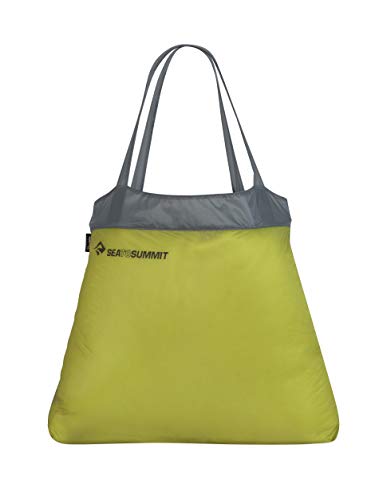
Sea to Summit Ultra-Sil Reusable Shopping Bag, Lime : Sea to Summit
View on AmazonHonor foodways and ritual: When offered chicha or invited to a ch’alla libation, follow your host’s lead. Always ask before photographing vendors or ceremonies. If chewing coca, learn its sacred role and never carry coca products across international borders.
Shop thoughtfully: Pay fair prices for handmade cheeses, chocolate, and coffees; seek co-op labels or traceable sourcing in Caranavi and Alto Beni. Skip items linked to wildlife exploitation and avoid fish or turtle eggs out of season.
Waste less, carry reusables: Bring a tote and a portable cup or tupper for market snacks. Many vendors will gladly fill your container.
Sensitivity at the stall: Don’t handle produce without permission; offer a warm buenos días; learn a few words in Aymara or Quechua if traveling the Altiplano.
More context on traveling for taste—with humility and curiosity—appears in Off the Beaten Path: A Food Lover’s Guide to Authentic Eats (/experiences/off-the-beaten-path-food-authentic-eats).
As dusk settles over a La Paz hillside, the city flickers to life—braziers flare, the air smells of cumin and woodsmoke, and a chuflay fizzes in a frosted glass. Culinary tours in Bolivia stitch together these small perfections: the warmth of a market vendor’s greeting, the crunch of a perfect cuñapé, the satin sheen of a singani in the valley sun. The country lingers on the palate long after the plane lifts over the Altiplano, a flavor-map you’ll keep tasting back home.
Recommended Travel Gear
Lonely Planet Bolivia (Travel Guide): Albiston, Isabel, Grosberg, Michael, Johanson, Mark
Lonely Planet's Boliviais <strong>your passport to the most relevant, up-to-date advice on what to see and skip, and what hidden discoveries await you</strong>. Explore the world's largest s
GRAYL UltraPress 16.9 oz Water Purifier & Filter Bottle for Hiking, Backpacking, Survival, Travel (Olive Drab)
The 16.9 Fl Oz UltraPress Water Filter & Purifier Bottle <strong>removes ALL global waterborne pathogens (virus, bacteria, protozoa).</strong> As dirty water is pressed through the purifier media,
Sea to Summit Ultra-Sil Reusable Shopping Bag, Lime : Sea to Summit
Lightweight, compact reusable shopping ... and stuff sacks · <strong>Ideal for grocery shopping, farmers markets, and travel; large 6.5 gallon capacity holds all the essentials, and strong fabric can