
Eco-Friendly Hotels in Belarus: Green Stays from Minsk to the National Parks
From Minsk design boutiques to timber cabins on the Braslav Lakes, discover Belarus’s eco‑friendly stays—and how to book and travel with a lighter footprint.
Mood
Sustainable Nature Escape
Meta Title: Eco-Friendly Hotels in Belarus: A Sustainable Nature Escape Guide Meta Description: Plan a low-impact trip with eco-friendly hotels in Belarus—from Minsk boutiques to lakeside agrotourism. Practical tips, seasons, and responsible travel resources.
At dawn on a Braslav lake, the water lies so still it mirrors the sky—a sheet of pewter that brightens by degrees as cranes call from the reeds and a pine-scented breeze lifts the mist. This is where eco-friendly travel in Belarus begins: with silence and space, with woodsmoke from a village stove, with a breakfast of black bread and honey from a neighbor’s hives. For travelers seeking eco-friendly hotels in Belarus, the country’s green stays range from smart, energy-conscious boutiques in Minsk to rustic lodges tucked against the great forests and wetlands that have shaped Belarusian life for centuries.
Editor’s note: Because property practices and certifications change, the examples below are illustrative composites based on common regional approaches—not endorsements of a specific hotel. Verify details directly with your host before booking.
Eco-Friendly Hotels in Belarus: What Sustainability Means Here
Belarus’s sustainable hospitality scene is rooted in pragmatism and place. Winters are long, forests abundant, and water is everywhere; the most thoughtful properties draw on these realities with good insulation, efficient heating and ventilation, and a frugal approach to waste. In practice, “eco-friendly” here often means:
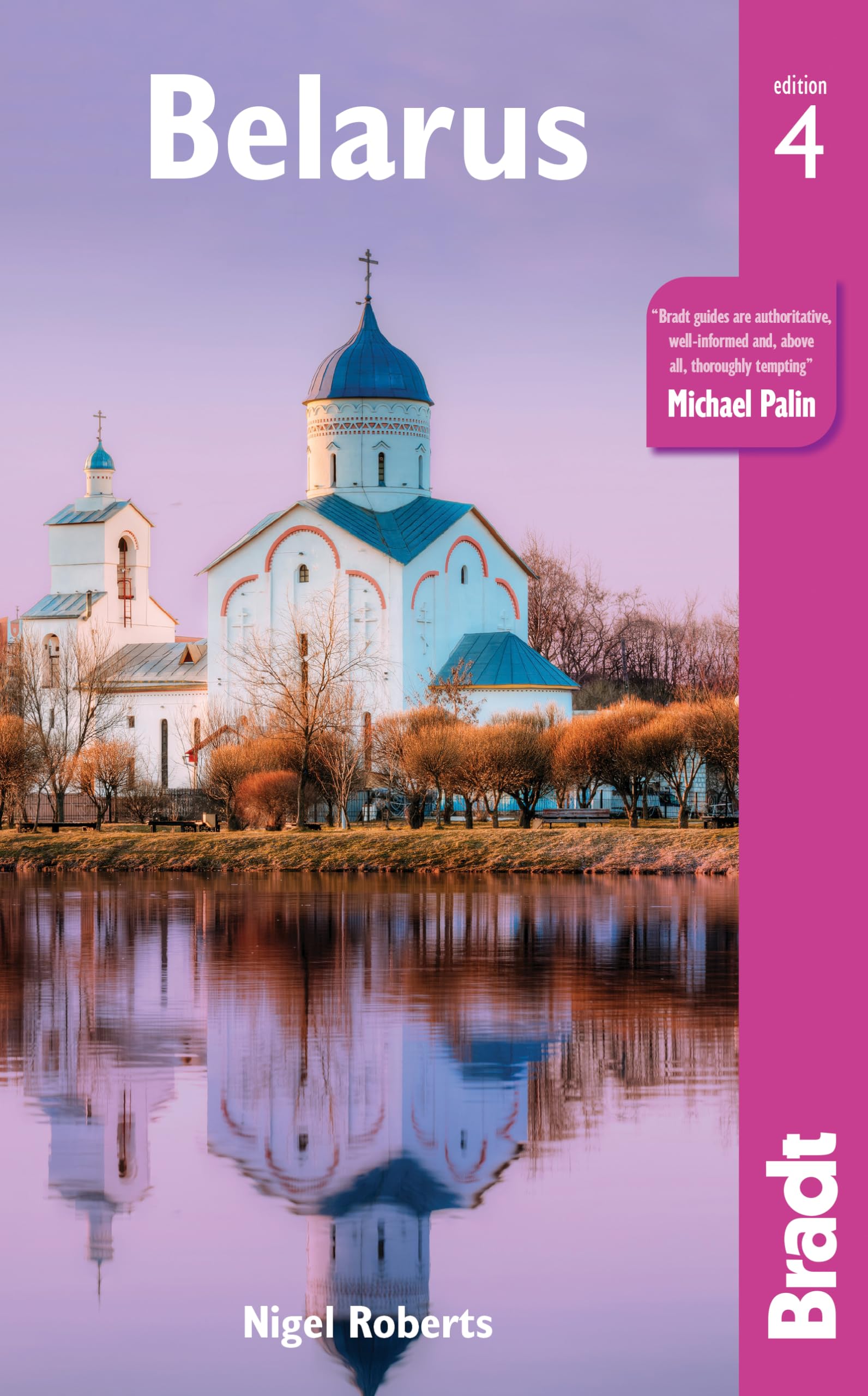
Bradt Belarus (Bradt Travel Guides): Roberts, Nigel
Dass auch die Darstellung der Geschichte von Belarus reichlich holzschnittartig und angelesen daherkommt, fällt gegenüber weniger ins Gewicht. So ist dem sympathischen Autor Nigel Roberts für die näch
Check Price on Amazon- Energy efficiency: high-performance windows and doors, LED lighting, motion sensors in corridors, key-card power, and in some cases heat-recovery or heat-pump systems appropriate for cold climates. In rural areas, small-scale solar thermal for hot water appears at some sites, weather permitting. For general guidance on hotel energy measures, see resources from the Sustainable Hospitality Alliance (sustainablehospitalityalliance.org/resources/).
- Water stewardship: low-flow fixtures where suitable, rainwater use for gardens, greywater reuse where local infrastructure allows, and clearly marked refill stations to cut single-use bottles.
- Waste reduction: separated recycling, composting of kitchen scraps, refillable bath amenities, and durable natural materials—linen, timber, clay—over short-lived plastics.
- Local sourcing: seasonal menus built around mushrooms, buckwheat, cold-water fish, dairy, and orchard fruits; furniture and textiles made by regional craftspeople; staff hired from nearby villages.
- Biodiversity care: wildlife-friendly landscaping, dark-sky lighting, boardwalks to prevent erosion, and guest briefings on sensitive habitats in national parks.
Formal eco-certification is uneven across the country. Some international chains operating in the region use ISO 14001 environmental management frameworks (iso.org/iso-14001-environmental-management.html). A minority of independents reference the Global Sustainable Tourism Council (GSTC) criteria (gstcouncil.org) or third-party programs such as Green Key (greenkey.global). When labels are unclear, traveler verification comes down to transparency:
- Ask for details: energy sources, how linen and water are managed, and the property’s approach to waste.
- Look for proof on site: visible solar or solar-thermal panels where climate-appropriate, bike fleets, EV charging where grid capacity allows, recycling areas, and partnerships with conservation groups.
- Read what they publish: properties that share supplier names, seasonal menu notes, or habitat projects—beehives, shoreline restoration, nest boxes—are easier to evaluate.
Belarus’s agrousadby (registered rural homesteads) remain central to the country’s eco‑ and community‑minded stays. Built with local timber and brick, these family-run places often cook from kitchen gardens, heat with efficient stoves, and keep tourism income close to home. For background on rural stays, see Belarus’s national tourism portal overview of agro‑ecotourism (belarus.by/en/travel/travel-around-belarus/agro-ecotourism).
Where to Stay: Green Stays from Minsk to the National Parks
Belarus’s geography invites a two-part itinerary: a few nights in Minsk’s design-forward hotels followed by forest and lake time near protected areas. The following sketches are representative of what travelers will find—varied in style and price point, united by a tangible commitment to place.
Minsk: Urban Design, Low Impact
Minsk’s best sustainable boutiques focus on footprint and feel. Expect daylight-flooded rooms with responsibly sourced birch or oak furnishings, induction kettles instead of energy‑hungry minibars, and breakfast spreads heavy on kefir, buckwheat pancakes, preserves, and apples from small orchards. Many buildings connect to city district heating; forward‑leaning properties cut energy use with occupancy sensors and opt‑in linen refreshes.
- Illustrative example: A small design hotel in the historic core pairs a restrained palette with Belarusian craftsmanship—flax textiles, linseed‑oil‑finished wood, ceramics from a local studio. Hot‑water demand is reduced through efficiency measures; bikes are complimentary for guests; a compact sauna is scheduled by time slot to limit energy waste. Always confirm specifics directly with the hotel.
Belovezhskaya Pushcha: Ancient Forest, Gentle Footprints
Belovezhskaya Pushcha National Park protects one of Europe’s last primeval lowland forests and forms part of a UNESCO World Heritage site shared with Poland (whc.unesco.org/en/list/33). Here, sustainability is less manifesto than mandate: the bison roam, and travelers tread softly.
- Illustrative example: Timber cabins set on raised platforms keep roots undisturbed; lighting is kept warm and minimal to protect nocturnal species; cars stay at the perimeter. Heat comes from efficient systems suited to cold weather, and greywater is filtered through natural reed beds where conditions allow. Dinner leans hyperlocal—forest mushrooms in season, freshwater fish from managed stocks, berries with sour cream. Guides, sometimes with scientific training, lead dawn walks that give wildlife plenty of space. Check park and lodge policies before you go.
Braslav Lakes: Timber Cabins and Stargazing
In the far north, the Braslav Lakes ripple across peninsulas and islands—a kayaker’s paradise framed by conifers. Properties here skew small and personal: saunas by the shore, quiet coves, and wooden decks scented with resin on hot days.
- Typical approach: Family‑run guesthouses embrace agrotourism values, growing dill and cucumbers behind the kitchen and serving preserves put up the previous autumn. Expect visible composting and recycling stations, refill points for bottles, and gentle encouragement to sort glass and metal. Canoes, paddleboards, or bicycles may be available—ideal for slow exploration without engines.
Lake Narach: Summer Resorts Getting Smarter
Belarus’s largest lake, Narach, draws families in summer for breezy promenades and evenings of amber light over still water. Larger resorts have been modernizing with better glazing, temperature controls, and small-scale biodiversity projects in the grounds.
- Illustrative example: A shoreline hotel replaces ornamental lawns with native wildflower belts to invite pollinators, reduces single‑use plastics in rooms, and uses a boardwalk to protect dunes while opening the shoreline to wheelchair users and strollers. Ask about accessibility features and the property’s current energy measures when booking.
Pripyatsky Wetlands: River Cruises and Boardwalk Trails
Spring floods turn Pripyatsky National Park into a mirror-world of channels and islands. Birders come for migration; photographers for the stillness of backwaters and reedbeds. Facilities are modest by design.
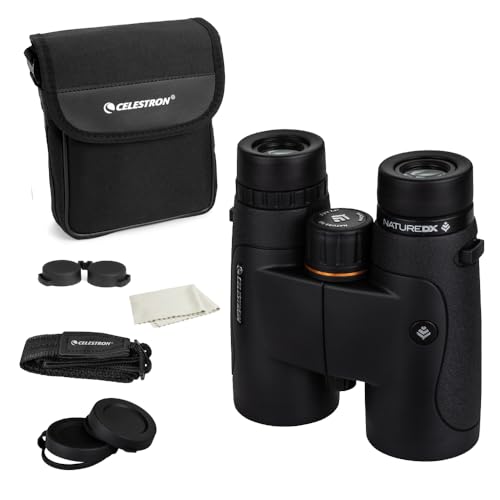
Celestron - Nature DX 8x42 Binoculars – Ideal for Birding and Outdoors – 42mm Objective Lenses – Wide 7.4° Field of View – BaK-4 Prisms – Fully Multi-Coated – Waterproof and Fogproof : Celstron Nature Dx : Electronics
Amazon.com : Celestron - Nature DX 8x42 Binoculars – <strong>Ideal for Birding and Outdoors – 42mm Objective Lenses – Wide 7.4° Field of View – BaK-4 Prisms – Fully Multi-Coated – Waterproof and Fogpr
Check Price on Amazon- Typical approach: Eco‑minded stays partner with local boatmen who favor quiet motors and designated channels. Stilted cabins sometimes use rainwater for gardens and operate pack‑out policies for non‑organic waste. Mornings bring porridge and quark with meadow herbs; evenings end in wood‑fired banyas. Confirm water levels and access before travel—the landscape changes with the season.
Grodno, Vitebsk and the Villages Between
Regional centers like Grodno and Vitebsk offer compact, walkable cores where trains arrive at midday and most sights sit within a comfortable stroll. New guesthouses retrofit pre‑war townhouses, expose brick, and add serious insulation, cutting winter heat demand. Nearby village agrotourism stays can often arrange transfers, boat rentals, and visits to craftspeople—clay workshops, linen weavers, beekeepers—so your spending benefits neighbors within a few kilometers.
Booking and Traveling Light on the Land
Eco-friendly hotels in Belarus reward curiosity. Before reserving, reach out; hosts are usually happy to discuss their systems and seasonality. Smart questions include:
- Energy: What heats rooms and water in winter? Are solar‑thermal or heat‑pump systems in use? How is demand reduced?
- Water: Are there refill stations? Low‑flow fixtures? Any greywater or rainwater use for gardens?
- Waste: How is sorting and composting handled? Are amenities refillable and plastic‑free?
- Food: Which farms supply the kitchen? Are preserves, cheeses, and honey local and seasonal? Can the hotel accommodate plant‑forward diets?
- Mobility: Are bikes, e‑bikes, or shuttles available? Is there an EV charger on‑site or nearby?
Expect thoughtful trade‑offs. Rural eco‑lodges may skip daily housekeeping; Wi‑Fi can be slower, and air‑conditioning is often replaced by passive cooling, shutters, and fans. In remote cabins near wetlands, composting toilets or reed‑bed filtration systems are common—and generally odorless when well maintained. In cities, minibars increasingly give way to filtered‑water taps and welcome baskets; saunas might be bookable in time slots to reduce energy use.
Transport shapes your footprint. Within Belarus, intercity trains and buses are efficient options; many national parks arrange pick‑ups from the nearest station. Cycling works beautifully around Braslav and Lake Narach, while forest tracks near Belovezhskaya Pushcha favor walking and e‑bikes. If arriving internationally, check current visa and entry requirements and consider routing that minimizes flight segments. Once on the ground, choose a single region to explore deeply rather than racing cross‑country. Belarusian Railway schedules: rw.by.
Season dictates both experience and impact:
- Spring (April–May): Bird migration energizes Pripyatsky; trails are damp, and boardwalks matter. Shoulder‑season rates and abundant wildlife make this a sweet spot for low‑impact visits.
- Summer (June–August): Lakes warm; days are long. Book early around Narach and Braslav. Bring repellent for midges; choose lodgings that cool with shade, cross‑ventilation, and fans.
- Autumn (September–October): Forests turn gold; mushroom foraging peaks. Cooler nights reduce energy use while trails stay accessible.
- Winter (December–February): Snow transforms the countryside; bison tracking in Belovezhskaya Pushcha can be unforgettable. Look for properties that emphasize insulation and efficient heating.
For travelers balancing ethics and expense, sustainable choices often save money: favor bikes over taxis, choose plant‑forward dining, and stay longer in one place to reduce transfers. If you need a broader primer on stretching a travel budget without sacrificing style, consult general budget‑travel resources rather than relying on dynamic hotel prices.
Community and Conservation Impact
One of the quiet strengths of eco-friendly hotels in Belarus is how directly a night’s stay can support local livelihoods and landscapes.

GRAYL UltraPress 16.9 oz Water Purifier & Filter Bottle for Hiking, Backpacking, Survival, Travel (Olive Drab)
The 16.9 Fl Oz UltraPress Water Filter & Purifier Bottle <strong>removes ALL global waterborne pathogens (virus, bacteria, protozoa).</strong> As dirty water is pressed through the purifier media,
Check Price on Amazon- Economic threads: Agrotourism homesteads hire local cooks and carpenters, buy eggs and dairy from neighbors, and pay young guides to lead kayak trips—keeping tourism income close and reducing leakage.
- Conservation ties: Properties abutting national parks often contribute to trail upkeep, shoreline care, or nest‑box programs in partnership with rangers and NGOs. Some invite guests to join seasonal citizen‑science bird counts.
- Culture kept alive: Evening workshops in linen weaving, pottery, or pickling help preserve techniques that might otherwise fade; fees go to the artisans who teach them.
Travelers can reinforce this positive loop with simple choices:
- Pack a reusable bottle and cup; use hotel refill stations.
- Travel outside peak weekends; shoulder‑season visits spread income.
- Book nature guides from local cooperatives; tip fairly.
- Keep to marked trails; use boardwalks in wetlands; dim headlamps at night.
- Choose meals that celebrate seasonal produce and freshwater fish from managed stocks; avoid souvenirs made from wildlife.
Price and access vary by region and season. As a rule of thumb, city boutiques in Minsk tend to command the highest rates; national‑park lodges and independent cabins span a range depending on amenities and guiding; agrotourism homesteads are often the most budget‑friendly. Resort options on Lake Narach sit in the mid‑to‑upper tier, with better value outside peak summer. Always check current rates directly with the property.
Accessibility is improving, particularly around larger lakes and in newer city properties. Look for step‑free entrances, elevator access, and adapted bathrooms in Minsk; at Narach, ask about accessible boardwalks and beach mats. In deep‑rural areas, older farmhouses can mean narrow stairs and uneven paths—hosts are typically candid about limitations and will suggest practical arrangements.
What lingers after a week of green stays in Belarus is not a checklist of eco features but a feeling: the resin‑sweet heat of a wood sauna, the hush of a forest path where deer have just passed, the taste of apples stored all winter in a cellar’s cool dark. Eco‑friendly hotels here don’t shout their ethics; they fold them into comfort, craft, and the rhythms of a landscape that still sets the terms. For travelers, that’s the true luxury—a stay that gives more than it takes, and a countryside that feels, even now, wonderfully whole.
Sources and further reading
- Global Sustainable Tourism Council (GSTC) criteria: gstcouncil.org
- Green Key eco‑label for tourism: greenkey.global
- ISO 14001 environmental management overview: iso.org/iso-14001-environmental-management.html
- Belarus agro‑ecotourism overview (national tourism portal): belarus.by/en/travel/travel-around-belarus/agro-ecotourism
- UNESCO World Heritage site – Białowieża Forest (includes Belarusian part of Belovezhskaya Pushcha): whc.unesco.org/en/list/33
- Belarusian Railway schedules and tickets: rw.by
Recommended Travel Gear
Bradt Belarus (Bradt Travel Guides): Roberts, Nigel
Dass auch die Darstellung der Geschichte von Belarus reichlich holzschnittartig und angelesen daherkommt, fällt gegenüber weniger ins Gewicht. So ist dem sympathischen Autor Nigel Roberts für die näch
GRAYL UltraPress 16.9 oz Water Purifier & Filter Bottle for Hiking, Backpacking, Survival, Travel (Olive Drab)
The 16.9 Fl Oz UltraPress Water Filter & Purifier Bottle <strong>removes ALL global waterborne pathogens (virus, bacteria, protozoa).</strong> As dirty water is pressed through the purifier media,
Celestron - Nature DX 8x42 Binoculars – Ideal for Birding and Outdoors – 42mm Objective Lenses – Wide 7.4° Field of View – BaK-4 Prisms – Fully Multi-Coated – Waterproof and Fogproof : Celstron Nature Dx : Electronics
Amazon.com : Celestron - Nature DX 8x42 Binoculars – <strong>Ideal for Birding and Outdoors – 42mm Objective Lenses – Wide 7.4° Field of View – BaK-4 Prisms – Fully Multi-Coated – Waterproof and Fogpr