
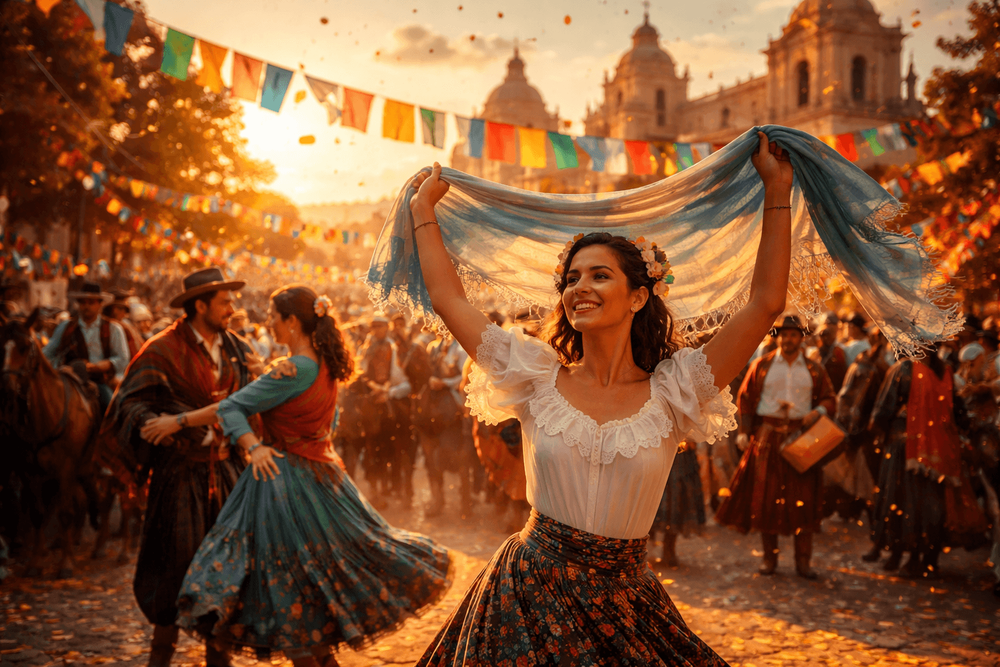
Immerse Yourself: Argentina’s Most Engaging Cultural Festivals
From Mendoza’s Vendimia to the Quebrada’s Carnival, explore Argentina’s most engaging cultural festivals—what they mean, when to go, and how to join with respect.
Mood
Cultural Deep-Dive
Meta Title: Engaging Cultural Festivals in Argentina: A Deep Dive
Meta Description: Plan your trip around engaging cultural festivals in Argentina. Dates vary—see official calendars. Etiquette, headliners, tips, and where to stay.
On a warm Mendoza night, fireworks stitch light across an ink-black sky as dancers sweep like vines through a natural amphitheater. Drums thunder, flags ripple, and the scent of crushed grapes hangs in the air. This is Vendimia—one of the most engaging cultural festivals in Argentina—and it captures what the country does best: celebrate place and people with unbridled artistry. If you’re planning around engaging cultural festivals in Argentina, start here.
Why Festivals Matter: The Soul of Argentina
Argentina’s calendar is a living archive. From Andean earth rituals to riverine rhythms and wine-country pageantry, celebrations braid Indigenous traditions with Spanish colonial legacies and waves of Italian, Syrian-Lebanese, Afro-Argentine, and Central European influence. Festivals are not spectacles staged for visitors; they are civic rituals, family reunions, and declarations of identity. Travelers who join them gain a richer sense of the country than many museums could offer—through the pulse of a bombo drum, the sway of a chamamé accordion, and the aroma of empanadas crisping over wood coals.

Lonely Planet Argentina (Travel Guide): Albiston, Isabel, Brown, Cathy, Clark, Gregor, Egerton, Alex, Grosberg, Michael, Kaminski, Anna, McCarthy, Carolyn, Mutic, Anja, Skolnick, Adam
Covers Buenos Aires, The Pampas ... del Fuego, Uruguay · The Perfect Choice: Lonely Planet’s Argentina, <strong>our most comprehensive guide to Argentina</strong>, is perfect for both exploring top si
Check Price on AmazonEtiquette matters. These gatherings are for locals first, and respectful engagement—asking permission before photographing ceremonies, buying directly from artisans, dressing modestly in sacred settings—builds a bridge between guest and host. Above all, festivals here revolve around hospitality. Expect to be invited to share mate, taught a dance step, or handed a paper cup of house wine as night folds into morning.
The Headliners: Where Argentina Celebrates at Full Volume
Here are some of the most engaging cultural festivals in Argentina, with timing that shifts year by year. Always confirm dates and programs via official sources before you book.
Vendimia, Mendoza (Late February–Early March)
The Fiesta Nacional de la Vendimia typically unfolds across Mendoza like a vintage opened after years of patience. It begins with harvest blessings and often includes the Via Blanca nighttime parade and the sunlit Carrusel, when gauchos on horseback and provincial ambassadors sweep through the city. The large-scale main show is generally staged at the Frank Romero Day amphitheater, where performers conjure the story of the vine with folk ballet, aerial choreography, and a fireworks finale. Wineries throughout the region lean into harvest with tastings, open-air asados, and seasonal activities.
Insider tip: tickets for the main show sell fast. Book well ahead, and consider a base close to the city’s plazas for easy parade access. Wine country also shines on off-days; vineyard stays range from rustic fincas to design-forward retreats. Dates vary annually; consult the Gobierno de Mendoza for official updates: https://www.mendoza.gov.ar/
Cosquín Folklore Festival, Córdoba (Late January)
Cosquín is Argentina’s folk heartbeat. Over multiple “moons” (nights), the town’s Plaza Próspero Molina hosts a marathon of chacareras, zambas, cuecas, and malambos, headlined by national stars and fueled by the bombo legüero’s earthy thrum. The official stage is just the start: peñas bloom in courtyards and social clubs until dawn, where visitors can learn a twirl, share a plate of locro, and browse craft stalls for ponchos, charangos, and silverwork that speak to regional identities. Dates and lineups change each year; check Córdoba’s official tourism channels: https://www.cordobaturismo.gov.ar/
Gualeguaychú Carnival, Entre Ríos (January–March Weekends)
If Carnival in Buenos Aires is a neighborhood jam, Gualeguaychú is the stadium-scale production. In the city’s sambódromo, leading comparsas parade sculptural floats and thousands of sequined dancers down a glittering track. Each troupe competes with original music, costumes, and allegorical themes that fold satire and myth into a surge of color and sound. Stands and VIP boxes sell out quickly; reserve in advance and arrive early to feel the drumline’s vibration rise through the bleachers. Dates vary by season and are set for selected weekends—confirm on the official site: https://www.carnavaldelpais.com.ar/
Tango Buenos Aires Festival y Mundial (Usually August)
Tango’s capital hosts a citywide immersion that draws dancers from across the globe. Free lessons, live orchestras, and screenings animate cultural centers across Buenos Aires, culminating in world championship finals for both salón and stage categories. Newcomers are welcome: take a beginner class, then slip into a neighborhood milonga to try the embrace—observing floor etiquette and the subtle cabeceo invitation. Even for non-dancers, the music alone—a bandoneón sighing in an Art Deco hall—is worth the trip. Dates shift each year; see the official Festivals BA calendar: https://festivales.buenosaires.gob.ar/
Carnaval de la Quebrada de Humahuaca, Jujuy (February)
In the ochre-and-lilac folds of the Quebrada, Carnival begins with the desentierro del diablo, the symbolic “unearthing” of a mischievous spirit from a hillside apacheta. Devils in horned masks erupt, brass bands coil through cacti-dotted streets, and clouds of talcum, confetti, and serpentines blur the line between performer and spectator. This is a participatory, joyous blur—expect to be dusted with flour, hugged by strangers, and pulled into circles of dance. Festivities align with Argentina’s national Carnival dates; confirm program details with Jujuy’s tourism board: https://www.turismo.jujuy.gob.ar/
Fiesta de la Pachamama, Northwest (August)
August is Pachamama month across Jujuy and Salta, when communities honor Mother Earth with intimate offerings—coca leaves, chicha, sweet bread—placed in small earthen openings and blessed with music and prayer. Visitors may be welcomed, particularly in villages around Humahuaca, Tilcara, Purmamarca, and the Puna, if they observe with quiet respect, contribute to the communal pot, and ask before photographing. The mood is reverent, not performative. Dates and formats vary by community; start with official provincial resources: Jujuy https://www.turismo.jujuy.gob.ar/ and Salta https://www.turismosalta.gov.ar/
Fiesta Nacional del Chamamé, Corrientes (January)
On the Paraná’s edge, Corrientes sings its river song. The chamamé—accordion-forward, violin-laced—animates couples who pivot and glide in an embrace lighter than tango, punctuated by the ululating sapukay. Nightly shows at Corrientes’ main amphitheater mix virtuosos with neighborhood troupes; daytime brings riverfront picnics and tereré under the shade. It’s an invitation to a lesser-known musical soul of the country. Schedules change yearly; check Corrientes’ official tourism site: https://turismo.corrientes.gob.ar/
Fiesta del Poncho, Catamarca (July)
This expansive winter fair is a celebration of the loom. In San Fernando del Valle de Catamarca, master weavers present vicuña- and llama-fiber ponchos alongside ceramics, woodwork, and silver filigree. Folk concerts run nightly; daytime workshops often reveal dyeing techniques with native plants and the stories encoded in Andean patterns. Dates are set annually; confirm via Catamarca’s tourism board: https://turismo.catamarca.gob.ar/
Bariloche’s Fiesta Nacional de la Nieve, Patagonia (Late July–August)
When winter deepens, Bariloche lights up with torchlit descents, ice sculpture, and alpine pageantry. Skiers carve down Catedral as bands warm frigid plazas; families sip hot chocolate and watch street performances between snow flurries. It’s a festive pivot from summer’s street heat to snow’s crystalline theater. Timing varies by season; consult the official Bariloche tourism site: https://www.barilocheturismo.gob.ar/
Context and Courtesy: Reading the Room
Argentina’s major festivals welcome outsiders, but each has social codes grounded in community. A few principles help visitors engage with care:
- Ask before photographing people, altars, or private rituals—especially at Pachamama ceremonies.
- Dress for the setting. In Andean towns, modest attire shows respect; in Carnival sambódromos, sequins and face paint are part of the fun.
- Learn a few basics: the beat of a chacarera (two couples facing, playful footwork), the tango line of dance (counterclockwise lanes), or the rhythm of chamamé (an airy, rocking sway).
- Support the ecosystem. Buy crafts from the maker’s stall, tip musicians at peñas, and donate to community cultural centers nurturing the next generation.
- Share mate when invited, but follow the circle: drink, return the gourd to the cebador, and wait to be served again.
Timing Your Trip: When, Where, and How to Book for Engaging Cultural Festivals in Argentina
The country’s festival year arcs with seasons and school holidays. Dates below are typical windows—exact schedules vary annually and should be confirmed through official channels.
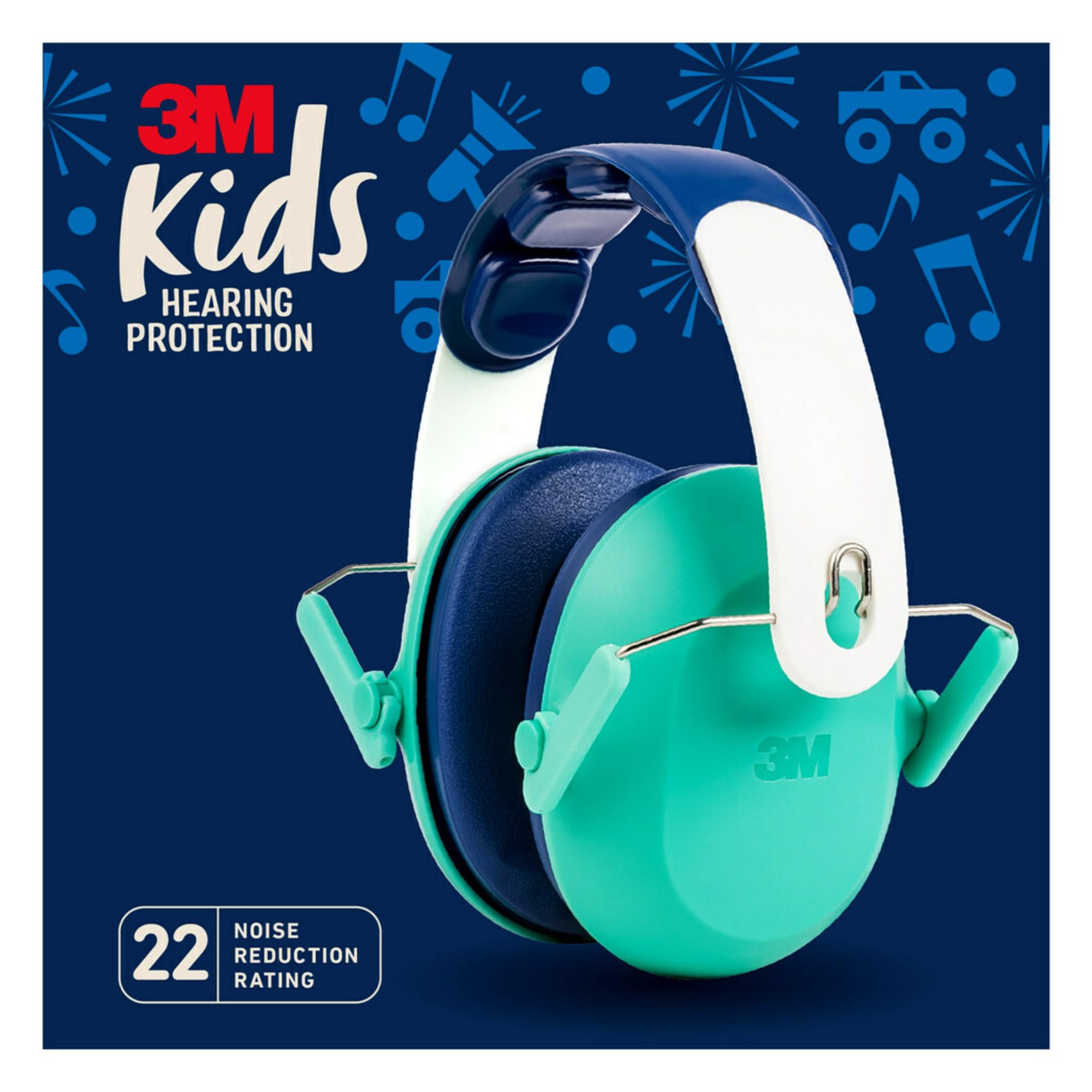
3m Kids Hearing Protection
View on Amazon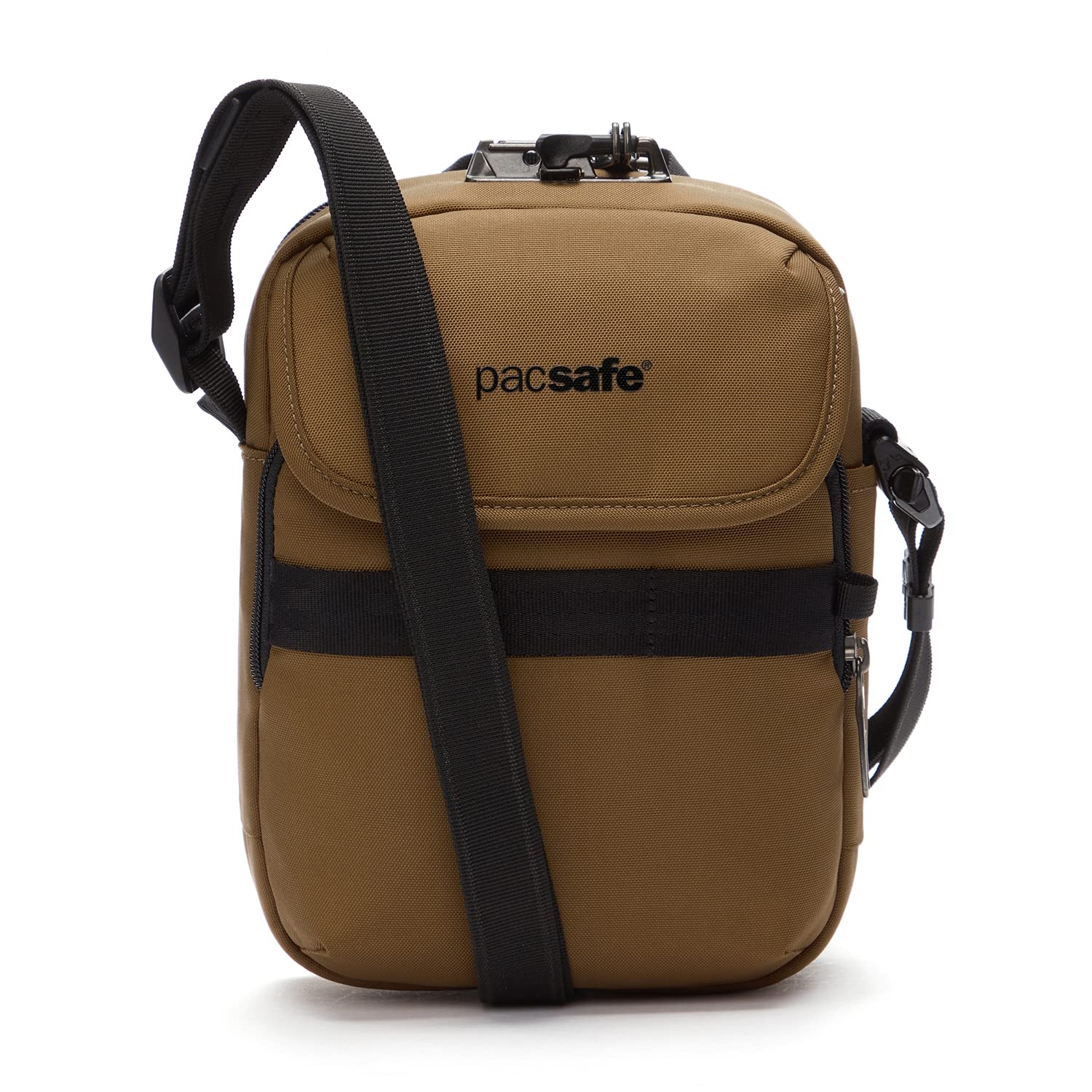
Pacsafe Metrosafe X Anti Theft Compact Crossbody - Fits 8" Tablet, Black : Clothing, Shoes & Jewelry
ANTI-THEFT - 2022 version in Tan colorway, <strong>Interlocking Zippers & Cut Proof Material (lightweight steel mesh) to prevent pickpocketing</strong>. RFID blocking pocket to keep credit cards/I
Check Price on Amazon- January: Cosquín (Córdoba), Chamamé (Corrientes), Gualeguaychú Carnival weekends begin.
- February–early March: Gualeguaychú in full swing; Buenos Aires neighborhood murgas; Quebrada Carnival; Vendimia main events in Mendoza.
- March–April: Holy Week processions—dramatic in many towns across the country.
- July: Fiesta del Poncho (Catamarca); winter breaks bring crowds to mountain towns.
- Late July–August: Fiesta de la Nieve (Bariloche); Tango Festival (Buenos Aires); August 1 and all month for Pachamama in the Northwest.
Booking windows and logistics:
- Tickets and seats for Vendimia’s main show, Cosquín’s prime nights, and Gualeguaychú’s sambódromo stands should be reserved weeks to months in advance. Official channels release schedules progressively; set alerts and be flexible with dates.
- Lodging in festival hubs sells out fast. In Cosquín, consider nearby Valle de Punilla towns or Córdoba City for more inventory. For Gualeguaychú, weekend stays require early planning.
- Transportation: domestic flights link Buenos Aires with Mendoza, Córdoba, Salta, Jujuy, Corrientes, and Bariloche. Long-distance buses are extensive, comfortable, and often the most reliable way to reach smaller towns on peak weekends. In the Northwest, a rental car unlocks villages and viewpoints otherwise tricky to time with shuttles.
- Crowds and safety: festivals are convivial but dense. Keep valuables zipped and front-facing, use ATMs during daylight in busier areas, and pace alcohol intake in heat. Families will find daytime parades and craft fairs the most relaxed spaces; bring ear protection for young children.
- Budgeting: some events are free (tango lessons, neighborhood peñas), while prime seats for Carnival or Vendimia command a premium. Expect accommodation surcharges on peak nights; balance with affordable meals at food stalls or mercados. Carry multiple payment options; small towns may prefer cash for snacks and crafts.
For guided access and context—like reserved seating, backstage tours, or bilingual hosts—consider curated options in Must-Do Sightseeing Tours in Argentina: Where to Go, When to Book, and What to Expect (/experiences/sightseeing-tours-in-argentina).
Eat, Dance, Make: Hands-On Ways to Join In
Watching is only half the story. The country rewards participation.
- Cosquín’s peñas open their doors to newcomers; arrive by 10 p.m., order empanadas and a carafe of house wine, and let the floor tutors coax out your first chacarera. Many venues host daytime guitar or bombo workshops for all ages.
- In Buenos Aires, the Tango Festival runs free beginner classes across cultural centers. Respect the ronda (dance line) and try the cabeceo’s subtle nod; sneakers are welcome in classes, but bring smooth-soled shoes for milongas if you plan to go beyond the basics.
- In the Quebrada, artisans teach backstrap weaving, ceramic firing, and charango crafting. Sign up through local cultural centers, and avoid knock-off souvenirs by asking about origin and technique.
- Around Vendimia, wineries offer harvest days—early-morning picking followed by an asado. Some also stage grape-stomping for visitors; it’s theatrical, yes, but joyful.
- At Gualeguaychú, look for daytime costume workshops and museum exhibits run by comparsas to understand the months of volunteer labor behind each feather and bead. In the stands, support troupes by buying official merch rather than cheap imitations.
Hungry for deeper culinary context? Pair festival days with neighborhood tastings and markets via Savor Argentina: Authentic Local Food Tours & Culinary Experiences (/experiences/local-food-tours-in-argentina).
Stays That Put You in the Heart of the Action
A well-chosen base elevates the experience, placing parades and late-night sets within an amble—and a good night’s sleep within reach.
- Mendoza City: Stay near the central plazas (Independencia, España, Chile) for quick access to Vendimia parades and public shows. Vineyard hotels in Luján de Cuyo or the Uco Valley suit travelers pairing festival nights with quiet mornings among vines.
- Buenos Aires: For the Tango Festival, look to San Telmo, Almagro, Boedo, and Villa Crespo—neighborhoods dense with milongas, cultural centers, and easy transport across the city.
- Quebrada de Humahuaca: Base in Tilcara or Purmamarca to reach Carnival comparsas and Pachamama gatherings, with plenty of adobe inns, family-run posadas, and terraces angled to the mountains.
Backpackers chasing festivals across provinces will appreciate the round-up in Argentina on a Dime: Best Budget Hostels for Backpackers and Savvy Travelers (/experiences/budget-friendly-hostels-argentina).
Responsible Footprints
Festivals thrive when visitors tread lightly.
- Skip aerosol foam; opt for biodegradable paper confetti where permitted, and pack out what you bring in.
- Refill a reusable bottle at public taps or cafés; summer heat is serious, especially in the Litoral and Cuyo.
- Avoid crafts made with protected species (condor feathers, feline pelts), and choose textiles labeled with fiber origin.
- In sacred contexts, let community leaders cue participation; a whispered “¿Puedo?”—may I?—goes far.
The Feeling You Take With You
By the time the last drumbeat fades and the final streamer drifts to earth, travelers will have something more than photographs. They will have learned to hear the country in its own rhythms: the river-skip of chamamé, the sonorous footwork of a malambo, the hush around an Andean offering, the collective gasp as Vendimia’s fireworks flare over vines. That is the promise of the most engaging cultural festivals in Argentina—an immersion so vivid, it lingers like a melody on the flight home.
Recommended Travel Gear
Lonely Planet Argentina (Travel Guide): Albiston, Isabel, Brown, Cathy, Clark, Gregor, Egerton, Alex, Grosberg, Michael, Kaminski, Anna, McCarthy, Carolyn, Mutic, Anja, Skolnick, Adam
Covers Buenos Aires, The Pampas ... del Fuego, Uruguay · The Perfect Choice: Lonely Planet’s Argentina, <strong>our most comprehensive guide to Argentina</strong>, is perfect for both exploring top si
Pacsafe Metrosafe X Anti Theft Compact Crossbody - Fits 8" Tablet, Black : Clothing, Shoes & Jewelry
ANTI-THEFT - 2022 version in Tan colorway, <strong>Interlocking Zippers & Cut Proof Material (lightweight steel mesh) to prevent pickpocketing</strong>. RFID blocking pocket to keep credit cards/I
3m Kids Hearing Protection
Check each product page for other buying options. Price and other details may vary based on product size and color · Pro-Grade Earmuff, Noise Reduction Rating (NRR) 30 dB, Lightweight & Adjustable