
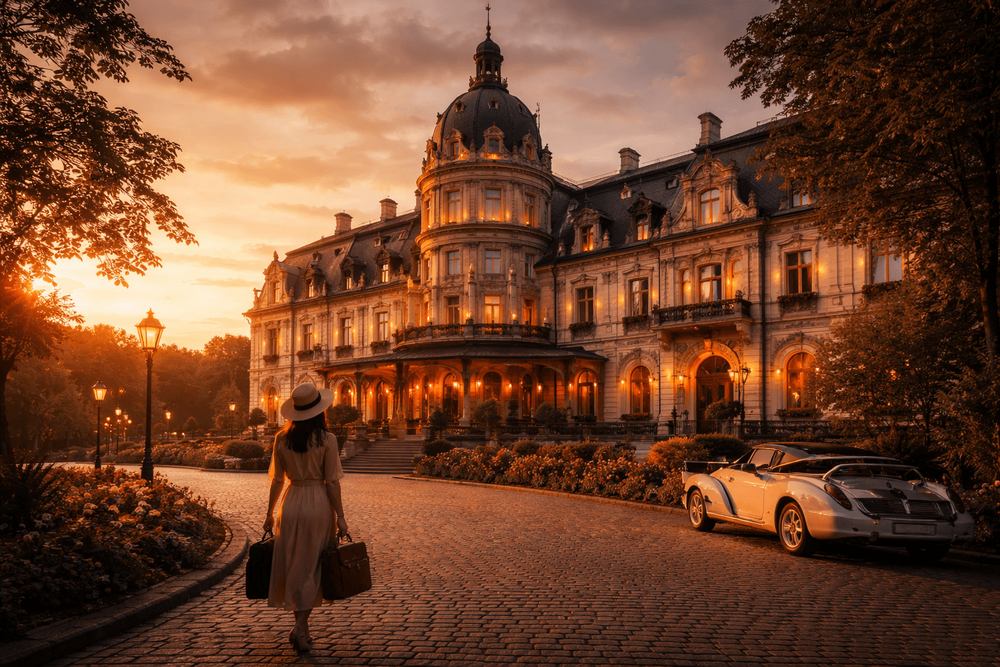
Stay in History: A Traveler’s Guide to Belarus’s Most Historic Hotels
Sleep inside Belarus’s story—from castle suites and monastic cloisters to Soviet‑era grand hotels—with tips on the best historic stays and how to book them.
Mood
Cultural Time-Travel
Meta title: Historic Hotels in Belarus: Castles to Soviet Icons Meta description: A cultural time‑travel guide to historic hotels in Belarus—castles, cloisters, Soviet icons, and country estates. What stays feel like and how to verify details.
On a winter evening in Nesvizh, frost feathers the palace balustrades and the lake stiffens to glass. Lamps along the alleys tint the snow honey‑gold as a bell tolls from the town’s 16th‑century church. It is here—among tapestried halls and creaking parquet—that travelers first understand the quiet romance of historic hotels in Belarus: places where the night’s sleep is threaded with centuries.
Historic Hotels in Belarus: From Castles to Soviet Classics
Belarus’s patchwork of noble estates, merchant houses, monasteries, and Soviet‑era grandeur offers a richer roster of historic stays than many expect. The category spans UNESCO‑listed castle complexes, carefully reconstructed city landmarks, and revived country manors. What follows is a grounded look at how the country’s past becomes a place to lay your head—without overpromising specifics that change by season or renovation cycle.

Ceptics European Travel Plug Adapter (Type C), Universal to European EU, Power Charge your Electronics in Italy, Greece, Germany, Outlet Adaptor 3 Pack : Electronics
View on AmazonCastles and Palaces: Poland–Lithuania’s Golden Age, Reimagined
- Nesvizh Palace: Former seat of the Radziwiłł family, the palace complex blends Renaissance, Baroque, and later influences around ornamental courtyards and a landscaped park. Overnight options associated with the estate have been offered in historic outbuildings at various times; availability, categories, and access protocols can change. The real draw is proximity—mornings in the quiet parkland and evenings with the silhouettes of domes and towers. For current possibilities, consult the official museum‑reserve channels and confirm what is open when you plan to travel. (Verification: State Historical and Cultural Museum‑Reserve “Nesvizh” official site.)
- Mir Castle: This UNESCO‑listed fortress of brick walls and towers stands amid water features and earthen ramparts. Limited accommodation connected to the complex has periodically been available either within the estate or in restored buildings nearby. Details and booking practices evolve, so verify directly with the site’s administrators. Staying close lets you experience the atmosphere after day visitors leave—the hush of the courtyard and the play of light on stone. (Verification: Mir Castle Complex Museum official site.)
For more context on these UNESCO highlights, see our feature on Belarus’s marquee castles and memorial landscapes.
Monastic Cloisters and Merchant Mansions
- Monastyrski Hotel, Minsk: Set in the Upper Town within a former 17th‑century monastic complex, this property keeps the feel of thick walls, whitewashed arcades, and a cloistered courtyard, while operating as a modern city hotel. It’s a character‑forward base for galleries, churches, and river walks. (Verification: Monastyrski Hotel Minsk official site.)
- Hotel Garni, Minsk: Among the capital’s older surviving hotel addresses, Garni occupies a 19th‑century building with restrained stucco details. Interiors nod to period style without fuss, and many rooms frame classic street views in the historic center. (Verification: Hotel Garni Minsk official site.)
- Hotel Europe, Minsk: Minsk’s prewar grand address was rebuilt in the 2000s with period‑inspired detailing—mirrored columns, sweeping stairs, and a lobby bar that feels like the city’s living room. Expect a central location and a sense of occasion. (Verification: Hotel Europe Minsk official site.)
Soviet‑Era Icons: Marble, Mosaics, and Monumentality
- Hotel Belarus, Minsk: The sculptural riverfront tower from the late Soviet period offers panoramic views from higher floors over the Svislach and parkland. Public spaces typically feature geometric lines and stone finishes; some decorative elements from the era remain, depending on renovation phases. (Verification: Hotel Belarus official site.)
- Hotel Minsk, Minsk: Near Independence Avenue, this mid‑century stalwart delivers the scale and proportions of classic Intourist‑era properties—long corridors, high ceilings, ample rooms—with selected updates across wings and floors. (Verification: Hotel Minsk official site.)
Manors and Country Estates
- Sula Manor & History Park (near Minsk): A revived noble estate on parkland with water features and heritage buildings. Programming has included interpretive demonstrations and optional hands‑on activities tied to traditional crafts and foodways. Rooms are typically in manor outbuildings or cottages; confirm current offerings directly. (Verification: Sula History Park official site.)
- Kronon Park Hotel, Grodno: A small property in woodland outside Grodno that borrows the vocabulary of a 19th‑century pavilion—paneled rooms and fireside seating—tempered by contemporary boutique standards. (Verification: Kronon Park Hotel official site.)
- Hermitage Hotel, Brest: In a 19th‑century building in Brest’s historic center, this conversion balances period references with modern comforts and positions guests for evening strolls and day trips. (Verification: Hermitage Hotel Brest official site.)
- Nanosy‑Novoselie, Lake Narach: An ethnographic resort composed of period‑style wooden cottages and heritage displays by the lake. It skews experiential—particularly photogenic for travelers interested in village‑life reconstructions. (Verification: Nanosy‑Novoselie estate official site.)
For background on the eras and architects behind these addresses—as well as historical context for nearby battlefields, baroque towers, and memorial sites—see our overview of Belarus through time and place.
Inside the Walls: What the Guest Experience Feels Like
Staying in historic hotels in Belarus is less about grand gestures than about textures: the coolness of stone stair treads under a morning palm, the tobacco‑leaf hue of old oak, the faint beeswax sheen on a ballroom floor.
Rooms: Between Period Poise and Present Comforts
- Castle suites and palace outbuildings often highlight vaulted ceilings, weighty keys, and views over canals or parkland. Heating and bedding meet modern expectations, though floors can creak and layouts can be idiosyncratic.
- Monastic conversions prioritize quiet. Thick walls and deep‑set windows keep the outside world at bay, with 21st‑century necessities—reliable plumbing, soundproofing—discreetly integrated.
- Soviet classics tend to run large, with generous square footage and sturdy furniture. Renovation levels vary by floor and wing; some properties retain terrazzo, wood veneer, and mid‑century palettes alongside refreshed linens and lighting.
Dining: Hearty Belarusian Traditions and Refined Tasting Menus
Breakfasts often feature rye breads, fresh curd cheese with honey, and smoked fish. At dinner, look for standards such as draniki (potato pancakes) with sour cream, kalduny (stuffed dumplings), machanka (a rich pork preparation) in colder months, and small pours of honey‑spiced liqueurs. In Minsk and Grodno, some heritage‑adjacent restaurants blend local sourcing—forest mushrooms, lake fish, fermented vegetables—with contemporary presentation. For white‑tablecloth evenings, book ahead; popular spots in historic buildings fill quickly in peak weeks.
Programming, Tours, and Spaces You’ll Remember
- House tours at major sites like Nesvizh or Mir are typically available during public hours; extended‑hour or themed options may be offered at certain times of year. Inquire directly with the administering museum for the latest formats and languages.
- Libraries and salons often double as lounges, with shelves of reference volumes and family histories. Ask staff when the light is best; summer evenings can cast a long, warm glow across parquet.
- Heritage venues may host concerts, folk ensembles, or seasonal events. Check each property’s calendar before you go, as programming shifts with the cultural season.
- Photographers will find winter’s crisp light on cloister arcades, lake mists at dawn around palace parks, and Soviet‑era mosaics that come alive in the blue hour.
Who Keeps the Keys: Preservation, Ownership, and Storytelling
Many historic stays in Belarus are products of careful stewardship—some overseen by state museum‑reserves, others operated through public‑private partnerships after periods of neglect or reconstruction.
- Transparent reconstructions: Rebuilt properties in city centers often acknowledge their past with archival photos, plaques, and timelines. Expect clear distinctions between original fabric and new work.
- Living museums: Castle complexes function both as hotels (or hotel‑adjacent) and curated heritage sites. Interpretive panels and rotating exhibits provide context for banqueting halls and armories. Booking directly through official channels is one way visitors can support ongoing conservation.
- Rural manors and ethnographic resorts: These emphasize intangible heritage—craft, music, and domestic traditions. Demonstrations and workshops are typically led by local practitioners; specifics change with season and staffing, so confirm ahead.
Guests can support conservation by:
- Choosing guided experiences led by museum or site‑accredited staff where available.
- Donating to onsite restoration funds or purchasing locally made crafts with clear provenance.
- Sharing verified history rather than hearsay; accuracy honors the places as much as admiration does.
Planning Your Stay: Seasons, Logistics, and Pairings
Historic hotels in Belarus reward a bit of forethought. The right season, a strategic booking, and a grounded sense of place can turn a good stay into a transporting one.

Belarus: Roberts, Nigel
This new, thoroughly updated edition of Bradt’s Belarus remains <strong>the only full-blown standalone guide to the most westerly of the constituent republics that formed the Soviet Union prior to the
Check Price on AmazonWhen to Go and What It Costs
- Seasons: Spring opens palace parks and gardens; summer brings long evenings and outdoor events; autumn burnishes avenues and forests; winter offers serene museums and atmospheric stays. For up‑to‑date cultural calendars and nature‑watching windows, consult official city tourism sites and the relevant museum‑reserves.
- Rates: Pricing varies widely by property, season, and renovation status. City heritage hotels tend to price higher than rural manors; suites in reconstructed grand hotels command a premium. For current figures, check official hotel websites or established booking platforms rather than relying on third‑party summaries.
Booking Tips
- Reserve early for weekends and holidays at castles and monastic properties; room inventories are limited and popular with domestic travelers.
- Ask which wings or rooms preserve original features versus reconstructed spaces, and how that affects layout (steps, beams, heritage windows without full blackout).
- Inquire about access to museum spaces outside standard hours and whether guided tours can be bundled with your stay.
- If period character is your priority, request rooms with preserved elements (parquet, tile stoves, crown moldings). If comfort is paramount, request recently renovated rooms with enhanced insulation and updated bathrooms.
Accessibility and Comfort
- Elevators are not guaranteed in protected buildings; upper floors may require stair climbs. Some properties have ramps or platform lifts—confirm in advance.
- Air‑conditioning can be limited in listed structures. Summers are generally temperate, but ask about fans or portable units if you’re heat‑sensitive.
- Winter stays are wonderfully atmospheric—think thick duvets, hot soups, quiet museums—but pack footwear with good traction, as stone steps and courtyards can be slick.
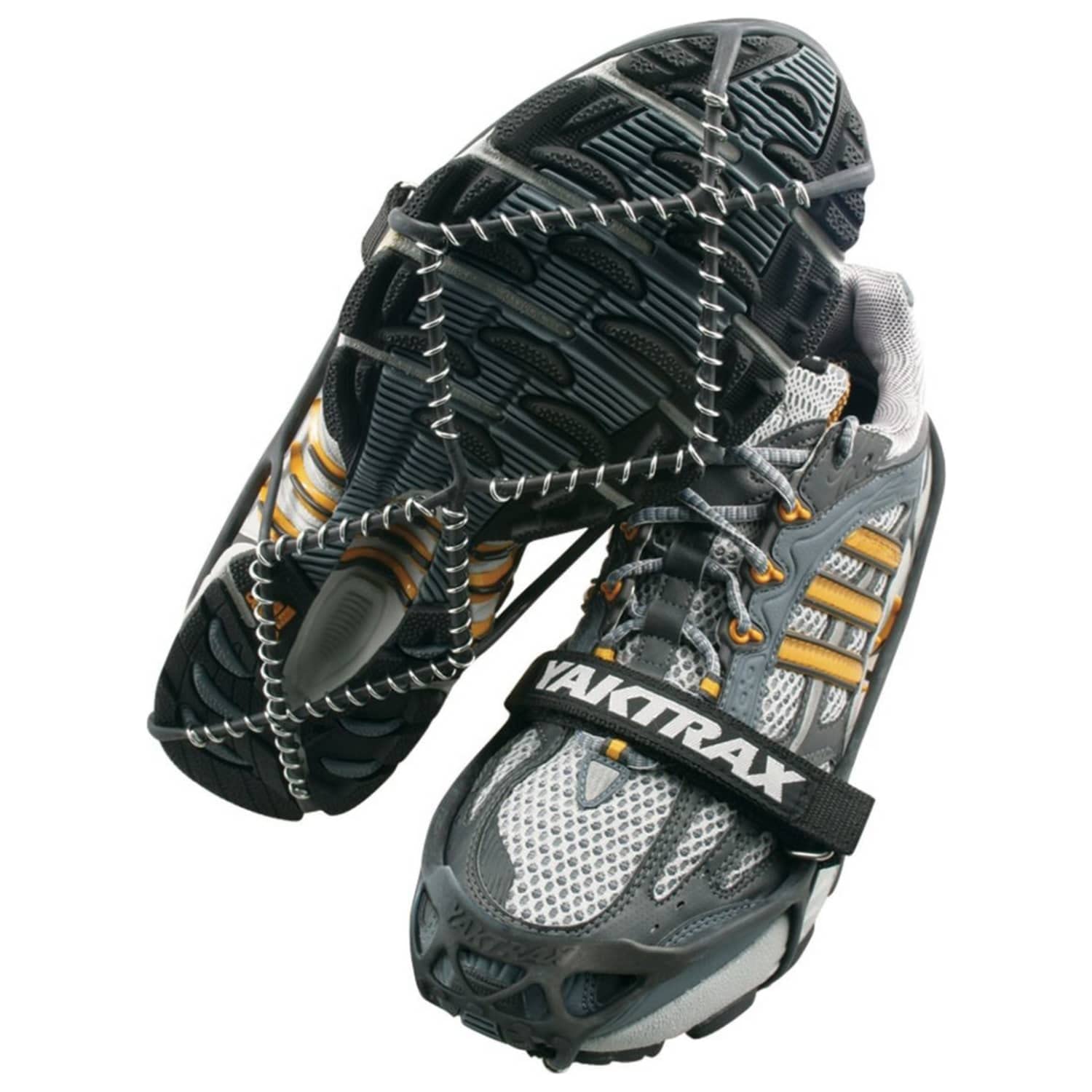
Yaktrax Pro Traction Cleats - 360-Degree Grip on Snow, Ice, & Multi-terrain Surfaces - Elastic Outer Band w/ Easy-On/Off Heel Tab & 1.4mm Stainless Steel Coils - Abrasion Resistant - Unisex : Clothing, Shoes & Jewelry
View on AmazonGetting There and Getting Around
- Rail and road: Intercity trains link major hubs including Minsk, Brest, Grodno, and Vitebsk. Check current timetables on the Belarusian Railway’s official website. For castle country (Mir and Nesvizh), many travelers opt for a hired driver or rental car to pair sites on flexible timing; regional buses and minibuses also operate but have limited luggage space.
- Airport access: Minsk National Airport offers international and domestic connections; verify routes and schedules on the airport’s official site and with airlines before booking.
- Day‑trip combinations: Common pairings include Mir with Nesvizh on a one‑ or two‑night loop from Minsk; a Brest base for the fortress memorial and nearby national parklands; and Grodno for its baroque skyline and river promenades.
For itineraries that braid architecture with memory—castles, memorials, Orthodox cupolas—see our guide to Belarus’s top attractions and unique experiences.
Cultural Etiquette and Responsible Travel
- Language: Belarusian and Russian are both used; Russian is widely understood in cities. A few polite phrases and a measured tone go a long way.
- Respectful conduct: Many palaces and monasteries double as sites of remembrance. Dress modestly, avoid flash in sacred spaces, and keep voices low in galleries.
- Photography: Tripods and drones may require permits on museum grounds. Ask staff where photography is welcomed and where it is restricted.
- Community benefit: Choose guides affiliated with local associations, tip hotel teams fairly, and buy crafts with clear provenance—linen, straw work, woodcarving—from onsite shops or cooperatives.
- Entry formalities: Visa and entry rules can change. Confirm current requirements on official government channels and secure comprehensive travel insurance.
Curated Stays: Three Editorial Favorites
- Monastyrski Hotel (Minsk): Cloistered calm in the Old Town, with thick walls, arcades, and a courtyard—ideal for travelers who want character within steps of churches, galleries, and cafés. (Verification: Monastyrski Hotel Minsk official site.)
- Hotel Europe (Minsk): A reconstructed grande dame that brings Belle Époque flourish back to the capital—central, ceremonial, and convenient for museum days and dressed‑up nights. (Verification: Hotel Europe Minsk official site.)
- Kronon Park Hotel (Grodno): A small, wood‑paneled retreat in the trees outside Grodno—period ambiance without fuss, plus easy access to one of Belarus’s most handsome historic centers. (Verification: Kronon Park Hotel official site.)
Verification notes and where to check details next:
- For castles and museum‑reserves (Nesvizh, Mir): consult the sites’ official pages and visitor information lines for current opening hours, tour formats, and any overnight options.
- For rail and air schedules: use the Belarusian Railway’s official timetable and Minsk National Airport’s route updates.
- For hotel rates and room types: rely on official hotel websites or established booking platforms; avoid outdated third‑party summaries.
- Property‑level checks: Monastyrski Hotel Minsk, Hotel Garni Minsk, Hotel Europe Minsk, Hotel Belarus (Minsk), Hotel Minsk (Minsk), Kronon Park Hotel (Grodno), Hermitage Hotel (Brest), and Nanosy‑Novoselie (Lake Narach) should be verified on their official websites or via recognized national/regional tourism portals before booking.
The best historic hotels in Belarus do more than shelter—they interpret. They trade the anonymity of a glass box for patina, memory, and the soft percussion of bells and footsteps. Long after checkout, you remember the smell of polished wood, a view framed by 18th‑century mullions, and the way the country’s past felt—lived rather than merely looked at.
Recommended Travel Gear
Belarus: Roberts, Nigel
This new, thoroughly updated edition of Bradt’s Belarus remains <strong>the only full-blown standalone guide to the most westerly of the constituent republics that formed the Soviet Union prior to the
Ceptics European Travel Plug Adapter (Type C), Universal to European EU, Power Charge your Electronics in Italy, Greece, Germany, Outlet Adaptor 3 Pack : Electronics
2 Pack European Travel Adapter Plug for European Outlets - Type C, Type E, Type F - Europe Plug Adapter Works in France, Spain, Italy, Germany, Netherlands, Belgium, Poland, Russia & More · Ceptic
Yaktrax Pro Traction Cleats - 360-Degree Grip on Snow, Ice, & Multi-terrain Surfaces - Elastic Outer Band w/ Easy-On/Off Heel Tab & 1.4mm Stainless Steel Coils - Abrasion Resistant - Unisex : Clothing, Shoes & Jewelry
Yaktrax Walk Traction Cleats - <strong>360-Degree Grip on Snow, Ice, & Multi-terrain Surfaces</strong> - Elastic Outer Band w/ Easy-On/Off Heel Tab & 1.2mm Zinc-coated Steel Coils - Abrasion &