
Holbox: Whale Sharks, Plastic‑Free Stays and the Island’s Conservation Pivot
Swim with whale sharks the right way in Holbox. Plan a 3–5 day, conservation‑forward trip with plastic‑free stays, ethical tours, and ways to support local restoration.
Trip Length
3–5 days
Best Time
June–September
Mood
Adventure / Sustainable
Before the sun burns the haze off the Gulf, your panga idles on a calm, pewter sea. The guide points to a constellation of white spots moving with purpose beneath the surface and your heart answers with its own rhythm. This is what the Holbox whale shark season is really about: not a checkmark, but a humbling, salt‑sprayed moment that reorders your sense of scale.
Holbox whale shark season: when and how to go
Between June and September, plankton blooms draw whale sharks to the waters off Holbox and nearby Cabo Catoche. Conditions change daily—these are wild animals, not a theme park—yet this period offers your best odds. Tours head out early, often navigating a long search line before you’re briefed and paired for short, carefully timed swims. Expect a conservation‑minded cadence: two guests in the water at a time with a guide, no touching or blocking the animal’s path, and no sunscreen—wear a long‑sleeve rash guard instead. Operators will cancel for wind or rough seas, so build flexibility into your plan.
The simplest way to book is through a licensed local operator or your pousada; both should be upfront about regulations, group sizes, and contingency plans. Ask how they minimize impact—fuel‑efficient engines, adherence to permit rules within the Yum Balam Protected Area, and clear briefings are all good signs.
How to get there—and what arrival feels like
Holbox sits off the northern tip of Mexico’s Yucatán Peninsula. Most travelers route through Cancún International Airport and continue by road to the small port of Chiquilá (roughly two to three hours, depending on traffic). From there, passenger ferries make the short crossing throughout the day.
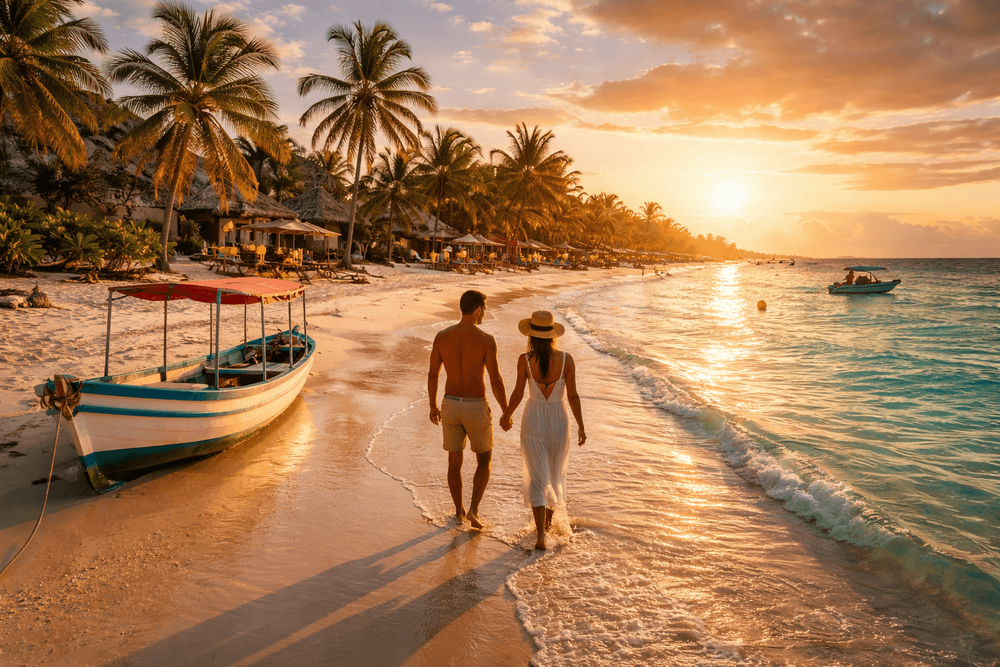
On arrival, expect sand instead of sidewalks and golf cart taxis instead of cars. Streets are unpaved; they puddle after rain and glow gold at sunset. You’ll roll your bag or hop a cart to your pousada, salt air in your lungs and pelicans skimming the shoreline. Cash is still king; bring enough pesos for tours, tips, and meals, as ATMs can be limited and card readers sometimes falter. Mobile data can be patchy and Wi‑Fi speeds modest—another gentle cue to slow down.
Eco‑minded pousadas that walk the talk
Holbox’s footprint is fragile—mangroves, dunes, shallow seas—and the smartest stays acknowledge that. When choosing a pousada, look for substance over slogans:
- Plastic‑free operations with refill stations for filtered water, glass carafes in rooms, and no mini‑toiletries.
- Thoughtful energy use: solar where feasible, natural ventilation, ceiling fans, and clear guidance on air‑conditioning hours, if offered.
- Low‑impact design that respects dunes and mangroves; properties set back from turtle nesting zones with shielded, warm‑tone lights at night.
- Waste sorting and gray‑water practices that are explained, not hidden.
- Partnerships with certified wildlife guides and local conservation groups.
If a property is proud of its efforts, you’ll see it in the details: composting on site, menus that highlight regional produce, and staff who brief you on how to be a good guest in the ecosystem. Ask how they source energy, where their water comes from, and which local projects your stay supports. Your questions themselves help move the island’s hospitality scene toward accountability.
The swim: ethics, logistics and the feel of the water
A whale shark day starts early. After a safety and ethics briefing, you’ll motor out until the captain spots the telltale dorsal and tail sweeping under the chop. Two guests slip in with a guide, finning hard for a few seconds before the sea goes quiet and the pattern of white flecks fills your view. The shark keeps its own tempo—mouth open, filtering plankton, indifferent to you if you keep your line and distance.
A few practical notes to make it a better experience for you and a lighter touch on the animals:
- Leave the sunscreen off entirely; wear a hooded rash guard and leggings. Sunscreen—“reef‑safe” or not—adds chemicals to the food web these animals rely on.
- Keep gear minimal. A simple mask, snorkel, and fins are usually all you need; operators provide them if you don’t have your own.
- Seasickness is real on search days. If you’re prone, take precautions the night before and eat lightly.
- Photos are fine; flash and drones are not. The best images come when you slow down and match the animal’s direction without cutting across its path.
Sightings are not guaranteed, even in peak Holbox whale shark season. Some days you’ll also encounter manta rays or dolphins; other days, the sea stays mysterious. The uncertainty is part of the privilege.
Beyond the sharks: mangroves, birds and night glow
Holbox is a threshold between the Gulf and Caribbean, and the quieter magic is often in the margins. Kayak or paddleboard through mangrove channels at first light to watch herons, egrets, and ospreys hunting in the shallows. Sandbars unfurl for kilometers at low tide; walk the luminous flats and you may spot stingrays ghosting over seagrass. On windy days, kites dance offshore; on still nights near the new moon, bioluminescence can shimmer with every footstep in the shallows.
Local guides offer nature walks that decode the island’s dunes and coastal scrub—why certain plants pin the sand, how nesting seasons shape light discipline, and why leaving shells where they are matters. Choose outfitters who cap group sizes and avoid trampling sensitive areas.
Support reef and habitat restoration
While Holbox’s immediate waters are more about plankton and pelagics than coral gardens, the island sits within a broader conservation mosaic that includes the Yum Balam Protected Area and, farther east, the Mesoamerican Barrier Reef. You can contribute meaningfully:
- Join beach and dune cleanups organized locally; microplastics are a constant battle on windward shores.
- Ask your operator if they partner with reef‑nursery projects along the Quintana Roo coast; seasonal volunteer days sometimes welcome travelers for tasks like tending coral fragments or monitoring outplant sites.
- Donate to groups focused on mangrove protection and turtle‑nest monitoring; many accept small contributions that stay on the island.
- Choose tours that use mooring buoys rather than anchors when snorkeling near patch reefs, and ask about fuel‑efficient engines.
These actions won’t solve overtourism, but they tilt the equation toward regeneration—one booking, one conversation at a time.
A 3–5 day low‑impact plan
Day 1: Fly into Cancún, road transfer to Chiquilá, and ferry across. Settle into your pousada, refill your bottle, and get your bearings with a sunset walk along the sandbar. Ask the front desk about current wildlife conditions and how you can help during your stay.
Day 2: Early whale shark outing. Keep the afternoon unstructured: hammock time, a shaded nap, then a shoreline wander as the island exhales after day‑trippers depart. Read up on the Yum Balam reserve and confirm a mangrove paddle for dawn.
Day 3: Sunrise kayak through the mangroves with a naturalist guide. After breakfast, opt into a dune or beach cleanup. In the evening, if the moon phase cooperates, take a small‑group bioluminescence swim; otherwise, chase the last light along the shallows.
Day 4: Offshore snorkel around the Cabo Catoche area when conditions allow, focusing on seagrass meadows and fish life. Alternatively, rent a bicycle and trace the island’s length to a quiet stretch of beach, giving nesting areas a wide berth. Sunset is for sand‑between‑toes and fresh fruit on your terrace.
Day 5: Slow morning. Pick up locally made, plastic‑free souvenirs and plan your return ferry with tide and weather in mind. Depart via Chiquilá.
Practical notes: expectations that make the island better
- Pack light, salt‑friendly layers; the island is humid and informal, and everything picks up sand.
- Respect resource limits. Electricity and freshwater are finite—turn off the AC when you’re out, and keep showers quick.
- Tread lightly in dunes and mangroves; these are the island’s storm buffers and nurseries for marine life.
- Cash tips go a long way for guides and crew, especially on days when weather cancels outings.
When to go—and when not to
Holbox is compelling year‑round, but if your goal is whale sharks, plan for June through September, with the highest frequency of outings typically mid‑season. It’s also the rainy and tropical‑storm season; build buffer days, buy travel insurance that covers weather, and accept that nature, not an app, sets the schedule. Outside the Holbox whale shark season, the island shifts toward birdwatching, long tide walks, and kite sessions when the wind is right—quieter, softer, and easier on the reefs and lagoons.
The conservation pivot
Holbox is at an inflection point. Visitor numbers have climbed, and the island’s sandy veins and mangrove heart can only carry so much. The shift is underway: pousadas ditching plastic, operators tightening their code of conduct, travelers asking sharper questions. If you time your trip for the Holbox whale shark season and choose thoughtfully, your days here can fund restoration rather than strain it. The reward is not just a memory of spots and gills in green water; it’s leaving an island wilder, calmer, and more resilient than you found it.
Where to Stay

My Blue Hotel Holbox
My Blue Hotel Holbox is a 5-star hotel on Holbox Island rated 8.6/10 by guests, offering contemporary seaside rooms, on-site facilities and concierge-arranged beach and island activities, making it a practical base for exploring the island.

Holbox Dream Beachfront Hotel
Holbox Dream Beachfront Hotel is a 3-star beachfront property on Holbox with an 8/10 guest rating, offering direct beach access, casual rooms and on-site amenities for travelers seeking a relaxed island stay near local restaurants and activities.

Hotel Boutique Naj Casa Holbox
Hotel Boutique Naj Casa Holbox is a 5-star boutique hotel on Holbox Island, rated 8.1/10 by guests, offering design-focused, intimate accommodations and personalized service while placing travelers within easy reach of the island's beaches, wildlife excursions and village.

Hotel Xaloc Resort
Hotel Xaloc Resort is a 3.5-star resort on Holbox Island that offers island-style rooms, an outdoor pool, on-site dining and easy access to beaches and local tours; guests rate it 8.4/10 for its comfortable, casual atmosphere and convenient location.

AWA Holbox Hotel Boutique - Beach Front
AWA Holbox Hotel Boutique - Beach Front is a 5-star beachfront boutique hotel on Holbox offering stylish, intimate accommodations with direct beach access and attentive, upscale service, earning an 8.7/10 guest rating for its location and comfort.