

How to Deal with Jet Lag: An Expert Traveler’s Guide
Beat time zone fatigue with a science-backed plan—smart flight timing, in‑flight routines, and a 48‑hour reset that gets you exploring sooner.
Mood
Wellness-Focused Travel
The taxi glides through a city that is just beginning to stir. Lanterns surrender to daylight; bakery doors open in a fragrant sigh of butter and yeast. Yet inside the car, time is a knot—midnight hunger in a sunrise world, heavy eyes at noon. For travelers wondering how to deal with jet lag, the goal is simple: retune the body’s inner orchestra to the destination’s rhythm—efficiently, gently, and with a little grace.
What Is Jet Lag? The Science in Plain English
Jet lag is a temporary circadian misalignment—a mismatch between your internal clock (the circadian rhythm) and the local time at your destination. Your master clock, nestled in the brain’s suprachiasmatic nucleus (SCN), keeps near-24-hour time using external cues known as zeitgebers, the strongest of which is light. Food timing, movement, temperature, and social routines also tug at the rhythm, but light is the baton.
When you cross time zones too quickly for your internal clock to keep pace, the result is jet lag: fragmented sleep, early wake-ups or late bedtimes, foggy thinking, digestive wobbles, mood changes, and that slippery sense that the day is running slightly ahead or behind you. Eastward travel usually feels harder because it requires advancing your clock (sleeping earlier), while westward travel delays it (staying up later), a change that most bodies handle more easily. Individual factors—age, chronotype (morning lark vs. night owl), and prior sleep debt—change the picture, but the principle holds: light at the right time, darkness at the right time, and thoughtful routines will pull you back into sync.
Plan Before You Go: Timing, Sleep Shifts, and Flight Choices
Good jet lag management begins days before departure. The aim is to meet your destination halfway so the clock doesn’t have to sprint on arrival.
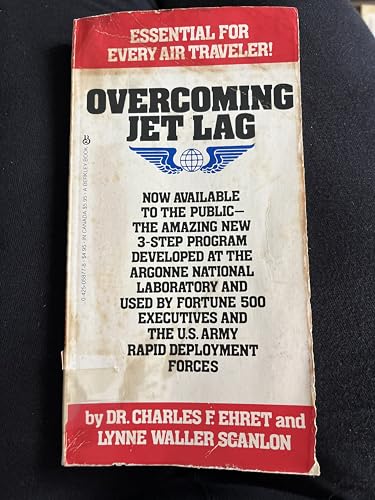
Overcome Jet Lag Tr: Ehret, Charles F.
1. The Cure for Jet Lag, published by Back2Press Books -- Author with Charles F. Ehret, Ph.D.
Check Price on Amazon- Shift your sleep: For eastbound trips, move bedtime and wake time earlier by 15–30 minutes per day for 3–5 days pre-departure. For westbound trips, delay by the same increment. Anchor these shifts with morning or evening light exposure respectively (details below) and keep meal and workout times moving with your sleep.
- Pick arrival times wisely: Landing in late afternoon or early evening local time makes it easier to push through to a reasonable first bedtime. For overnight long-hauls, flights that deliver you to daylight can help you step straight into the new rhythm.
- Consider purposeful stopovers: Breaking a 10–12-hour time jump with a 24–48-hour stop can blunt the shock. If you do pause, plan light, movement, and sleep to begin the adjustment—not a blur of midnight snacks and endless naps. For inspiration on making those pauses count, see Overnight Layover Things to Do: Smart, Stylish Plans for Short Stops (/experiences/overnight-layover-things-to-do-smart-stylish-plans-short-stops).
- Book with timing in mind: Price matters, but so does schedule. When timing a purchase to secure the right route and arrival window, consult When Is the Best Time to Book Flights? A Practical Guide (/experiences/when-is-the-best-time-to-book-flights-practical-guide). If flexible on routing, weigh time zone jumps and layover timing alongside fare savings—How to Find Cheap Flights: Expert Strategies for Savvy Travelers (/experiences/how-to-find-cheap-flights-expert-strategies) can help you balance both.
- Minimize pre-trip sleep debt: The more rested you are before you fly, the less punishing the adjustment will feel. Treat the week before departure like a mini training camp for sleep: consistent bedtimes, limited late-night screens, and reduced alcohol.
In-Flight Strategies: Sleep, Light, Movement, and Hydration
The cabin is its own ecosystem: dry air, altered pressure, dimmed lights. Use it to your advantage.

Physix Gear Compression Socks - Best Men & Womens Compression Sock for Circulation, Running, Nurses, Athletic Use Sock Compression, Blood Pressure Socks, Calcetines de , All, Black, S/M : Clothing, Shoes & Jewelry
View on Amazon
MZOO Luxury Sleep Eye Mask for Side Sleeper Men Women, Zero Eye Pressure 3D Sleeping Mask, Light Blocking Patented Design Night Blindfold, Soft Eye Shade Cover for Travel, Black
View on Amazon- Light management: If you need to sleep on the plane to hit the ground aligned, reduce blue light 60–90 minutes before attempting sleep—dim your screen, use a sleep mask, and avoid overhead lighting. If staying awake helps your reset (common on westbound flights), keep your space bright and stimulating.
- Sleep intentionally: Choose a window seat for fewer interruptions when you intend to sleep; pick an aisle if you plan to stay awake and move often. Use familiar sleep cues—soft music, a neck pillow, a light blanket. Short, structured rest beats groggy, unplanned dozing.
- Move every 60–90 minutes: Walk the aisle, do calf raises, ankle circles, and gentle hamstring stretches to maintain circulation and reduce stiffness. Compression socks can help during long sectors, particularly if you have risk factors for clots.
- Hydrate strategically: Aim for roughly 200–300 ml of water per hour of flight time, adjusting for body size and thirst. Balance electrolytes with a light sprinkle of salt or an electrolyte tablet if you’re drinking heavily; avoid overdoing diuretics like alcohol. Limit alcohol to a single drink or skip it—its sleep-fragmenting effects are magnified at altitude.
- Caffeine with care: If you plan to sleep on board, avoid caffeine for 6–8 hours before your intended sleep period. If you’re staying awake, modest, spaced doses (think half a cup every few hours) are more effective than a single jolt.
- Eat light, time it right: Keep meals modest and aligned to destination time if the airline schedule allows. Heavy, late meals on board can make a first-night sleep at destination more elusive.
How to Deal with Jet Lag: Your 48-Hour Reset Plan
The first two days at destination are your reset window. Treat them like a performance: light, movement, meals, and sleep placed precisely.
Eastbound Arrivals (Advancing the Clock)
Day 1 (local time):
- Morning/early afternoon: Seek bright outdoor light as soon as feasible. A 20–30-minute walk under open sky is ideal. Avoid sunglasses unless necessary for comfort.
- Caffeine: If you arrived overnight, take caffeine after you’ve had at least 90 minutes awake to avoid spiking cortisol on top of travel stress. Stop by mid-afternoon.
- Meals: Eat on local time, starting with a protein-forward breakfast and a balanced lunch. Keep portions moderate.
- Nap: If needed, limit to 20–30 minutes before 2 p.m. Set an alarm and nap in a bright room so you don’t sink into deep sleep.
- Late afternoon/evening: Dim indoor lights 2–3 hours before your target bedtime. Avoid intense exercise late. If using melatonin, see guidance below.
- Bedtime: Aim for a reasonable local hour (e.g., 10–11 p.m.). Keep the room cool and dark; a warm shower followed by a cool bedroom can cue sleep.
Day 2:
- Morning: Strong morning light again—ideally 30–45 minutes outside. Short, moderate-intensity exercise (a jog along the waterfront, a brisk climb up neighborhood steps) reinforces the shift.
- Evening: Dim lights early. Maintain consistent bedtime.
Westbound Arrivals (Delaying the Clock)
Day 1 (local time):
- Daytime: Get bright light in late afternoon and early evening. If you arrive in the morning, wear sunglasses outdoors before midday to reduce early-morning light that would push you toward an even earlier bedtime.
- Caffeine: Judicious, earlier in the day, tapering by late afternoon to protect your first night’s sleep.
- Meals: Eat on local times; a carb-inclined dinner can ease sleep pressure later.
- Nap: If absolutely necessary, 20–30 minutes in the late morning or early afternoon—avoid evening naps.
- Evening: Keep indoor lights on and lively until your target bedtime; socialize, stroll after dinner, and lean into local nightlife in moderation.
Day 2:
- Morning: Guard against early light if you’re waking too soon—use blackout curtains or a sleep mask if sunrise is early. Shift light exposure later into the morning, and get another hit of bright light in the early evening.
- Activity: Low- to moderate-intensity exercise in late afternoon helps delay the clock.
Practical Tools: Melatonin, Meds, Wearables and Apps
A few well-timed tools can make the reset smoother. Use them thoughtfully and, when in doubt, consult a clinician—especially if you’re pregnant, managing a health condition, or taking medications that interact with sleep aids.
Melatonin (dosage and timing)
- Dose: For many travelers, low doses—0.3 to 1 mg—are physiologic and effective with fewer grogginess effects. Doses of 1–3 mg are commonly used; more is rarely better and can push you past the optimal window.
- Timing for eastbound (advance): Take melatonin 3–5 hours before your intended local bedtime for the first 2–4 nights. This helps pull your clock earlier. Keep evening light low and seek bright morning light.
- Timing for westbound (delay): Rely primarily on evening light exposure to delay your clock. If you’re wide awake at 3 a.m. or waking too early, a small dose (0.3–1 mg) at local bedtime can aid sleep onset without strongly advancing your clock. Some specialists use very low-dose melatonin in the early morning to delay, but this can cause daytime sleepiness—consult a clinician before trying.
- Safety notes: Avoid driving or operating machinery after dosing. Discuss melatonin with a pediatrician before giving it to children. Interactions are possible with blood thinners, immunosuppressants, and some antidepressants.
Medications (use under guidance)
- Over-the-counter antihistamines and herbal sedatives may cause next-day fogginess and aren’t ideal for precision timing.
- Prescription hypnotics and certain short-acting sleep medications can be effective for selected travelers but carry risks: parasomnias, impaired coordination, and dependence. Avoid combining with alcohol and never take a first-ever dose on a plane. Consultation with a healthcare provider is essential.
Wearables and Apps
- Circadian planners: Apps that translate your itinerary into a timed plan for light, sleep, and caffeine can help maintain discipline when willpower flags. For broader trip-tech essentials, see Best Travel Apps for Modern Travelers: Planning, Booking & Offline Use (/experiences/best-travel-apps-modern-travelers-planning-booking-offline).
- Light tools: A simple sleep mask and, when appropriate, blue-light–blocking glasses for late-night screen time help control your light environment. Compact, high-lux light boxes can be useful for winter mornings at high latitudes, but sunlight is usually your best, most beautiful tool.
- Trackers: Sleep and HRV data can reveal trends but shouldn’t become a source of stress. Use them to confirm progress, not to chase perfection.
Food, Caffeine, and Exercise: What Helps and What Hinders
- Food timing: Align meals with local clock on arrival. Front-load protein at breakfast to promote alertness, keep lunch balanced, and let dinner lean slightly carb-heavy if falling asleep is difficult.
- Fasting strategies: Some travelers find that a 12–16-hour fast that ends with breakfast on destination time reduces grogginess. The evidence is mixed, but it’s a low-risk tool if you’re healthy; hydrate well and break the fast with a balanced meal.
- Alcohol: Nightcaps fracture sleep architecture, especially after long-haul flights. If you drink, do so with dinner and stop several hours before bed.
- Caffeine: Wait 60–90 minutes after waking before your first dose to avoid clashing with natural cortisol peaks. For eastbound travel, cut caffeine by early afternoon; for westbound, a small late-afternoon coffee can help delay—but stop 8 hours before bedtime.
- Exercise: Use movement as a time cue. Morning sunlight plus a brisk walk or easy run helps advance your clock (eastbound). Late-afternoon activity helps delay (westbound). Leave high-intensity intervals for daytime; hard evening workouts can rev you up when you should be winding down.
Route-Specific Tweaks: Short-Haul vs. Long-Haul; Eastward vs. Westward
- Fewer than 3 time zones: Consider staying on home time if the trip is under 3 days. Keep sleep and meal times on your original schedule, and schedule meetings or dinners when you’re naturally alert.
- 3–6 time zones: Partial adaptation can work. Shift 1–2 hours before departure, use strategic light, and accept that you’ll feel slightly offset for a day or two.
- 7+ time zones: Commit to a full switch. Arrive with sleep debt minimized, choose flights for daylight landings, and follow the 48-hour plan closely.
- East vs. west: East is an advance; prioritize morning light and earlier bedtimes, with melatonin in early evening. West is a delay; soak up late-afternoon light, keep evenings lively, and guard mornings from too-early brightness the first couple of days.
- North–south flights: With minimal time change, jet lag is less of a concern. Focus on hydration, movement, and good sleep hygiene to buffer cabin fatigue.
When Jet Lag Isn’t Normal: Red Flags and When to See a Doctor
Jet lag is expected to improve within a few days, roughly one day per time zone for complete adaptation (often faster with good strategy). Seek medical advice if you experience:
- Severe insomnia or daytime sleepiness persisting beyond 7–10 days
- Palpitations, chest pain, fainting, or significant shortness of breath
- Confusion, severe headache, fever, or dehydration that doesn’t respond to fluids
- New or worsening mood symptoms (jet lag can unmask vulnerability to anxiety or mania in susceptible individuals)
- Signs of deep vein thrombosis: swelling, warmth, or pain in the calf or thigh after long flights
- Concerns relating to pregnancy, young children, older adults, or complex medical regimens
A clinician can tailor a plan: precise light schedules, carefully timed melatonin or medications, and screenings for sleep disorders such as sleep apnea that can magnify jet lag’s effects.
The Lasting Image
The first morning you feel the city wake with you—a breakfast terrace awash in slanting sun, the clatter of cups matching your inner metronome—you’ll know the plan worked. Dealing with jet lag is not a battle but a choreography. With light as your cue and a few well-timed steps, your body learns the new rhythm, and the world opens on tempo.
Recommended Travel Gear
Overcome Jet Lag Tr: Ehret, Charles F.
1. The Cure for Jet Lag, published by Back2Press Books -- Author with Charles F. Ehret, Ph.D.
MZOO Luxury Sleep Eye Mask for Side Sleeper Men Women, Zero Eye Pressure 3D Sleeping Mask, Light Blocking Patented Design Night Blindfold, Soft Eye Shade Cover for Travel, Black
Our founder wanted to improve the quality of sleep in a safe and effective way, so he developed MZOO 3D eye mask. We value and listen to customer suggestion, after a lot of data research and testing,
Physix Gear Compression Socks - Best Men & Womens Compression Sock for Circulation, Running, Nurses, Athletic Use Sock Compression, Blood Pressure Socks, Calcetines de , All, Black, S/M : Clothing, Shoes & Jewelry
Unlike normal athletic socks, Physix Gear Stamina Socks are <strong>designed with gradient compression</strong>, The perfect performance gear designed for any activity where your legs are pushed to th