
How to Make Friends While Traveling Solo — A Savvy Traveler’s Guide
From hostels to hidden cafes, here’s a savvy, safety-forward guide to sparking real connections on solo trips—plus apps, scripts, and a social sample day.
Mood
Social Adventure
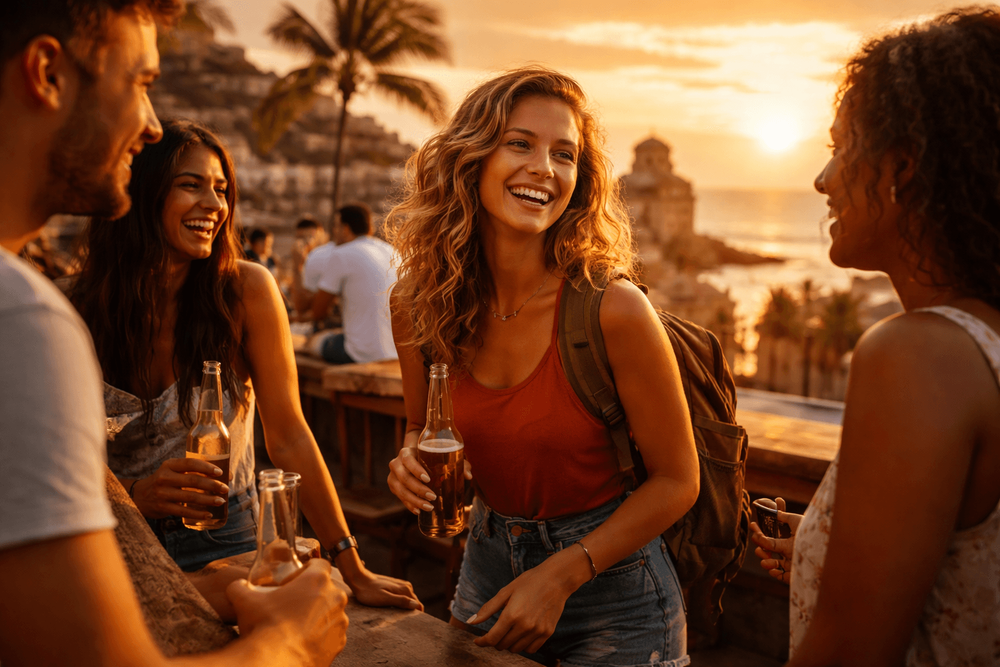
The miradouro fills with the amber hush of Lisbon’s late sun. A busker’s guitar floats over tiled rooftops; sardines hiss on a nearby grill. A traveler leans against the stone balustrade, hears laughter from a neighboring bench, and offers a spare cup of ginginha. A conversation begins, and with it—an evening expands into a shared supper, a fado bar, a late tram home. This is the quiet alchemy of how to make friends while traveling solo: the right setting, a little nerve, and the awareness to catch connection as it passes.
How to Make Friends While Traveling Solo
Making friends on a solo trip isn’t just a social bonus; it often becomes the trip’s architecture. Those brief intersections—cooking beside a stranger in a hostel kitchen, swapping bus tips in a mountain tea house—color the story of a place. Understanding how to make friends while traveling solo starts with mindset. Travelers who approach each day with open curiosity, visible warmth, and a clear sense of boundaries tend to spark the kind of easy, low-stakes exchanges that lead to plans.
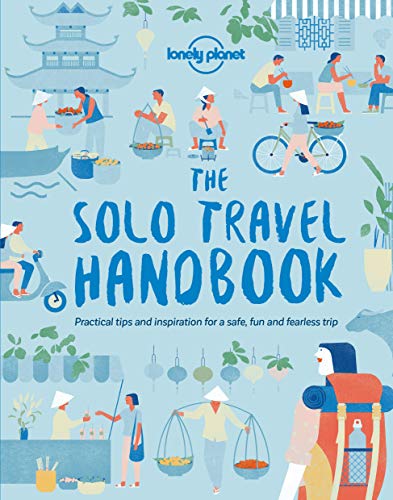
The Solo Travel Handbook (Lonely Planet): Planet, Lonely
<strong>Packed with tips and advice for before and during your travels</strong>, The Solo Travel Handbookgives you the confidence and know-how to explore the world on your own, whether you're pla
Check Price on AmazonBeneath the romance lies practicality: friendships unlock local knowledge. A climbing partner points out the shaded approach. A cafe regular shares which gallery is free tonight. New people can expand a trip’s rhythm and reveal corners missed by guidebooks, while also softening the inevitable lulls of solitude.
Mindset and energy
- Lead with presence. Put the phone away in social settings, make eye contact, and respond generously to small talk. The lightest conversation—“How’s the espresso here?”—can open doors.
- Signal availability without need. Reading a book with headphones off at a communal table says, “Friendly, not aimless.”
- Be the host, even as a guest. Offer useful tips, share snacks on a train, or initiate a plan (“I’m heading to the night market at 7—want to join for the first stall?”). Generosity is magnetic.
Best Places to Meet People on the Road
Certain environments are engineered for easy conversation. Prioritize places designed for mingling and shared tasks; they create “excuses” to talk.
Sociable stays: hostels, guesthouses, and social hotels
- Hostels with communal kitchens, lounges, or nightly activities turbocharge serendipity. Choose smaller, design-forward properties where travelers linger by choice rather than necessity.
- Boutique guesthouses often have intimate breakfasts or terrace aperitivi. Staff know repeat guests and can make soft introductions.
- Social hotels and co-living concepts host mixers, yoga, or neighborhood walks—a low-friction way to find a crew for dinner.
If choosing destinations that make socializing easy—cities with robust cafe culture, coastal hubs with surf schools—consider browsing our guide to Solo Travel Destinations: Where to Go for Safe, Social & Seamless Trips (/experiences/solo-travel-destinations-safe-social-seamless-trips).
Small-group tours and micro-classes
- Half-day food crawls, bike rides, or street art walks assemble people primed to chat. They’re short, structured, and end with a natural debrief at a cafe or bar.
- Micro-classes—ceramic glazing in Oaxaca, natural wine tastings in Tbilisi, kintsugi workshops in Kyoto—mix skill-building with conversation fodder. Ask the instructor for post-class spots to continue the chat.
Cafes with intention
- Look for communal tables, hand-lettered “Slow Coffee” signs, and indie playlists. Baristas are social hubs; a compliment on the roast or pastry often segues into neighborhood intel.
- Weekday late mornings and mid-afternoons are ideal—less laptop silences, more lingering locals.
Coworking spaces and casual “work-with-me” hours
- Day passes at coworking studios or hotel work lounges provide a built-in icebreaker: “What brings you here?” Lunch-and-learn sessions or Friday drink carts often turn acquaintances into weekend plans.
- Digital nomad meetups—skill swaps, language exchanges—work well for longer stays. For logistics and location ideas, see our Digital Nomad Guide for Backpackers: Work, Travel, and Where to Go (/experiences/digital-nomad-guide-backpackers).
Markets, parks, and transit moments
- Produce markets and night bazaars invite quick, sensory-led chats: share tastings, trade vendor tips, compare spice blends.
- City parks—pickup futsal in Lisbon, tai chi corners in Taipei, pétanque in Marseille—offer low-pressure group activities.
- Trains and long-distance buses remain classic conversation incubators. A shared window view makes the perfect opening.
Practical Approaches: Timing, Body Language, and Icebreakers
Strategy matters. The difference between a lonely afternoon and a spontaneous dinner may be 10 minutes and how someone stands in a line.
Timing is social engineering
- Show up early. Being first at a hostel dinner, walking tour, or meetup allows new arrivals to orient around you.
- Target transition hours—post-check-in, pre-sunset, pre-dinner. People are deciding “what’s next,” and a gentle invite can crystallize plans.
Readable body language
- Create open space: uncrossed arms, visible hands, feet angled slightly outward. A relaxed half-smile and engaged eyes do more than witty lines.
- Claim liminal spots—bar corners, cafe benches, queue lines—where micro-interactions happen naturally.
Conversation starters that go somewhere
- Borrow the place. “What’s the best thing you’ve eaten here?” beats “Where are you from?”
- Use specifics. “I’m torn between the castle and the ceramics museum—any strong opinions?”
- Offer a micro-plan. “I’m grabbing dumplings after this tour if anyone’s peckish.”
Shared activities as social glue
- Propose a task: cook a family-style meal in the hostel kitchen, split a rental car for a nearby hike, or plan a photo walk at golden hour.
- Volunteer for small duties—setting the table, keeping score at trivia—visibility without performance.
Top Apps and Online Communities That Actually Work
Digital tools can seed real-life encounters when used with intention.

Anker Nano Power Bank, 10,000mAh Portable Charger with Built-in USB-C Cable, 30W Recharging, 30W Max Output with USB-C&A, for iPhone 17/16/15 Series, MacBook, Galaxy, AirPods, and More : Cell Phones & Accessories
View on Amazon- Meetup: Reliable for language exchanges, board game nights, outdoor runs, and community classes. Filter by “new to town” or “social” tags.
- Couchsurfing Hangouts: Even if not staying with hosts, the Hangouts feature can surface spontaneous coffee walks or budget dinners.
- Travello: A traveler-first social network; browse by destination and interest to find companions for day trips.
- Facebook Groups: Search “[City] expats,” “female travelers [City],” or niche interest groups (trail running, salsa socials). Ask admins about active in-person events.
- WhatsApp/Telegram channels: Many cities maintain open event channels for pop-up concerts, hikes, or potlucks—often discovered via Meetup or FB groups.
For planning, navigation, and offline coordination across time zones and data dead zones, explore our Best Travel Apps for Modern Travelers: Planning, Booking & Offline Use (/experiences/best-travel-apps-modern-travelers-planning-booking-offline).
Pro tip: Message with purpose and a window. “Anyone up for the 4 p.m. ceramics demo at Mercado X?” reduces back-and-forth and sets an easy yes.
Safety and Boundaries: Trusting Instincts Without Missing Out
Smart socializing protects the joy of the journey. A few principles keep adventure buoyant and safe.
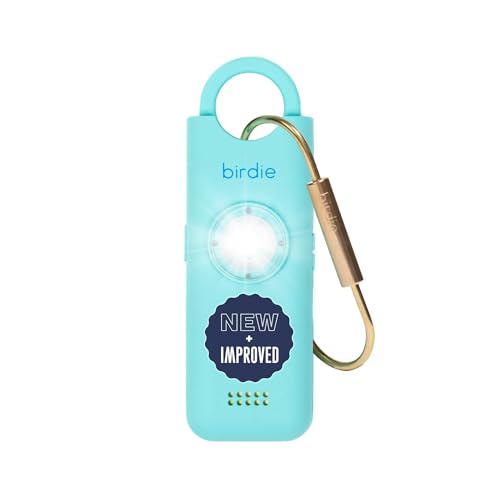
She’s Birdie–The Original Personal Safety Alarm for Women by Women–Loud Siren, Strobe Light and Key Chain in a Variety of Colors (Aqua) : Electronics
View on Amazon- Vet invites. Scan profiles, ask mutuals or staff, and check event pages for photos of past meetups. Prefer group settings for first hangs.
- Meet in public, leave on your own. Choose central venues, note exits, keep your drink in sight, and arrange independent transport.
- Share your plan. Text a friend or hostel staff your destination and a check-in time.
- Hold the line. A simple “I’m calling it a night—great meeting you” is enough. Boundaries preserve energy for the next day’s yes.
If your route includes the backpacker circuit, read Is Southeast Asia Safe for Solo Travelers? A Backpacker’s Real-World Guide (/experiences/is-southeast-asia-safe-for-solo-travelers-guide) for regional norms and street-smart context.
Turning Encounters into Lasting Connections
Friendship on the road thrives on lightness and follow-through.
- Follow fast. Send a quick note the same day—share a photo, a cafe recommendation, or a thanks. Momentum matters.
- Trade value. Swap playlists for bus rides, exchange recipes from a cooking class, or share your annotated map.
- Create low-effort rituals. Suggest a recurring walk (“Sunset steps at 6?”) or a standing morning coffee. Simplicity beats grand plans.
- Keep the door ajar. Add initials and the city to contacts; mention future routes. Six months later, a note—“Heads up, I’m in Porto next week”—can rekindle a travel friendship.
A Sample Social Solo Day
An aspirational, flexible itinerary that invites conversation without forcing it.
- 8:00 a.m. Cafe with a communal table. Order at the counter, ask the barista what locals pair with the house roast, and take a visible seat. Offer the spare chair. Exchange a pastry recommendation.
- 9:30 a.m. Free or tip-based walking tour. Arrive five minutes early, chat with the guide, ask who else is solo. During breaks, ask fellow walkers which stop surprised them most. Float a lunch suggestion.
- 12:30 p.m. Market lunch. Suggest a progressive tasting—three stalls, share plates. Snap a group photo and promise to send it.
- 2:30 p.m. Coworking day pass or creative workshop. Introduce yourself at the sign-in desk. Sit near the community board and attend any mid-afternoon tea break.
- 5:30 p.m. Golden-hour viewpoint or waterfront walk. Offer to take photos for another traveler; ask for one in return. If the vibe fits, propose a short detour for gelato.
- 7:30 p.m. Casual group activity—pub quiz, open mic, board game cafe. Join a team with a playful name; volunteer to keep score.
- 10:00 p.m. Nightcap or dessert. Share a final stop with anyone lingering. Exchange contacts, send the earlier photo, and plant the seed for tomorrow’s coffee.
Threaded through the day are micro-gestures—saving a spot in line, sharing sunscreen at the pier, complimenting a tote bag’s artwork—that invite connection without pressure.
Localizing Your Approach: Quick Tips by Destination
Customs and context shape how connection begins. Small tweaks to greeting style, pacing, and venue choice can make the difference.
Europe (continental)
- Cafe etiquette: Table service is slower by design; linger without impatience. A request for recommendations is a gracious opener.
- Language: Start with a local greeting and “Do you speak English?” offered softly.
- Social hubs: Free museum nights, city-run bike rides, and neighborhood markets are ripe for conversation.
- Shared interests: Football matches, thrift markets, and wine bars with standing counters (especially in Spain and Italy) encourage chatty proximity.
Japan
- Politeness first: Bow slightly, lower volume, and keep respectful distance. Compliments on craftsmanship—coffee, ceramics, stationery—are welcome.
- Structured socials: Language exchanges, board-game cafes, and hobby clubs (camera walks, jazz kissaten nights) offer gentle conversation lanes.
- Onsen and temples: Observe etiquette; chat is minimal. Save conversation for tea rooms, izakaya counters, and after-class moments.
Korea
- Group energy: Hiking clubs, norebang (karaoke) rooms post-dinner, and late-night street food alleys are social sands.
- Introductions: A mutual friend or group setting warms first meetings. Offer and accept business cards with two hands.
- Cafe culture: Themed cafes (vinyl, dessert, book) spark easy niche conversations.
Portugal
- Everyday warmth: Tascas, azulejo workshops, and football nights at neighborhood bars hum with conviviality.
- Rhythm: Dinners start late; sunset miradouros and pre-dinner petiscos are prime for casual invites.
- Surf towns: Shared lessons bond quickly; propose a post-surf pastel de nata run.
Bali
- Community tables: Health cafes, smoothie bars, and warungs with daily specials draw chatty regulars.
- Cowork energy: Co-labs and skill shares are constant; introduce yourself at whiteboard sign-ups.
- Culture-forward: Temple ceremonies and dance performances deserve reverence—save conversation for before or after. Offer to share photos respectfully.
What to Expect—And What to Release
Not every chat becomes a companion. The goal is lightness: many small connections, a few golden ones. Some days brim with banter; others hum with private joy. Embrace both. The art of how to make friends while traveling solo lies in choosing environments that invite conversation, greeting the world with open yet discerning energy, and following up with simple, human warmth.
When the plane lifts and the city becomes a pattern of lights, it’s the human thread that lingers: shared laughter over a skewered snack, a tip scribbled on a napkin, a photograph taken at the edge of a continent. Those moments don’t just fill a trip; they sharpen its flavor, the way citrus brightens a stew. And they’re waiting in the next city, the next cafe, the next hello.
Recommended Travel Gear
The Solo Travel Handbook (Lonely Planet): Planet, Lonely
<strong>Packed with tips and advice for before and during your travels</strong>, The Solo Travel Handbookgives you the confidence and know-how to explore the world on your own, whether you're pla
Anker Nano Power Bank, 10,000mAh Portable Charger with Built-in USB-C Cable, 30W Recharging, 30W Max Output with USB-C&A, for iPhone 17/16/15 Series, MacBook, Galaxy, AirPods, and More : Cell Phones & Accessories
INIU Portable Charger, Ultra Slim 45W Fast Charging with Attached USB C Cable, Flight-Safe 10000mAh PD Power Bank Battery Pack, Travel Essential Phone Powerbank for iPhone 17 16 Samsung S25 Google etc
She’s Birdie–The Original Personal Safety Alarm for Women by Women–Loud Siren, Strobe Light and Key Chain in a Variety of Colors (Aqua) : Electronics
<strong>When threatened, activate Birdie's LOUD siren and flashing strobe-light to create a diversion and to help deter an attack</strong>. Birdie’s modern design is easy-to-use. To activate, rem