
How to Stay Safe While Traveling: Expert Hotel & On‑the‑Road Tips
An expert, hotel-first guide to staying safe on the road—from pre-trip prep and choosing the right stay to street smarts, digital security, and what to do if plans go sideways.
Mood
Smart Secure Stays
title: How to Stay Safe While Traveling: Smart, Secure Stays Checklist meta_description: A senior editor’s checklist on how to stay safe while traveling—plan smart, choose secure hotels, navigate airports and rideshares, protect health, data, and money, and recover fast—with vetted sources.
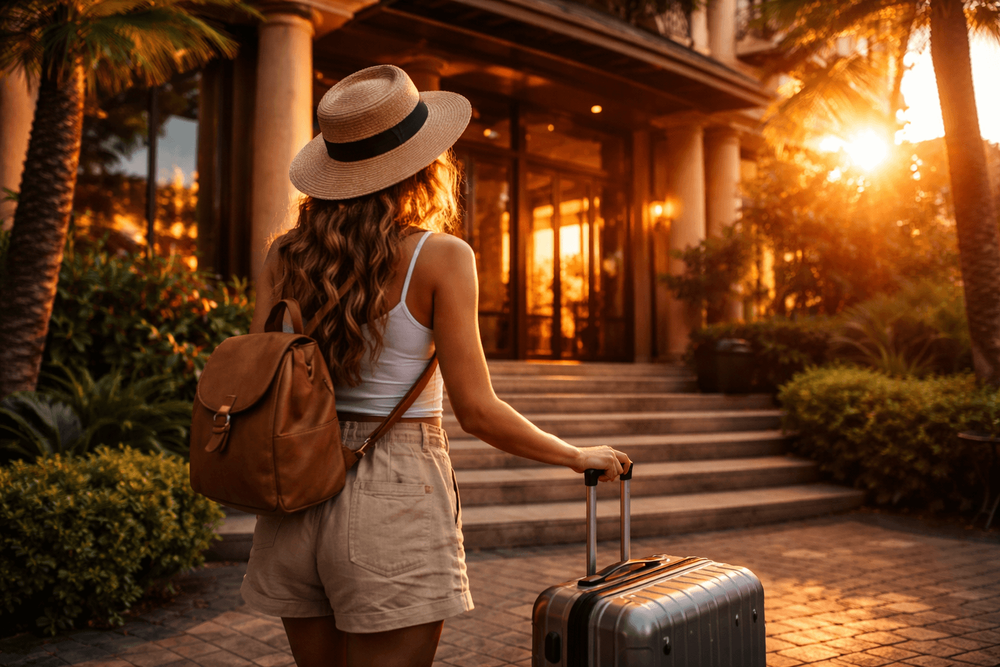
The taxi door closes on the humid hush of evening; a city glitters beyond the windshield. Hotel lanterns glow, a bell tinks across a marble lobby. This is the moment travelers dream of—and the moment when every small, smart decision adds up. Learning how to stay safe while traveling is less about fear than finesse: choosing the right neighborhood, moving with confidence, and having a plan for the ifs and whens so the trip remains luminous, not fraught.
Plan Before You Go — How to Stay Safe While Traveling Starts at Home
Great trips begin with deliberate prep. A few hours of research and paperwork can soften hard edges on the road.
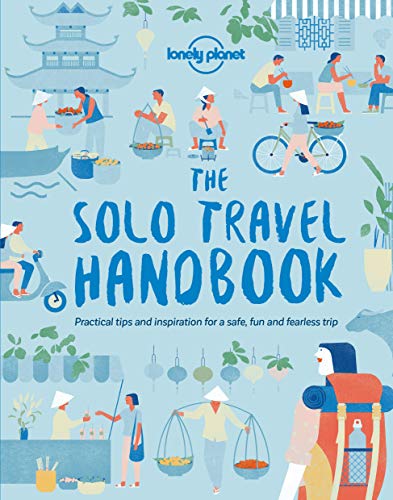
The Solo Travel Handbook (Lonely Planet): Planet, Lonely
<strong>Packed with tips and advice for before and during your travels</strong>, The Solo Travel Handbookgives you the confidence and know-how to explore the world on your own, whether you're pla
Check Price on Amazon- Map the lay of the land: Save offline maps and pin your hotel, your embassy or consulate, reputable hospitals or clinics, and transit hubs. Note which neighborhoods feel lively at night versus best explored by day.
- Read the right reviews: Recent, specific hotel reviews offer candid insights on lighting, staff attentiveness, soundproofing, and neighborhood feel after dark. Prioritize patterns over one-offs.
- Check official advisories—then go deeper: Government advisories provide macro context; local media and destination forums add nuance. If weighing destinations, compare official advisories and independent indicators (e.g., Global Peace Index and city-level crime statistics) rather than anecdotes.
- Get the right policy: Look for comprehensive travel insurance that covers medical care, evacuation, theft, and trip interruption. Many policies require pre-authorization for non-emergency care and documentation for claims—know those steps before you go (see Sources).
- Back up the essentials: Scan passports, visas, prescriptions, and cards; store securely (encrypted cloud or password manager) and share access with a trusted contact. Print paper copies, too.
- Build a contact tree: Save the country’s emergency number, your hotel’s front desk, airline, insurer emergency line, and your embassy or consulate. Common emergency numbers include 112 (European Union), 911 (United States/Canada), 999 (United Kingdom), 000 (Australia), and 111 (New Zealand). Confirm your destination’s number before departure (see Sources).
- Consider your travel style: If you thrive on sociable hostels or prefer buttoned-up business hotels, pick destinations and stays to match. Safety often improves when the style of a place fits how you like to move through a city.
Pro tip: Install tools before departure. Offline maps, translator apps, cab-hailing services, password managers, and currency converters make unfamiliar streets feel legible—even without a signal.
Choose the Right Hotel — Neighborhood, Reviews, Safety Amenities, and Booking Tips
The safest hotel is the one that fits your itinerary and instincts. A few filters transform a pretty property into a stronghold of common-sense security.
- Location over lure: A central hotel near reliable transit, restaurants, and well-lit streets often beats a cheaper stay far from the action. Being able to walk or take a short ride home at night is a safety feature.
- Read between the lines: Reviews that mention attentive front-desk staff, secure luggage storage, controlled elevator access, and responsive night managers speak volumes. Check recent photos for street lighting and entrance visibility.
- Prioritize the basics: 24/7 staffed reception, cameras in public areas, keycard or keyed-elevator access, interior corridors, smoke/CO detectors, and well-maintained locks.
- Ask the right questions: When booking, inquire about late arrivals, door hardware (deadbolts plus chains or swing bars), in-room safes sized for laptops, and whether ride-hail or taxis can access the entrance.
- Book direct or with flexible terms: Direct bookings can ease room-change requests. Flexible rates allow pivots if a neighborhood feels different on arrival.
Hotel types that tend to work well:
- Business-class city properties with bright, busy lobbies and round-the-clock staff.
- Heritage or boutique stays that pair controlled access with hands-on managers.
- Smaller inns or riads that arrange airport transfers and communicate arrival details in advance.
Small choices upon arrival matter: keep your voice low when stating your room number, and consider a mid-level floor that balances street access and emergency egress. Ask for a room on a well-traveled corridor if walking long, isolated hallways makes you uneasy.
Airport, Train & Taxi Safety — Luggage, Rideshares, and Arrival Strategies
Transit nodes are choreography: bright screens, quick goodbyes, wheels over tile. This is where professional opportunists work, too.
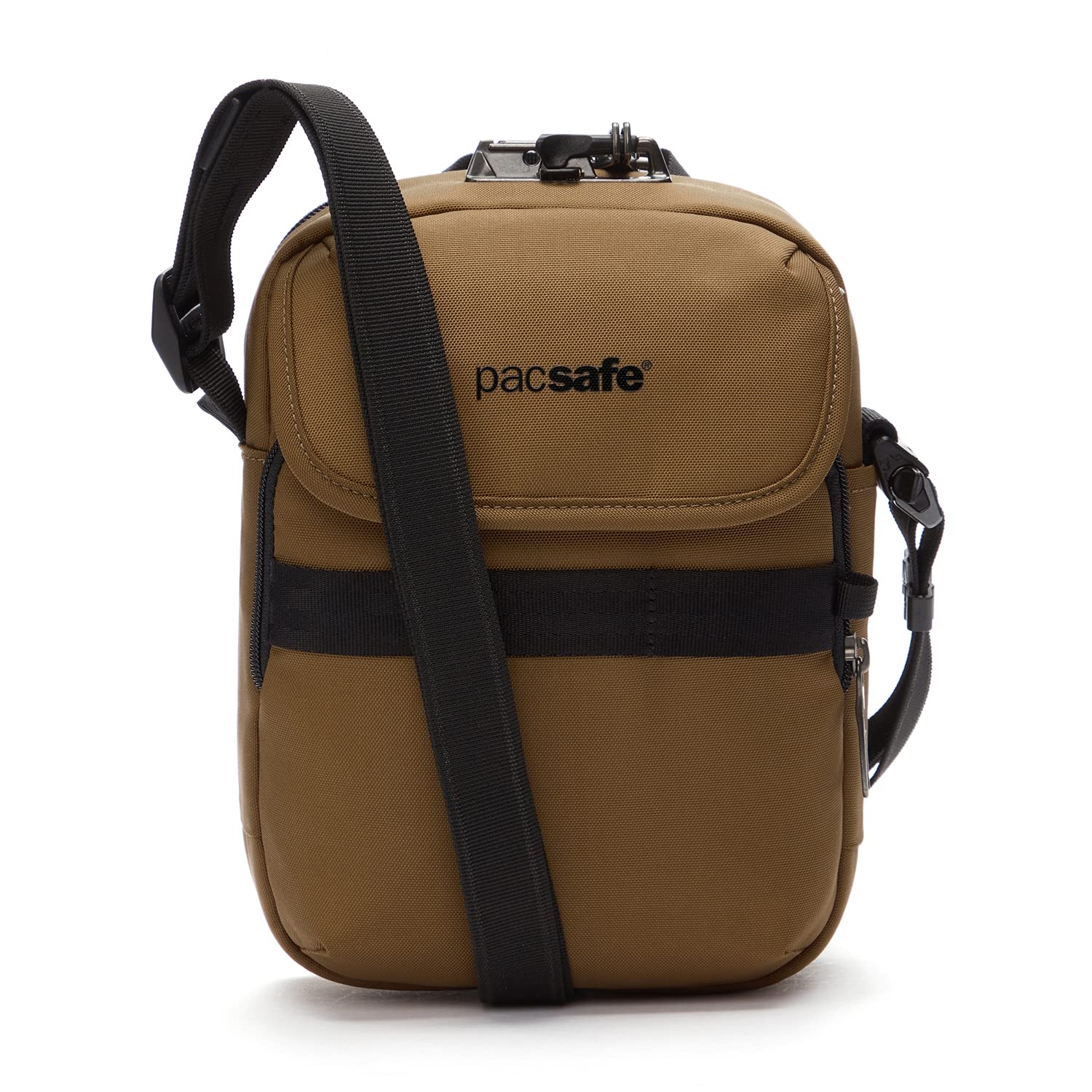
Pacsafe Metrosafe X Anti Theft Compact Crossbody - Fits 8" Tablet, Black : Clothing, Shoes & Jewelry
View on Amazon- Bag strategy: Split valuables across two places—essentials on your body (crossbody sling zipped and worn forward) and backups in your carry-on. Keep one hand on your suitcase handle, the other free.
- Identity discipline: Keep passports and boarding passes tucked away except at checkpoints. Photograph baggage claim tickets; they’re crucial if luggage disappears.
- Official over ad hoc: At airports and major stations, use licensed taxis from marked stands or pre-booked hotel cars. Using rideshares? Match the plate, driver photo, and name in the app before getting in.
- Share the ride: Share trip details from the app with a trusted contact. Sit in the back seat and keep your own door unlocked until the car is moving.
- Aim for daylight arrivals when possible: If not, prearrange a transfer through your hotel and have exact directions saved offline. Keep your phone charged and, if feasible, a local SIM or eSIM active.
- Platform poise: On trains, stow luggage where you can see it; cable-lock bags to racks on overnight routes. Sleep with valuables under clothing or inside a pillowcase.
In-Room Safety — Room Selection, Door/Window Security, Safes, and Discreet Packing
Once the door clicks shut, the room should feel calm and controlled.
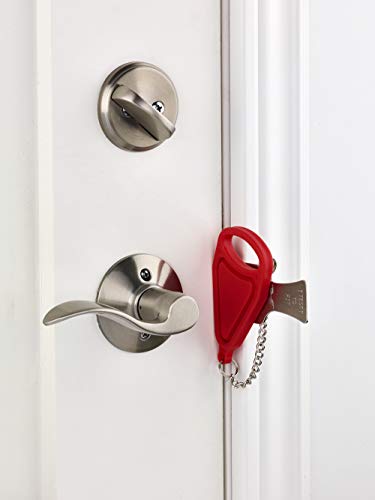
Addalock The Original Portable Door Lock for Travel & Home Security, 1-Piece Door Latch Lock for Houses, Apartments, Hotels, Motels, Dorms & AirBnBs - Lock The Door & Stay at Home or Away, 2 Pack - Door Levers - Amazon.com
View on Amazon- Inspect on entry: Prop the door with your suitcase while checking the bathroom, closets, and any adjoining door. Confirm windows and balconies latch. If anything feels off, request a new room.
- Layer the locks: Use the deadbolt and the swing bar. A compact rubber door wedge adds quiet reinforcement. Cover the peephole from the inside (a sticky note works).
- Keep it impersonal: Use the “Do Not Disturb” tag for short windows of privacy; otherwise, remove it to avoid signaling long absences. Close curtains when out.
- Safe habits: Store passports (if legally allowed), a backup card, and emergency cash in the room safe. Keep a discreet inventory of what you’ve stored. For oversize items, ask the front desk about secure storage.
- Discreet packing: Use plain totes over luxury shopping bags; keep expensive gear in a nondescript packing cube. At checkout, do a final sweep: outlets, safe, shower, bed skirt.
Create a tiny routine: key card in the same pocket, phone in the same spot on the nightstand, emergency flashlight easily accessible. Muscle memory lowers stress if you ever need to move quickly.
Health & Emergency Preparedness — Local Care, Prescriptions, Travel Insurance, and Language Tips
Well-being is the bedrock of any itinerary—and the fastest way to ruin a trip is to ignore it.
- Meds and documents: Pack prescriptions in original containers with generic names; bring extra days’ supply. Carry a doctor’s note for controlled substances and medical devices.
- First-aid and basics: Add oral rehydration salts, pain relievers, motion-sickness tablets, blister care, and a few high-quality bandages. Tailor for climate and altitude.
- Vaccinations and clinics: Check recommended vaccines and regional health risks through your national health authority and the World Health Organization. Identify vetted clinics at your destination in advance (see Sources).
- Insurance activation: Save your policy number and emergency hotline. For non-emergency care, many insurers require you to call first for approval or referral; doing so can speed reimbursement and direct you to vetted providers (see Sources).
- Hydration and hygiene: Follow local guidance on drinking water. When in doubt, choose bottled or filtered water and avoid ice. Street food can be excellent—pick vendors with steady turnover and visible hand hygiene.
- Language shortcuts: Learn four phrases in the local language: hello/thank you; “I need help”; “Where is the hospital?”; and “Call the police.” Save them on your phone’s lock screen for quick access.
Avoiding Scams & Staying Street‑Smart — Common Cons, Cultural Awareness, and Solo‑Traveler Tactics
Most scams rely on speed and surprise. Slow the interaction; keep moving if needed.
- Classic plays: The “friendship bracelet,” “spilled drink,” or “closed attraction, come this way” routines distract while an accomplice works. Smile, decline, walk.
- Money matters: Count change in your palm; avoid currency swaps on the street; use ATMs inside banks or malls when possible. Cover the keypad and tug on card slots to check for skimmers (see Sources).
- Photo ops and petitions: Groups requesting signatures or “donations” can corral travelers. Decline firmly and step away.
- Cultural temperature: Modesty expectations, public displays of affection, and alcohol norms vary widely. Blending in is strategic: observe how locals carry bags and cross streets; mirror them.
- Solo strategies: Tell the front desk your general plans and expected return; share live location with a friend; pre-book your first nights to avoid late-night searches. Seek lively—but not chaotic—venues.
Confidence is a safety tool. Walk with purpose, limit headphone use, and keep the phone angled inward when navigating. If someone sets off your instincts, prioritize distance over politeness.
Digital Security & Money Management — Secure Wi‑Fi, VPNs, Card Safety, and Backups
Today’s pickpockets work online as often as on the tram.
- Network hygiene: Avoid entering passwords on public Wi‑Fi. Use a reputable VPN or tether to your phone. Disable auto-join for open networks; turn off Bluetooth and local file-sharing in crowds (see Sources).
- Device discipline: Enable strong passcodes and biometric locks; switch on device-finder services; set devices to erase after multiple failed attempts. Keep a fresh cloud backup.
- Payment mix: Carry two cards from different networks; keep one separate as a backup. Enable transaction alerts and daily spend limits in your banking app. Tap‑to‑pay can reduce skimming risk at compromised terminals (see Sources).
- Cash strategy: Carry small denominations for taxis and tips; keep a decoy wallet with a few small bills. Store the bulk in your room safe or a money belt.
- Data minimalism: Photograph passports and tickets, then—where lawful and acceptable—leave originals secured. Keep boarding passes off social media; barcodes can expose personal data (see Sources).
If Things Go Wrong — Who to Call, Reporting, Embassy Help, and a Quick Recovery Checklist
Even the best-laid plans meet weather, whim, and human nature. A clear script restores control fast.
- Safety first: If you sense danger, get to people and light—a hotel lobby, busy cafe, or police post—then reassess.
- Call the right number: Use local emergency services for immediate threats or medical needs. Inform hotel security or the front desk; they know local procedures and can help translate (see Sources for verified emergency numbers).
- Lock down accounts: If a phone or wallet is stolen, use device‑finder tools to locate/disable devices, call your bank to freeze cards, and change passwords from a safe device.
- File a report: Police reports are often essential for insurance claims. Ask the hotel to help you find the nearest station and translate if needed. Photograph the report and email it to yourself.
- Contact your insurer: Start the claim early; ask about approved clinics and required documentation. Keep receipts for taxis, medications, and replacement items.
- Reach your embassy/consulate: They can replace passports, provide lists of local lawyers or doctors, and contact family with your permission. Many governments also offer traveler enrollment programs for crisis alerts (see Sources).
Quick recovery checklist:
- Secure shelter (hotel, embassy/consulate, trusted contact)
- Medical check if injured or uncertain
- Devices and cards locked or replaced
- Police report filed and copied
- Insurer notified; claim number saved
- New travel documents in motion; adjust flights if necessary
The essence of how to stay safe while traveling is not paranoia; it’s choreography—small, consistent moves that free the mind to savor a courtyard at dawn, a museum at opening bell, the warmth of streetlight on cobbles. Choose hotels that feel like allies, travel with intention, and let the world reveal itself—clearly, safely, and on your terms.
Sources and further reading
- European emergency number 112 (official): https://commission.europa.eu/live-work-travel-eu/consumer-rights-and-complaints/solve-your-consumer-complaint/eu-wide-rules-and-protections/112-european-emergency-number_en
- United States 911 (official): https://www.911.gov/
- United Kingdom 999 (official guidance): https://www.gov.uk/call-999
- Australia 000 (official): https://www.triplezero.gov.au/
- New Zealand 111 (official): https://www.police.govt.nz/use-111
- CDC Travelers’ Health (vaccines, health risks): https://wwwnc.cdc.gov/travel
- WHO International Travel and Health: https://www.who.int/ith
- IAMAT (find English-speaking doctors/clinics): https://www.iamat.org/
- U.S. Department of State — Health and Travel Insurance Abroad (process and tips): https://travel.state.gov/content/travel/en/international-travel/before-you-go/your-health-abroad.html
- National Association of Insurance Commissioners — Travel Insurance Guide: https://content.naic.org/consumer_travel_insurance
- Consumer FTC — Credit Card Skimmers (how to spot/avoid): https://consumer.ftc.gov/articles/credit-card-skimmers
- Consumer FTC — Using Public Wi‑Fi Safely: https://consumer.ftc.gov/articles/how-safely-use-public-wi-fi-networks
- U.S. Department of State — STEP Traveler Enrollment (example program): https://step.state.gov/
- Boarding pass barcode risks (background): https://krebsonsecurity.com/2015/10/what-can-a-boarding-pass-barcode-reveal-about-you/
Recommended Travel Gear
The Solo Travel Handbook (Lonely Planet): Planet, Lonely
<strong>Packed with tips and advice for before and during your travels</strong>, The Solo Travel Handbookgives you the confidence and know-how to explore the world on your own, whether you're pla
Addalock The Original Portable Door Lock for Travel & Home Security, 1-Piece Door Latch Lock for Houses, Apartments, Hotels, Motels, Dorms & AirBnBs - Lock The Door & Stay at Home or Away, 2 Pack - Door Levers - Amazon.com
On-The-Go Safety: A travel essential for women and men, this portable door security device easily fits into your bag; <strong>Install this door reinforcement lock to enjoy extra security and privacy w
Pacsafe Metrosafe X Anti Theft Compact Crossbody - Fits 8" Tablet, Black : Clothing, Shoes & Jewelry
ANTI-THEFT - 2022 version in Tan colorway, <strong>Interlocking Zippers & Cut Proof Material (lightweight steel mesh) to prevent pickpocketing</strong>. RFID blocking pocket to keep credit cards/I