

How to Travel the World on a Budget — A Stylish Traveler's How-To
A step-by-step, style-forward guide to seeing the world for less—flight hacks, smart stays, daily budgets, and long-trip blueprints without sacrificing soul.
Mood
Stylish Budget Journey
At daybreak, a market unfurls in a city square: stacked figs glisten with dew, a baker dusts still-warm loaves with flour, and the clatter of porcelain cups rings over the hum of conversation. The scene could be Palermo or Porto, Oaxaca or Osaka—proof that how to travel the world on a budget is less about austerity and more about choosing moments that feel rich. With intention, timing, and a little artful restraint, travelers can carry the cadence of great journeys—good coffee, long afternoons, and local color—without an extravagant price tag.
Why Budget Travel Can Still Feel Luxurious
True luxury is time well spent. Budget travel becomes luxurious when days expand to include slow breakfasts, unhurried museum afternoons, and blue-hour strolls when cities soften and locals reclaim their streets. The elegance lies in access—finding the courtyard café where the barista remembers a name by day three, the harbor rock that turns into a private swimming platform at sunrise, or the guesthouse terrace where swallows skim the dusk.
It begins with mindset. Consider trade-offs that add value: a simple room in a historic neighborhood rather than a larger one on the outskirts; a midday set menu in a neighborhood trattoria where the chef buys tomatoes two stalls down; a night train that turns transport into both a story and a bed. The goal is to redirect funds toward the experiences that define a place—regional cuisine, vernacular architecture, live music, craft traditions—while trimming the forgettable in-between.
Designing how to travel the world on a budget also means leaning into seasonality, community, and craft. Seek free festivals and shoulder-season exhibitions; say yes to public spaces—city parks, markets, waterfront promenades—that reveal a culture’s daily theater. Luxury, redefined, is presence plus place.
How to Travel the World on a Budget: Plan with Purpose
Smart planning is the single greatest money-saver. Consider three levers—where, when, and how fast.

How to Travel the World on $50 a Day: Third Edition: Travel Cheaper, Longer, Smarter: Kepnes, Matt
How to Travel the World on ...50 a Day: Third Edition: Travel Cheaper, Longer, Smarter [Kepnes, Matt] on Amazon.com. *FREE* shipping on qualifying offers. How to Travel the World on ...50 a Day: Third
Check Price on AmazonWhere: Let purchasing power parity work in your favor. Many regions deliver high style at low cost: parts of Southeast Asia and the Balkans, swaths of Latin America, the Caucasus, and North Africa. Filter by daily costs (lodging, meals, local transport) and visa rules; some countries offer 30 to 90 days visa-free, enabling slow travel savings. For fresh ideas on value-rich destinations this year, see Cheapest Countries to Visit in 2026: Where Your Travel Budget Goes Far (/experiences/cheapest-countries-to-visit-2026).
When: Travel in shoulder seasons—spring and fall in temperate zones; dry but off-peak months in the tropics. Aim just before or after major holidays, school breaks, and marquee events. Prices drop, crowds thin, and locals have more time to chat.
How fast: Every move costs money. Build a route in clusters—Southeast Asia as one chapter, then Eastern Europe, then the Andes—so ground travel replaces flights and weekly costs shrink. A rule of thumb: minimum four nights per stop, one region per month.
Anchor the trip around a few long-stay “base cities” with strong rail or bus links (Lisbon for Iberia, Belgrade for the Balkans, Medellín for Colombia’s coffee region, Chiang Mai for Northern Thailand). From each base, fan out on day and overnight trips. This preserves both budget and energy, and it’s how to travel the world on a budget without feeling rushed.
For a broader primer on stylish saving mindsets, see Travel on a Budget: Smart, Stylish Ways to See the World (/experiences/travel-on-a-budget-smart-stylish-ways-to-see-the-world).
Flights and Transport: Search Strategies, Error Fares, Stopovers, and Slow-Travel Hacks
Flights are often the single largest line item, and the most malleable with strategy.
Be flexible with origin, destination, and dates. Nearby airports can undercut prices dramatically. Search in wide windows (±3 days, then ±1 week). If possible, set your trip dates by the cheapest period, not the other way around.
Book long-haul first; fill in regional hops later. Use open-jaw tickets (fly into one city, out of another) to avoid backtracking fees.
Hunt for error fares and sales. Signing up for flight alerts and fare newsletters can surface flash deals; pounce when route and dates align. A clear hierarchy—price ceiling, baggage needs, refundability—helps prevent decision paralysis.
Add free or low-cost stopovers. Many flag carriers let travelers break the journey in their hub for a night or more with minimal extra cost. A stopover turns one fare into two destinations and helps reset jet lag.
Consider trains, coaches, and ferries. On the ground, overnight sleepers transform travel days into accommodation. Bus lines and regional rail across Europe, Turkey, and Southeast Asia are often spacious and punctual; ferries in the Aegean or Indonesia double as scenic cruises.
Embrace slow travel. Each extra week in a place lowers the per-night rate on apartments and unlocks weekly transit passes, market routines, and friendships—assets that no quick itinerary can buy.
For deep-dive flight tactics from flexible searches to optimizing layovers, see How to Find Cheap Flights: Expert Strategies for Savvy Travelers (/experiences/how-to-find-cheap-flights-expert-strategies).
Accommodation Strategies: When to Splurge, Where to Save, and How to Book
Sleep shapes memory. The right room—a breeze-cooled balcony, a courtyard shaded by jacaranda—can define a stay. Here’s how to make it affordable.
Splurge with intention. Reserve standout stays for places where the property is the experience (a riad with a tiled patio in Fez, an onsen inn in a rural valley, a heritage bungalow on a tea estate). Then balance elsewhere with simple, well-located rooms.
Explore alternatives to hotels. Hostels with private rooms, family-run guesthouses, monastery stays, university dorms in summer, agriturismi, and short-term apartments bring character at a fraction of the price. Co-living spaces can offer monthly rates that slash nightly costs.
Book with timing in mind. For peak cities and festivals, reserve early for the best value-to-quality ratio. For shoulder/off-season, last-minute deals and walk-ins (daylight hours, with a plan B) can deliver bargains. Midweek stays often undercut weekends.
Prioritize location. A compact, central room can save twice: on commute time and daily transport. Proximity to a market or transit hub turns frugal meals and day trips into effortless habits.
Think in weeks, not nights. Weekly and monthly discounts on rentals or guesthouses are substantial; ask directly and negotiate politely. Offer flexibility: Sunday check-in, off-peak arrival, or a longer stay.
Audit the add-ons. Breakfasts bundled into room rates can be convenient but not always economical; calculate whether a market-run is better. Confirm Wi-Fi speeds, kitchen access, and laundry to avoid surprise costs.
For more granular savings tactics, especially if blending backpacker tools with a design-forward sensibility, read Budget Travel: A Backpacker’s Guide to Smart, Stylish Savings (/experiences/budget-travel-backpackers-guide-smart-stylish-savings).
Eat, Drink, and Experience for Less: Markets, Free Culture, and Smart Tipping
Food is the most delicious budget lever. Eat where the day’s produce is heaped high and conversations are loud.
Markets and lunch menus. Shop markets in the morning for fruit, cheeses, and bread; assemble picnic lunches in plazas or parks. Seek weekday set menus (menu del día, pranzo fisso, executivo), where chefs showcase regional dishes at local prices.
Street food, always early. Stalls with long lines and short menus turn out the freshest plates. Go early to catch peak turnover. Ask for the house specialty; order what’s selling.
Sip strategically. In wine regions, drink what the region pours by the glass or carafe. In café cultures, standing at the bar can cut the cost in half. Carry a refillable bottle; in many cities, public fountains offer potable water.
Free culture days and passes. Many museums are free once a month or discounted on specific evenings. City passes pay off when stacking 3–5 major sights within 48–72 hours; otherwise, à la carte wins.
Self-guided and community-led tours. Download audio guides from cultural institutions or tourism boards; look for donation-based walking tours that introduce neighborhoods with local context. Tip fairly.
Nature is a luxury that’s free. Coastal paths, urban hikes, river swims, public gardens—blue and green spaces elevate days at no cost.
Smart tipping: Research local norms. In some regions a small round-up or a few coins is customary; in others, service charges are included and additional tipping is unnecessary. For tours, street performers, and donation-based guides, tip according to the value received, not just duration. Respect cash culture where applicable; carry small bills.
Money Matters: Budgeting, Cards, Insurance, and Rewards Optimization
A clear money plan turns dreaming into doing.
Build a realistic daily budget. Separate fixed costs (long-haul flights, insurance, visas, major gear) from variable (lodging, meals, local transport, activities). Establish a daily “burn rate” by region—perhaps $30–50 in cheaper regions, $60–90 in mid-cost areas, $100–150+ in pricier cities. Average across the route with more time in low-cost regions to neutralize spikes.
Choose the right cards. Use a primary debit card with low or no ATM fees and a credit card with no foreign transaction fees for purchases. Enable travel notices, decline dynamic currency conversion, and withdraw cash in larger, less frequent amounts from ATMs located inside banks.
Keep redundancy. Carry at least two cards (separate networks), a small stash of emergency cash in a secure spot, and digital backups of documents in secure cloud storage.
Insurance is non-negotiable. A travel policy should include emergency medical, evacuation, and trip interruption/cancellation. Read the fine print on adventure activities, pre-existing conditions, and item limits. Photograph receipts to simplify claims.
Leverage rewards with intent. Accumulate flexible points via everyday spending well before departure. Use points for long-haul economy or premium economy, where redemption values are strongest, and pay cash for short-haul or ultra-discounted fares. Consider open-jaw redemptions and off-peak awards.
Track spending. A simple spreadsheet or budget app—categories by week, alerts for overages—keeps reality aligned with plans. At month’s end, rebalance: add or trim activities, adjust lodging quality, lengthen stays where costs are low.
Mind the fees. Confirm ATM charges, entry/exit fees, tourist taxes, and SIM costs for each destination. Small, predictable leaks often sink budgets, not one-off splurges.
Two Sample Budgets + 3-Month and 12-Month World-Travel Blueprints
Numbers make dreams legible. Below are two illustrative budgets and two time-based blueprints to show how the math works in practice. Adjust for personal comfort, route, and exchange rates.
Sample Budget A: The Polished Shoestring (average $50/day)
- Style: Private rooms in guesthouses/hostels, street food and lunch specials, mostly buses and trains, one paid cultural activity per week
- Regions: 70% time in low-cost regions (Southeast Asia, Balkans, Caucasus, Andean highlands), 30% in mid-cost cities (Lisbon, Athens, Mexico City)
- Fixed costs (annualized):
- Long-haul flights: $2,000 (two major repositioning flights + regional hops)
- Travel insurance (12 months): $600
- Visas/entry fees: $300
- Gear amortized: $200
- Variable costs (per day average):
- Lodging: $22
- Food/coffee: $14
- Local transport: $5
- Activities/misc.: $9
- Estimated total for 12 months: ~$2,000 + $600 + $300 + $200 + ($50 × 365) ≈ $21,850
Sample Budget B: Comfortably Frugal (average $85/day)
- Style: Boutique guesthouses and occasional apartments, two restaurant meals per day, mix of trains and short-haul flights, weekly paid experiences
- Regions: 50% low-cost, 35% mid-cost, 15% high-cost (Western Europe, Japan, Australia)
- Fixed costs (annualized):
- Long-haul flights: $3,000
- Travel insurance (12 months): $700
- Visas/entry fees: $400
- Gear amortized: $300
- Variable costs (per day average):
- Lodging: $38
- Food/coffee: $22
- Local transport: $10
- Activities/misc.: $15
- Estimated total for 12 months: ~$3,000 + $700 + $400 + $300 + ($85 × 365) ≈ $35,325
These ranges reflect a stylish-but-savvy approach: thoughtfully chosen splurges, long stays in value regions, and a willingness to cook simple meals when prices spike.
3-Month Round-the-World Blueprint (approx. $6,500–$8,000)
- Route concept: Southeast Asia (5 weeks) → Balkans (4 weeks) → Morocco + Iberia (3 weeks)
- Long-haul flights (estimate):
- Home → Bangkok: $600–$900
- Bangkok → Athens/Belgrade: $250–$450
- Lisbon/Madrid → Home: $600–$900
- Total flights: ~$1,450–$2,250
- Regional transport: $350–$600 (buses/trains/ferries + 1–2 short flights)
- Visas/entry fees/SIMs: $120–$200
- Insurance (3 months): $150–$250
- Daily budgets by region:
- Southeast Asia (Thailand, Vietnam, Cambodia): $35–$45/day × 35 days = $1,225–$1,575
- Balkans (North Macedonia, Albania, Montenegro, Serbia): $40–$55/day × 28 days = $1,120–$1,540
- Morocco + Iberia (Morocco with 4–5 days in Lisbon/Porto or Andalusia): $50–$85/day × 21 days = $1,050–$1,785
- Activities/cushion: $400–$600
- Estimated total: Flights ($1,450–$2,250) + Regional ($350–$600) + Visas/SIMs ($120–$200) + Insurance ($150–$250) + Daily spend ($3,395–$4,900) + Activities ($400–$600) ≈ $5,865–$8,800
Tactics: Book the first long-haul early; leave regional legs flexible for promotions. Favor guesthouses near transport hubs; buy multi-ride bus cards. In Iberia, center stays in secondary cities (Porto, Valencia) and take day trips to marquee sights. For Europe-specific cost benchmarks, see How Much Does It Cost to Backpack Europe? Budget Breakdown & Tips (/experiences/how-much-does-it-cost-to-backpack-europe-budget-breakdown-tips).
12-Month Slow-Travel Blueprint (approx. $22,000–$32,000)
- Route concept: South Asia + Southeast Asia (5 months) → Eastern Europe/Caucasus (4 months) → South America (3 months)
- Long-haul flights (estimate):
- Home → Delhi/Colombo: $700–$1,000
- Kuala Lumpur/Singapore → Bucharest/Tbilisi: $300–$600
- Istanbul → Bogotá/Lima: $600–$900
- Quito/La Paz → Home: $700–$1,000
- Total flights: ~$2,300–$3,500
- Regional transport: $1,000–$1,800 (trains, long-distance buses, 3–4 short flights)
- Insurance (12 months): $600–$800
- Visas/entry fees/SIMs: $300–$500
- Average daily spend target: $50–$70/day × 365 = $18,250–$25,550
- Activities buffer (courses, treks, dive certs, festivals): $1,500–$2,500
- Estimated total: ~$24,000–$34,700
Tactics: Build 4–6 base cities for month-long stays with weekly markets, language classes, and local transit passes. Route by climate to keep wardrobes light and energy bills low. Bank points for repositioning flights between regions; redeem during off-peak calendars. This is how to travel the world on a budget over a year without feeling like a perpetual transit passenger.
Tools, Apps, and a Packing Checklist to Execute the Plan
Digital tools reduce friction and cost—use them as a quiet layer under real-world spontaneity.
Essential Tools and Apps (categories)
- Flight search and alerts: Metasearch engines, price trackers, and fare alert services for flexible date grids and error fare pings.
- Award travel: Airline alliance maps, award calendars, and point-transfer portals to spot off-peak sweet spots and open-jaw redemptions.
- Lodging: Meta-aggregators and direct-booking sites for guesthouses, hostels with private rooms, apartments, and long-stay co-living options. Save favorites to compare neighborhood value.
- Transit: Offline maps, public transport planners, intercity bus/train aggregators, and bike/scooter share apps.
- Money: Currency converters, expense trackers, secure cloud storage for documents, and banking apps with travel notifications and instant card lock.
- Communication: Translation apps with offline packs; eSIM or local SIM management apps.
- Culture and outdoors: Museum and city pass apps, trail maps, tide charts, and local event calendars.
For more strategy on blending comfort and savings across categories, see Budget Travel: A Backpacker’s Guide to Smart, Stylish Savings (/experiences/budget-travel-backpackers-guide-smart-stylish-savings).
Packing Checklist for a Stylish, Lightweight Kit
Think capsule wardrobe, climate layers, and multi-use items.

EPICKA Universal Travel Adapter, European Travel Plug Adapter (Not a Voltage Converter) - International Power Adapter Worldwide Charger with USB-C & 4 USB-A Ports, Travel Essentials (TA-105, Grey)
View on Amazon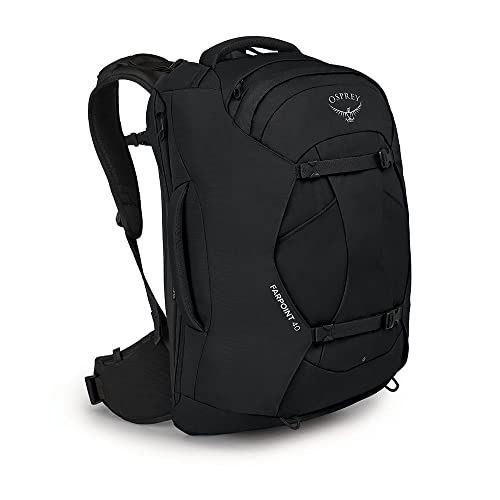
Osprey Farpoint 40L Men's Travel Backpack, Black
Internal organization has been ... whole kit along or slimming down for excursions. The Farpoint 40 is <strong>sized to meet most domestic carry-on requirements</strong>, making it the perfect one-pac
Check Price on Amazon- Luggage: 35–45L carry-on backpack or compact roller + foldable daypack/tote
- Clothing (neutral palette to mix and match):
- 2–3 quick-dry tops, 1–2 long-sleeve layers
- 1 lightweight sweater or packable jacket
- 2 bottoms (one smart-casual, one technical)
- 1 dress/shirt for evenings or cultural venues
- 4–5 pairs underwear, 2–3 pairs socks (some quick-dry)
- Swimwear, sunhat/cap, lightweight scarf or sarong
- Footwear: Comfortable walking shoes + sandals or loafers (destination-appropriate)
- Toiletries (decanted): Basics, solid formats where possible, small first-aid kit
- Tech: Universal adapter, compact power bank, short cables, noise control (earplugs/eye mask)
- Admin: Passport photos, digital and paper copies of key documents, small pen, zip pouches for receipts and tickets
- Security and comfort: Luggage locks, microfiber towel, travel clothesline, collapsible water bottle
Leave space—souvenirs from markets and artisan studios are part of the story. Pack respect, too: modest attire options for temples and rural areas, and a willingness to learn local etiquette.
The Art of Saving Without Feeling Deprived
In the end, the most powerful budget tool is attention. Notice how freshly baked bread tastes better when eaten on a city bench than in a rushed café; how a twilight ferry is both commute and cinema; how a room with a window onto a lived-in street becomes a theater of daily life. This is how to travel the world on a budget and feel, every so often, like you’ve outwitted the idea of luxury itself—finding it not in price, but in place, time, and presence.
For more inspiration and step-by-step tactics to extend your travel dollar, explore How to Find Cheap Flights: Expert Strategies for Savvy Travelers (/experiences/how-to-find-cheap-flights-expert-strategies) and complement this guide with style-forward savings in Travel on a Budget: Smart, Stylish Ways to See the World (/experiences/travel-on-a-budget-smart-stylish-ways-to-see-the-world) and regional cost insights in How Much Does It Cost to Backpack Europe? Budget Breakdown & Tips (/experiences/how-much-does-it-cost-to-backpack-europe-budget-breakdown-tips).
Recommended Travel Gear
How to Travel the World on $50 a Day: Third Edition: Travel Cheaper, Longer, Smarter: Kepnes, Matt
How to Travel the World on ...50 a Day: Third Edition: Travel Cheaper, Longer, Smarter [Kepnes, Matt] on Amazon.com. *FREE* shipping on qualifying offers. How to Travel the World on ...50 a Day: Third
Osprey Farpoint 40L Men's Travel Backpack, Black
Internal organization has been ... whole kit along or slimming down for excursions. The Farpoint 40 is <strong>sized to meet most domestic carry-on requirements</strong>, making it the perfect one-pac
EPICKA Universal Travel Adapter, European Travel Plug Adapter (Not a Voltage Converter) - International Power Adapter Worldwide Charger with USB-C & 4 USB-A Ports, Travel Essentials (TA-105, Grey)
Amazon.com : EPICKA Universal Travel Adapter, European Travel Plug Adapter (Not a Voltage Converter) - <strong>International Power Adapter Worldwide Charger with USB-C & 4 USB-A Ports, Travel Esse