
![Is It Safe to Travel to [Country]? Honest, Practical Safety Guide](https://ta-media-802927501686.s3.us-west-2.amazonaws.com/large_is_it_safe_to_travel_to_country_honest_practical_safety_guid_hero_2ba892f701.png)
Is It Safe to Travel to [Country]? Honest, Practical Safety Guide
A clear, current safety read on [Country]: advisories explained, crime and health insights, seasonal hazards, and smart tips for every trip type.
Mood
Savvy Traveler
At first light, café shutters lift and the day yawns awake—steam from hot cups rises into cool air, vendors stack glossy fruit into neat pyramids, and the streets begin their low hum. It’s the moment travelers dream of: the city or coast of [Country] revealing itself, unhurried and full of promise. But alongside that thrill comes a pragmatic question: is it safe to travel to [Country]? The answer isn’t a blunt yes or no; it’s a measured, up-to-date picture—one that factors official advisories, on-the-ground realities, health care access, and the rhythms of the seasons. This guide offers that clarity so you can plan with open eyes and confidence.
Is it safe to travel to [Country]? The quick answer
For most travelers, yes—with standard precautions and situational awareness—unless you’re heading to regions currently under specific advisories or facing acute disruptions. Safety in [Country] is rarely uniform; it varies by neighborhood, by season, and by the kind of trip you’re planning. Check the latest guidance before you book and again a few days prior to departure, then tailor your plans accordingly. If your route avoids areas flagged by credible sources, you’re likely to find that is it safe to travel to [Country] depends more on smart planning than luck.
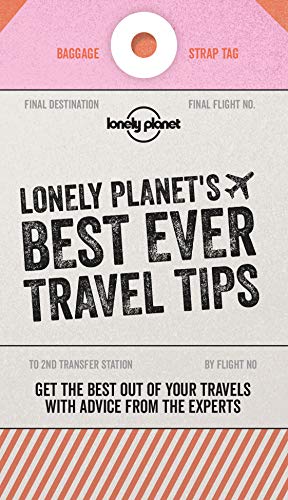
Lonely Planet's Best Ever Travel Tips (Lonely Planet Travel Guides): Hall, Tom
#1 Best Seller in Stockholm Travel Guides · 38 offers from $305$305 · Lonely Planet Pocket Miami (Pocket Guide) Adam Karlin · 4.5 out of 5 stars 94 · Paperback · 31 offers from $493$493 · Next set of
Check Price on AmazonWhat official travel advisories say—and how to read them
Official advisories are a useful starting point, not the final word. Each government frames risk differently:
- United States (Department of State): Uses four tiers (1–4). Level 2 signals heightened caution; Levels 3–4 are progressively restrictive. Read the narrative notes for region-specific exceptions; a Level 3 can reflect limited areas of concern inside an otherwise low-risk country.
- United Kingdom (FCDO): Advises against “all travel” or “all but essential travel” to specific regions, often with granular neighborhood detail. Also note guidance on terrorism, protests, natural disasters, and local laws.
- Canada (Global Affairs), Australia (Smartraveller), New Zealand (SafeTravel): Offer plain-language risk descriptions and practical tips—good cross-checks when US/UK outlooks diverge.
- EU travelers: There’s no single EU-wide advisory; consult your national Ministry of Foreign Affairs. Many provide map overlays with regional warnings.
- Local government sources: Provincial authorities, national tourism boards, and health ministries update alerts on weather, public health, and civil order. These are invaluable for neighborhood-level realities (curfews, closures, checkpoints).
How to compare advisories for [Country]:
- Check the publication date. A six-month-old warning about a localized event may no longer apply.
- Separate nationwide guidance from regional carve-outs. Many countries have safe corridors alongside restricted areas.
- Cross-reference at least two sources and look for consistent themes (e.g., petty theft in urban centers, seasonal flooding in specific provinces).
- Save key pages offline. If connectivity drops, you’ll still have phone numbers, maps, and instructions.
Is it safe to travel to [Country] right now? If multiple governments flag the same regions—and local authorities confirm disruptions—re-route rather than cancel. If warnings differ, read the details; the safest decision often lies in the nuance.
Crime and personal-safety snapshot
Safety in [Country] tends to mirror global patterns: large cities and transit hubs see more opportunistic theft, while rural areas feel calmer but are sparse on services. What to know—and how to respond.
Big cities and transit hubs
- Expect the classic urban mix: pickpocketing on crowded transport, bag snatches from café chairs, and phone grabs near doorways just before trains depart.
- At intercity bus and train terminals, stay alert during boarding and disembarking. Keep bags closed and in front of you; use a small luggage lock or zip tie.
- In nightlife districts, incidents spike late at night. Travel with a buddy or use licensed taxis/rideshares rather than walking long distances on quiet streets.
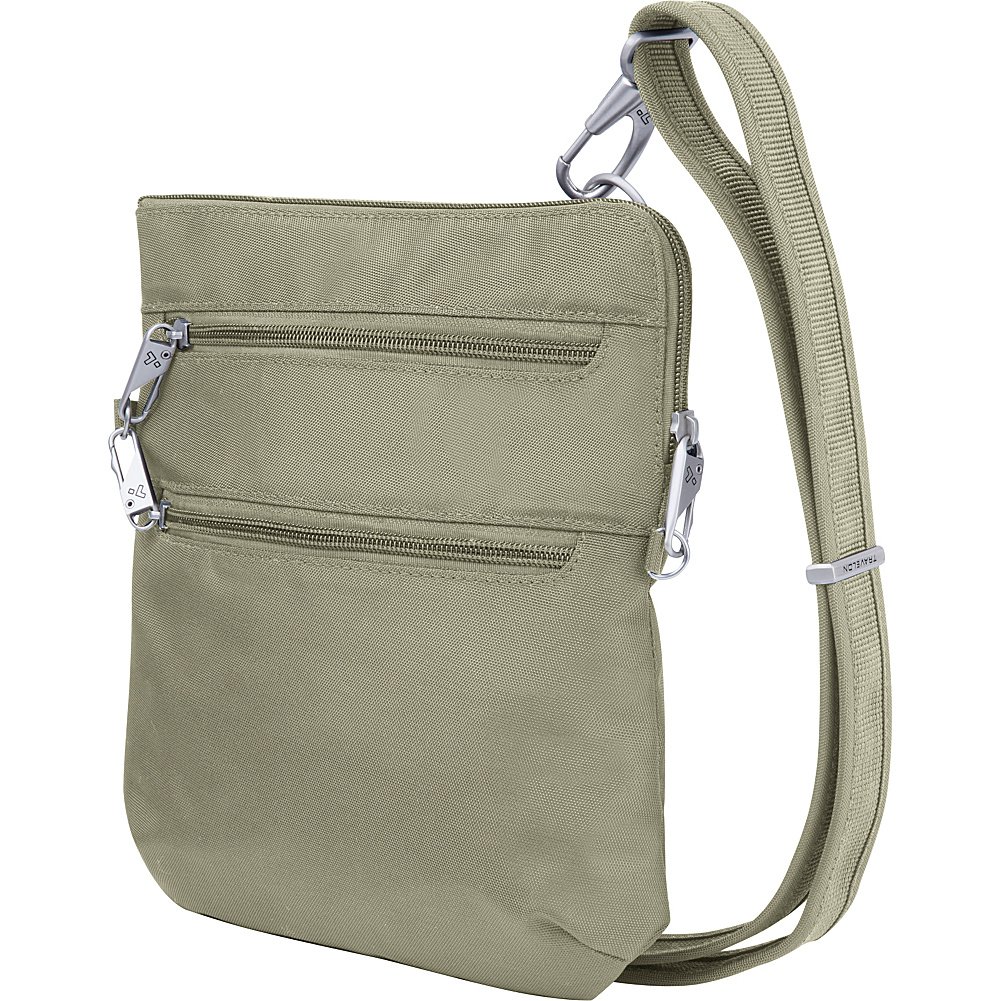
Travelon Anti-Theft Classic Crossbody Bag : Clothing, Shoes & Jewelry
View on AmazonCommon scams
- Distraction plays: spills on clothing, petitions, dropped valuables. Decline help politely and move on.
- Overcharging or “broken meter” taxis: Agree on a price before departure or insist the meter be used. Know the approximate fare range from airport to city.
- ATM skimmers and currency sleights: Favor ATMs inside banks or reputable hotels. Count change slowly; don’t be rushed.
- Fake guides and unofficial “helpers” at stations or monuments: Book guides through vetted platforms, your hotel, or official kiosks.
Nighttime safety and getting around
- Stick to well-lit, busier streets; avoid parks and riverside promenades late at night.
- If using rideshares, confirm the license plate and driver name before getting in; sit in the back and share trip details with a trusted contact.
- If you drink, pace yourself and watch your glass. In any venue, leave with your original group.
Crime can be managed with simple habits: carry only what you need, separate cards and cash, leave your passport in a hotel safe or money belt, and project purpose when you move through crowds.
Health and medical considerations
Your health plan for [Country] should cover prevention, access, and contingencies.
Vaccines and disease risks
- Routine immunizations: Ensure you’re up to date (tetanus-diphtheria, MMR, polio, influenza). Many travelers neglect boosters.
- Region-specific vaccines: Depending on where you’ll go within [Country], consider hepatitis A/B, typhoid, rabies pre-exposure, or others recommended by your clinician. Consult a travel-medicine specialist 6–8 weeks pre-departure.
- Mosquito-borne illness: Risks vary widely by altitude and season. Pack repellent with 20–30% DEET or 20% picaridin, wear long sleeves at dusk and dawn, and choose lodging with screens or AC in risk zones.
Hospitals and emergency care
- Major cities generally offer better-equipped public hospitals and private clinics; rural areas may provide basic care only and limited pharmacy stock.
- Identify a reputable hospital or clinic near each stop of your itinerary and save directions offline. Ask your hotel which facility they use for emergencies.
- Bring an adequate supply of prescription medications in original packaging, plus copies of scripts. Some drugs legal at home are controlled or prohibited in [Country]; check regulations before you pack.
Medical evacuation and insurance
- Buy comprehensive travel insurance that includes medical evacuation to your home country or the nearest capable hub. Evac flights can cost five to six figures without coverage.
- Confirm what counts as a “covered emergency,” how to access the 24/7 assistance line, and where you might be transported from remote areas.
Air quality, heat, and altitude
- Seasonal smoke, dust, or urban smog can aggravate respiratory issues; check air-quality trends for your travel months and carry a high-filtration mask if sensitive.
- Heatwaves are becoming more frequent; plan strenuous activities for mornings, hydrate, and build in rest.
- If your route climbs rapidly to higher elevations, acclimatize gradually and know the signs of altitude sickness.
COVID-19 and other respiratory illnesses
- Requirements evolve. Even if entry rules are relaxed, waves can surge locally. Pack tests, bring a few high-filtration masks for crowded indoor transport, and consider timing your booster before travel if eligible.
- Expect occasional policy shifts at museums, hospitals, or events; flexibility is part of modern travel.
Political stability, protests, and civil unrest
Most trips to [Country] pass without incident, but political calendars and economic pressures can spark demonstrations or strikes.
- Before travel: Scan local news, note upcoming elections and anniversaries. Subscribe to your government’s email alerts for [Country].
- On the ground: Avoid protest sites, even if peaceful; conditions can change quickly. Expect transport delays during strikes and keep a buffer day if you have a fixed departure.
- If unrest flares near your hotel: Move rooms away from street level, avoid balconies, and keep curtains drawn. Maintain a low profile and follow hotel security guidance.
- Neighborhood-level risk: Ask hotel staff for current advice—concierge teams often have the best block-by-block read.
When is it time to change plans? If multiple credible sources report violence in areas you intend to visit or if curfews/closures affect essential services, reroute. Safety is dynamic; itineraries should be, too.
Natural hazards and seasonal risks
Geography defines risk. Before you go, map your route against [Country]’s seasonal and environmental patterns.
Weather windows
- Identify the pleasant shoulder seasons that reduce heat stress and crowding. Shoulder months often deliver better safety margins: fewer traffic accidents on less-congested roads, shorter response times at attractions, and greater lodging flexibility if you need to pivot.
Floods and landslides
- Monsoon or rainy seasons can swell rivers and saturate hillsides. If traveling during heavy rains, allow extra transit time, avoid night driving, and monitor local advisories for road closures.
Earthquakes and volcanoes
- If [Country] lies on a seismic belt, choose lodging built to modern codes when possible. In quakes, “drop, cover, and hold on.” Learn evacuation routes if visiting volcanic areas and heed exclusion zones.
Hurricanes, cyclones, or typhoons
- Coastal regions may face tropical storms at predictable times of year. If traveling in storm season, book flexible rates, monitor forecasts closely, and know your hotel’s shelter plan.
Wildfires and heat
- Prolonged heat and drought raise wildfire risk. Avoid open flames in rural areas, heed park closures, and watch AQI readings. In extreme heat, reschedule midday sightseeing.
Practical safety checklist before you go
- Travel insurance: Confirm medical, evacuation, and trip-interruption coverage—plus coverage for strikes or natural disasters if traveling in higher-risk seasons.
- Embassy registration and alerts: US travelers can enroll in STEP; Canadians in the Registration of Canadians Abroad; Australians via Smartraveller. UK travelers can subscribe to FCDO alerts for [Country]. EU citizens should check MFA services.
- Emergency numbers: Save the local police, ambulance, and fire numbers for [Country]. Also save your embassy/consulate and your insurer’s 24/7 line. Post them in your phone and on a card in your wallet.
- Documents: Scan your passport ID page, visas, and insurance policy and store securely offline. Carry a secondary ID separate from your passport.
- Money: Split cards and cash into two stashes. Enable transaction alerts. Tell your bank you’ll be in [Country] to reduce blocks.
- Connectivity: Buy an eSIM/local SIM for reliable maps and translation. Download offline maps of each city and region you’ll visit.
- Local laws and customs: Research rules on medications, drones, alcohol, photography (especially around government or religious sites), dress codes, and LGBTQ+ rights.
- Transport basics: Pre-book airport transfers at late hours, learn how to hail licensed taxis, and verify rideshare details before boarding.
- Safety kit: Small first-aid kit, hand sanitizer, a door wedge or portable lock for older hotels, high-filtration masks, a backup power bank, and a flashlight.
- Packing with purpose: A slim crossbody or anti-theft daypack, neutral clothing that blends in, and a decoy wallet for high-risk zones. For a smarter list, see The Ultimate Travel Packing List: Stylish, Smart & Stress-Free (/experiences/ultimate-travel-packing-list-stylish-smart-stress-free).
How to decide for your trip type
Not all trips carry the same risk profile. Align your itinerary with your comfort level and the realities on the ground in [Country].
Solo travelers
- Favor central neighborhoods with reliable transport and active street life at night.
- Book arrival transfers when landing after dark, and choose accommodations with 24-hour front desks.
- Consider starting in cities known for traveler infrastructure before branching out. New to going it alone? Best Places to Travel Alone for the First Time — A Beginner’s Guide (/experiences/best-places-travel-alone-first-time-beginners-guide) offers confidence-building picks and tactics.
Women and LGBTQ+ travelers
- Dress codes and social norms in [Country] may be more conservative than at home. Observe local cues, especially in religious or rural areas.
- Research legal frameworks that affect LGBTQ+ travelers and decide where to prioritize anonymity versus openness.
- For destination ideas that align with comfort and style, browse Solo Female Travel Destinations: Safe, Inspiring Places to Go (/experiences/solo-female-travel-destinations).
Families
- Choose lodgings with in-house dining and on-site security for easier evenings.
- Pre-book car seats, child-friendly guides, and private transfers to reduce transit friction.
- Keep a printed card with the hotel name and phone number in each child’s pocket.
Seniors and travelers with accessibility needs
- Prioritize properties with elevators and step-free access; in older districts, stairs and cobblestones can be unavoidable.
- Allow extra buffer days and consider private tours to control pace and minimize long waits.
Adventure and remote travel
- In backcountry or sparsely populated regions, cell signal may be unreliable. Carry a satellite communicator and tell someone your route.
- Verify outfitter credentials, safety records, and equipment standards; ask detailed questions about contingencies.
- For planning that balances thrill with responsibility, see Adventure Travel: How to Plan Epic, Responsible Trips Around the World (/experiences/adventure-travel-plan-epic-responsible-trips).

Garmin inReach Mini 2, Lightweight and Compact Satellite Communicator, Hiking Handheld, Orange - 010-02602-00
Home is closer than you think with inReach® Mini 2. This <strong>compact satellite communicator adds peace of mind to your adventures without adding weight to your pack</strong>. (Some jurisdictions r
Check Price on AmazonBringing it all together
So, is it safe to travel to [Country]? With current intelligence, a flexible plan, and a few well-practiced habits, most travelers will find their footing quickly—savoring market mornings, long lunches, museum hush, and coastlines that blue into the horizon. Safety isn’t the absence of risk; it’s the presence of preparedness. Arrive informed, move with intention, and let [Country] unfold at a pace—and in the places—that feel right for you.
Recommended Travel Gear
Lonely Planet's Best Ever Travel Tips (Lonely Planet Travel Guides): Hall, Tom
#1 Best Seller in Stockholm Travel Guides · 38 offers from $305$305 · Lonely Planet Pocket Miami (Pocket Guide) Adam Karlin · 4.5 out of 5 stars 94 · Paperback · 31 offers from $493$493 · Next set of
Travelon Anti-Theft Classic Crossbody Bag : Clothing, Shoes & Jewelry
Finely crafted with superior durability for the way people actually get around in the world. Travelon RFID Blocking Pockets and/or Slots <strong>helps to block the radio frequency in cards and passpor
Garmin inReach Mini 2, Lightweight and Compact Satellite Communicator, Hiking Handheld, Orange - 010-02602-00
Home is closer than you think with inReach® Mini 2. This <strong>compact satellite communicator adds peace of mind to your adventures without adding weight to your pack</strong>. (Some jurisdictions r