
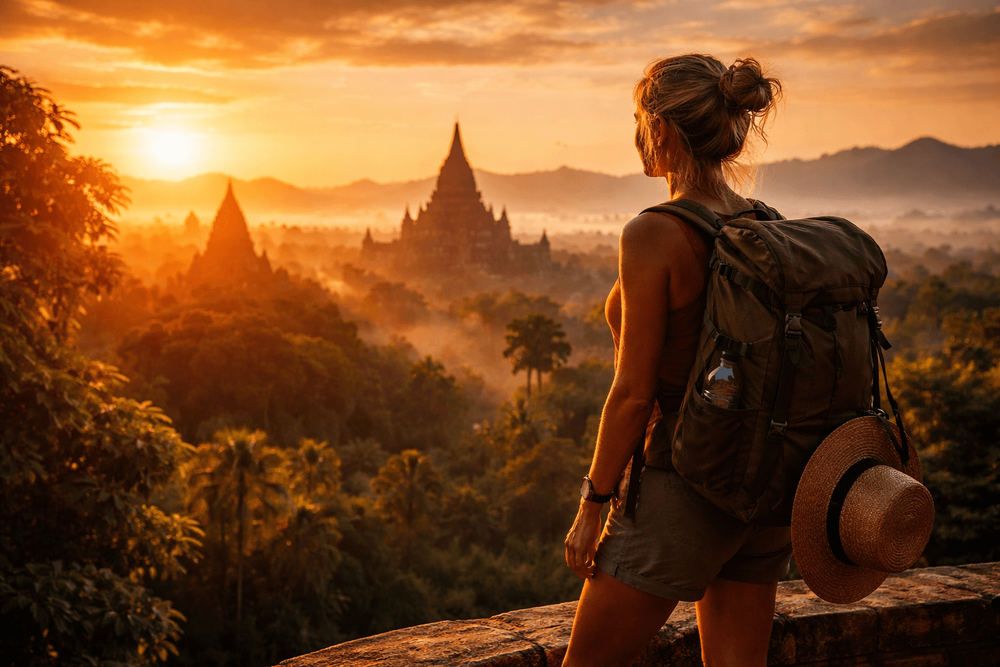
Is Southeast Asia Safe for Solo Travelers? A Backpacker’s Real-World Guide
Yes—with smart street smarts. A country-by-country safety breakdown, common scams, practical checklists, and a cautious 10–14 day route for solo backpackers.
Mood
Safe Solo Adventure
The long-tail boat noses into a chalky-sand cove just as the sky turns dragon-fruit pink; scooters purr past a Hanoi café where condensed-milk coffee steams in tiny glasses; a night market in Chiang Mai clinks with woks and laughter. The region’s magnetism is undeniable. But for those asking, “Is Southeast Asia safe for solo travelers?”, the answer lives in the everyday details: how one crosses the street in Saigon’s humming traffic, hails a ride in Manila after dark, or stashes a passport before boarding a Mekong slow boat. Safety here is less about fear and more about fluency—learning the rhythms so the journey feels effortless and free.
Quick Answer: Is Southeast Asia Safe for Solo Travelers?
Southeast Asia is broadly safe for solo travelers—millions backpack the region every year with few serious incidents. The primary risks are opportunistic petty crime, traffic accidents, and occasional scams in tourist hubs. Violent crime against foreigners is rare, and locals are overwhelmingly welcoming. Choose reputable transport, practice low-key street smarts, and respect cultural norms, and solo travel here becomes not only feasible, but deeply rewarding.
Those new to the region will find a strong on-the-ground community—guesthouses that double as wayfinding hubs, hostel socials that turn strangers into day-trip companions, and ride-hailing apps that simplify city movement. For first-timers planning the leap, see the broader context in Backpacking Southeast Asia: The Definitive Guide for First-Timers (/experiences/backpacking-southeast-asia-guide).
Country-by-Country Safety Breakdown
Thailand
Tourist infrastructure is excellent and English is widely understood in hubs. The greatest hazard is traffic—especially motorbikes on islands and in northern mountain loops. Scams to watch: jet-ski “damage” claims, gem-shop detours tied to suspiciously cheap tuk-tuk tours, and taxi drivers declining the meter. Party beaches and Full Moon gatherings are generally safe with standard nightlife caution (guard drinks, plan your ride home). Respect the monarchy and cultural norms in temples; penalties for drug offenses are severe. Tourist Police hotline: 1155.
What to watch for: motorbike crashes (helmets save lives), rip currents on some Andaman beaches in monsoon months, drink spiking in crowded clubs.
Vietnam
Friendly and fast-evolving, Vietnam feels energetic and safe for solo travelers who keep a close eye on their belongings. Bag-snatching from scooters occurs, especially in Ho Chi Minh City—walk with your bag zip inward, phone away from the street. Night buses are common but choose reputable operators; seatbelts when available. Consider guided options for the dramatic Ha Giang Loop rather than self-riding if inexperienced. Crossing the street is an art: move slowly and predictably; traffic will flow around you.
What to watch for: ATM skimming, counterfeit taxi apps (use official ride-hailing), low-quality tours on Ha Long Bay—book with well-reviewed operators.
Cambodia
Warm and welcoming, with a slower pace away from Phnom Penh and Siem Reap. Petty theft can occur in urban areas; carry minimal cash at night. The Poipet land border has a history of visa “helpers” and fake fees—use official counters only. In rural areas, never wander off marked paths due to lingering unexploded ordnance. Sihanoukville has seen rapid change; research your specific neighborhood.
What to watch for: bag snatching, inflated tuk-tuk fares (agree in advance or use apps where available), orphanage “volunteering” scams.
Laos
Laos is gentle and contemplative, generally safe with low petty crime outside a few tourist nodes. Roads are winding and night travel can be risky due to livestock and poor lighting—favor daytime buses or short flights between major towns. Adventure activities (tubing, ziplining, kayaking) are far better regulated than a decade ago, but always check equipment and guides. Stay on marked trails in areas with known UXO history.
What to watch for: sporadic bag theft in Vang Vieng and Luang Prabang night markets, river currents after heavy rain, limited medical facilities in rural zones.
Malaysia
Peninsular Malaysia is organized, transport is reliable, and ride-hailing is widespread. The culture shifts from cosmopolitan Kuala Lumpur to conservative east-coast towns; dress modestly near mosques and religious sites. East Malaysia (Sabah) has spectacular islands; heed local guidance regarding remote maritime travel near the Sulu Sea.
What to watch for: pickpocketing in busy transport hubs, monsoon-season seas on the east coast (November–March), modesty norms in conservative states.
Singapore
Among the safest cities on earth. Crime is very low; laws are strictly enforced. Penalties for drugs are severe. Tap water is potable, sidewalks are immaculate, and public transport is efficient. Nightlife is polished and orderly.
What to watch for: high costs, fines for littering and vaping restrictions. Otherwise, relax.
Indonesia
A tapestry of islands and experiences. Bali is geared to solo travel, but traffic is chaotic and bag snatching from passing scooters occurs—avoid dangling bags while riding pillion. Never drink unlabeled arak due to rare but serious methanol poisonings. Respect temple etiquette (sarongs are often provided). Elsewhere, ferries vary in safety standards—choose reputable operators, check lifejackets, and avoid sailings in rough conditions. Earthquakes and volcanic activity can affect itineraries; follow local advisories.
What to watch for: police stops for improper licenses on motorbikes, rip currents (particularly on south Bali beaches), scams around damaged rental vehicles (photograph pre-existing scratches).
Philippines
Filipinos are famously hospitable, and English is widely spoken. Stick to well-traveled islands (Palawan, Siargao, Bohol, parts of Luzon and Cebu) and central districts of major cities. Use ride-hailing for urban trips at night. Typhoons can disrupt plans from roughly June–November; build buffers. Ferries are common—select established companies and heed weather warnings. Avoid regions with ongoing insurgency (parts of Mindanao) unless essential and fully briefed.
What to watch for: petty theft in crowded jeepneys and markets, overfriendly “guides” who steer you to overpriced venues, beach theft—lock valuables and swim with the basics only.
Myanmar
Conditions remain volatile due to political unrest and conflict. Many governments advise against non-essential travel. Services can be disrupted; internet and banking may be unreliable. If travel is unavoidable, restrict movement to areas deemed safe by updated advisories, register with your embassy, and maintain a low profile.
What to watch for: checkpoints, sudden curfews, civil unrest, and the possibility of arbitrary detentions. Consider alternative destinations until stability returns.
Common Risks and Scams — and How to Avoid Them
- Transport tall tales: “The temple is closed” or “the pier moved” to funnel you to someone’s shop or boat. Verify on official websites or with your accommodation.
- Tuk-tuk/gem shop loops (Bangkok): Too-good-to-be-true fares end in hard-sell stops. Decline politely; insist on direct routes or use metered taxis/ride-hailing.
- Jet-ski and motorbike “damage” claims: Photograph vehicles from all angles before use; rent from reputable shops; ensure a written agreement.
- Bag snatching: In big cities, wear cross-body bags with zips inward; don’t text while walking curbside; in rideshares, sit away from open windows.
- ATM and money-change tricks: Use machines inside banks; avoid street changers; count notes discreetly.
- Border “helpers”: At land crossings (e.g., Thailand–Cambodia), ignore unsolicited assistance; follow official signage.
- Nightlife pitfalls: Never leave drinks unattended; be wary of “new friends” guiding you to closed-door bars with inflated bills or “lady drink” pressure.
- Fake tours and tickets: Book with well-reviewed operators or via your accommodation; scrutinize permits for national parks and boats.
Practical Safety Checklist
Transport
- Prefer daylight travel on roads; if taking a night bus or train, choose reputable companies and secure small valuables close to your body.
- Buckle up. Ask drivers to use seatbelts; if refused, change cars.
- Use ride-hailing apps (where legal) for clear fares and tracking; verify plate and driver name before boarding.
- Motorbikes: Only ride if properly licensed and insured; wear a real helmet; avoid riding after drinking or late at night.
- Boats and ferries: Check weather, choose operators with visible lifejackets, and avoid overcrowded vessels.
Accommodation
- Pick central neighborhoods near transport, food, and well-lit streets. Hostels with 24-hour reception, lockers, and female-only dorms add peace of mind.
- In private rooms, use door wedges/secondary locks if provided; avoid leaving valuables near windows or terraces.
- Ask staff for safe ATM locations and trusted taxi numbers.
For Bangkok arrivals, shortlist social yet secure stays from Best Hostels in Bangkok: Stylish, Social & Central Stays (/experiences/best-hostels-in-bangkok).
Tech
- Use an eSIM or local SIM; enable data for maps and rides. Download offline maps and key phrases in Google Translate.
- Set phone and banking app PINs; enable device tracking and remote wipe.
- Share live location with a trusted contact when moving between cities; establish a simple check-in routine.
Money
- Carry a mix: one card for daily use, one backup, and modest cash split across bag, belt, and room safe.
- Withdraw inside banks or malls; shield your PIN. Keep small bills for tuk-tuks and markets.
- Consider digital wallets common in the region (GrabPay, GoPay) for cashless rides and food courts.
After-Dark Routines
- Choose bright, busy streets. If a walk feels questionable, call a car.
- Limit solo scooter rides at night; pre-arrange transport from bars or beach clubs.
- Nurse your own drink; accept sealed bottles only.
- Trust your read. If a venue’s vibe shifts, step out; Southeast Asia offers a thousand alternatives.
Solo Female Travelers: Specific Tips and High-Safety Routes
Women traveling alone will find Southeast Asia approachable, especially on established backpacker circuits. Catcalling is rare compared with many regions, though it can occur in pockets. Most interactions are respectful, particularly when travelers observe local modesty norms.
- Clothing and culture: Shoulders and knees covered for temples and rural mosques; carry a light scarf. Swimwear is fine at beaches and resort pools; cover when leaving sand.
- Space and comfort: Choose female-only dorms or boutique guesthouses with good lighting and 24-hour reception. Politely decline unwanted attention; a firm “no, thank you” is understood.
- Getting around: Sit near other women or families on buses and trains; ride-hailing avoids street haggling and provides a record of your journey.
- Nightlife: Dine earlier in conservative towns; favor venues attached to reputable hotels or well-trafficked streets.
High-safety starter routes for solo women
- Singapore → Malacca → Kuala Lumpur → Penang: Urban design, heritage towns, and excellent transport.
- Chiang Mai → Pai (daylight minivan) → Chiang Rai: Northern Thailand’s café culture and gentle mountain scenery.
- Bali (Ubud → Uluwatu → Canggu): Wellness, surf, and abundant community—avoid unlit shortcuts at night.
- Da Nang → Hoi An → Hue (daytime train over the Hai Van Pass): Scenic, structured, and easy to navigate.
For more women-focused planning, see Best Countries for Solo Female Travelers: Safe, Stylish, and Soulful (/experiences/best-countries-for-solo-female-travelers-safe-stylish-soulful) and broader destination ideas in Solo Travel Destinations: Where to Go for Safe, Social & Seamless Trips (/experiences/solo-travel-destinations-safe-social-seamless-trips).
Health, Vaccinations, and Travel Insurance
- Vaccinations: Ensure routine immunizations are up to date. Hepatitis A and typhoid are commonly recommended for foodborne risks; Hepatitis B for longer stays or medical exposure. Consider Japanese encephalitis if spending extended time in rural areas or rice-growing regions; rabies pre-exposure for remote trekking or frequent animal contact. Seek advice from a travel clinic 6–8 weeks before departure.
- Mosquito-borne illness: Dengue exists across the region; malaria is patchy, more common in certain forested borders. Use repellent with DEET/picaridin, wear long sleeves at dusk, and sleep with screens or nets where needed.
- Food and water: Eat where turnover is high and the wok is hot. Tap water is generally not potable outside Singapore; refill bottles at hostel stations or use boiled/filtered water. Rehydration salts help in the heat.
- Ocean and outdoors: Respect currents; swim near lifeguards where present. Reef cuts and minor infections heal slowly in the tropics—clean promptly. Treat dog and monkey bites seriously and seek medical advice.
- Insurance essentials: A solid policy should cover medical treatment, evacuation, trip interruption for severe weather or unrest, and theft of valuables. Note that many policies exclude motorbike accidents without a valid license and helmet—read the fine print. Keep digital and hard copies of policy and ID.
Emergency Planning: Numbers, Contacts, and When to Leave
Store critical info in your phone and on paper in your day bag. Hotel staff are invaluable in an emergency—loop them in early.
Common emergency numbers (verify on arrival; mobile 112 often redirects to local services):
- Thailand: 191 (police), 199 (fire), 1669 (medical), 1155 (Tourist Police)
- Vietnam: 113 (police), 114 (fire), 115 (ambulance)
- Cambodia: 117 (police), 118 (fire), 119 (ambulance)
- Laos: 191 (police), 190 (fire), 195 (ambulance)
- Malaysia: 999 (all services), or 112 from mobile
- Singapore: 999 (police), 995 (fire/ambulance)
- Indonesia: 112 (general in many areas) or 110 (police), 118/119 (medical)
- Philippines: 911 (national emergency)
- Myanmar: services vary and may be unreliable; confirm numbers locally and keep your embassy on speed dial
Embassy readiness
- Register your trip with your embassy or foreign office and store local consular numbers. Photograph passports and visas; email copies to yourself.
- Keep a small “go bag” ready during monsoon or volcanic seasons: passport, cards, phone/charger, essentials.
Apps that help
- Navigation and language: offline maps, Google Translate; keep critical addresses in the local script.
- Movement: Grab, Gojek, and Bluebird (country-dependent) for trackable rides.
- Safety: WhatsApp live location or an equivalent; What3Words for pinpointing locations.
- Weather and hazards: local meteorological services; airline apps for rapid rebooking.
Know when to move on
- Persistent gut discomfort with a neighborhood or accommodation.
- Escalating protests or civil unrest; visible military activity.
- Severe weather alerts (typhoon/volcano) impacting ferries or flights.
- Repeated harassment or a spiking incident in your circle—switch towns or islands. Southeast Asia rewards flexibility.
A 10–14 Day Cautious Solo Route
Designed to minimize risky night travel and lean on reliable transport, this itinerary pairs cultural depth with steady logistics. Extend or contract stops to your comfort.
Days 1–3: Bangkok, Thailand
- Base: Central neighborhood near the river or a transit hub. Choose a hostel/guesthouse with 24-hour reception, lockers, and strong reviews. For curated social stays, browse Best Hostels in Bangkok: Stylish, Social & Central Stays (/experiences/best-hostels-in-bangkok).
- Movement: Airport rail link or pre-booked car; city rides via licensed taxis or ride-hailing. River boats by day.
- Safety notes: Use meters, avoid unlicensed jetskis, and be temple-ready (modest dress).
Days 4–6: Chiang Mai, Thailand
- Fly by day from Bangkok (1 hour) to avoid overnight buses. Explore temples, night bazaars, and gentle cafés.
- Movement: Songthaews (shared red trucks) for short hops; pre-arranged cars after dark.
- Safety notes: If visiting ethical elephant sanctuaries or doing ziplining, book reputable operators; be selective with temple hikes in heat.
Days 7–9: Luang Prabang, Laos
- Fly daytime from Chiang Mai (or overland via day buses if time allows). Slow evenings along the Mekong, saffron-robed alms processions, and waterfall day trips.
- Movement: Walkable center; hire certified taxis for out-of-town excursions.
- Safety notes: Avoid tubing after heavy rain; return from Kuang Si Falls before dusk.
Days 10–12: Hanoi, Vietnam
- Daytime flight from Luang Prabang. Old Quarter wanders, museum visits, and egg coffee breaks.
- Movement: Ride-hailing for late-night returns; cross streets slowly and predictably.
- Safety notes: Keep phones zipped away curbside; book well-reviewed day trips to Ninh Binh or Ha Long Bay.
Days 13–14: Da Nang and Hoi An, Vietnam
- Day train over the Hai Van Pass for spectacular, safer daylight views. Base in Hoi An’s old town or beachside.
- Movement: Bicycles by day on flat roads; taxis or ride-hailing at night.
- Safety notes: Mind beach currents; choose reputable tailors and avoid pushy shops.
Depart from Da Nang’s international airport. If you prefer island time, swap the Vietnam segment for Singapore (3 days) and Bali (6–7 days), flying between cities by day and choosing central, well-lit neighborhoods.
Those with longer horizons can stitch this into a broader arc—see Backpacking Southeast Asia Itinerary: 4–8 Week Route from Bangkok to Bali (/experiences/backpacking-southeast-asia-itinerary-4-8-week-route-bangkok-to-bali) for ideas to expand while maintaining safe pacing.
The Lasting Image
Southeast Asia rewards those who tune into its cadence: eat where the woks sing loudest, ride by day when mountains cut their brightest silhouettes, and follow the soft advice of locals who want travelers to love their home. For anyone still wondering “Is Southeast Asia safe for solo travelers?”, the truest answer is found in motion—confident steps down lit streets, a phone tucked away, curiosity wide open. The region meets that confidence with grace, and the solo journey shifts from a question to a quietly thrilling yes.