
Ischia: Italy’s Underrated Thermal Island for Low-Key Luxe
A serene alternative to Capri, Ischia pairs thermal springs and garden hotels with easy coastal days. This Ischia travel guide maps when to go, how to arrive, and a 5–7 day rhythm for low-key luxe.
Trip Length
5-7 days
Best Time
April–June and September–October
Mood
wellness
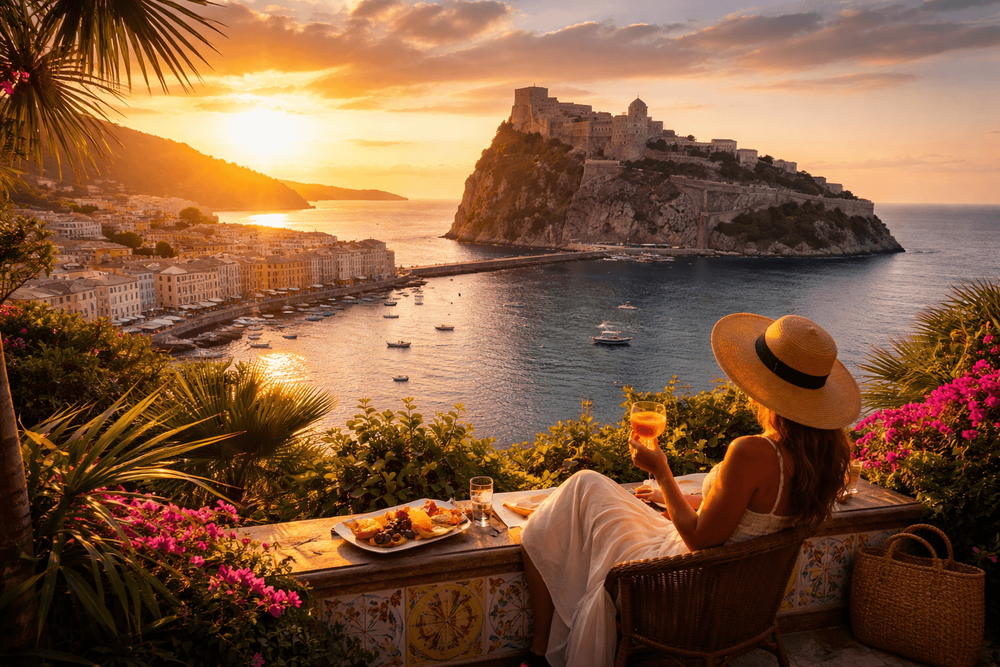
Steam curls off stone pools at dawn, the sea just beyond turning the color of cold steel before the sun lifts. Fishing skiffs nose into Sant’Angelo as the first espresso clatters onto saucers. If you’ve come looking for Capri’s drama without the performance, this Ischia travel guide is your permission slip: a volcanic island where wellness is woven into daily life and luxury feels like slipping into warm water, not a velvet rope.
Why Ischia, and why now
Ischia sits in the Bay of Naples, greener and more expansive than its showier neighbor. The island’s identity orbits mineral-rich springs that have drawn visitors since antiquity, but today the draw is as much about the mood: garden hotels perfumed by citrus, palm-shaded thermal parks, and evenings measured by the slow cadence of a seaside passeggiata rather than DJ sets. Come for the hot springs, stay for the way your shoulders drop a little further each day.
Base yourself near Ischia Porto and Ischia Ponte for ease, in Forio for sunsets and thermal parks, or around Sant’Angelo for a serene, mostly pedestrian village vibe. Wherever you land, the island is stitched together by reliable buses and coastal roads that reveal a different microclimate around every curve.
Ischia travel guide: plan your low-key luxe escape
A 5–7 day stay sets the right tempo. Think spa mornings, saltwater afternoons, hilltown sunsets, and one or two boat days when the weather smiles. This Ischia travel guide favors indulgence without excess—long lunches in dappled shade, hot-cold rituals that reset your jet-lagged circuitry, and cliff walks scented with wild fennel.
- Day 1: Arrive, drop your bags, and keep it gentle—an easy swim off a town beach, then aperitivo along the harbor as ferries glide in.
- Day 2: Thermal immersion. Choose a classic thermal park with multiple pools of varying temperatures. Alternate soaks with seawater dips and quiet time under pine trees.
- Day 3: Explore Ischia Ponte’s lanes and the dramatic fortress-topped islet just offshore. Finish with a seafood dinner where the catch often arrives by the door.
- Day 4: Monte Epomeo morning. Hike up cinder paths and tufa outcrops for panoramic views, reward yourself with a restorative spa session in the afternoon.
- Day 5: Boat day. Circle the coast to see coves, grottoes, and sea arches; if conditions and tides allow, ease into a natural hot cove where geothermal water seeps into the sea.
- Day 6: Forio’s west coast gardens and beaches. Linger in a garden hotel’s thermal pools or claim a lounger at a beach club, then watch the sun drop behind distant islands.
- Day 7: Sant’Angelo and Maronti’s long strand. Meander the car-free center, slip into the sea, and cap your trip with a sunset toast over lemon trees.
Garden hotels and thermal parks
The island’s signature hospitality grows outward, not upward—low-slung villas hidden by hibiscus and bougainvillea, with footpaths threading through citrus orchards to private thermal pools. Many properties channel their own springs into mosaic-lined baths, pairing them with cool plunge pools and sea-view loungers. The vibe is unpretentious: terracotta underfoot, linen on the beds, and bar menus that read like a postcard from summer.
Thermal parks are daydreams made public. Expect meandering footpaths through palms and succulents; pools that range from warm enough to melt the travel day from your bones to bracingly cool; and direct access to the sea in several places. Most parks provide lockers, snack bars, and shaded lounging. Some pools may require a swim cap—check signage—and flip-flops are essential on sun-heated stone.
Thermal culture 101
- Go slow. Start warm, not hot, and move between temperatures with a short cool-down shower or sea dip between soaks.
- Hydrate and shade-hop. Mineral water and sea breeze can lull you into a nap; bring a refillable bottle and chase the umbrella’s arc.
- Mind the minerals. They can be tough on delicate fabrics and jewelry; bring swimwear you don’t mind dedicating to the cause.
- Respect the quiet. Many relaxation zones encourage a library hush; save calls and speaker music for elsewhere.
The quieter alternative to Capri
You don’t come to Ischia to be seen; you come to recalibrate. The island channels a slower rhythm—families catching the late light on town beaches, locals soaking sore shoulders after work, gardeners clipping rosemary by the path to a thermal grotto. Compared to Capri’s choreographed glamour, Ischia’s luxury is textured: a basket of just-picked figs at breakfast, a room framed by vines, a moonlit walk without jostle or theatrics. If you crave a little buzz, take a twilight passeggiata in Ischia Porto; if you want to lower the volume even further, linger in Sant’Angelo or the hills above Forio.
Getting there
Most travelers reach Ischia by sea from Naples or Pozzuoli. You’ll choose between hydrofoils (faster, passenger-only) and ferries (slower, which can carry vehicles). Both options typically run throughout the day, with more frequency in summer. From Naples’ central waterfront, hydrofoils depart from the main piers; conventional ferries leave from the nearby commercial port. If you’re flying into Naples International Airport, taxis and rideshares connect to the ports in under an hour depending on traffic.
Advance bookings are wise in July and August and around holidays. If you’re considering bringing a car, read the fine print: seasonal restrictions for non-resident vehicles may apply. For most stays, the island’s buses, taxis, and water taxis make a car unnecessary.
What to expect on arrival
Ferries fan out to the island’s main harbors—Ischia Porto and Casamicciola Terme—while some hydrofoils also call at Forio. The minute you disembark, you’ll feel the difference in the air: a faint mineral tang carried on sea wind. Cabs and microtaxis (the photogenic, open-sided three-wheelers) queue along the quays, and the island bus network radiates from each port. Luggage-friendly sidewalks trace the waterfronts, though some hillside hotels are best reached by short taxi rides or arranged shuttles.
Roads are narrow and winding; confident drivers will be fine, but you won’t miss anything by letting someone else take the wheel. Scooters are popular, yet first-timers may prefer buses until they’ve gauged the traffic and curves. Expect steps in the older quarters and allow extra time if your plans include cliffside villages or the path to the castle in Ischia Ponte.
Eating and drinking
Ischia’s pantry leans maritime but surprises inland. On the coast, plates tilt toward grilled fish, clams with pasta, and fried morsels that taste best with sea spray still on your skin. Up in the hills, you’ll find rabbit slow-simmered with herbs and white wine, best paired with the island’s crisp whites poured from vineyards terraced into volcanic slopes. Lemon trees are practically neighbors; expect citrus to show up in everything from aperitivi to dessert.
Dining is delightfully straightforward: casual beach clubs by day, relaxed trattoria tables by night, and garden restaurants where you’ll hear the night insects tuning up at dusk. If you want a front-row sunset, book ahead in peak months; otherwise, stroll and follow your nose along the waterfronts of Forio and Ischia Porto or in the pedestrian lanes of Sant’Angelo and Ischia Ponte.
Beaches, coves, and coastal rituals
Ischia’s shoreline toggles from long, sandy stretches to pebbly coves cupped by cliffs. The south coast’s broad strand invites long swims and lazy lunches. To the west, look for coves accessible by footpaths or small boats; some are warmed by geothermal seepage where sea and spring mingle. Beach clubs rent loungers and umbrellas for the day; public sections sit between them if you prefer to throw down a towel.
For the classic island ritual, time aperitivo to the last glow over the Tyrrhenian. Watch locals in linen and sandals make their leisurely circuits, stop for a chat, then drift toward dinner as church bells mark the hour.
Hiking and slow adventures
The island’s volcanic backbone rises to Monte Epomeo, whose summit delivers widescreen views on clear days. Trailheads lead through chestnut groves and past small farms selling seasonal fruit. Elsewhere, coastal paths thread crags and terraced gardens; go in the cooler hours and wear shoes you don’t mind dusting with tufa. If the sea is calm, hire a skipper for a half-day loop—there’s nothing quite like sliding into a cove where hot water eddies around your ankles.
Practical planning
- Money and tipping: Cards are widely accepted in towns and at larger beach clubs, though small cash comes in handy for buses and tiny cafés. Tipping is discretionary; round up or add a little extra for gracious service.
- Spa etiquette: Reservations help at popular hotels and day spas, especially for treatments. Arrive a few minutes early; many facilities provide towels and robes, but confirm when booking.
- Connectivity: Mobile coverage is strong near towns; it can fade in coves and on interior slopes. Consider it a feature, not a bug.
When to go
April through June and September through October strike the balance of warm seas, open thermal parks, and calmer crowds. July and August bring heat and a festive swell; plan early starts, shaded lunches, and late swims if you visit then. In winter, the island slows as some hotels and beach clubs pause operations, though village life continues and the springs still steam.
The takeaway
Ischia doesn’t shout; it sighs. Give it a week and it returns you to yourself—salt-dusted, sun-warmed, faintly scented with lemon. Book the ferry, reserve a garden room, and circle a few spa days on your calendar. The island will do the rest, pool by pool, cove by cove, until you’re plotting your return before you even leave.
Where to Stay

Hotel Parco Delle Agavi
4-star Hotel Parco Delle Agavi in Ischia offers easy access to the island’s sights, with comfortable rooms, a relaxing setting, and well-rated guest service, backed by a 9.1/10 score.

Hotel Nettuno
Hotel Nettuno is a 4-star hotel in Ischia with an 8.7/10 guest rating, offering a comfortable stay close to the island’s scenic coastline and local attractions.

Tenuta Del Poggio Antico
Tenuta Del Poggio Antico is a 4-star hotel in Ischia, offering a tranquil hillside setting and a highly rated stay with panoramic island views, outdoor pool access, and easy reach to local attractions.

Hotel Villa Durrueli Resort & Spa
4-star Ischia hotel with spa facilities, set near the beach and Ischia Porto. Offers a seasonal outdoor pool, wellness area, restaurant, and garden views, with easy access to the island’s ferry and shopping district.

Hotel La Villarosa Terme
Hotel La Villarosa Terme is a 4-star stay in Ischia, offering easy access to the island’s attractions, thermal spa facilities, and a highly rated guest experience.