
Luxury Safaris in Nepal: Private Drives, Rare Wildlife & Sustainable High-End Lodging
From private jeeps and canoe drifts to heli hops and candlelit riverbank dinners, discover Nepal’s most exclusive, conservation-led jungle safaris.
Mood
High-End Jungle Escape
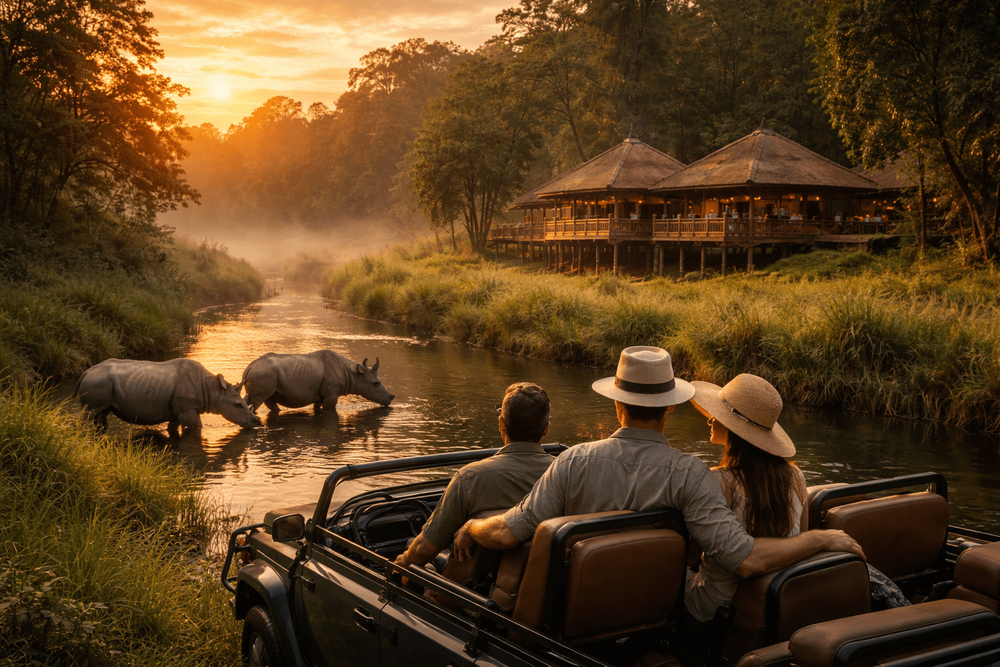
At first light the Rapti River exhales a silver mist, and the forest wakes like an orchestra—barbet trills, the dry click of a stork’s bill, the distant splash of a mugger crocodile. On the sandbar, the blade-like snout of a gharial cuts the surface just as a greater one-horned rhino ghosts out of elephant grass. A private jeep idles quietly at the treeline; a naturalist lifts a hand for silence; tea steam curls in the cool. This is the seduction of luxury safari experiences in Nepal—raw jungle drama staged with discreet, high-touch hospitality, where sightings unfold at an unhurried, tailor-made pace.
Signature luxury safari experiences in Nepal
Private jeep safaris with top trackers
In Chitwan and Bardia, private vehicles allow guests to dictate the rhythm of the day: long dawn patrols when predators ghost along riverbanks, or languid late afternoons lingering at waterholes as light turns honey-gold. The difference at the high end is less horsepower than human expertise. Elite naturalists—often with decades in the same grasslands—read pugmarks, alarm calls, and wind like a score. Vehicles carry padded seats, camera beanbags, cool towels, and chilled drinks; some lodges dispatch a spotter ahead by motorbike to scout vantage points, radioing in when fresh tracks cross the road.

LensCoat LensSack Jr. Camera Bean Bag Suppor Black : Electronics
View on AmazonCanoe safaris on mirror-still rivers
At the river’s edge, dugout canoes slip past kingfishers and basking gharials, their armored backs catching the sun. Luxury lodges time these drifts to avoid crowds, pairing them with riverbank breakfasts under sal trees. On the Rapti and Narayani in Chitwan—and the Karnali in Bardia—canoes reveal a quieter safari: otter tracks at the mud’s edge, the ripple of a surfacing fish, the shadow of a crested serpent eagle sailing overhead.
Bespoke guided walks
Walking safaris, conducted with licensed guides and often a park ranger, are masterclasses in intimacy and safety. Guests learn to read the forest’s grammar—fresh dung, stripped bark, the varnish of a tiger’s scratch mark. High-end operators customize distance and terrain to fitness levels, with cold-pressed juices at trailheads and shaded siesta slings strung beside the river for midday birding.
Elephant interactions—reimagined responsibly
While elephant-back safaris were once an emblem of jungle travel, Nepal’s most forward-thinking lodges have pivoted to no-riding, welfare-first encounters—walking alongside elephants in chain-free, spacious corrals and observing bath time from the riverbank. The experiences feel more intimate, more ethical, and—because elephants set the pace—strangely meditative. Guests return with photographs unblurred by movement and stories unclouded by remorse.
Night drives in buffer zones
Where regulations allow, select operators offer night drives in community forests adjoining the national parks, accompanied by trained spotters and, in some areas, rangers. Red-filter lamps sweep for the ghost-gleam of eyes: leopard, jungle cat, civet, Indian crested porcupine. The jungle at night hums—cicadas droning like electricity, the slow creak of bamboo, a sudden sambar bark that tightens every muscle.
Helicopter transfers and scenic flights
For those who value time as the ultimate luxury, private helicopter transfers hop from Kathmandu to Chitwan’s riverine clearings in under an hour, landing close to lodge helipads where iced lemongrass towels await. Select charters also offer scenic overflights of the Terai’s braided rivers and, weather permitting, a dramatic return skimming Himalayan ridgelines—a visceral reminder that Nepal’s biodiversity runs from eight-thousanders to tiger country.
Spa rituals and riverbank gastronomy
Post-drive, the jungle slows to ritual. Aromatherapists knead road-dust muscles with mustard and himalayan herb oils. Infinity pools catch dragonflies. Gourmet kitchens reinterpret Tharu recipes—smoked fish with wild greens, millet crisps dusted with timur pepper—alongside wood-fired breads and garden salads. Candlelit riverbank dinners unfold under lanterns, with a naturalist on hand to decode the darkness between stars.
Wildlife, seasons, and what to expect
Headliners and supporting cast
- Bengal tiger: Apex drama, always elusive. Bardia offers Nepal’s strongest odds; Chitwan sightings do occur but are rarer along tourist routes.
- Greater one-horned rhino: Chitwan’s great constant. Expect multiple encounters over a two- to three-night stay; Bardia’s smaller population makes sightings possible but less frequent.
- Asian elephant: Wild herds move seasonally; sightings are special rather than guaranteed in both parks.
- Leopard: Masters of the unseen; day sightings are uncommon but not unheard of, especially on fringe tracks or at dusk.
- Sloth bear: Shy and mercurial; early morning and late afternoon in open grasslands yield the best chances.
- Birdlife: Over 540 species in Chitwan and 400+ in Bardia—pied hornbill, great hornbill (rarer), lesser adjutant, black-necked stork, changeable hawk-eagle, Indian peafowl, and winter migrants like steppe eagles and harriers. Along larger rivers, watch for the endangered gharial and playful smooth-coated otters; in Bardia, lucky guests may glimpse a rolling sigh of the Gangetic river dolphin.
Seasonality and honest odds
- October–November: Post-monsoon clarity and comfort, but grasses are tall, making big-cat views tricky. Superb for birds and river scenes; rhino sightings remain strong along river corridors.
- December–January: Crisp, often foggy mornings melting into clear afternoons. Quiet parks, great walking conditions. Tigers are a bonus; sloth bear activity dips in cold snaps.
- February–April: Prime viewing. Grass cutting opens sightlines; rising heat concentrates wildlife at water. Bardia’s tiger odds climb notably in late March and April.
- May–early June: Very hot, fewer visitors, serious photographers’ season. Wildlife clusters near water; tiger and sloth bear activity can peak at dawn and dusk.
- Monsoon (mid-June–September): Many tracks flood; some lodges scale back operations; canoeing conditions vary. Lush scenery, low crowds, and dramatic skies appeal to repeat travelers, but general wildlife visibility dips.
Realistic encounter expectations with top-tier guides: In Chitwan, rhinos are near-certain over two or more days; crocodiles and a rainbow of kingfishers on canoe trips are highly likely; tiger sightings remain infrequent. In Bardia, patient travelers dedicating four to five days in the late dry season can reasonably hope for a 40–60% chance of a tiger sighting; sloth bear encounters are possible but never promised. Elephants, leopards, and dolphins remain serendipitous rewards.
Where to go: Chitwan vs. Bardia (and a birders’ detour)
Chitwan National Park: Effortless elegance and family-friendly variety
Chitwan pairs superb hospitality with wildlife density and easy logistics. Daily Bharatpur flights from Kathmandu bring guests within an hour’s drive of riverside lodges; private jeeps, canoes, and spa appointments fit easily into languid, two- to four-night stays. Rhino encounters unfold against soft-lit meadows; gharial bask like medieval ornaments; birding dazzles.
For travelers who want polished luxury with reliable sightings—and families who appreciate gentler drives and shorter transfer times—Chitwan is the Terai’s grande dame. The Meghauli Serai, A Taj Safari occupies a prime bend of the Rapti, all river-facing villas with plunge pools, dedicated butlers, and naturalists trained in the Taj Safaris tradition. Sundowners on its elevated deck deliver a theater of elephants crossing at dusk. Across the water, the Barahi Jungle Lodge pairs thatch-and-timber villas with a serene pool, a skilled guiding team, and a riverbank spa; private breakfasts after canoe drifts are a signature flourish.
Bardia National Park: For solitude seekers and tiger-focused photographers
Bardia lies further west, and that remoteness is its luxury. With fewer vehicles and vast, varied habitats, time stretches—long, contemplative sits at waterholes, all-day waits where pugmarks stitch across sandbars. Fly to Nepalgunj and drive two to three hours; stays of four or more nights are rewarded. For photographers and travelers who crave privacy and predator possibilities, Bardia is the connoisseur’s choice.
The Tiger Tops Karnali Lodge is the region’s pioneering boutique base, a candlelit compound of earth-toned rooms, native plantings, and passionate trackers. Days here lean into deep-time: thermos tea shared with rangers, patient stakeouts, dinners that begin with stories and end with jackals yipping beyond the lantern light.
Koshi Tappu Wildlife Reserve: A birder’s counterpoint
East of Kathmandu, Koshi Tappu’s wetlands host wild water buffalo (arna), flocks of bar-headed geese, and rare specialties like the swamp francolin. While not a traditional big-mammal safari, it rounds out an itinerary for serious birders and nature photographers. Add two nights pre- or post-Chitwan for a different palette of blues and silvers.
For broader inspiration on how jungle days complement the country’s mountain-and-temple circuit, see Unforgettable Nepal: Himalayan Treks, Spiritual Cities & Jungle Adventures (/experiences/unforgettable-nepal-himalayan-treks-spiritual-cities-jungle-adventures) and Top Tourist Spots in Nepal: Kathmandu, Pokhara, Everest & Beyond (/experiences/top-tourist-spots-in-nepal-kathmandu-pokhara-everest-beyond).
Responsible luxury: people, wildlife, and place
Nepal set an influential standard in South Asia by returning a significant share of park revenues to buffer-zone communities, a model that tangibly links conservation to local prosperity. The best luxury operators amplify that impact with employment, training, and low-footprint design—solar arrays, grey-water wetlands, and organic kitchen gardens replacing flown-in excess.
- Ethical elephant programs: Seek lodges with chain-free corrals, no-riding policies, and veterinary oversight. Observational walks and positive-reinforcement care models elevate both welfare and guest experience.
- Community partnerships: Tharu guides bring place-based knowledge to every track and tale. Purchases of local crafts and guided village walks fund schools and micro-enterprises.
- Light-touch builds: Natural materials, elevated boardwalks, and native landscaping reduce erosion and create habitat corridors between river and forest.
Travelers who value their footprint can deepen their research with Stay Green in the Himalayas: A Traveler’s Guide to Eco‑Friendly Hotels in Nepal (/experiences/eco-friendly-hotels-in-nepal).
Practical planning for a seamless high-end safari

Lonely Planet Nepal: Detailed Itineraries | Travel Like a Local | Insider Tips | Covers Kathmandu, Pokhara, Terai, Mahabharat Range, and more (Travel Guide): Mayhew, Bradley, Bindloss, Joe, Brown, Lindsay, Butler, Stuart, Lama, Tsering
Lonely Planet's Nepal is <strong>our most comprehensive guide that extensively covers all the country has to offer, with recommendations for both popular and lesser-known experiences</strong>. Ex
Check Price on AmazonHow to get there
- Chitwan (Meghauli/Sauraha): 25-minute flight Kathmandu–Bharatpur; then 1–1.5 hours by road to most luxury lodges. Private helicopter: ~45 minutes direct from Kathmandu, landing near select properties.
- Bardia (Thakurdwara area): 50-minute flight Kathmandu–Nepalgunj; 2–3 hours by road to lodges. Private charters reduce wait times; helicopters operate on request, weather permitting.
How long to stay
- Chitwan: 3 nights minimum for a relaxed rhythm and a mix of jeep, canoe, and walks.
- Bardia: 4–5 nights to stack the odds on tiger sightings and enjoy unhurried, photographer-friendly sessions.
Budgets and what’s included
- Luxury lodges: Approximately US$450–1,200 per room per night in Chitwan; US$300–800 in Bardia, often including meals, activities, and a private naturalist at higher tiers.
- Private vehicle fees: US$200–400 per drive, depending on duration and park.
- Park permits and conservation fees: Typically US$15–35 per person per day; night drives in buffer zones, when permitted, may carry supplements.
- Helicopter transfers: From ~US$3,500–5,000 one-way Kathmandu–Chitwan for a light helicopter seating 4–5, subject to weight limits and weather.
Booking intel
- Peak windows: Late February through April for visibility; October–November for comfort and color. Book 6–9 months ahead for prime riverfront rooms and senior naturalists.
- Ask for: A dedicated guide throughout your stay, a private vehicle from first light to brunch, and flexible mealtimes that bend to wildlife rather than the other way around.
- Families: Choose lodges with interconnecting suites, shaded pools, and junior ranger activities; Chitwan’s gentler logistics suit multi-generational groups.
- Photographers: Request beanbags and open seating configurations; plan multiple full-day permits in Bardia late season; carry a telephoto (200–400mm), wide angle for river scenes, and dust protection.
Health, safety, and comfort
- Vaccinations and prevention: Standard travel immunizations; dengue prevention via repellent and long sleeves in warm months. Malaria risk is low in the main parks; consult a travel physician.
- Fitness and safety: Walks always with licensed guides; follow instructions around wildlife and water. Life jackets for canoeing are standard.
- What to pack: Neutral, breathable layers; a light fleece for winter dawns; brimmed hat; polarized sunglasses; insect repellent; sunscreen; binoculars (8x or 10x); camera rain cover; leech socks in monsoon; closed shoes. A small daypack, reusable water bottle, and a sense of unhurried curiosity elevate every outing.
- Connectivity and currency: Luxury lodges offer reliable power and often Wi‑Fi; eSIMs work in most gateway towns. Tipping in cash (small denominations) is appreciated for drivers, trackers, and camp staff.
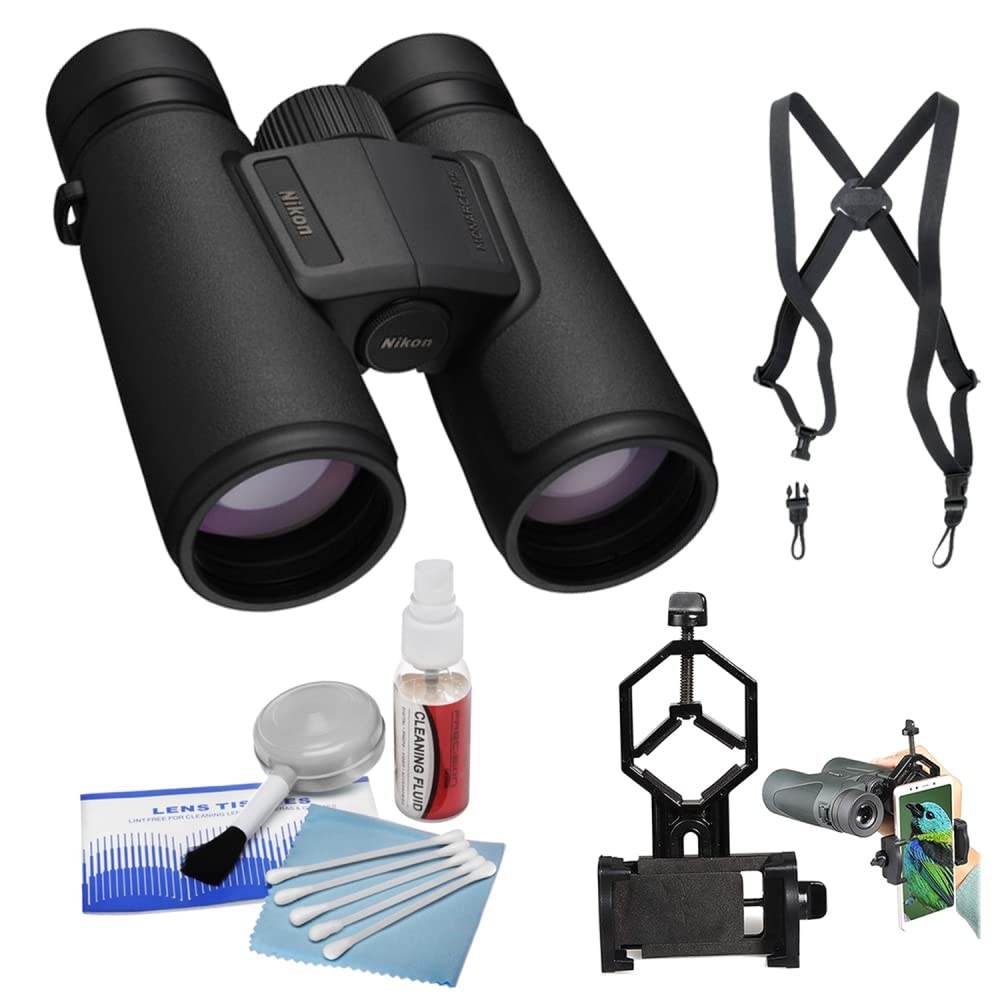
Nikon Monarch 5 8x42 Binoculars : Electronics
Nikon Monarch M5 8x42 (16767) Black Binoculars Bundle with Lens Pen and Lens Cloth, <strong>Compact Binoculars for Adults for Hunting, Bird Watching, and Hiking Essentials, Zoom Lightweight Travel</st
Check Price on AmazonFor time in Kathmandu before or after your safari, consider a culinary dive with Gourmet Food Tours in Nepal: Taste, Learn, and Shop Your Way Through Kathmandu & Beyond (/experiences/gourmet-food-tours-nepal-kathmandu-beyond)—a flavorful counterpoint to the jungle’s greens and golds.
The image to carry home
At dusk, the river becomes a mirror, and a heron writes a thin gray line across it with its legs. Somewhere in the far grass, a sambar sounds a single, staccato bark. Your guide’s finger traces a fresh rosette of prints softening at the water’s edge. The jeep engine never turns; there is only breath and the closing swell of cicadas. Luxury safari experiences in Nepal do not shout. They tune the senses so the jungle’s quietest notes rise, specific and unforgettable, until the last lantern winks out and the river resumes its slow, silver work.
Recommended Travel Gear
Lonely Planet Nepal: Detailed Itineraries | Travel Like a Local | Insider Tips | Covers Kathmandu, Pokhara, Terai, Mahabharat Range, and more (Travel Guide): Mayhew, Bradley, Bindloss, Joe, Brown, Lindsay, Butler, Stuart, Lama, Tsering
Lonely Planet's Nepal is <strong>our most comprehensive guide that extensively covers all the country has to offer, with recommendations for both popular and lesser-known experiences</strong>. Ex
Nikon Monarch 5 8x42 Binoculars : Electronics
Nikon Monarch M5 8x42 (16767) Black Binoculars Bundle with Lens Pen and Lens Cloth, <strong>Compact Binoculars for Adults for Hunting, Bird Watching, and Hiking Essentials, Zoom Lightweight Travel</st
LensCoat LensSack Jr. Camera Bean Bag Suppor Black : Electronics
Brief content visible, double tap to read full content. Full content visible, double tap to read brief content. ... The LensCoat LensSack Jr. is <strong>a Bean Bag Camera Support platform that stabili