
The Most Beautiful Places in the World: An Editor’s Travel Wish List
From fjords and deserts to temples and reefs, this editor’s wish list maps the most beautiful places in the world—plus when to go and how to see them well.
Mood
Bucket-List Inspiration
At first light, the world arranges itself into hush and color: wind combs lavender hills in Provence; calving ice sighs across Patagonia’s blue vaults; a Buddhist bell gathers morning over the Kathmandu Valley. Beauty is not a single view but an atmosphere—place, culture, and time braided together. Call these moments what they are: the most beautiful places in the world revealed in scenes that catch in the throat and stay in the bones long after the boarding pass is filed away.
Why “Most Beautiful” Depends on How You Travel — An Editor’s Preface
Beauty is subjective, but it becomes specific when filtered through the way one travels. Slow travelers notice the patina of a city’s morning markets and the cadence of a shoreline at dusk. Peak-baggers read mountains like atlases. Urban aesthetes track the lines of a museum, the silhouette of a skyline at blue hour. The same destination can be hushed or hedonistic, contemplative or kinetic, depending on the hour, the season, and the path taken to reach it.
This list is not a trophy case of selfies; it is an editor’s attempt to map experiences that marry landscape with culture, and wonder with welcome. The most beautiful places in the world are those that meet travelers halfway—revealing themselves to curiosity, patience, and respect.
How We Chose These Places
Great scenery is a start, never the whole story. To assemble a wish list that earns repeat pilgrimages, four criteria anchor the selections:
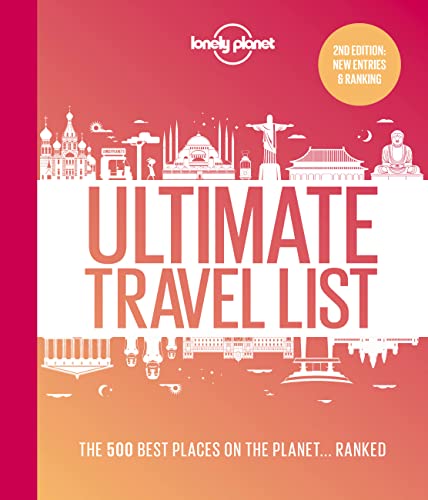
Lonely Planet Lonely Planet's Ultimate Travel List: The Best Places on the Planet ...Ranked: Planet, Lonely
The second edition of Lonely Planet’s bestseller presents <strong>an all-new ranking of the greatest places to visit on Earth</strong>, reflecting the travel tastes and trends of today’s world.
Check Price on Amazon- Landscape: Geological drama and subtlety in equal measure—fjords cleaved by ice, cloud forests stippled with orchids, deserts that bloom with a single storm.
- Culture: Living traditions, craftsmanship, cuisine, and the intangible rituals that turn panoramas into places.
- Accessibility: Journeys should be feasible without eroding what makes them special—ideally with rail links, responsible tour infrastructure, or manageable regional flights.
- Sustainability: Destinations stewarding their environment and communities—parks with visitor caps, islands protecting reefs, cities investing in walkable cores and conservation.
The Most Beautiful Places in the World, by Region
Europe
- Dolomites, Italy: At sunset, limestone battlements flush apricot, and the Via Ferrata’s old war ladders turn alpine history tactile. Wildflower meadows hum with bees; rifugi serve polenta and speck as clouds snag on spires. Base in Alta Badia for gentler hikes and Ladin culture; arrive via Venice or Milan, then rail to Bolzano and continue by bus.
- Norwegian Fjords, Norway: Waterfalls ribbon down gneiss walls as ferries nose through Geiranger and Nærøy. Kayaks slide over ink-blue depths; on land, switchbacks gift hairpin views. Sleep in a rorbu cabin on the Lofoten Islands where cod dries like prayer flags in the Arctic breeze. Trains knit Oslo to Bergen; boats and buses take care of the rest.
- Santorini and the Cyclades, Greece: Not just the caldera’s white theater of light, but the smell of wild thyme on hiking trails between Oia and Fira, black-sand beaches warm as toast, and volcanic wines poured in shadowy canaves. Balance the headliners with quieter neighbors—Folegandros, Serifos—where the Aegean still keeps secrets.
- Scottish Highlands, United Kingdom: Moorland and loch unfurl beneath weather moving like a symphony. The Road to the Isles rides heather and sea; Skye’s Quiraing feels like Tolkien’s rough draft. Whisky warms evenings by peat stove. Rail the West Highland Line from Glasgow, then rent a car for single-track adventures.
- Dubrovnik and Dalmatian Coast, Croatia: Stone ramparts above an Adriatic so translucent it seems to light from below, olive groves hemming coves, and islands strung like stepping-stones—Vis for craggy solitude, Korčula for vineyards and Venetian lacework.
Asia
- Kyoto, Japan: Vermilion torii guard cedar-heavy hills; teahouses breathe tatami and whisked matcha; temples burn amber at dusk. Spring drifts with sakura; autumn sets the maples alight. Tokyo arrivals can reach Kyoto by shinkansen in a few hours, making a two-city synthesis of futurism and finesse.
- Himalaya, Nepal: Dawn on Annapurna is a baptism—peaks blushing one by one as prayer wheels click awake. Trails braid villages, suspension bridges, and terraced barley fields. Teahouse trekking keeps travel human-scaled, with dal bhat fueling big days and starfields without end.
- Raja Ampat, Indonesia: A teeming, turquoise confluence of limestone islets and the world’s richest coral nurseries. Manta rays ballet in cathedral caverns; jungle parrots flash like confetti. Liveaboards and eco-resorts limit numbers, keeping the reefs resilient.
- Ladakh, India: A high-altitude desert of lunar passes and white-washed monasteries wrestling the wind. Summer paints poplar-lined villages green; blue hour on Pangong Tso looks extraterrestrial. Access via Leh, with acclimatization days essential.
- Hoi An and Central Vietnam: Lanterns glaze the river with pearls; rice paddies ripple to the sea; the Annamite Range holds cool evergreen belts. Tailors cut silk to measure; cao lầu tastes faintly of cinnamon and anise.
Oceania
- South Island, New Zealand: A cartographer’s dream—alpine teeth, braided rivers, and fjords sewn by rain. Hike the Routeburn, cruise Milford Sound beneath silvered cliffs, and stargaze the Aoraki Mackenzie Dark Sky Reserve. Distances are merciful; roads are quiet; hospitality is frank and generous.
- Tasmania, Australia: Eucalyptus perfumes and tannin-brown rivers, dolerite cliffs and white coves where wallabies tiptoe at dusk. The Tarkine’s temperate rainforest is Jurassic; Mona in Hobart rewires what a museum can be.
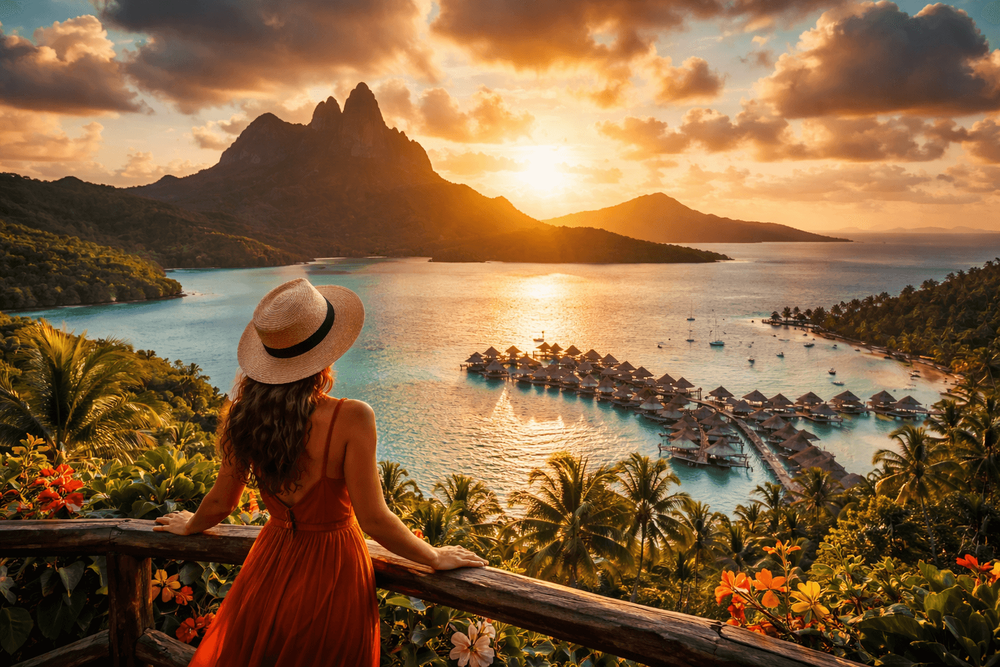
- Bora Bora and the Society Islands, French Polynesia: Mount Otemanu stitches a lagoon of blues that defy a paintbox. Reef sharks ghost by over sugar sand; the air tastes of coconut and salt. Offshore motus offer privacy and birdcall; time moves on island logic.
- The Kimberley, Western Australia: Where the continent frays into gorges and boab silhouettes. Horizontal waterfalls churn tidal alchemy; rock art archives millennia of story. Best explored by expedition cruise or 4WD when dry-season skies are hard blue.
The Americas
- Patagonia, Chile and Argentina: Granite horns, calving glaciers, and grasslands that dance under a wind with opinions. Torres del Paine’s W and O circuits are pilgrimages; Los Glaciares frames Fitz Roy like a blade. Estancias add yerba mate rituals and asados under big skies.
- Atacama Desert, Chile: Salt flats sparkle with mirages; flamingos blush in lagoons; volcanoes sketch horizons. Nights unfold with constellations bright enough to read by. Base in San Pedro for geysers at dawn and valleys sculpted in moonlight.
- Canadian Rockies, Canada: Glacial lakes like poured turquoise, lodgepole pines casting balsam-scented shade, and peaks wearing permanent snow crowns. Banff and Jasper unwind by scenic highways; backcountry huts keep solitude sacred.
- Big Sur, California, USA: Cliffs plunge to kelp forests; fog drifts like silk; redwoods hold the scent of rain. The Pacific Coast Highway rides every curve; condors wheel at eye level.
- The Yucatán, Mexico: Cenotes flash with Caribbean blues under limestone domes; Mayan ruins step into jungle; coastal biospheres hive with birdlife. Tacos sing with lime and habanero.
Africa
- Namib Desert, Namibia: A chromatic study in sand—terracotta dunes breaking like waves, blackened camel thorn trees on salt-white pans, the Atlantic pawing at Skeleton Coast fogbanks. Dawn climbs up Big Daddy; nights vibrate with stars.
- Seychelles: Granite spires cradle coves where the sea flattens to glass. Coco de mer palms arch overhead; tortoises amble like old sailors. Marine parks work hard; visitors work soft—snorkel, paddle, tread lightly.
- Atlas Mountains and Sahara, Morocco: Cedar forests and Berber villages above Marrakech’s kaleidoscope, then dunes rolling forever. Gnawa rhythms, mint tea, and desert camps where the Milky Way spills through tent flaps.
- Okavango Delta, Botswana: A river that decides to become a garden. Reeds whisper; mokoro canoes ghost among lilies; elephants make their own paths, water beading off their flanks.
- Lalibela and the Highlands, Ethiopia: Churches hewn from living rock, incense pooling in light shafts, and a highland tapestry of terraces and gelada monkeys on escarpments.
Hidden Angles and Lesser-Known Neighbors
- Europe: Trade Santorini’s cliff crowds for the caldera path at sunrise, then ferry to Ano Koufonisi, where the Aegean thrums at human volume. In the Dolomites, choose shoulder-season rifugi (late September) when larches go gold and trails exhale.
- Asia: Visit Kyoto’s Arashiyama bamboo grove before dawn, then drift to lesser-trod Gio-ji Temple, where moss glows like velvet. In Nepal, trek the Manaslu Circuit—Annapurna’s quieter twin—with teahouse comfort and fewer footfalls.
- Oceania: In New Zealand, chase the Catlins’ sea caves and petrified forest; most travelers drive past. In Bora Bora, kayak to sunrise on the lagoon’s eastern side for rays without an audience.
- The Americas: Choose El Chaltén in October or April—Patagonia’s shoulder months—when winds hush, and lenga forests flame or fade. In the Yucatán, swim cenotes near Valladolid and Homún, arriving as gates open.
- Africa: In Namibia, climb Sossusvlei’s dunes by moonlight on a full-moon night run (when permitted); shadows write different stories. Near the Sahara’s Erg Chigaga, ride with nomads to find fossil beds that hold oceans in stone.
When to Go and How to Plan
- Alps and Fjords (May–October): Snowmelt opens high passes by late June; wildflowers peak in July; September brings crisp air and thin crowds. Combine the Dolomites with the Julische Alpen via train to Ljubljana.
- Mediterranean (April–June, September–October): Spring’s wild herbs and autumn’s bath-warm seas trump midsummer busyness. Thread Cycladic islands by ferry; allow the itinerary to breathe.
- Himalaya (March–May, October–November): Clear skies and rhododendron blossom in spring; fall brings stable trekking weather. Build in acclimatization days and buffer time for mountain moods.
- Oceania (October–April in New Zealand; May–September in the Kimberley): Chase long daylight in the South Island’s summer; seek the Kimberley’s dry-season tracks when roads are open and waterfalls stage.
- The Americas (Patagonia: October–April; Rockies: June–September; Big Sur: September–November): Patagonia’s austral summer has the longest windows; Rockies’ lakes thaw by June; Big Sur shines after summer fog retreats.
- Africa (Namibia: May–October; Okavango: June–August; Morocco: March–May, September–November): Dry seasons concentrate wildlife and carve hard horizons; shoulder months sweeten temperatures in the Atlas and Sahara.

EPICKA Universal Travel Adapter, European Travel Plug Adapter (Not a Voltage Converter) - International Power Adapter Worldwide Charger with USB-C & 4 USB-A Ports, Travel Essentials (TA-105, Grey)
View on AmazonSuggested itineraries:
- Ten Days in the Dolomites and the Fjords: Fly into Venice; 4 days Alta Badia hikes and rifugi; train to Innsbruck then Zurich; night train to Bergen; 3 days fjords by ferry and rail; overnight in a rorbu on Lofoten to end.
- A Fortnight in Asia’s Contrasts: Tokyo–Kyoto city and temple immersion (5 days), flight to Nepal for a 5-day teahouse trek and 2 days in Kathmandu Valley, finish with 2–3 days in Hoi An’s old town and countryside.
- Two Weeks of Southern Hemisphere Wilds: Christchurch loop to Fiordland and Aoraki (7 days), flight to Hobart for 4 days of Tasmanian wilderness and art, cap with 2 nights on a Society Islands motu.
- Andes to Pacific: Santiago to Atacama (4 days), fly south to Puerto Natales for the Torres del Paine W (5 days), then decompress on Chiloé Island with palafitos, oysters, and wooden churches.
Where to Stay and How to Experience Each Place Like a Local
- Sleep with a story: In Kyoto, ryokans offer tatami rooms, onsen baths, and kaiseki dinners that follow the seasons. In Morocco, riads thread courtyards scented with orange blossom. In the Dolomites, rifugi bake strudel and pour grappa after a day above tree line. In Patagonia, estancias teach the rhythm of wind, wool, and woodsmoke.
- Choose neighborhoods, not checklists: In coastal towns like Hoi An, stay near markets to join the dawn chorus of bargaining and breakfast noodles. In fjord country, base in villages that push right up to the water—kayaks at the door.
- Move at local speed: Walk when possible, cycle when sensible, and take the train when it’s there. Ferries in the Cyclades and water taxis in the Okavango are not just transport; they are vantage points.
- Eat the vernacular: Nurse a bowl of dal bhat in a Nepal teahouse; let Tasmanian pinot mingle with Bruny Island oysters; break bread (and tagine) on a Marrakech rooftop where storks drop in like oversized commas.
- Hire human guides: Naturalist-led hikes in New Zealand’s beech forests, Berber mountain guides in the Atlas, or Sami aurora storytellers in Arctic Norway turn place names into people and memory.
Responsible Travel Tips for Preserving Beauty
- Pack lighter, tread lighter: Fewer flights with longer stays; trains over planes when viable. On arrival, carry refillable bottles and filters; skip single-use plastics and the temptation to “collect” shells, stones, or coral.
- Pay the park fee gladly: Protected areas and conservation levies keep trails, reefs, and wildlife viable. Book permitted treks (like Inca Trail or Torres del Paine circuits) early to respect visitor caps.
- Snorkel and hike with care: Reef-safe sunscreen; no fins on fragile corals; keep drone use compliant and minimal near wildlife and sacred sites. Stay on paths—alpine meadows and desert crusts take years to heal.
- Choose lodgings that give back: Community-owned riads and safari camps, eco-lodges with water recycling, island stays funding reef nurseries. Ask where your money lands.
- Culture is not a backdrop: Dress with local norms in mind; ask before photographing people and ceremonies; learn a few words—even a thank you can shift an interaction from transaction to exchange.

GRAYL GeoPress 24 oz Water Purifier Bottle - Filter for Hiking, Camping, Survival, Travel (Bali Blue)
Versatile, fast, and ridiculously easy to use — the 24oz GeoPress Water Filter & Purifier Bottle <strong>requires zero setup, no sucking or squeezing, and makes 24 fl oz (710 ml) of clean purified
Check Price on AmazonFurther Reading on TravelAddict
- Bucket-List Destinations: A Curated Guide to the World’s Must-See Places (/experiences/bucket-list-destinations-curated-guide)
- Best Beaches in the World: Expert Picks for Every Kind of Traveler (/experiences/best-beaches-in-the-world-expert-picks)
- Best Places to Visit in Japan: Cities, Countryside & Seasonal Highlights (/experiences/best-places-to-visit-in-japan-cities-countryside-seasonal-highlights)
- Unforgettable Nepal: Himalayan Treks, Spiritual Cities & Jungle Adventures (/experiences/unforgettable-nepal-himalayan-treks-spiritual-cities-jungle-adventures)
- Best Places to Visit in South America — Top Destinations & When to Go (/experiences/best-places-to-visit-in-south-america-top-destinations-when-to-go)
The most beautiful places in the world are not a finite list but a living atlas. Seasons change the light; communities evolve their welcome; travelers arrive with new questions. The lucky ones learn to seek not just the postcard but the pause—the held breath before dawn, the aftertaste of a spice, the small courtesy in a market stall—where beauty becomes belonging.
Recommended Travel Gear
Lonely Planet Lonely Planet's Ultimate Travel List: The Best Places on the Planet ...Ranked: Planet, Lonely
The second edition of Lonely Planet’s bestseller presents <strong>an all-new ranking of the greatest places to visit on Earth</strong>, reflecting the travel tastes and trends of today’s world.
GRAYL GeoPress 24 oz Water Purifier Bottle - Filter for Hiking, Camping, Survival, Travel (Bali Blue)
Versatile, fast, and ridiculously easy to use — the 24oz GeoPress Water Filter & Purifier Bottle <strong>requires zero setup, no sucking or squeezing, and makes 24 fl oz (710 ml) of clean purified
EPICKA Universal Travel Adapter, European Travel Plug Adapter (Not a Voltage Converter) - International Power Adapter Worldwide Charger with USB-C & 4 USB-A Ports, Travel Essentials (TA-105, Grey)
Amazon.com : EPICKA Universal Travel Adapter, European Travel Plug Adapter (Not a Voltage Converter) - <strong>International Power Adapter Worldwide Charger with USB-C & 4 USB-A Ports, Travel Esse