
Hidden Argentina: Off-the‑Beaten‑Path Destinations & Authentic Experiences
Beyond Buenos Aires and big-name parks, Argentina’s wild edges—wetlands, lunar valleys, high puna, and quiet Patagonian lakes—reward the curious traveler.
Mood
Remote Frontiers
At dawn the puna exhales a breath of frost. The sky over Jujuy is a cobalt vault, the air a crisp ribbon that tastes of salt and sun. Vicuñas step silently across an ocher plain scored by ancient lava, and somewhere beyond the horizon a kettle of condors rides the wind above impossible cliffs. For travelers seeking off-the-beaten-path destinations in Argentina, this is the country at its wildest: sculpted by geology and time, animated by resilient communities, and best approached with patience, curiosity, and a sense of wonder.
Off-the-Beaten-Path Destinations in Argentina: Regional Must-Sees

Lonely Planet Argentina (Travel Guide): Albiston, Isabel, Brown, Cathy, Clark, Gregor, Egerton, Alex, Grosberg, Michael, Kaminski, Anna, McCarthy, Carolyn, Mutic, Anja, Skolnick, Adam
Covers Buenos Aires, The Pampas ... del Fuego, Uruguay · The Perfect Choice: Lonely Planet’s Argentina, <strong>our most comprehensive guide to Argentina</strong>, is perfect for both exploring top si
Check Price on AmazonLa Puna of Jujuy & Salta
The high-altitude plateau of the northwest begins where the breath shortens—between 3,400 and 4,500 meters. Here, adobe hamlets cling to terraced hillsides, salt flats dazzle under a sun that shows no mercy, and the silence feels cathedral-like. The Salinas Grandes shimmer like a frozen sea; the climb over the Cuesta de Lipán unspools switchbacks to the sky; and remote tracks near Susques and Catua reveal polychrome badlands, petroglyphs, and llama caravans at daybreak. Expect thin air, stark beauty, and a profound sense of smallness.
Cafayate & the Calchaquí Valleys (Salta & Tucumán)
South of Salta, Ruta 68 threads the Quebrada de las Conchas—cinnabar cliffs and wind-carved amphitheaters—before entering Cafayate’s oasis of vines. This is the cradle of Torrontés, Argentina’s aromatic white, poured by boutique bodegas tucked among carob trees. Continue along Ruta 40 through the Calchaquí Valleys for cactus-dotted slopes, colonial churches with sun-bleached facades, and the adobe silences of Molinos and Seclantás. It’s a landscape that tastes of anise and orange blossom and hums with folk guitars at night.
Esteros del Iberá (Corrientes)
Across northeastern Corrientes, the Iberá wetlands are a mirror mosaic: floating islands of water hyacinth, amber lagoons, and ribbons of marsh grass that rustle with life. Caiman sun themselves on muddy banks; capybaras plod through reeds; jabiru storks patrol the margins; and, thanks to ambitious rewilding efforts, marsh deer and giant anteaters again haunt the savanna. Boat channels at dawn, night safaris under vast starfields, and the soft, swamp-scented breeze make this one of Argentina’s most intimate wildlife encounters.
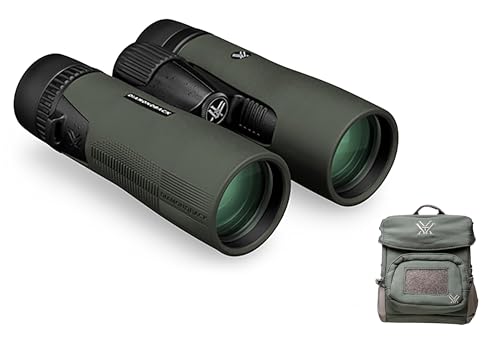
Vortex Optics Diamondback 10x42 Roof Prism Binocular ...
Vortex Optics Diamondback HD 8x42 Binoculars - HD Optical System, Non-slip Grip, Waterproof, Fogproof, Shockproof, Included GlassPak - Unlimited, Unconditional Warranty
Check Price on AmazonIschigualasto & Talampaya (San Juan & La Rioja)
The Triassic breathes in this UNESCO-listed duo of parks, where geology reads like a paleontologist’s prayer book. Ischigualasto—Valle de la Luna—ripples in ash-gray domes, hoodoos, and petrified logs; across the provincial border, Talampaya’s vermilion walls rise like organ pipes. Official circuits navigate fossil beds and sandstone cathedrals while guides sketch dinosaurs in dust with a stick. The light here—morning pewter, afternoon copper—makes everything seem both very old and startlingly present.
Los Alerces & the Lesser-Known Patagonian Lakes (Chubut)
In northern Patagonia, beyond the familiar hubs, Los Alerces National Park invites quiet pilgrimage. A UNESCO World Heritage site, it shelters millennia-old alerce trees and a chain of glacial lakes—Futalaufquen, Rivadavia, Menéndez—stitched together by jade rivers. Trails slip into coihue forests scented with resin; rowboats bump softly against wooden jetties; and the wind carries a cool whisper of ice. East of the crowds, the pace is measured in paddle strokes and campfire pops.
Península Valdés (Chubut)
An Atlantic steppe dissolving into sea cliffs and turquoise coves, Península Valdés is a sanctuary for marine drama. Southern right whales roll and breach close to shore; elephant seals nap in louche heaps; and penguins commute with comic determination. Visit in shoulder seasons for solitude on gravel roads that lead to bluffs where the ocean smells metallic and cold, and the only sound is surf colliding with stone.
Campo de Piedra Pómez & Antofagasta de la Sierra (Catamarca)
This high, remote desert is a labyrinth of wind-sculpted pumice—ivory waves frozen mid-tumble across a black volcanic plain. Near the hamlet of El Peñón, 4x4 tracks weave toward lookout points that reveal an infinity of ridges and chimneys, with Andean volcanoes standing sentinel on the horizon. Flamingos paint Laguna Grande a tutu-pink in summer, and wildness reigns in all seasons.

Garmin inReach Mini 2, Lightweight and Compact Satellite Communicator, Hiking Handheld, Orange - 010-02602-00
Home is closer than you think with inReach® Mini 2. This <strong>compact satellite communicator adds peace of mind to your adventures without adding weight to your pack</strong>. (Some jurisdictions r
Check Price on AmazonTraslasierra Valley & Quebrada del Condorito (Córdoba)
Over the Camino de las Altas Cumbres, Córdoba’s sierras drop into Traslasierra: a sun-warmed corridor of olive groves, artisanal cheesemakers, and rivers that gather in polished granite pools. Small villages—Nono, San Javier—exhale a bohemian calm. In Quebrada del Condorito National Park, condors tilt over a chasm stitched with sunlight, their shadows cruising scrub and stone. The hiking is generous, the pace forgiving.
Authentic Experiences to Recommend
Community and estancia stays: In the northwest, Kolla- and Diaguita-run guesthouses open doors to ancestral weaving, quinoa fields, and shared tables where humita steams in corn husks. In Corrientes and Patagonia, estancias introduce the cadence of ranch life—maté at dawn, saddle leather and river crossings, stars that feel near enough to pocket.
Guided wildlife safaris and boat trips: In Iberá, flat-bottomed boats nose among lilies for caiman eye-shine and kingfishers. On Valdés, licensed guides facilitate whale watching and shorebird rambles, reading winds and tides that make or break sightings. For ideas on vetted operators and when to go, browse Must-Do Sightseeing Tours in Argentina (/experiences/sightseeing-tours-in-argentina).
4x4 and overland routes: The upper reaches of Ruta 40 and the tracks around Campo de Piedra Pómez demand high clearance and navigation savvy. The reward is independence: salt flats that appear like a mirage, canyons where you’ll be the only tire tracks for hours, and Andean passes that smell of cold stone.
Horseback treks: Gaucho-led rides climb the cactus slopes above Cafayate, canter through Córdoba’s golden grasslands, or trace Patagonian lake shores where the wind frets the water into scales. Expect sore legs and a thrilled quiet.
Cave and fossil visits: Ranger-led circuits at Ischigualasto and Talampaya bring deep time to life through fossil sites and surreal rock forms. Nearby museums in Valle Fértil and Villa Unión add context with Triassic casts and careful exhibits.
Local food and festival immersion: Taste Torrontés in shadowed barrel rooms, try empanadas salteñas pinched by practiced thumbs, and sit late at a Peña folklórica where zambas and chacareras lift dancers to their feet. In Corrientes, chamamé thrums in the plazas; in the northwest, offerings to Pachamama knit earth and sky. Food-forward travelers can go deeper with curated tastings and neighborhood markets via Savor Argentina: Authentic Local Food Tours & Culinary Experiences (/experiences/local-food-tours-in-argentina).
Curated places to stay that elevate these experiences include Patios de Cafayate (booking-url), which occupies a 19th‑century bodega of thick adobe walls and vine-framed courtyards; Rincón del Socorro (booking-url) in Iberá, a restored estancia at the heart of rewilding efforts where dusk safaris begin at your doorstep; and Estancia Rincón Chico (booking-url) on Península Valdés, a family-run ranch with exclusive access to lonely beaches and the nightly bark of sea lions on the wind.
Timing, Access & Logistics
La Puna (Jujuy/Salta)
- Best season: April–May and August–November for clear skies; avoid peak summer rains (January–March) that can wash out tracks.
- Getting there: Fly into Salta or Jujuy. From Salta city to Purmamarca is ~2.5 hours; Purmamarca to Salinas Grandes is another hour over the Cuesta de Lipán. Beyond that, distances stretch fast.
- Road notes: High-altitude gravel (ripio) and salt-flat glare. 4x4 essential for remote tracks and forays past well-traveled routes; carry extra water and fuel.
- Stays: Family-run hosterías and community lodges; very limited services between towns.
- Guides/permits: Local guides strongly recommended for remote puna tracks and sacred sites; drones are not allowed in many protected areas.
Cafayate & the Calchaquí Valleys
- Best season: March–May (harvest) and September–November (wildflowers, mild heat). Winter is sunny and crisp.
- Getting there: Salta to Cafayate by RN68 is ~3–4 hours; Cafayate to Cachi via RN40 and the Recta del Tin Tin is a long, scenic day on gravel.
- Road notes: Mixed paved and good ripio; 2WD is fine in dry weather, but drive slow.
- Stays: Boutique bodegas, colonial inns, and adobe guesthouses.
- Guides/permits: No permits needed; arrange winery visits in advance during harvest.
Esteros del Iberá
- Best season: April–November (drier, cooler, fewer mosquitoes). Summer is lush but hot and buggy, with afternoon storms.
- Getting there: Fly to Corrientes or Posadas. Colonia Carlos Pellegrini is ~2–3 hours from Mercedes on gravel depending on recent rains; Ituzaingó offers another access portal.
- Road notes: Flood-prone clay tracks; 2WD manageable in the dry, 4x4 advisable in or after rains.
- Stays: Estancias and eco-lodges with full-board and guided outings.
- Guides/permits: Park fees apply; boat excursions require authorized guides.
Ischigualasto & Talampaya
- Best season: March–May and September–November; summer brings extreme heat and violent afternoon winds.
- Getting there: Fly to San Juan or La Rioja. San Juan city to Ischigualasto is roughly 4 hours via RN150; Villa Unión to Talampaya is ~1.5 hours.
- Road notes: Mostly paved approach; inside the parks, visitors follow guided vehicle circuits.
- Stays: Simple hosterías in Valle Fértil (San Agustín) and Villa Unión; a few campgrounds.
- Guides/permits: Mandatory guided circuits inside both parks; no off-trail wandering.
Los Alerces & Northern Patagonia Lakes
- Best season: December–March for trekking and boating; November and April are crisp, quiet shoulders.
- Getting there: Fly into Esquel (closest) or Bariloche; Esquel to Villa Futalaufquen is about 1 hour.
- Road notes: Paved to park gates; well-maintained ripio within. 2WD sufficient in summer, but check wind and fire conditions.
- Stays: Lakeside lodges, cabins, and national-park campsites; some remote refugios reached by boat or trail.
- Guides/permits: Boat shuttles and guided walks to see ancient alerces must be reserved in season.
Península Valdés
- Best season: Wildlife shifts by month—southern right whales June–December (peak September–November); Magellanic penguins September–March; orcas often March–April.
- Getting there: Fly to Trelew or Puerto Madryn. Puerto Madryn to Puerto Pirámides is ~1.5–2 hours.
- Road notes: Long gravel spines across the steppe; 2WD is fine with caution and a full spare.
- Stays: Small inns in Puerto Pirámides and rural estancias on the peninsula.
- Guides/permits: Park fee at the isthmus; licensed operators for whale watching and colony visits.
Campo de Piedra Pómez & Antofagasta de la Sierra
- Best season: April–November for stable weather and transparent skies; summer thunderstorms can strand vehicles.
- Getting there: Fly to Catamarca or Salta. Antofagasta de la Sierra is an expedition—often 8–10 hours of mixed road from Catamarca city. El Peñón is the usual base for pumice-field excursions.
- Road notes: True high-desert overlanding: deep sand, unmarked tracks, big altitude. 4x4, recovery gear, and local knowledge essential.
- Stays: Rustic hosterías and family lodgings; bring cash.
- Guides/permits: Local guides are the rule rather than the exception; fragile terrain requires strict leave-no-trace.
Traslasierra & Quebrada del Condorito
- Best season: September–November and March–May for golden light and gentle temperatures. Summer brings afternoon storms and lively river-swims.
- Getting there: Fly to Córdoba. The Altas Cumbres road to Mina Clavero takes ~3–4 hours depending on stops.
- Road notes: Well-paved mountain highway; side roads are ripio. 2WD fine.
- Stays: Country posadas, riverside cabins, and agritourism stays.
- Guides/permits: Free entry to Quebrada del Condorito; register at the ranger station, respect cliff-edge barriers.
For travelers mixing splurges with soulful remoteness, Patagonia and Mendoza pair beautifully; more on standout high-end stays can be found in Inside Argentina’s Finest Luxury Lodges: From Patagonia Glaciers to Mendoza Vineyards (/experiences/luxury-lodges-in-argentina-patagonia-mendoza). Budget-first explorers stringing together long bus rides and rustic hostels will find region-by-region intel in Argentina on a Dime: Best Budget Hostels for Backpackers and Savvy Travelers (/experiences/budget-friendly-hostels-argentina).
Responsible Travel & Practical Tips
Cultural respect: The northwest is alive with Indigenous heritage and living tradition. Ask before photographing people or ceremonies; don’t pocket pottery shards or stones from sacred sites. When invited to share a maté gourd, accept with gratitude.
Wildlife etiquette: On water or land, keep a respectful distance—binoculars, not breadcrumbs. Night drives use red light sparingly; never chase or encircle animals for a better shot. Drones are generally prohibited in parks and near wildlife.
Environmental care: On the pumice fields, stay on existing tracks; tire scars can last for years. Pack out all trash. In Patagonia, heed fire bans—winds turn sparks into tragedy.
Health and safety: Altitude in the puna is real—ascend gradually, hydrate, and avoid alcohol on arrival. Iberá has mosquitoes and midges; long sleeves at dusk and repellent help. Summer in Cuyo is furnace-hot; carry more water than you think you need. In all remote zones, tell someone your route and ETA.
Packing: Layered clothing (including a windproof shell), sun hat, high-SPF sunscreen, lip balm, sturdy boots, headlamp, water purification, and a lightweight down jacket for mountain nights. In wetlands: quick-dry pants and a light buff for insects. For driving: a paper map, offline maps, and a full-size spare.
Money and connectivity: ATMs and card readers thin out quickly beyond provincial capitals. Carry sufficient pesos in small denominations. Mobile data fades in parks and highlands; download offline maps and keep key contacts on WhatsApp for when you resurface.
Fuel and distances: Fill up at every opportunity and keep a realistic pace—ripio punishes haste. Sample realities: Salta–Cafayate 3–4 hours; San Juan–Ischigualasto ~4 hours; Esquel–Futalaufquen 1 hour; Mercedes–Iberá (Carlos Pellegrini) 2–3 hours; Puerto Madryn–Puerto Pirámides 1.5–2 hours; El Peñón–Campo de Piedra Pómez roughly 1 hour of slow 4x4.
Building an itinerary: Consider one-region deep dives of 7–10 days—Northwest loop (Salta–Cafayate–Calchaquí hamlets–puna out-and-back), Wetlands and Missions (Iberá with a hop to Jesuit ruins in Misiones), or Wild Cuyo (Ischigualasto–Talampaya with a wine interlude). Patagonia benefits from time; pair Los Alerces with a quieter Atlantic finale on Valdés for a two-week arc that tastes both forest resin and sea salt.
Seekers of off-the-beaten-path destinations in Argentina discover not emptiness but presence: the quiet industry of wind shaping stone, the choreography of wildlife in wetlands and surf, the steadfast cadence of rural life. Long after the road dust settles, what remains is a palate of textures—the crunch of salt underfoot, the velvet of Torrontés on the tongue, the wing-shadow of a condor crossing your path—and the knowledge that the country reveals its richest stories where the map fades to white.
Recommended Travel Gear
Lonely Planet Argentina (Travel Guide): Albiston, Isabel, Brown, Cathy, Clark, Gregor, Egerton, Alex, Grosberg, Michael, Kaminski, Anna, McCarthy, Carolyn, Mutic, Anja, Skolnick, Adam
Covers Buenos Aires, The Pampas ... del Fuego, Uruguay · The Perfect Choice: Lonely Planet’s Argentina, <strong>our most comprehensive guide to Argentina</strong>, is perfect for both exploring top si
Vortex Optics Diamondback 10x42 Roof Prism Binocular ...
Vortex Optics Diamondback HD 8x42 Binoculars - HD Optical System, Non-slip Grip, Waterproof, Fogproof, Shockproof, Included GlassPak - Unlimited, Unconditional Warranty
Garmin inReach Mini 2, Lightweight and Compact Satellite Communicator, Hiking Handheld, Orange - 010-02602-00
Home is closer than you think with inReach® Mini 2. This <strong>compact satellite communicator adds peace of mind to your adventures without adding weight to your pack</strong>. (Some jurisdictions r