
Smart Travel Tips for Exploring Belarus
Visa rules, safety, money, transport, and etiquette—smart, field-tested travel tips for exploring Belarus with confidence and cultural finesse.
Mood
Savvy Explorer
A silvery dawn settles over Minsk as the metro doors sigh open and commuters step onto tiled platforms warmed by the aroma of fresh rye bread. In the old quarter, shopkeepers polish brass handles while church bells skim the cold morning air. This is an eminently navigable country—forests stitched with wooden villages, cities anchored by grand Soviet boulevards and Baroque spires—yet it rewards travelers who arrive prepared. These smart, field-tested travel tips for exploring Belarus will help you move through the country with confidence, courtesy, and a deeper sense of place.
Entry, Visas and Legal Rules to Check Before You Go
Belarus’s entry rules shift with the geopolitical weather, so verifying details close to departure is essential. Treat the following as a framework and always confirm with official government sources and your embassy or consulate.

Belarus: Roberts, Nigel
This new, thoroughly updated edition of Bradt’s Belarus remains <strong>the only full-blown standalone guide to the most westerly of the constituent republics that formed the Soviet Union prior to the
Check Price on Amazon- Visa and visa‑free schemes: Belarus has offered a mix of visa‑free entry (for certain nationalities and routes) and standard visas issued by embassies or via authorized channels. The eligibility list, permitted points of entry, and allowed duration can change. Check your specific passport rules and any requirements tied to arriving by air versus land borders.
- Passport and onward travel: Ensure your passport is valid for at least six months beyond your travel dates and carries several blank pages. Proof of onward or return travel and accommodation may be requested.
- Registration requirements: Stays beyond a short threshold may require registering your address with the authorities. Hotels typically handle this automatically, while private stays may require online registration or a visit to a local office; keep copies of any slips or confirmations.
- Insurance: Belarus has historically required proof of medical insurance with specified coverage. Bring a printed policy summary and keep a digital backup.
- Border zones and checkpoints: Some regions near international borders are designated “border zones” and require advance permits. Do not wander into restricted areas, and carry your passport at all times. Internal checkpoints are professional but formal—reply calmly, present documents promptly, and keep photos of your hotel registration handy.
- Embassy contacts: Save the contact details of your embassy in Minsk, or the nearest mission in a neighboring capital if yours is not represented. Note 24/7 emergency numbers and store them offline.
Travelers mapping a first itinerary can cross‑reference entry timing with seasonal conditions; for month‑by‑month insights, see When to Visit Belarus: Best Months for Weather, Wildlife, Festivals & Low‑Season Travel (link: /experiences/best-time-to-visit-belarus).
Safety, Political Context and Responsible Behavior
Belarus is hospitable and proud of its orderliness. Sensible precautions—plus cultural awareness—go a long way.
- Understand advisories: Review your government’s current travel advisory before booking and again just prior to departure. Conditions can change quickly.
- Avoid political gatherings: Steer clear of protests, rallies, or large demonstrations. Do not photograph or film them; bystanders can be questioned.
- Photography limits: Refrain from photographing police, military personnel, government buildings, transport hubs, border infrastructure, or checkpoints. When in doubt, ask permission or put the camera away.
- Drone rules: Recreational drone use is tightly controlled and often requires permits; many areas are outright no‑fly zones. Unless you have formal authorization, it’s best to leave drones at home.
- Interaction with authorities: Be polite, concise, and respectful. Carry your passport and registration at all times. If stopped, show documents without argument and comply with instructions.
- Night safety: Belarusian cities are generally orderly, but late‑night common sense applies—use licensed taxis or reputable apps, stay in well‑lit areas, and keep valuables understated.
- Cultural respect: Memorials and war cemeteries are solemn spaces; observe a quiet tone, remove hats, and avoid food or drink on site. Dress modestly in churches and cover shoulders when requested.
For travelers interested in context—architectural eras, WWII memory, and post‑Soviet transitions—Belarus Through Time: Key Historical Sites, Stories, and Practical Tips (link: /experiences/historical-sites-in-belarus) adds depth to on‑the‑ground observations.
Travel Tips for Exploring Belarus: Money, Tech and Staying Connected
Cash still powers much of daily life beyond the cities. Plan for a hybrid approach so payments keep working whether you’re browsing a Minsk gallery or negotiating forest tracks to a lakeside guesthouse.
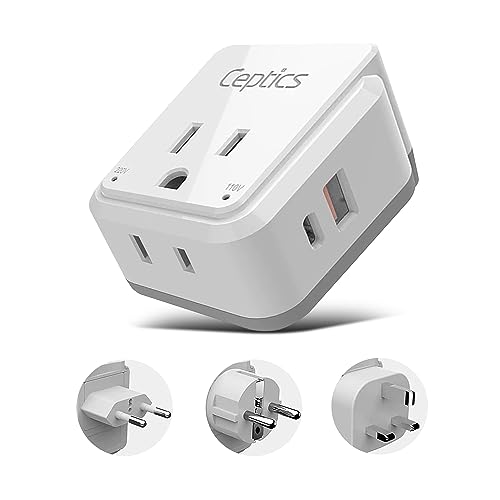
Ceptics European Plug Travel Adapter Set, 20W PD & QC, Safe Dual USB & USB-C - 2 USA Socket - Compact - Use in Germany, France, Italy, UK - Includes Type E/F, Type C, Type G SWadAPt Attachments
View on Amazon- Currency: The Belarusian ruble (BYN) is the official currency. Exchange money at banks or licensed exchanges; keep receipts. Small towns may not accept foreign cash.
- Cards and ATMs: Major cards work more reliably in Minsk and regional capitals; sanctions and network issues can affect acceptance. Outside cities, assume cash is king. ATMs are common in urban centers but sparse in villages—withdraw before you head out.
- Backup cash: Carry a modest reserve in EUR or USD as contingency, stored separately. Do not count on using foreign cash directly for purchases.
- Taxis and rides: Many drivers prefer cash; apps can help with pricing but connectivity may wobble. Screenshot pick‑up points and fares.
- Connectivity: Local SIM and eSIM options from major providers are widely available with passport registration. Data is affordable; speed is best in cities and along major highways. Expect patchier coverage in forests and national parks.
- Essential apps: Download offline maps and translation packs in advance. A privacy‑focused VPN can help with security and access, where lawful—use in compliance with local regulations. Keep digital copies of your documents in an encrypted folder.
- Redundancy plan: Write down your hotel address in Russian or Belarusian, keep an emergency contact on paper, and learn a few key phrases for directions and help.
Getting Around Belarus: Transport and Accommodation Realities
Belarus lends itself to slow travel. Rail lines knit together handsome provincial cities; buses thread into villages framed by birch and peat bog. With a little planning, the country’s infrastructure is straightforward.
Public transport and intercity logistics
- Trains: Rail is the backbone for intercity journeys—generally punctual, affordable, and comfortable. Reserve seats for long‑distance routes; bring snacks for late runs.
- Buses and marshrutkas: Intercity buses and minibuses fill the gaps. Buy tickets at stations or kiosks; arrive early for popular departures. Minibuses may leave once full.
- Urban transport: Minsk’s metro is fast and intuitive, with announcements in multiple languages on newer lines. In other cities, trolleybuses and buses are reliable and inexpensive.
Driving and car rental
- Documentation: An International Driving Permit (IDP) is often recommended alongside your home license. Carry originals; photocopies won’t suffice at checkpoints.
- Road conditions: Highways are generally well maintained; rural lanes can be potholed, muddy in spring, or icy in winter. Obey speed limits—automated cameras are common.
- Fuel and supplies: Service stations cluster near cities and main highways. Outside major routes, keep the tank topped up and carry water and snacks.
- Navigation and etiquette: Signage uses Cyrillic; offline maps and transliterated addresses help. Keep a low profile, yield to pedestrians, and avoid pulling over near official buildings or infrastructure.
Booking accommodation and registration
- Booking platforms: International platforms operate inconsistently; local sites and direct booking with hotels or guesthouses can be more reliable, especially during festivals and summer weekends near popular lakes.
- Registration: Hotels typically register guests automatically—ask for a copy of the slip. For private flats or countryside stays, confirm in advance who handles registration and what documents you’ll need upon arrival.
- What to expect: Rooms err on the practical rather than flamboyant—think high water pressure, warm radiators, and hearty breakfasts. In smaller towns, English may be limited at reception; a translation app helps.
Two or three characterful bases can anchor a first trip:
- The Hotel Europe presides over central Minsk with Old‑World poise—think polished wood, skyline views, and a breakfast table laden with cottage cheese pancakes and buckwheat honey.
- For a countryside interlude, the Nesvizh Palace Hotel places travelers inside a UNESCO‑listed architectural ensemble, where sunrise strolls circle mirror‑still canals and linden alleys.
- In Brest, the Hermitage Hotel offers a refined perch for visiting the fortress complex, with generous rooms and a staff practiced in smoothing out onward travel.
Those mapping days around marquee sights can cross‑check with Top Attractions in Belarus — Must‑See Sights & Unique Experiences (link: /experiences/top-attractions-in-belarus-must-see-sights-unique-experiences) for on‑the‑ground inspiration.
Local Customs, Health and Seasonal Packing
Belarusian hospitality is understated but sincere: a neighbor insists you taste pickled mushrooms, a station master points you to the right platform without fuss. Small courtesies and a few phrases open doors.
Language basics
- Belarusian and Russian are both official; Russian is widely used in cities, Belarusian more common in cultural contexts and rural areas. English is growing among younger people but is not universal.
- Handy words: Zdravstvuyte (formal hello), Dzyakuy / Spasibo (thank you in Belarusian/Russian), Pozhaluysta (please/you’re welcome), Izvinite (excuse me), Skol’ko stoit? (how much is it?), Gde metro/vokzal? (where is the metro/station?). Keep phrases written in Cyrillic to show if pronunciation stumbles.
Etiquette and social cues
- Public spaces: Queues are orderly; keep voices low on public transport. Seats are often offered to elders—follow suit.
- Homes and churches: Remove shoes when entering a private home; cover shoulders in churches and avoid flash photography inside.
- Toasts and table manners: Hosts may pour; clink glasses lightly, maintain eye contact, and place bread back on the table cloth, not the plate rim. A 5–10% tip in cafes and restaurants is appreciated where service isn’t already included.
Health, medicine and insurance
- Pharmacies: Look for “Apteka.” Staff can advise on over‑the‑counter remedies, but prescriptions are needed for stronger medications. Bring sufficient supplies of personal medicines in original packaging, plus a translated list of active ingredients.
- Water and food: Tap water quality varies; drink bottled or boiled water if in doubt. Markets brim with seasonal produce and preserved goods—perfect for train snacks.
- Nature and insects: In forested areas during late spring and summer, consider tick precautions—closed shoes, long sleeves, and a repellent containing DEET or picaridin. Pack a small first‑aid kit.
- Insurance and emergencies: Carry proof of travel medical insurance and store a digital copy offline. Emergency numbers: 112 (general), 101 (fire), 102 (police), 103 (ambulance). Share your itinerary with a trusted contact, especially if hiking or driving long rural stretches.
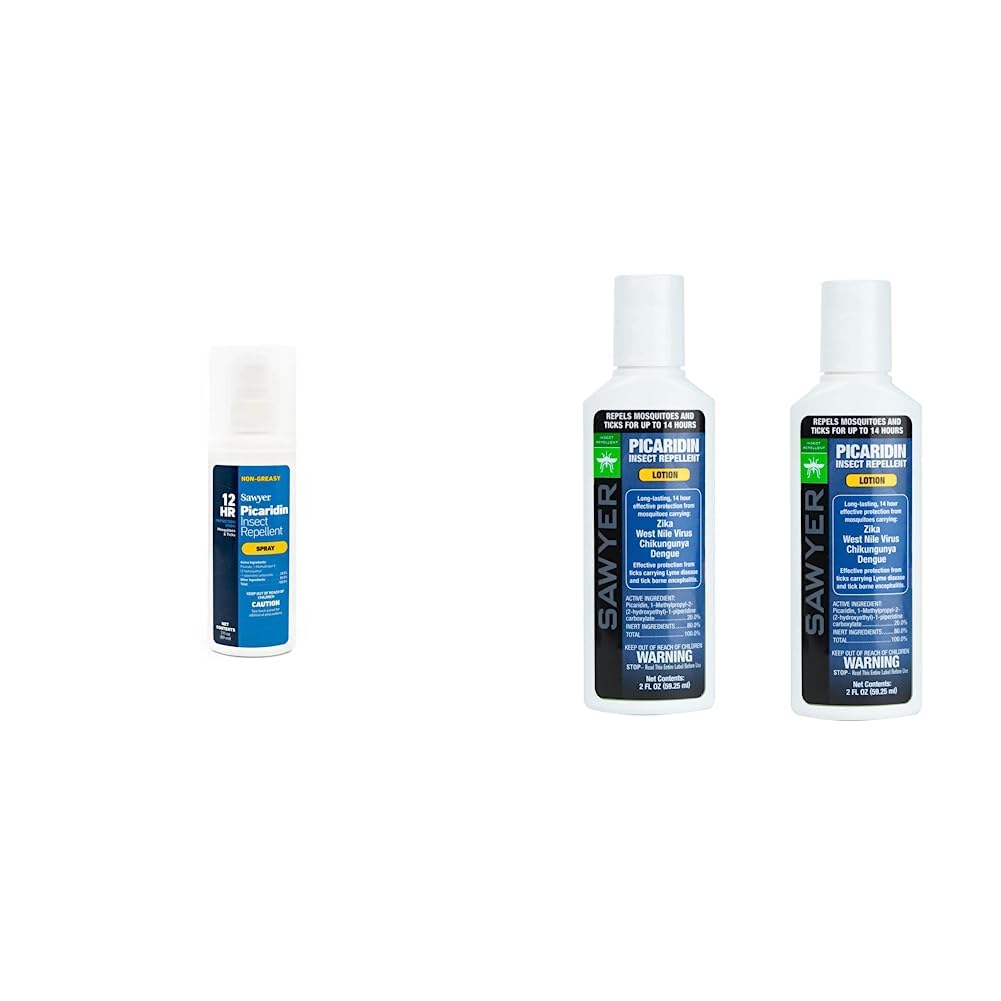
Sawyer Products SP5622 Picaridin Insect Repellent Lotion, 20% Picaridin, 2-Ounce, Twin Pack
View on AmazonWhat to pack by season
- Winter (roughly November–March): Temperatures can plunge well below freezing. Pack a down coat, thermal base layers, windproof gloves, a wool hat, insulated boots with tread, and traction aids if you plan to walk on ice‑slick sidewalks. Many interiors are toasty—layering helps.
- Shoulder seasons (April–May, September–October): Unpredictable skies. A waterproof shell, warm mid‑layer, and shoes that can handle damp sidewalks keep you comfortable.
- Summer (June–August): Warm, often mild rather than scorching. Light layers for daytime, a sweater for cool evenings, and a compact umbrella. A swimsuit for lake country doesn’t go amiss.
Food is a cultural compass here. For a primer on where to chase draniki, kvass, and market stall delicacies, see Savoring Belarus: How and Where to Find Authentic Local Cuisine (link: /experiences/finding-local-cuisine-in-belarus).
Putting It All Together
With the practicals squared away, the joy is in choosing your cadence. Start with Minsk’s neoclassical avenues and galleries, then fold in a palace town like Mir or Nesvizh and a day in forest or lake country—Belovezhskaya Pushcha’s towering pines, perhaps, or the glassy expanse of Narach. If history pulls strongest, map your days around citadels, memorials, and village churches restored plank by plank. If nature calls, trade timetables for dirt roads and dawn mists.
Travelers who crave detail on what to see where will find a strong companion in Top Attractions in Belarus — Must‑See Sights & Unique Experiences (link: /experiences/top-attractions-in-belarus-must-see-sights-unique-experiences), while those tracing the country’s story across centuries can pair these tips with Belarus Through Time: Key Historical Sites, Stories, and Practical Tips (link: /experiences/historical-sites-in-belarus). To fine‑tune timing—harvest festivals, mushroom seasons, and deep‑winter sparkle—consult When to Visit Belarus: Best Months for Weather, Wildlife, Festivals & Low‑Season Travel (link: /experiences/best-time-to-visit-belarus).
As dusk collects over the lakes and the aroma of birch smoke hangs in the air, Belarus reveals its cadence: measured, quietly proud, hospitable in ways that are felt more than declared. Arrive with these travel tips for exploring Belarus, move gently, and the country will open—one orderly train carriage, one wooden village, one warm plate of potato pancakes at a time.
Recommended Travel Gear
Belarus: Roberts, Nigel
This new, thoroughly updated edition of Bradt’s Belarus remains <strong>the only full-blown standalone guide to the most westerly of the constituent republics that formed the Soviet Union prior to the
Ceptics European Plug Travel Adapter Set, 20W PD & QC, Safe Dual USB & USB-C - 2 USA Socket - Compact - Use in Germany, France, Italy, UK - Includes Type E/F, Type C, Type G SWadAPt Attachments
Ceptics European Travel Plug Adapter – Compact Type C & F Adapter with USB-C & A + USA Input – Safe Grounded Schuko Adapter – Travel Charger for France, Germany & More – CTU-9-9C-PK
Sawyer Products SP5622 Picaridin Insect Repellent Lotion, 20% Picaridin, 2-Ounce, Twin Pack
Sawyer 20% Picaridin topical spray is <strong>effective for up to 12 hours against mosquitoes and ticks (14 hours for the lotion),</strong> and the spray and lotion provide up to 8 hours of protection