
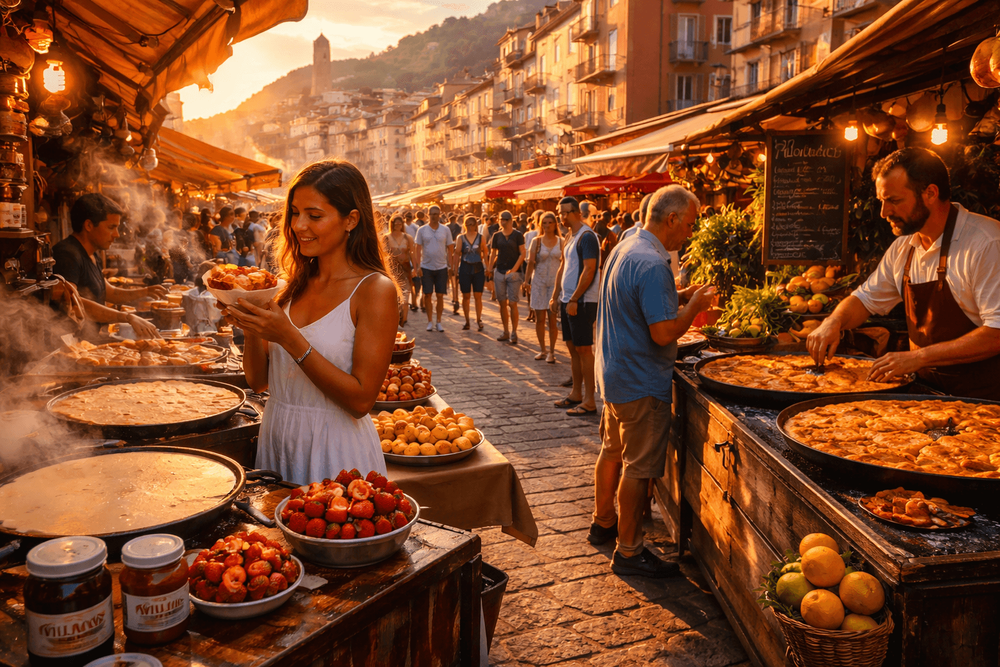
Street Food Adventures in France: Taste the Regions—from Crêpes to Socca
From buckwheat galettes in Breton markets to wood-fired socca in Nice, taste France’s streets and squares with tips, routes, and where to find the best bites.
Mood
Culinary Street Safari
At first light in Nice’s Old Town, the air smells faintly of salt and hot olive oil. A paddle cuts through a blistered round of socca, scattering chickpea crumbs as gulls wheel overhead. A few time zones away in feeling, a Parisian baker slides baguettes from the oven and a vendor smears cool butter into their still-warm hearts for a perfect jambon-beurre. These are the opening notes of street food adventures in France, a country whose culinary prestige extends well beyond white tablecloths to market squares, promenade kiosks, and family-run stalls.
Street Food Adventures in France: What to Taste
Crêpes and galettes (Brittany’s twin passions)
- Taste and ingredients: Crêpes are lacy, butter-brushed pancakes folded around everything from salted caramel to molten chocolate. Their savory cousins, galettes, are made from nutty buckwheat flour (sarrasin), often filled with ham, cheese, and a softly runny egg—the classic complète. Expect edges that crackle and centers that cushion.
- Why they matter: In Brittany, buckwheat arrived in the Middle Ages and took root in poor soil where wheat would not. Galettes became everyday sustenance; crêpes became celebration. Both remain anchors of Breton identity, ideally chased with a chilled bolée of dry cider.
Socca (Nice’s wood-fired soul)
- Taste and ingredients: A simple batter of chickpea flour, water, olive oil, and salt transforms in a roaring oven into a blistered, pepper-dusted sheet with custardy pockets and smoky edges. It’s vegan, gluten-free, and made to be eaten with fingers still warm.
- Why it matters: Related to Liguria’s farinata, socca tells a Mediterranean story of trade, olive groves, and thrift—Niçoise cuisine distilled into one burnished round.
Jambon-beurre (the Paris lunch that never left)
- Taste and ingredients: A crusty baguette, split. A swipe of salted butter. A few slices of jambon de Paris. The alchemy is all in bread freshness and balance—chewy crumb, sweet ham, cool fat.
- Why it matters: Born at the zinc counters and job sites of early-20th-century Paris, jambon-beurre remains the city’s democratic meal: portable, affordable, and perfectly French.
Falafel (Marais crunch)
- Taste and ingredients: Chickpea balls fried to bronze, shards of cabbage and cucumber, tomato, tahini, sometimes a flash of harissa—tucked into warm pita.
- Why it matters: Falafel in Paris speaks to the city’s Jewish and Middle Eastern diasporas. A walk along Rue des Rosiers is a lesson in living heritage, where lunch queues become neighborhood rituals.
Oysters at the market (Atlantic brightness)
- Taste and ingredients: Briny and mineral, from the meaty Belon to the crisp fines de claires, typically served on crushed ice with lemon and a shallot vinegar (vinaigre à l’échalote), sometimes a knob of salted butter and rye bread on the side.
- Why they matter: Along France’s Atlantic arc—from Brittany to Arcachon—oysters are a winter-into-spring tradition. Market shuckers plate them at speed; locals knock them back mid-morning with a brisk Muscadet.
Tartes and tarte flambée (sweet and smoky)
- Taste and ingredients: Glazed fruit tarts at markets—apricot, Mirabelle, glossy apple—put terroir in pastry. In Alsace, tarte flambée (flammekueche) is dough stretched thin, covered with crème fraîche, onions, and lardons, then kissed by flames until it crackles.
- Why they matter: Tartes are a portable celebration of seasonality; tarte flambée turns a village oven into a communal table, especially at autumn wine festivals and Strasbourg’s winter markets.
Gougères (Burgundy’s warm welcome)
- Taste and ingredients: Feather-light choux pastries folded with Comté or Gruyère, baked until they puff and hollow. Warm, they release a buttery, cheese-scented steam.
- Why they matter: Poured out by the paper bag at cellar doors and weekend markets, gougères are the unofficial handshake of Burgundy, made to prime the palate for a sip of something local.
Where to Find Them Across France
France’s street food culture hides in plain sight—in open-air markets, pop-up guinguettes by the river, and stalls that appear during festivals as reliably as church bells.
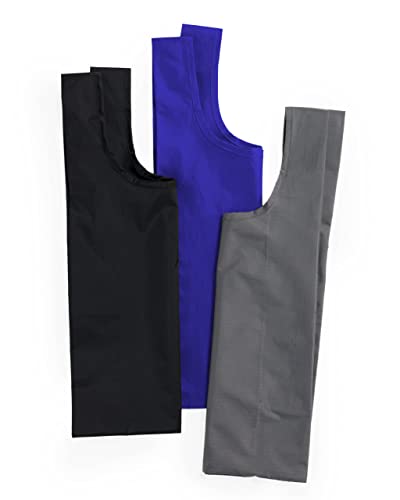
BAGGU Standard Reusable Shopping Bag, Ripstop Nylon Grocery Tote or Lunch Bag, Recycled Gray
View on AmazonParis
- Neighborhoods and markets: Follow the aromas to Marché d’Aligre and Marché Bastille for crêpe griddles, roast-chicken trucks, and cheesemongers who will carve a wedge to go. On Rue Montorgueil, mornings bloom into a daily theater of bread, oysters, and sugar-dusted tartes. The Marais concentrates stellar falafel around Rue des Rosiers; Canal Saint-Martin’s quays lure food trucks and ice-cream carts in warm months.
- When to go: Markets peak early—arrive by 10 a.m. for oysters at their briniest and bread at peak crackle. Lunch windows are compact—12:00 to 14:00—after which many stands close.
- Stay for proximity: The Hôtel Montorgueil tucks guests above one of the city’s most appetizing streets; windows open to the clatter of crates and the scent of buttered brioche.
- Deepen the appetite: For a capital-wide primer on market bites and neighborhood treats, see Bites of France: Exploring Street Food from Paris to Provence (/experiences/bites-of-france-exploring-street-food-from-paris-to-provence).
Lyon
- Where to graze: The city’s reputation rests on bouchons, but its streets feed just as well. At Croix-Rousse’s markets, find gougères still warm, praline brioches in fuchsia crackle, and seasonal stands shaving curls of saucisson. Down by Confluence, weekends bring trucks slinging artisan burgers, crêpes, and global riffs.
- Rhythm: Saturday mornings brim with families; late mornings are sweet-spot calm.
- Stay within a stroll: The Riverside Hôtel-Dieu occupies part of the city’s grand hospital complex, placing travelers a bridge’s walk from riverbank pop-ups and the old silk weavers’ hill.
Nice
- Market life: Cours Saleya hums with socca sellers whose blackened pans rotate through wood-fired mouths; grab a peppery slice and wander the flower stalls. Old Town side streets reveal crêperies that fold galettes as deftly as any Breton.
- Seasonal: In summer, beachside kiosks return, serving pan bagnat, stuffed petits farcis, and gelato until the light goes rose-gold.
- Where to sleep between bites: The Palais Saleya Suites sets travelers in an 18th-century townhouse steps from the market—kitchenettes make it dangerously easy to turn produce hauls into supper.
Marseille
- Where to roam: The Marché des Capucins in Noailles spills over with spices, olives, and North African pastries; the Vieux-Port’s morning fish market glints with sardines and sea bream. Food stands sizzle panisses (chickpea fries) and pour mint tea that perfumes the air.
- Timing: Come early for the catch; late afternoon for golden light and a paper cone of something hot.
Strasbourg and the Alsace
- Winter magic: From late November, Strasbourg’s Christkindelsmärik studs the city with timbered stalls. Here tarte flambée becomes finger food, sliced into squares and paired with steaming vin chaud.
- Year-round: Village markets trade in Munster sandwiches, pretzel-like bretzels, and fruit tarts glossed to jewel tones.
Beyond the big five
- Bordeaux’s Marché des Quais pairs Sunday riverside strolls with oyster platters. In Brittany, look for crêpe vans in market towns like Quimper and Vannes. Throughout the Loire, summer guinguettes set up along riverbanks, pouring local wines and griddling galettes until stars appear.
Street food adventures in France are as much about place as palate. Find stalls by following the crowd to open-air markets (marchés en plein air), checking weekend announcements for food-truck rallies, and plotting itineraries around seasonal fairs.
How to Order and Eat Like a Local
- Useful phrases:
- Bonjour/Bonsoir (always greet first)
- Je voudrais… s’il vous plaît (I would like… please)
- À emporter / Sur place (to take away / to eat here)
- C’est combien ? (How much is it?)
- Sans… (without…), for example sans fromage, sans viande
- J’ai une allergie à… (I’m allergic to…)
- Merci, bonne journée / bonne soirée (thank you, have a good day/evening)
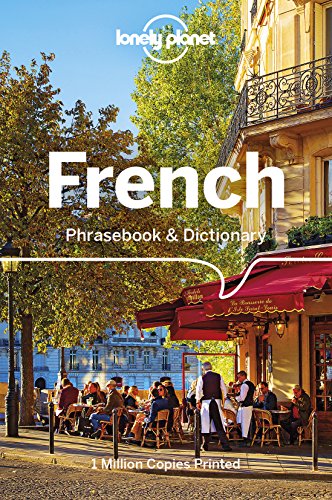
Lonely Planet French Phrasebook & Dictionary: Janes, Michael, Carillet, Jean-Bernard, Masclef, Jean-Pierre
Lonely Planet's French Phrasebook and Dictionary is <strong>your handy passport to culturally enriching travels with the most relevant and useful French phrases and vocabulary for all your travel
Check Price on AmazonPayment and queues: Most city stalls now accept contactless cards (look for CB or Visa/Mastercard signs), though tiny market stands may prefer small bills and coins. Queueing is orderly but conversational—greet, then wait your turn. At busy falafel windows, pay first at the cashier before joining the pickup line.
Portion sizes and prices (ballpark, vary by city): Crêpes and galettes €4–10 depending on fillings; a jambon-beurre €3–7; falafel sandwiches €6–10; market oysters €12–25 per dozen depending on size and provenance; socca €3–5 a portion; gougères often sold by weight or in bags around €3–6. Expect slight premiums at festivals or waterfront locations.
Hygiene cues to watch: High turnover, hot food served piping, separate hands for cash and cooking, clean aprons and oil that smells fresh rather than burnt. If seafood languishes unrefrigerated in heat, skip.
Vegetarian, vegan, and gluten-free: Socca and falafel are naturally vegan; ask for sans sauce blanche if dairy is a concern. Order galettes with spinach, mushrooms, egg, or roasted vegetables; request beurre salé swapped for olive oil if needed. Jambon-beurre has an easy cousin: fromage-beurre (cheese and butter). Many bakers now label allergens; still, confirm with J’ai une allergie à… peut-on l’éviter?
Accessibility: Old-town cobbles and curbside crowds can be tricky. Aim for markets with wider aisles (Bastille, Cours Saleya early), and consider a lightweight tray for lap dining. Many riverbank guinguettes offer ramp access and accessible restrooms—check hours and facilities online the day before.
For travelers balancing taste with budget, Backpacking France: Practical Routes, Budgets & Tips for Savvy Travelers (/experiences/backpacking-france-practical-routes-budgets-tips) covers money-saving moves that pair neatly with market snacking.
Cultural Roots and Vendor Stories
Crêperies began as home hearths. In Brittany, buckwheat—hardy and inexpensive—powered farm families through damp winters. Galettes were meal and membrane: spread thin across billig griddles, wrapped around whatever the land offered—eggs, onions, cured pork. Street stands keep that thrift and warmth alive, one folded parcel at a time.
Socca’s story crosses the water. Chickpeas traveled with sailors and traders from the Ligurian coast; wood-fired ovens forged a cousinhood between Nice’s socca and Genoa’s farinata. Ask an elderly Niçoise vendor about technique and watch their hand hover, measuring batter by muscle memory, not ladle.
The jambon-beurre owes as much to industry as to cuisine. As Paris modernized, workers needed lunch on the move. Boulangeries obliged with a sandwich that compressed French essentials—bread, butter, ham—into one clean line. Today, that line stretches from the Métro to park benches along the Seine.
Falafel in Paris is a history lesson wrapped in pita. In the postwar decades, Jewish communities from North Africa and the Levant infused the Marais with new flavors, opening delis and windows where recipes evolved with the city—more herbs, more crunch, a little Parisian swagger in the pickle.
Oysters remain the holiday soul of the Atlantic coast. Families buy by the basket—numbered by size—and shuck at home, though markets keep the tradition social with shuckers who move like dancers. Ask where the oysters are from; you’ll hear pride in names like Cancale, Marennes-Oléron, and Belon—each a different merroir.
Gougères, meanwhile, speak softly of Burgundy. Village fêtes bake them by the tray for wine fairs; cellars set them beside bottles as natural partners. The best are barely structured, a warm sigh of cheese and air.
The new generation adds momentum. Food trucks and pop-ups bring kimchi crêpes to Bordeaux and Provençal herb falafel to Avignon. Yet the most enduring stalls often remain family-run—three generations at the griddle, or an oyster farmer selling only what the tides and seasons allow.
Tasting Routes, Pairings and Safety Notes
- Paris in a day: Start at Marché Maubert with a butter-sugar crêpe that perfumes the fingers. Walk to Île Saint-Louis for a mid-morning oyster plate, then angle into the Marais for falafel and a minty citron pressé. As golden hour hits, take a jambon-beurre to the Canal Saint-Martin and watch the locks release. For more edible detours across the country, Bites of France: Exploring Street Food from Paris to Provence (/experiences/bites-of-france-exploring-street-food-from-paris-to-provence) layers markets with neighborhood finds.
Matador Pocket Blanket 4.0 - White (Seats 2-4); Foldable Picnic and Concert Blanket; Sand Proof Beach Blanket with Stakes; Picnic Tarp, Outdoor Blanket for Grass
Buy <strong>Matador Pocket Blanket</strong> 4.0 - White (Seats 2-4); Foldable Picnic and Concert Blanket; Sand Proof Beach Blanket with Stakes; Picnic Tarp, Outdoor Blanket for Grass: Blankets - Amazo
Check Price on AmazonNice on foot: Breakfast at Cours Saleya with socca straight from the oven, peppered until it tickles the nose. Snag a slice of pissaladière if you see it; end with a seaside gelato while the Promenade des Anglais glows salmon-pink.
Lyon’s market morning: Ride the funicular to Croix-Rousse, nab a bag of gougères and a slab of praline brioche, then descend to the river for a food-truck lunch as the city lazes through the weekend.
Strasbourg in winter: Warm hands around vin chaud and share tarte flambée cut into squares. Seek stalls using wood fire for that gentle smoke that threads the dough.
Drink pairings that travel well: Brittany’s dry cider with galettes; a glass of pale rosé or a pastis with socca; Muscadet-sur-Lie or Chablis with oysters; light Beaujolais with gougères; mint tea with falafel; espresso with a fruit tarte.
Safety and allergy advice: Street food in France is generally well regulated, but be vigilant. Shellfish are safest cold and freshly shucked from vendors displaying proper chilling; avoid in peak heat if unsure. If gluten-free, confirm buckwheat galettes are 100% sarrasin—some stalls blend with wheat. Nut traces appear in pastry kitchens; severe allergies warrant the phrase J’ai une allergie grave—est-ce que c’est sûr? Those pregnant should skip raw oysters; choose cooked seafood instead. Carry antihistamines or an auto-injector if needed.
When to go: Early mornings for markets, weekday lunches for calmer queues, and festival evenings for atmosphere. Christmas markets (late November to December) bring hot, hearty street food; summer guinguettes along the Seine, Loire, and Garonne trade in sundown sips and grilled fare.
Finding the authentic, the hidden, the new: Talk to cheesemongers about where they eat on break. Follow locals carrying paper cones and grease-stained bags. Venture one metro stop beyond the center and sniff out neighborhood markets that tourists miss. For strategies to read a city through its bites, Off the Beaten Path: A Food Lover’s Guide to Authentic Eats (/experiences/off-the-beaten-path-food-authentic-eats) is a savvy companion.
Finally, leave room for serendipity—and for rest. In Paris, the Hôtel Montorgueil keeps market mornings at your doorstep. In Nice, the Palais Saleya Suites turns produce runs into impromptu apéro spreads. In Lyon, the Riverside Hôtel-Dieu lets the Saône’s reflections guide the next stroll. Street food adventures in France are best when appetite sets the route and chance provides the feast.
The image to take away is handheld: a paper-warm parcel, steam perfuming the air, the city carrying on around it. Bread crust shatters; salt on the lips tastes faintly of the sea or the road. This is France at its most immediate—centuries of craft, folded to go.
Recommended Travel Gear
Lonely Planet French Phrasebook & Dictionary: Janes, Michael, Carillet, Jean-Bernard, Masclef, Jean-Pierre
Lonely Planet's French Phrasebook and Dictionary is <strong>your handy passport to culturally enriching travels with the most relevant and useful French phrases and vocabulary for all your travel
BAGGU Standard Reusable Shopping Bag, Ripstop Nylon Grocery Tote or Lunch Bag, Recycled Gray
100% RIPSTOP NYLON - Baggu's commitment to quality means we only use pure ripstop nylon to craft our standard Baggus · MACHINE WASHABLE - Machine wash cold and line dry to use your favorite Baggu
Matador Pocket Blanket 4.0 - White (Seats 2-4); Foldable Picnic and Concert Blanket; Sand Proof Beach Blanket with Stakes; Picnic Tarp, Outdoor Blanket for Grass
Buy <strong>Matador Pocket Blanket</strong> 4.0 - White (Seats 2-4); Foldable Picnic and Concert Blanket; Sand Proof Beach Blanket with Stakes; Picnic Tarp, Outdoor Blanket for Grass: Blankets - Amazo