

Sustainable Travel Options in Vietnam: Eco Transport, Community Stays & Responsible Tours
From low‑carbon trains and ferries to community homestays and ethical tours, here’s how to see Vietnam lightly—and connect more deeply along the way.
Mood
Eco Conscious Journey
At dawn, a northbound train slides past mirror-flat paddies outside Ninh Binh, its horn a low call over the fog. Inside the sleeper car, the scent of green tea and rice porridge drifts down the corridor as the countryside wakes. It’s a small moment that captures the promise of sustainable travel options in Vietnam: slower, closer, and richly connected to the land and people that make this S-shaped nation so magnetic.
Sustainable Travel Options in Vietnam: Low‑Impact Ways to Get Around
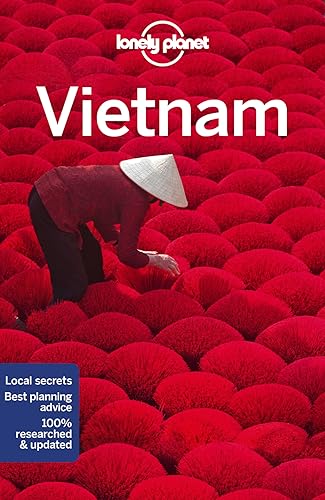
Lonely Planet Vietnam 14 (Travel Guide): Stewart, Iain, Atkinson, Brett, Bush, Austin, Eimer, David, Ray, Nick, Tang, Phillip
<strong>Lonely Planet Vietnam 14</strong> (Travel Guide) [Stewart, Iain, Atkinson, Brett, Bush, Austin, Eimer, David, Ray, Nick, Tang, Phillip] on Amazon.com. *FREE* shipping on qualifying offers. <st
Check Price on AmazonTrains: The Reunification Line’s rolling story
Vietnam’s spine of steel—the Reunification Line—stitches together Hanoi and Ho Chi Minh City across 1,726 kilometers, with branches to Haiphong, Lao Cai (for Sapa), and Quy Nhon. Trains in Vietnam are typically diesel-powered but remain one of the lowest-impact ways to traverse long distances, especially when cars are full and compared with short domestic flights. Think multiple times less carbon per passenger than flying, with the added romance of dawn views and station snacks.
- Best legs: Hanoi–Ninh Binh (2–3 hours), Dong Hoi (for Phong Nha)–Hue (3 hours of coastal drama), Da Nang–Quy Nhon (a beautiful, under-traveled arc), and the overnight Hanoi–Lao Cai (for Sapa) soft sleepers.
- Booking tips: Reserve early for peaks like Tet and summer holidays. Soft-sleeper berths offer comfort and privacy; bring a light sweater for air-conditioning. Reputable booking platforms and station counters sell e-tickets; passports or IDs are required for boarding.
- When to choose rail over air: For journeys under 900 kilometers, rail generally edges out flights on emissions and experience. The Da Nang–Hue segment over the Hai Van Pass is a postcard in motion—choosing the train here turns transit into a highlight.
For planning a north-to-south journey that naturally pairs with rail and buses, The Essential Vietnam Backpacking Route: 2–6 Week North-to-South Guide offers route ideas that adapt well to low-carbon travel (/experiences/vietnam-backpacking-route-2-6-weeks).
Sleeper buses and express coaches: Efficient, if chosen wisely
Long-distance buses, from lie-flat sleepers to newer VIP coaches, are abundant and cost-effective. Occupancy rates make them efficient movers, often on par with rail for emissions on busy corridors.
- Choose reputable operators that enforce seatbelts and driver rotation; smaller minibuses on mountain roads demand extra scrutiny.
- Daytime buses reward with scenery—karst spires near Ninh Binh, cassava fields through Quang Binh—while night services free daytime hours for exploration.
- Pack layers and earplugs; temperatures can swing cool and playlists run late.
For safety, routing, and seasonal intel—especially for mountainous loops—see Vietnam Adventure Essentials: Where to Go, When to Go, and How to Do It Safely (/experiences/vietnam-adventure-essentials-where-when-how-safely).
Ferries and boats: Island hops with a lighter wake
Vietnam’s coast and archipelagos are best met by water. Ferries from Ha Long City or Hai Phong to Cat Ba; fast boats from Ha Tien or Rach Gia to Phu Quoc; local river ferries stitching the Mekong together—all let travelers avoid short flights while getting salt spray and river breeze.
- Safety first: Choose established ferry companies, heed crew instructions, and avoid over-capacity or rough-sea departures.
- Slower can be greener: Standard ferries generally sip less fuel per passenger than high-speed craft; consider the timetable balance when choices exist.
Cycling and e-biking: Two wheels, zero direct emissions
Vietnam was built at handlebar height. Quiet backroads slice through paddy mosaics in Tam Coc and Mai Chau; riverside lanes loop Hoi An’s islets; the Hai Van Pass tempts the ambitious. E-bikes now expand range with a modest energy draw.
- Where to ride: Hoi An’s Cam Kim and Tra Que farms, Ninh Binh’s Trang An to Thung Nham bird park, Mai Chau’s Thai stilt-house hamlets, the pine-fringed roads of Da Lat.
- Practicalities: Start early to beat heat and traffic; carry sun protection and water. In cities, follow traffic flow and yield generously—horns are conversational, not confrontational.
When to skip flights entirely
Vietnam’s shape lures travelers into one quick hop after another. Resist. For itineraries centered on the north (Hanoi, Ninh Binh, Ha Long/Cat Ba, Sapa) or the center (Phong Nha, Hue, Da Nang/Hoi An, Quy Nhon), stick to trains and buses. If one flight is necessary, make it the major latitude jump (e.g., Danang–Ho Chi Minh City) and go overland the rest. This approach dramatically reduces emissions while adding serendipity.
Eco‑Friendly Accommodation: Community Homestays, Thoughtful Ecolodges, Small Inns
Vietnam’s most rewarding stays channel revenue directly into local hands or reinvest visibly in the environment—through water stewardship, waste reduction, heritage preservation, and fair jobs. Sustainable travel options in Vietnam shine brightest at the property level.
Community homestays: Culture with dignity
From Tay stilt houses tucked into emerald paddies in Mai Chau and Pu Luong to Hmong-run lodges along the Ha Giang Loop and orchard homestays in the Mekong’s Ben Tre and Vinh Long, community stays create two-way bridges.
- What to look for: Hosts from the village; transparent community funds; small group sizes; seasonal, locally grown meals; and cultural activities led by residents (weaving, rice planting, music) rather than staged spectacles.
- How to verify: Ask where revenue goes, how many locals are on payroll, and how waste and wastewater are handled. Operators who answer readily—and invite guests to see—are usually walking the talk.
Travelers seeking deep cultural context can start with Immersive Cultural Tours in Vietnam: Authentic Homestays, Festivals & Local Traditions (/experiences/immersive-cultural-tours-vietnam-authentic-homestays-festivals-local-traditions), a helpful primer for vetting meaningful community-led experiences.
Ecolodges and small guesthouses: Quiet footprints, big views
Select properties around the country have made low-impact design a calling card: solar-heated water, refill stations, greywater gardens, natural ventilation, and menus tied to nearby farms and fisheries.
- In the karst valleys of Ninh Binh, the stone-and-thatch Tam Coc Garden nestles between paddies, prioritizing local hiring and seasonal ingredients; sunrise here is all dew and dragonflies.
- In the Gulf of Thailand, Mango Bay Resort on Phu Quoc spreads lightly along a breezy shore—no high-rises, just timber bungalows, reef-friendly messaging, and a nightly chorus of geckos.
- High above the Sapa valleys, Topas Ecolodge sits on a ridgeline ringed by terraced rice, championing low-impact materials and community partnerships while delivering a panorama that hushes any conversation.
When reading property websites, look for third-party certifications (such as GSTC-recognized programs), measurable goals (kilowatts saved, liters of water treated), and annual sustainability reports. Avoid vague claims—“eco-friendly” without details is marketing, not a plan.
Heritage hotels and restored homes
Vietnam’s layered history turns up in restored merchant houses in Hoi An, French-era villas in Dalat and Hanoi, and mandarin mansions in Hue. Thoughtfully restored heritage buildings embody sustainability by reusing existing structures and transmitting knowledge through architecture. Ask whether conservationists guided the restoration and whether local craftspeople were employed.
Responsible Tours and Nature Experiences: Small-Group, Science‑Led, Community‑Owned
What ethical operators look like
The best guides in Vietnam do more than point out landmarks—they serve as stewards. Hallmarks include small group sizes, well-paid local staff, clear wildlife codes of conduct, leave-no-trace practices, and contributions to conservation or community funds. Many now publish carbon-reduction targets or offsets and detail how they minimize single-use plastic on tour.
For travelers who prefer curated, private experiences vetted for standards and footfall, Vietnam Unlocked: A Curated Guide to Exclusive, Bespoke Tours (/experiences/exclusive-tours-in-vietnam-luxury-bespoke-guide) is a smart springboard—proof that luxury and responsibility needn’t be at odds.
Nature, thoughtfully
- Halong, Lan Ha, and Bai Tu Long Bays: Choose smaller wooden junks or boutique steel boats with robust waste and wastewater systems; sailing in less-crowded Bai Tu Long or Lan Ha reduces pressure on classic Halong sites. Kayak only in designated zones and keep paddles clear of coral heads.
- Phong Nha–Ke Bang: Select cave expeditions that cap numbers, use composting toilets, and support park rangers. These jungle treks fund protection for karst forests and rare primates.
- Cat Tien National Park: Dawn bird hides and river cruises spotlight gibbons and hornbills without baiting or playback. Guides who read the forest—not just chase sightings—are the ones to book.
- Yok Don National Park (Dak Lak): Vietnam’s first no-riding elephant program lets visitors track elephants in the forest and learn from mahouts about a more humane future for tourism.
What to avoid
- Elephant rides, photo ops with sedated wildlife, and bear-bile or snake-wine attractions—these harm animals and fund exploitation.
- Mass tours with megaphones and plastic lunchboxes that spill into bays and caves. Ask about group size caps and waste policies.
- Unlicensed guides on mountain roads or protected areas; aside from safety concerns, they skirt park fees that fund conservation.
Conservation and Volunteer Opportunities: Real Impact, Right Expectations
Vietnam’s reefs, forests, and heritage sites need allies—but meaningful help takes care and humility. Short-term volunteering can be impactful when tasks match skills and don’t displace local jobs.
Marine and coastal
- Cham Islands (off Hoi An), a UNESCO Biosphere Reserve, and Con Dao National Park both host ranger-led activities focused on reef protection and, in season, sea turtle monitoring. Opportunities vary and are tightly controlled—expect education, beach cleanups, and observation, not hands-on wildlife handling.
- Citizen days: Several dive shops run no-fins beach and underwater cleanups and teach reef-safe practices. This is a low-barrier way to contribute without interfering with wildlife.
Forests and national parks
- From Bach Ma’s cloud forests to the limestone buttresses of Pu Mat, parks may offer tree-planting days or trail maintenance with rangers, especially after storm seasons. Verify that native species are planted and that follow-up care is funded.
- Bird counts and butterfly monitoring: Seasonal bioblitzes welcome travelers with cameras and notebooks. Data goes to park scientists, whose monitoring budgets are often thin.
Cultural heritage and community
- Temple or communal house restorations sometimes welcome supervised volunteer conservators or skilled artisans. More commonly, travelers can support heritage through local craft workshops that publish fair-wage policies and apprenticeships.
How to choose a reputable program:
- Ask for a clear description of tasks, training, supervision, and how outcomes are measured.
- Seek programs that are locally led or co-designed, with community consent and paid staff.
- Avoid orphanage visits or short-term English-teaching gigs that disrupt classrooms; instead, support social enterprises that fund vocational training through cafés or crafts.
Everyday Low‑Footprint Actions in Vietnam
Sustainability thrives in the dailiness of travel—how water is carried, how meals are chosen, what gestures are made.
Reduce plastic and manage waste
- Bring a reusable bottle and fill from hotel dispensers; many cafés refill if asked politely. Filter bottles help in remote areas.
- Decline straws and wet wipes; carry a cloth napkin and travel cutlery.
- Sort waste when bins exist; if not, pack out recyclables until a larger city.
- Use reef-safe sunscreen for snorkeling in Nha Trang, Cham Islands, and Con Dao; avoid sprays that drift into lungs and lagoons.

STREAM 2 SEA SPF 30 Biodegradable Mineral Sunscreen, 3 Fl oz Non-Greasy and Moisturizing Reef Safe Sunscreen For Face Protection and Body Against UVA and UVB
View on Amazon
GRAYL GeoPress 24 oz Water Purifier Bottle - Filter for Hiking, Camping, Survival, Travel (Bali Blue)
Versatile, fast, and ridiculously easy to use — the 24oz GeoPress Water Filter & Purifier Bottle <strong>requires zero setup, no sucking or squeezing, and makes 24 fl oz (710 ml) of clean purified
Check Price on AmazonEat with the seasons and close to the source
- Northern winters favor herb-rich broths and hardy greens; southern markets burst year-round with tropical fruit. Street food stalls and family eateries are inherently low-waste and hyperlocal.
- Consider a few meat-light days: Vietnamese vegetarian cuisine—ask for “chay”—is colorful and satisfying, from lemongrass tofu to lotus-stem salads.
Support artisans and fair livelihoods
- Buy directly from makers: Bat Trang ceramics near Hanoi, Red Dao herbal bath cooperatives around Sapa, Cham weaving in Ninh Thuan, lantern workshops in Hoi An. Look for posted prices or co-op stamps and be gentle in bargaining—fairness is part of sustainability.
- Prefer experiences where artisans teach their craft rather than perform; pay for the class, not just the product.
Move with cultural respect
- Dress modestly for temples and family homes; shoulders and knees covered, shoes off when asked.
- Ask before photographing people, especially in ethnic minority communities; a smile and the phrase “Xin phép chụp ảnh?” goes far.
- Keep voices low in pagodas; incense is an offering, not a souvenir.
Tipping where it matters
Tipping is not mandatory but is appreciated, and it magnifies community benefit.
- Guides: 120,000–250,000 VND per traveler per day, more for specialized naturalists.
- Drivers: 50,000–100,000 VND per day.
- Boat crews and homestay hosts: A shared envelope for the household or crew is gracious; add a note of thanks.
- Restaurants: Round up or add 5–10% if no service charge.
When to Go—and Why It Matters
Vietnam stretches across three climate zones. Traveling in shoulder seasons spreads visitor impact and often yields gentler weather.
- North (Hanoi, Sapa, Ninh Binh): September–November and March–May offer clear skies and cool nights; winter can be misty, summer hot.
- Center (Hue, Da Nang, Hoi An, Phong Nha): February–May is dry and mild; late September–November can bring rain and typhoons.
- South (Ho Chi Minh City, Mekong, Phu Quoc): Dry season runs roughly November–April; the rains (May–October) green the delta and thin crowds.
Travelers who pair seasonal planning with low-impact transport find their days breathe easier. For itineraries that maintain momentum without rushing, The Essential Vietnam Backpacking Route: 2–6 Week North-to-South Guide is a useful frame (/experiences/vietnam-backpacking-route-2-6-weeks), and for on-the-ground logistics, Vietnam Adventure Essentials helps refine choices (/experiences/vietnam-adventure-essentials-where-when-how-safely).
The Feeling to Take Home
Vietnam rewards those who linger. On the night train, tea glasses clink softly as carriages sway; in a homestay kitchen, mint and perilla are crushed for a dipping sauce; along a coastal ferry, flying fish spark like dropped stars. Choose the sustainable travel options in Vietnam—trains and ferries over flights, community stays over anonymous towers, small-group walks over mass excursions—and the country responds with details most visitors miss. The light footprint isn’t a sacrifice; it’s a passport to the textures and stories that make Vietnam unforgettable.
Recommended Travel Gear
Lonely Planet Vietnam 14 (Travel Guide): Stewart, Iain, Atkinson, Brett, Bush, Austin, Eimer, David, Ray, Nick, Tang, Phillip
<strong>Lonely Planet Vietnam 14</strong> (Travel Guide) [Stewart, Iain, Atkinson, Brett, Bush, Austin, Eimer, David, Ray, Nick, Tang, Phillip] on Amazon.com. *FREE* shipping on qualifying offers. <st
GRAYL GeoPress 24 oz Water Purifier Bottle - Filter for Hiking, Camping, Survival, Travel (Bali Blue)
Versatile, fast, and ridiculously easy to use — the 24oz GeoPress Water Filter & Purifier Bottle <strong>requires zero setup, no sucking or squeezing, and makes 24 fl oz (710 ml) of clean purified
STREAM 2 SEA SPF 30 Biodegradable Mineral Sunscreen, 3 Fl oz Non-Greasy and Moisturizing Reef Safe Sunscreen For Face Protection and Body Against UVA and UVB
Amazon.com: STREAM 2 SEA SPF 30 Biodegradable Mineral Sunscreen, 3 Fl oz <strong>Non-Greasy and Moisturizing Reef Safe Sunscreen For Face Protection and Body Against UVA and UVB</strong> : Beauty &