
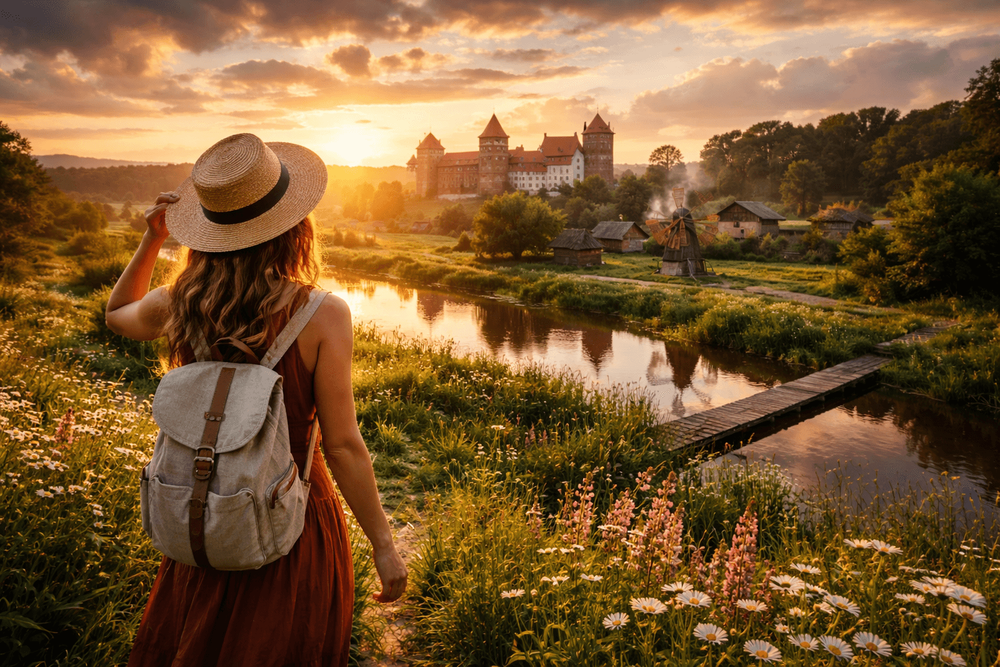
Travel Responsibly in Belarus: Practical Sustainable-Travel Tips
Go light on the land and deep into Belarus: rails over roads, eco‑stays, wildlife etiquette, and low‑waste habits for a richer, more responsible journey.
Mood
Eco-Conscious Journey
A dawn haze lifts from the peatlands, and the air smells faintly of birch resin and wet moss. Somewhere in the distance, a crane calls across the marsh, while a thread of cyclists glides along a forest lane where pine needles hush each turn. Belarus rewards travelers who move slowly and lightly. With the right sustainable travel tips for Belarus—rooted in local rhythms, careful choices, and respect for the land—each day becomes both gentler on the planet and richer in experience.
Sustainable Travel Tips for Belarus: Low‑Carbon Transport and Logistics

Belarus (Bradt Travel Guide): Roberts, Nigel
‘Nigel Roberts’ new guidebook to Belarus, just published by Bradt Travel Guides, is <strong>authoritative and insightful</strong> … This is the Belarus which is very competently mapped in the first ev
Check Price on AmazonRide the rails
Belarus’s rail network is the backbone of low‑impact travel. InterCity and regional elektrichka services link major cities and smaller hubs reliably, and e‑tickets can be purchased on the official Belarusian Railway website and stored on your phone (https://pass.rw.by/en). Traveling by train cuts emissions compared with private cars and domestic flights, and the routes offer an ever‑changing window onto birch woods, lakes, and allotment gardens.
Tips for rail travel:
- If you’re bringing a bicycle, check current carriage rules before you go; some trains have designated spaces and may require a small fee or packaging, which is outlined by Belarusian Railway under its passenger services (https://pass.rw.by/en; see Services/FAQs from the main menu).
- Day trains are typically the most energy‑efficient option; choose an overnight train only if it meaningfully replaces a night in heated accommodation.
- Carry a light blanket and a reusable cup; on some long‑distance services, attendants sell tea in glass holders—a simple ritual best enjoyed waste‑free.
For on‑the‑ground logistics, supplement this guide with information desks at major stations and official tourism offices.
Intercity buses and marshrutkas
Where rails don’t reach, intercity coaches and marshrutka minibuses fill the gaps between district towns and rural settlements. Buy tickets at bus stations or verified kiosks; in smaller towns, confirm same‑day timetables at the station window. Minibuses often depart when seats are taken, so arrive early and keep luggage compact to avoid blocking aisles.
Pedal power and walking cities
Minsk’s riverside paths and generous sidewalks make long urban walks straightforward, while flat terrain and calm side streets in cities such as Brest and Hrodna help cyclists feel at ease. Beyond the cities, cycling is rewarding around the Braslav Lakes and along the historic Augustów Canal corridor, where towpaths and minor roads track the water (https://en.wikipedia.org/wiki/August%C3%B3w_Canal). Many agrotourism guesthouses (agrousadyby) rent sturdy bicycles; bring a compact repair kit and a high‑visibility vest for rural roads, where shoulders can be narrow.

Proviz Reflect360 Unisex Vest, Fully Reflective : Clothing, Shoes & Jewelry
View on Amazon- Prioritize multi‑night stays and circular day rides from a single base to cut transfers.
- In forests and national parks, keep to signposted trails and existing tracks to prevent erosion (https://lnt.org/).
When driving is necessary: carpooling and efficient itineraries
Some nature reserves, farm stays, and remote villages sit beyond bus timetables. If hiring a car, choose the smallest available model, request fuel‑saving features if offered, and share rides with fellow travelers from your lodging or tour. Maintain steady speeds—long, straight roads can tempt fast driving, but moderation reduces fuel use and wildlife collisions.
- Consolidate errands: stock up at a weekly market before heading to a lakeside cottage.
- Avoid idling; switch off at long crossings or queues.
- Ask guesthouse hosts about vetted local drivers who combine multiple passenger requests on one route.
Seasonal smarts and carbon offsets
Shoulder seasons—roughly May to early June and September to mid‑October—bring cooler hiking and cycling weather and lower energy use for cooling. Winter lends itself to cross‑country skiing and guided wildlife tracking on snow, particularly in large forest reserves, but plan for short daylight and slower public transport.
If a flight is unavoidable, choose nonstop routes where possible, pack light, and only offset after reducing emissions at the source. Favor offsets certified by Gold Standard (https://www.goldstandard.org) or the Verified Carbon Standard (https://verra.org/programs/verified-carbon-standard/), or consider donating to peatland and wetland restoration projects that protect natural carbon sinks.
Choose Eco‑Friendly Accommodation and Tours
Spotting genuine green stays
Belarus’s agrotourism scene suits low‑impact travel. Family‑run agrousadyby—often in timber cottages or restored dachas—tend to lean on vegetable plots, wood stoves, and seasonal cooking. Signs of genuine practice include:
- Energy‑efficient heating and insulation; wood sourced from managed forests.
- Waste separation, composting, and refillable amenities.
- Locally sourced breakfasts—rye bread, curds, forest berries, and honey from nearby hives.
Practical ways to jump‑start your search:
- Look for agrousadyby within cycling distance of Braslav Lakes National Park or along the Augustów Canal if paddling or biking is your focus.
- In cities, choose smaller hotels or guesthouses that publish energy‑ and water‑saving measures and avoid single‑use plastics.
- Near large forests, ask for stays that partner with park administrations for guided visits and adhere to zone rules.
Vetting sustainability claims
Labels and “eco” slogans vary. Ask for specifics: energy sources, water‑saving technology, waste management, and staff training. Good signs include transparent annual updates, collaborations with protected‑area authorities, and menus that change with the seasons. Be cautious of token tree‑planting that ignores day‑to‑day operations and bathrooms stocked with single‑use plastics.
Work with licensed local guides and small operators
Belovezhskaya Pushcha, Braslav Lakes, and the Pripyat floodplain operate with protection zones; access rules differ by area and season. Licensed local guides understand closures, wildlife etiquette, and safer routes. Smaller operators tend to cap group sizes and keep spending local. Ask guides how they reduce waste, manage group impacts, and share revenue within their communities.
Nature and Wildlife Stewardship in Belarusian Landscapes
Belovezhskaya Pushcha: bison on their terms
Europe’s heaviest land mammal roams this UNESCO‑listed primeval forest, where oak and hornbeam rise from a soft green understory (https://whc.unesco.org/en/list/33). To watch bison responsibly:
- Keep a respectful distance—use binoculars or a long lens; never approach animals in open meadows.
- Stay quiet at dawn and dusk when wildlife feeds and moves.
- Join ranger‑ or guide‑led excursions; sensitive areas are off‑limits without authorization.
- On foot or bike, remain on marked tracks; detours erode soils and damage micro‑habitats.
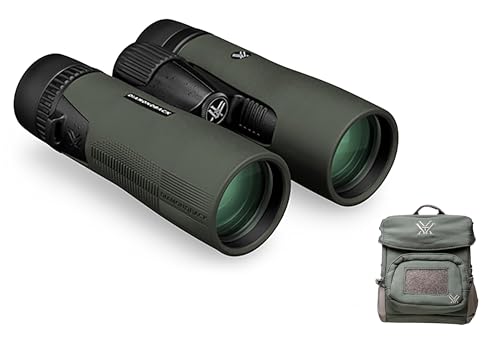
Vortex Optics Diamondback 10x42 Roof Prism Binocular ...
Vortex Optics Diamondback HD 8x42 Binoculars - HD Optical System, Non-slip Grip, Waterproof, Fogproof, Shockproof, Included GlassPak - Unlimited, Unconditional Warranty
Check Price on AmazonWhere campfires are banned, use a backpacking stove and leave no trace (https://lnt.org/). Fallen antlers, bones, and deadwood are part of nutrient cycles—admire, photograph, and leave them be.
Braslav Lakes: water without a trace
A quilt of glacial lakes shimmers here, edged by sandy spits and reedbeds alive with birdlife (https://en.wikipedia.org/wiki/Braslaw_Lakes_National_Park). On the water, trade engines for paddles:
- Rent canoes or kayaks and launch from designated points to protect fragile shorelines.
- Wear biodegradable sunscreen and avoid washing in the lakes; carry a gravity filter or bottle purifier.
- Land only on durable surfaces; don’t carve new footpaths through shoreline vegetation.
At campsites, keep cooking areas compact and food sealed—foxes and martens are quick learners. In popular bays, go early or choose weekday paddles to ease pressure on busy spots.
Pripyatsky Wetlands: birding with care
Floodplain meadows and backwaters along the Pripyat River erupt with spring migrations—geese in shifting chevrons, waders rattling overhead (https://en.wikipedia.org/wiki/Pripyatsky_National_Park). Responsible birding means:
- Respecting seasonal nesting closures and keeping to boardwalks in marshes.
- Avoiding playback calls and drones near rookeries; both elevate stress in breeding birds.
- Choosing local boats with quiet motors and clear wildlife codes—or better yet, paddle‑powered craft in shallow backwaters when conditions allow.
Whether tracking bison, hiking lake country, or scanning reedbeds, Belarus’s parks reward patience and silence; both are as sustainable as they are steadying.
Waste Reduction and Resource Conservation
Plastic‑free packing and on‑the‑go habits
Waste infrastructure is strongest in major cities; elsewhere, travelers set the tone by what they carry:
- Pack a filter bottle and compact purifier; tap water in larger cities is treated, but taste varies.
- Bring nesting food containers, reusable cutlery, a cloth napkin, and a thermos cup for tea kiosks and train samovars.
- Choose solid toiletries—soap bars, shampoo bars, and refillable deodorant.
- Buy snacks from market stalls to skip plastic‑wrapped imports. To ask for a paper bag: Belarusian “Калі ласка, папяровы пакет” or Russian “Пожалуйста, бумажный пакет.”
Water, energy, and toiletries conservation
Guesthouses and apartments may rely on electric boilers or wood‑heated water. Opt for short showers over baths; switch off towel warmers and space heaters when out; and reuse linens for the duration of your stay. If a sauna beckons—a common ritual at lakeside cottages—keep sessions short and ask hosts about sustainably sourced firewood where relevant.
Use biodegradable soap and toothpaste and a quick‑dry towel; in rural areas, greywater systems can be basic. In pit latrines, carry a small bag for tissue and pack it out when bins aren’t provided.
Waste and recycling realities
Minsk and larger cities offer bins for paper, plastic, and glass, though sorting can be inconsistent beyond urban centers. Pack out all trash from parks and lakes. Hold onto spent batteries and e‑waste until you can reach a city collection point or an electronics shop that accepts returns. If a village lacks bins, ask hosts where to leave sorted waste; many make regular municipal runs.
Cultural Sensitivity and Community Impact
Spend where it stays
Sustainable travel in Belarus is as much social as environmental. Favor family‑run eateries serving draniki (crispy potato pancakes), beet borscht, mushroom stews, and seasonal salads; buy honey, sunflower seeds, and pickles from market grandmothers who can tell you which field a cabbage came from. Shop for flax‑linen textiles, straw weaving (saloma) crafts, hand‑carved kitchen tools, and hand‑painted ceramics—useful, durable pieces that reflect regional heritage.
Street‑art walks in Minsk’s former factory districts and small design studios in Hrodna show a creative Belarus in motion. Pay fairly, tip when service warrants it, and learn a few words—“Дзякуй” (thank you, Belarusian) or “Спасибо” (thank you, Russian)—to build small bridges.
Respect for faith and memory
Belarus is layered with Orthodox and Catholic churches, wooden chapels, synagogues in various states of restoration, and solemn memorials from the Second World War. Dress modestly in active places of worship, keep voices low, and avoid photography during services. At memorials—large fortresses and small village sites—maintain a hushed presence and stay on paths.
Give well, not just more
Before donating to a project, ask how funds are used and whether locals designed the initiative. Short‑term volunteering can disrupt routines; seek skills‑based engagements or longer‑term programs vetted by reputable organizations. In parks, direct contributions to ranger programs or visitor education often have an outsized impact.
Souvenirs with a conscience
Skip items carved from fresh peat or wildlife parts. Choose second‑life materials—textiles from upcycled linen offcuts, ceramics fired in efficient kilns, and beeswax candles from small apiaries. Books from independent presses and vintage enamelware from flea markets are lightweight and evocative of place.
What to Expect on the Ground
- Payments: Cards are common in cities; carry cash for rural buses, farm stays, and markets.
- Connectivity: Mobile data is reliable in urban areas; expect patchy coverage in deep forests and wetlands.
- Language: Belarusian and Russian are both widely used; signage is mostly in Cyrillic. Offline maps and a short phrase list help.
- Safety and rules: Respect park regulations, seasonal closures, and fire bans; fines support conservation. For zone access and permits, consult each park’s administration before visiting.
A slower Belarus, a deeper Belarus
Move by rail and paddle, sleep where gardens meet the woodpile, and measure days by birdsong rather than mileage. With mindful choices—low‑carbon transit, green stays, light footprints, and open hearts—these sustainable travel tips for Belarus do more than soften impact. They tune travel to the country’s own tempo: birch leaves flickering like coins in the breeze, a paddle’s quiet dip at dusk, and the soft thud of bison hooves fading into the forest.
Recommended Travel Gear
Belarus (Bradt Travel Guide): Roberts, Nigel
‘Nigel Roberts’ new guidebook to Belarus, just published by Bradt Travel Guides, is <strong>authoritative and insightful</strong> … This is the Belarus which is very competently mapped in the first ev
Vortex Optics Diamondback 10x42 Roof Prism Binocular ...
Vortex Optics Diamondback HD 8x42 Binoculars - HD Optical System, Non-slip Grip, Waterproof, Fogproof, Shockproof, Included GlassPak - Unlimited, Unconditional Warranty
Proviz Reflect360 Unisex Vest, Fully Reflective : Clothing, Shoes & Jewelry
The Proviz REFLECT360 multi-purpose vest is <strong>manufactured using 100% reflective material to aid with your visibility when out on the roads when it's dark or when the light is poor</strong>