
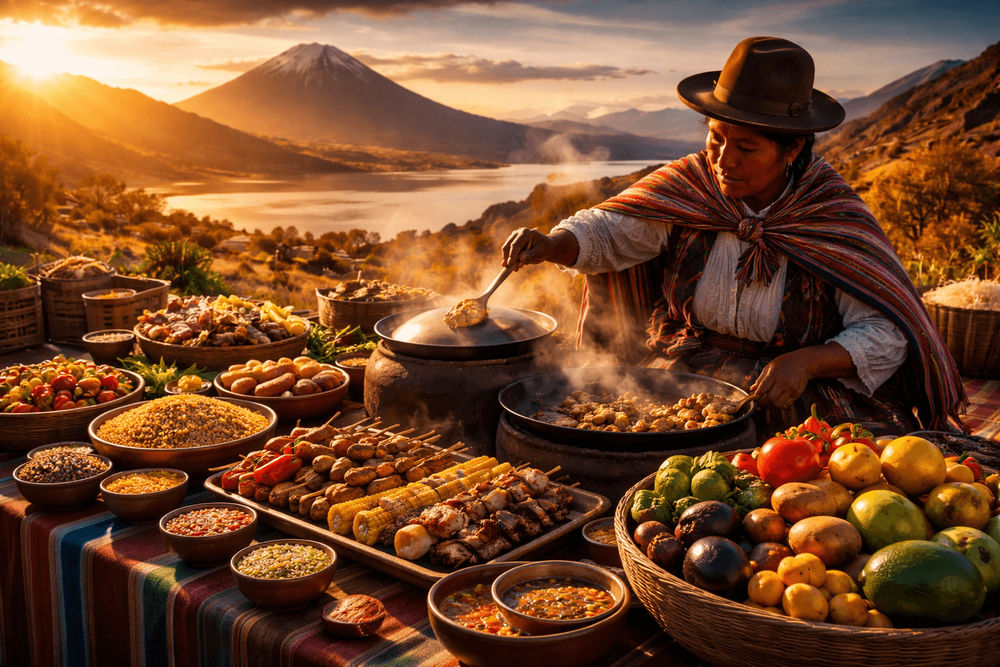
Taste Bolivia: Authentic Culinary Experiences from Altiplano to Amazon
From salteñas at sunrise in La Paz to leaf-wrapped fish in Madidi, taste Bolivia’s regional flavors through markets, rituals, and hands-on cooking.
Mood
Cultural Deep-Dive
At dawn in La Paz, the air tastes of altitude and cinnamon. Steam rises from vats of api morado—purple corn thickened with warmth—while a vendor flicks sugar over blistered buñuelos and the city stirs against a backdrop of rust-red hills and snow-tipped Illimani. It is here, pressed between sky and stone, that culinary experiences in Bolivia reveal themselves in scents and textures: the crackle of grilled anticucho on a street corner, the bright sting of llajwa salsa, the soft heft of quinoa bread warm from a clay oven.
Culinary Experiences in Bolivia: Where to Begin
To eat in Bolivia is to cross ecosystems. The country’s table is set by geography: the wind-scoured Altiplano and the ultra-high vineyards of Tarija, the misty Yungas where clouds comb the coffee trees, the water-braided Amazon, and the sunny plains around Santa Cruz. Each region delivers its own signature dishes, ancestral ingredients, and rituals, making this one of South America’s most layered, quietly dazzling food destinations.
Bolivia’s Regions on a Plate: Altiplano to Amazon
The Altiplano: Sky-High Heirlooms and Hearth Cooking
At more than 3,600 meters, the Altiplano shapes appetite and preservation. Here, centuries-old methods meet bold, clean flavors built for cold mornings and thin air.
- Essential ingredients: quinoa real from the salar-fringed south; chuño and tunta (black and white freeze-dried potatoes) made through a meticulous sun-and-frost alchemy; llama and beef charque (jerked meat); fava beans; Andean herbs like quirquiña.
- What to eat: Start with a bowl of chairo, the Altiplano’s soul-warming soup thick with chuño, barley, and beef. Seek plato paceño—corn cob, fresh broad beans, potatoes, and grilled cheese—its simplicity elevated by altitude-bright produce. Morning calls for salteñas, the glossy, braided cousins of empanadas that drip beef or chicken stew scented with cumin and aji. At Lake Titicaca, trout (trucha) arrives pan-crisped and lemon-bright, often with a side of quinoa pilaf.
- Where to taste: La Paz’s Rodriguez Market spills over with papery onions, shiny chuño, and baskets of golden tunta; vendors will slice creamy Andean cheese to pair with warm, sugar-dusted pasteles. Around Uyuni, restaurants spotlight quinoa in everything from nutty phisara (stir-fried grains) to chocolate-ash-dusted desserts—an elegant nod to the surrounding salt flats.
A refined home base in the capital, the design-forward Atix Hotel curates contemporary Bolivian art and pairs it with kitchens that put heirloom grains and highland tubers center stage—an urbane perch for market forays and late-night anticuchos.
The Yungas and Cloud Forest: Citrus, Cacao, and the Hum of Rain
Drop from the ridgelines toward the Amazon and the air quickens with moisture. The Yungas is a tumble of green—coffee-shaded ravines, banana fronds, hibiscus, and the ancestral coca leaf, chewed to stave off altitude and woven into ritual.
- Essential ingredients: high-altitude coffee from Caranavi; cacao from Alto Beni; honeyed citrus; plantains; yuca; coca (consumed respectfully as tea or chewed by locals).
- What to eat: Breakfast might be sweet plantains caramelized on a griddle, or toasts slicked with jungle honeys. Lunch is often a light fish or chicken stew perfumed with cilantro and the local cilantro-like quirquiña, served with rice and patacones (smashed, fried plantains). Chocolate tours reveal tangy, floral Bolivian cacao—often tempered into bars with a clean, cherry-bright finish.
- What to drink: The Yungueño cocktail—singani, orange juice, and sugar—captures the region’s sun in a glass; coffee tastings compare shade-grown varietals, their profiles shaped by mist and elevation.
The Amazon Basin: River Fish, Leaf-Wrapped Feasts, and Orchard-Fresh Fruit
In Beni and Pando, the plate is drawn by current and canopy. Markets pile with pale hearts of palm, cassava, and fruits with names that sound like lullabies—copoazú with its perfumed tang, asaí dark as midnight.
- Essential ingredients: paiche (arapaima) from managed lakes, river catfish like surubí and dorado, plantains, yuca, wild herbs, bijao leaves for wrapping.
- What to eat: Look for fish grilled in bijao: fillets slathered with garlic and citrus, folded into glossy leaves, and steamed over embers. Masaco—mashed green plantain or yuca with charque—is breakfast sustenance with texture and salt. Hearts of palm arrive shaved into salads with lime and chiles, sweet and crunchy.
A luminous way to experience the forest’s pantry is to overnight at Chalalán Ecolodge, a Madidi National Park pioneer run by the San José de Uchupiamonas community. Meals are quiet masterclasses in sustainable Amazon cooking, built on river fish, rainforest tubers, and foraged herbs.
Santa Cruz and the Eastern Lowlands: Sunlit Grains, Grill Smoke, and Dairy Richness
Santa Cruz cooks to a different rhythm—warmer, slower, with barbecues fired at sunset and tropical fruit chilling in clay pitchers.
- Essential ingredients: rice, yuca, plantains, dairy, charque, beef.
- What to eat: Majadito batido—golden rice flecked with charque, topped with a runny egg—eats like comfort food; locro cruceño, a hominy-thickened chicken soup, carries the sweetness of corn. Cheese-forward cuñapés (yuca starch rolls) and grilled sonso de yuca dusted with char are snacks to linger over. End with achachairú, a tangerine-sweet, custard-soft fruit that defines summer.
- What to drink: Somó, a lightly fermented, spiced corn drink, soothes midday heat.
Markets, Street Food, and Hands-On Tastes
Bolivia’s markets anchor daily life—and any gourmand’s itinerary. In La Paz, Mercado Lanza’s neon-bright juice stalls line up layers of papaya, mango, and tumbo, while upstairs kitchens simmer sopa de maní, a peanut-thickened broth topped with brittle shoestring fries. Around the corner, Rodriguez Market is a pre-dawn theater of haggling, burlap sacks, and mountain produce still dusted with earth.
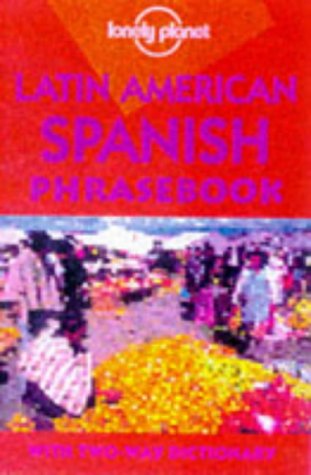
Lonely Planet Latin American Spanish Phrasebook & Dictionary 9: Esposto, Roberto
Lonely Planet Latin American Spanish Phrasebook & Dictionary is <strong>your handy passport to culturally enriching travels with the most relevant and useful Latin American Spanish phrases and voc
Check Price on AmazonCochabamba’s La Cancha may be the country’s most astonishing marketplace: a living city of vendors where one aisle pours chicha and the next hawks kitchenware. Sucre’s Central Market, as elegant as the city’s whitewashed facades, offers wedges of young cheese, still-warm empanadas, and caramel-slicked leche asada. On Sundays, Tarabuco’s indigenous market glows with woven textiles and tables of tubers, corn varieties, and ajíes in colors that map the seasons.
And then there is the street. Mornings belong to salteñas—eaten standing, tilted just so—and crisp pastel de queso paired with a cup of steaming api. Evenings glow with anticucho smoke; vendors fan embers under skewered beef heart, brushing the meat with ají-laced oil and sliding it over boiled potatoes showered with peanut sauce. Rellenos de papa, deep-fried potato dumplings stuffed with minced beef and olives, crackle at the first bite. In Cochabamba, silpancho lays a breaded beef cutlet over a cushion of rice and potatoes, crowned with fried egg and salsa—humble ingredients assembled into exuberance.
For travelers keen on insider access, market tours and kitchen workshops unlock the nuance behind each plate—how to read a stall’s heat-of-the-moment menu del día, which ají to choose for salsa llajwa, why a salteña’s crimp reveals its filling. Curated small-group tastings and chef-led classes are a seamless starting point; see Savor Bolivia: What to Expect on Culinary Tours and Food Experiences for vetted options and tips on timing, language, and etiquette. [/experiences/culinary-tours-in-bolivia]
On Lake Titicaca’s islands, meals become community ceremonies. Join an apthapi—an Andean picnic of abundance—where families unfurl bright aguayos and lay out boiled native potatoes, fried trout, quinoa salads, and fresh cheeses for all to share. In the Yungas, coffee farm visits end with a hand-brewed cup that tastes of rain and loam; in Alto Beni, cacao cooperatives show the journey from pulpy pods to silken chocolate, finished with a tasting flight that runs from floral to fudgy.
For travelers who prefer remote drama with dinner, Kachi Lodge stages multi-course, chef-driven feasts under constellations on the Salar de Uyuni—quinoa flights, chuño crisps, and llama carpaccio that reframe Andean staples with a celestial flourish.
Traditions in the Kitchen: Indigenous Roots and Mestizo Layers
Bolivian cuisine is a conversation between land and lineage. Aymara and Quechua traditions root the Altiplano’s foodways; Amazonian communities read rivers and seasons; Spanish and later immigrant influences (notably German and Middle Eastern in Santa Cruz) layered techniques and ingredients without erasing the old.
- Ancestral pantry: quinoa and its hardy cousin cañahua; maize in rainbow varietals; tarwi (Andean lupin) with its nutty depth; the cold-hardened alchemy of chuño and tunta; yuca and plantains that share the starch-workload in the tropics; freshwater fish from Titicaca and Amazonia; and the coca leaf, a sacred stimulant and symbol of reciprocity with the earth.
- Signature seasonings: ají amarillo and ají colorado; fragrant quirquiña; huacatay’s minty edge; and the bright, mortar-ground llajwa made on a batán—its stone-on-stone friction coaxing a texture blenders can’t mimic.
- Methods with memory: clay ovens (hornos de barro) that blister breads and slow-roast whole pigs; watia—pachamanca-style earth cooking—where potatoes and tubers roast in pits lined with hot stones, unearthed with the drama of incense; sun-and-frost dehydration for chuño; long, gentle simmering for broths meant to steel bodies against cold.
Today’s kitchens—whether a grandmother’s courtyard in Sucre or a design-forward restaurant in La Paz—carry these techniques forward. Mestizo plates layer indigenous staples with Spanish pantry items: cumin and garlic, olives and raisins folded into salteñas; peanut thickeners in soups; dairy’s creamy ballast in the lowlands. The result is food that feels both timeworn and immediate.
To engage this heritage with depth and care, consider itineraries that weave meals with meaning—ceremonial tastings, rural cooking days, and visits to community producers. Authentic Cultural Tours in Bolivia: Indigenous Traditions, Festivals & Community Immersion outlines respectful doorways into this living culinary story. [/experiences/authentic-cultural-tours-bolivia-indigenous-traditions-festivals-community-immersion]
Poured with Meaning: Beverages, Rituals, and the Festival Calendar
Bolivia drinks with intention. At its most celebratory, a glass begins with an offering—the first drops tipped to Pachamama as thanks.
- Singani: Distilled from high-altitude Muscat of Alexandria grapes, singani is Bolivia’s aromatic brandy and national spirit. Try it in a chuflay (singani with ginger ale and lime) or a syrupy Yungueño with fresh orange. In Tarija’s vine-striped valleys, tours of ancient bodegas and sleek, new-wave distilleries reveal a category now earning global attention.
- Chicha: This lightly alcoholic, maize-fermented brew is poured from clay vessels in chicherías and rural fiestas. Accepting a glass means joining the circle; watch for the ch’alla—a small pour to the ground—before sipping. If declining, a gentle smile and a hand over the heart, with a soft “gracias,” goes further than a hard no.
- Everyday comforts: Api morado and its paler cousin api blanco pair with morning pastries; mocochinchi, dried peach steeped with cinnamon, quenches afternoons; somó cools the Santa Cruz heat; coca tea steadies nerves at altitude.
- Festival foods: At Oruro’s Carnival, grilled anticuchos, lechón al horno, and sugary buñuelos vie with brass bands and devil masks for attention. In La Paz’s Alasitas, miniature foods are offered to Ekeko, the prosperity god, with a wink and a wish. For All Saints’ Day, families bake tantawawas—sweet bread babies—set beside altars laden with fruit, pastries, and favorite dishes of the departed.
Many travelers fold these moments into curated itineraries. For private tastings in Tarija’s vineyards, salar-side dinners, or exclusive kitchen counter experiences in La Paz, see Luxury Bolivia: Bespoke Lodges, Private Salar Tours & Exclusive Andean Experiences. [/experiences/luxury-bolivia-bespoke-lodges-private-salar-tours-exclusive-andean-experiences]
Practical, Ethical Eating: How to Savor Safely and Well
- Altitude and appetite: High elevations slow digestion. In La Paz and the Altiplano, begin with soups and light plates, hydrate constantly, and add richer dishes as your body adjusts.
- Hygiene cues: Follow the lines—busy stalls turn over food quickly. Watch for vendors who plate with tongs or gloves, keep raw and cooked items separate, and reheat dishes to a visible simmer. Peel fruits or wash them with filtered water; carry hand sanitizer.
- Water and ice: Stick to sealed bottles and cafes or bars that use purified ice in the highlands. In Santa Cruz and the Amazon, filtration is more common, but ask.
- Ordering like a local: For spice, request llajwa “suave” (mild) if uncertain. “Sin carne” or “sin pollo” means without meat or chicken; add “sin caldo de carne” to avoid meat-based broths. A friendly “caserita” to a market vendor is a term of endearment; the small extra they add—a yapa—is a gesture of goodwill.
- Dietary notes: Vegetarians and vegans will do well with quinoa plates, market salads (ask for oil, lemon, and salt on the side), fried trout, and yuca- or plantain-based mains. Gluten-avoidant travelers can lean into corn and yuca staples like cuñapé and sonso, but confirm cross-contamination at street stalls. Peanut allergy sufferers should inquire about sopa de maní and sauces thickened with ground peanuts.
- Sustainability: Choose river fish from community-managed lakes (ask about paiche de manejo) and avoid bushmeat. Favor fair-trade coffee and cacao cooperatives, and carry a reusable bottle and utensils to cut plastic waste. Respect coca’s cultural role; do not treat it as a novelty.
- Booking wisely: Reputable guides make all the difference for translations, introductions, and access to rural kitchens and ceremonies. For curated market immersions and cooking classes, start with Savor Bolivia: What to Expect on Culinary Tours and Food Experiences. [/experiences/culinary-tours-in-bolivia]
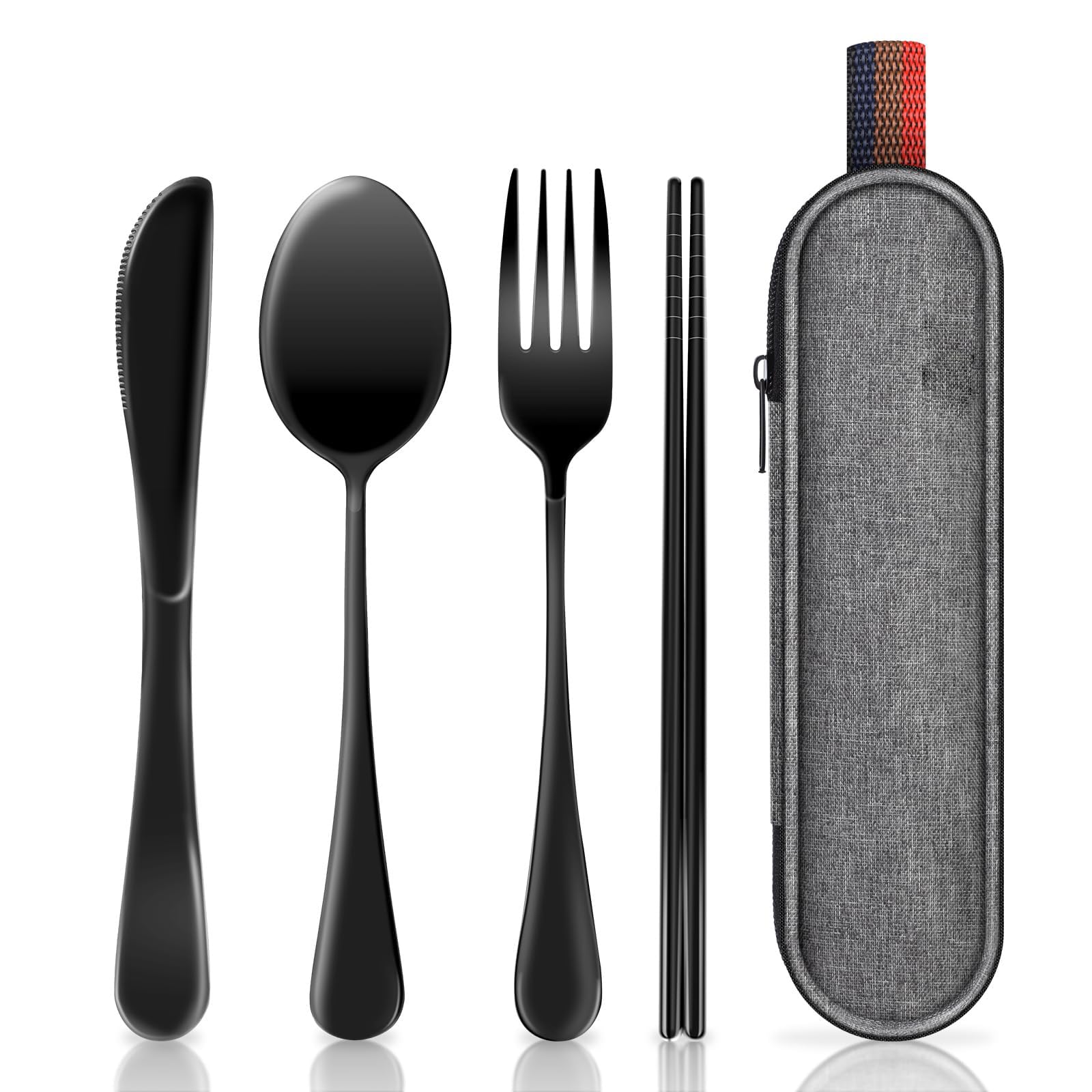
Travel Utensils Set with Case Reusable Portable Cutlery Set Stainless Steel 8pcs Including Dinner Knife Fork Spoon Chopsticks Straws(Silver)
View on Amazon
GRAYL GeoPress 24 oz Water Purifier Bottle - Filter for Hiking, Camping, Survival, Travel (Bali Blue)
Versatile, fast, and ridiculously easy to use — the 24oz GeoPress Water Filter & Purifier Bottle <strong>requires zero setup, no sucking or squeezing, and makes 24 fl oz (710 ml) of clean purified
Check Price on AmazonIf building a food-first route through cities, base near central markets and dining corridors. Value-forward stays abound—see Best Budget Hotels in Bolivia: Affordable Stays in La Paz, Uyuni & Beyond for vetted options within walking distance of key neighborhoods. [/experiences/best-budget-hotels-in-bolivia]
The most rewarding culinary experiences in Bolivia tend to be the most intimate: a grandmother showing how to grind ají on a batán until it sings, a cacao farmer cracking a sun-warmed pod, a fisherman lifting a leaf-wrapped fillet off coals and onto a tin plate. They are moments of hospitality, not performance, and they linger long after tickets are tucked away—like the faint perfume of cinnamon on a cold La Paz morning, still rising from the cup.
Recommended Travel Gear
Lonely Planet Latin American Spanish Phrasebook & Dictionary 9: Esposto, Roberto
Lonely Planet Latin American Spanish Phrasebook & Dictionary is <strong>your handy passport to culturally enriching travels with the most relevant and useful Latin American Spanish phrases and voc
GRAYL GeoPress 24 oz Water Purifier Bottle - Filter for Hiking, Camping, Survival, Travel (Bali Blue)
Versatile, fast, and ridiculously easy to use — the 24oz GeoPress Water Filter & Purifier Bottle <strong>requires zero setup, no sucking or squeezing, and makes 24 fl oz (710 ml) of clean purified
Travel Utensils Set with Case Reusable Portable Cutlery Set Stainless Steel 8pcs Including Dinner Knife Fork Spoon Chopsticks Straws(Silver)
<strong>The travel tableware set</strong>- includes travel flatware carrying case,full size dinner Knife,fork, spoon, chopsticks, cleaning brush, straws with silicone tips (More comfortable when you u