
Thailand Travel Guide: When to Go, What to See & Essential Itineraries
Plan Thailand with confidence—season by season, region by region. From Bangkok’s river temples to island horizons, here’s when to go and how to roam.
Mood
Cultural Deep-Dive
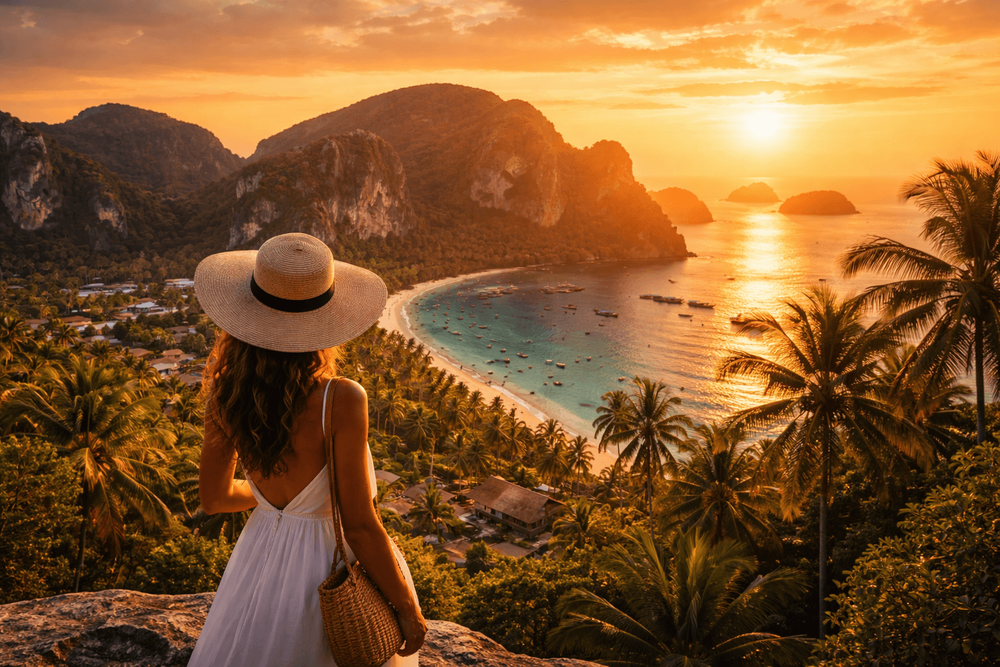
At sunrise on the Chao Phraya, saffron-robed monks slip past long-tail boats while Bangkok’s skyline gleams like lacquer. Street-side woks hiss with chilies and holy basil; incense braids through temple courtyards; mangoes ripen to honeyed perfection. This Thailand travel guide brings the country’s many moods into focus—season by season, region by region—so travelers can tune their trip to the rhythms of weather, festivals, and the slow pleasures of the road.
Quick Orientation: Why Thailand Now
Thailand is having a renaissance. Post-pandemic energy has revived its street food culture and festivals, boutique stays bloom from Chiang Mai’s teak lanes to Koh Lanta’s barefoot beaches, and new rail links make overland journeys smoother. It remains wonderfully accessible: the Thai baht (THB) keeps day-to-day costs reasonable, ATMs are ubiquitous, and hospitality is second nature.

Lonely Planet Thailand 17 (Travel Guide): Lonely Planet
Honest reviews for all budgets ... Phuket, Andaman Coast · The Perfect Choice: Lonely Planet's Thailand is <strong>our most comprehensive guide to Thailand</strong>, and is perfect for discoverin
Check Price on AmazonVisas: Many nationalities receive visa-exempt entry (typically 30 days) with proof of onward travel; others can apply for an e-visa or visa on arrival. Rules evolve—always confirm with Thailand’s official consular sites before departure. Passports should be valid for at least six months.
Seasons: Think in three strokes. Cool-dry (roughly November–February) is peak season; hot (March–May) brings blazing skies; rainy (May–October) is greener, cheaper, and more serene. The coasts split into two weather systems—Andaman vs. Gulf—so there’s usually a beach with blue water somewhere.
Thailand Travel Guide: Best Time to Visit & Regional Weather
Thailand is a country of microclimates. The trick is aligning your route with the weather’s sweet spots.
Bangkok & Central Thailand: November–February is golden—crisp mornings, clear afternoons, ideal for temple walks and river cruises. March–May turns sultry, with afternoon storms. Rains arrive May–October, bringing dramatic skies and lotus-filled moats in Ayutthaya and Sukhothai.
Northern Thailand (Chiang Mai, Pai, Mae Hong Son): Cool season (Nov–Feb) brings sapphire air and misted hills, perfect for mountain temples and trekking. Note the “burning season” (roughly late February–April), when agricultural fires can cloud valleys and degrade air quality; many travelers shift south or to the Gulf islands during this window. Rains (May–Oct) green the rice terraces and refresh waterfalls.
Andaman Coast (Phuket, Krabi, Koh Lanta, Similan Islands): Best from November–April, when seas are glassy and dive sites at their clearest. The southwest monsoon (May–October) brings choppier crossings; some smaller islands partially shut, but rates drop and jungles blush neon.
Gulf of Thailand (Koh Samui, Koh Phangan, Koh Tao): Weather often flips the script. Prime months are January–August, with a heavier rainy spell typically late October–December. Divers find reliable visibility off Koh Tao through much of the year.
Isan (Northeast): Dry, cool mornings and luminous rice paddies define November–February. March–May runs hot and earnest; rains (May–October) awaken waterfalls in national parks like Phu Kradueng.
For a deeper month-by-month breakdown and festival timing, see Best Time to Visit Thailand: When to Go by Weather, Festivals & Crowds (/experiences/best-time-to-visit-thailand).
Top Regions and What to Do
Thailand’s regions hold distinct stories—royal capitals reclaimed by banyan roots, mist forests stitched with hilltribe trails, and coasts where karst towers rise from the sea like dragon spines.
Bangkok: The Electric Heart
Bangkok is a study in contrasts: candle-lit lotus altars and rooftop bars with infinity pools; canal-side stilt homes and monorails threading glass towers.
- Temples & Heritage: Glide by river to the Grand Palace and Wat Phra Kaew’s Emerald Buddha, then cross to Wat Arun for sunset on its porcelain-spangled spire. Wander Old Town’s lanes to Wat Suthat, Loha Prasat, and the talisman-filled amulet market.
- Food: Devote at least one evening to a street food crawl—boat noodles at Victory Monument, silky chicken rice in Pratunam, crispy pork with morning glory on Yaowarat Road. Consider a market tour for regional dishes rarely seen outside Thailand.
- Modern Bangkok: Browse MOCA’s exuberant contemporary Thai art, shop Thai designers in Siam Square, and finish in Thonglor or Ari where cocktail bars whisper until late.
Neighborhood notes: Riverside for romance and heritage, Sathorn/Silom for savvy urbanites near the BTS, Old Town for temple-to-tuk-tuk days, and Sukhumvit for nightlife and global dining.
Northern Thailand: Chiang Mai & Pai
North means incense, teakwood, and mountain air. Chiang Mai’s moat-lined Old City encloses more than 300 temples; Doi Suthep catches sunrise in a haze of bells. Craft villages in San Kamphaeng and Baan Tawai keep Lanna artistry—silk weaving, wood carving—very much alive.
- Active days: Trek to hill communities with ethical, community-led guides; cycle quiet lanes to ruin-dotted Wiang Kum Kam; raft the Mae Taeng in the green season. Skip elephant rides—opt for reputable sanctuaries that prohibit riding and prioritize animal welfare.
- Pai: A three-hour mountain drive from Chiang Mai, Pai exudes hammock tempo—bamboo bungalows, hot springs, canyon sunsets, night market bites. Scooter slow roads to waterfalls and strawberry farms; in the rains, fields glow impossibly green.
Central Plains: Ayutthaya, Sukhothai & Kanchanaburi
The heartland tells Thailand’s long arc of empire and resilience.
- Ayutthaya: Once among Asia’s most radiant capitals, its brick prangs now rise from moats like embered teeth. Cycle between temple complexes—Wat Mahathat’s Buddha head embraced by roots is the emblem—then taste boat noodles by the river.
- Sukhothai: Dawn among lotus ponds and stucco Buddhas in Sukhothai Historical Park feels transportive. The park’s northern zone, quieter and more forested, repays time.
- Kanchanaburi: Limestone caves, emerald pools at Erawan National Park, and poignant WWII history along the Death Railway. Long-tail rides on the River Kwai slip past jungle to floating raft stays.
Southern Islands: Andaman & Gulf
Sea lovers can tune travels to the monsoon’s metronome.
- Andaman: Phuket is the big gateway—yet beyond Patong’s dazzle lie west-coast beaches with soft surf and sunset bars. Krabi’s Railay peninsula is a rock climber’s moonstruck dream. Koh Lanta whispers of long beaches and laid-back cafés. Farther out, the Similan and Surin archipelagos offer world-class diving when seas are calm.
- Gulf: Koh Samui wraps five-star polish around coconut groves; the fisherman’s village of Bophut pairs chic with charm. Koh Phangan is two islands in one—full-moon revelry at Haad Rin and slow-life coves in the northwest. Koh Tao’s coral gardens make divers for life.
Isan Highlights: The Underrated Northeast
Vast and agricultural, Isan rewards curiosity with Khmer-era stone sanctuaries, lunar festivals, and food that bites back—in the best way.
- Heritage: Phanom Rung and Muang Tam (Buriram) stage ancient processions in pink sandstone. Phimai’s temple complex rivals Angkor in miniature.
- Nature: Hike the plateau of Phu Kradueng in cool season for pine forests and cliff-edge sunsets; explore the “Three Whale Rocks” in Bueng Kan at dawn.
- Culture & Food: In Ubon Ratchathani, the Candle Festival lights July nights; in Nong Khai, Mekong sunsets carry Laos on the breeze. Taste som tam (papaya salad) in its native range, sticky rice by the basket, and grilled gai yang perfumed with lemongrass.
Getting Around Thailand
Thailand moves at every speed, from bullet-quick flights to gently rocking sleepers.
International Gateways
Most long-haul flights land at Bangkok Suvarnabhumi (BKK); Don Mueang (DMK) handles many low-cost regional routes. Phuket (HKT), Chiang Mai (CNX), Krabi (KBV), and Samui (USM) also receive international flights. Samui’s privately operated airport often means pricier fares.
Trains
State Railway of Thailand connects Bangkok with Chiang Mai, Nong Khai (for Laos), Ubon Ratchathani (for Isan), and Surat Thani (gateway to the Gulf islands). Newer air-conditioned sleepers on the north and northeast lines are comfortable; reserve lower berths if you prefer more headroom. Book at stations or via the official channels; avoid middlemen charging hidden fees.
Buses & Minivans
Government and reputable private companies run express and VIP buses between cities—affordable, frequent, and often with reclining seats. Minivans handle shorter routes; they’re fast, sometimes spirited. Purchase tickets from official counters at terminals rather than random street kiosks.
Domestic Flights
Low-cost carriers—Thai AirAsia, Nok Air, and Thai Vietjet—crisscross the country; Thai Airways covers key routes with full-service perks. Fares are lowest when booked several weeks out; factor in baggage fees on budget carriers. For Samui, consider flying to Surat Thani (URT) and continuing by ferry to save.
Ferries & Island Hops
On the Andaman side, high-speed ferries and speedboats link Phuket, Phi Phi, and Koh Lanta; seas can be rough in monsoon months. In the Gulf, ferries knit Surat Thani–Samui–Phangan–Tao on robust schedules. Combo bus–ferry tickets simplify overland-to-island jumps; always check the last sailing of the day.

JOTO Up to 7" Universal Waterproof Phone Case for iPhone 17 Air 16 15 14 13 12 11 Plus Pro Max, IPX8 Cellphone Dry Bag XR X SE, Galaxy S23 S22 S21 S20+ S20 S10 Plus Note, Pixel -Black : Cell Phones & Accessories
View on AmazonUrban Transport
Bangkok’s BTS Skytrain and MRT whisk travelers above and below traffic; river ferries stitch together temple districts. Metered taxis are plentiful; Grab ride-hailing is widely used. Tuk-tuks remain a joy in short doses—agree on a price first. Motorcycle taxis are for the bold; helmets are non-negotiable.
Sample Itineraries for Thailand
Use these flexible frames to tune pace and priorities. Each weaves major sights with the unhurried pleasures—street snacks, neighborhood strolls—that define travel here.
4 Days: Bangkok & Ancient Capitals
- Day 1: Grand Palace and Wat Pho at opening, cross-river to Wat Arun, lunch in Tha Tien market, sunset cocktails overlooking the Chao Phraya.
- Day 2: Chinatown food crawl, Talat Noi street art, MOCA or Jim Thompson House, rooftop bar in Sathorn.
- Day 3: Ayutthaya day trip—cycle temple parks, boat noodles by the moat; return for a riverside dinner.
- Day 4: Khlong (canal) tour in Thonburi, contemporary galleries in Warehouse 30, night bazaar browsing.
7–10 Days: North + Beach Loop
- Days 1–3: Bangkok highlights and markets.
- Days 4–6: Fly or sleeper train to Chiang Mai; Doi Suthep sunrise, handicraft villages, ethical elephant sanctuary visit, cooking class.
- Days 7–10: Fly to Koh Samui or Krabi depending on season. Choose Koh Phangan’s quiet coves or Koh Lanta’s long beaches; snorkel, kayak mangroves, feast on beach barbecues.
10–14 Days: Classic Thailand Route
- Days 1–3: Bangkok (temples, Chinatown, river life).
- Day 4: Ayutthaya en route to Sukhothai; overnight near the historical park.
- Days 5–7: Sukhothai ruins at dawn; continue to Chiang Mai for temples, night markets, and a day trip to Pai or Doi Inthanon.
- Days 8–10: Fly south to Krabi—Railay climbing, island-hopping to Hong or Chicken Island.
- Days 11–14: Ferry to Koh Lanta or Phuket; decompress with beach days and a sunset cruise.
3 Weeks: Slow-Travel Thailand
- Week 1: Bangkok deep-dive—street food workshops, khlong tours, hidden temples—plus a two-night Kanchanaburi detour (Erawan Falls, Hellfire Pass museum, river rafts).
- Week 2: Northbound by sleeper train to Chiang Mai; linger in Nimmanhaemin cafés, day-trek in Mae Wang, then a two-night stay in Pai’s valley.
- Week 3: Fly to the Gulf or Andaman depending on season; split time between a larger island hub (Samui or Phuket) and a slower neighbor (Phangan or Lanta). Cap with a snorkel or dive day and a last bowl of boat noodles before your flight.
Travelers designing longer regional routes can pair Thailand with neighboring countries; for backpacker-style overland planning, see Backpacking Southeast Asia: The Definitive Guide for First-Timers (/experiences/backpacking-southeast-asia-guide).
Practical Planning Essentials
A polished trip balances inspiration with groundwork. This section of the Thailand travel guide distills budgets, safety, health, and logistics.
Budget Snapshot (Per Person, Per Day)
- Backpacker: US$35–60 (hostels or guesthouses, street food, buses/trains)
- Mid-Range: US$100–200 (boutique hotels, a few guided experiences, domestic flights)
- Splurge: US$300+ (top-tier resorts, private transfers, fine dining)
Street food remains a steal; café culture and cocktails add up. Island prices are slightly higher than the mainland, and Samui/Phuket outpace Krabi/Lanta.
Safety & Common Scams
Thailand is broadly safe, with low violent crime. Petty theft is uncommon but possible in crowded markets. Typical scams: overly friendly tuk-tuk tours that detour to gem shops, jet-ski damage claims, and inflated taxi rates. Use metered taxis or Grab, photograph rental scooters before riding, and keep valuables zipped. Solo travelers can find confidence-building context in Is Southeast Asia Safe for Solo Travelers? A Backpacker’s Real-World Guide (/experiences/is-southeast-asia-safe-for-solo-travelers-guide).
Emergency numbers: Tourist Police 1155; General emergency 191. Hospitals in major cities are excellent; carry travel insurance.
Health & Vaccinations
Routine vaccines should be up to date; hepatitis A and typhoid are commonly recommended for food hygiene risks. Depending on itinerary, rabies and Japanese encephalitis may be advised. Mosquito-borne illnesses exist—pack repellent (DEET or picaridin) and wear long sleeves at dusk. For region-specific guidance, see Vaccinations for Southeast Asia: What You Need Before You Travel (/experiences/vaccinations-for-southeast-asia).
Tap water isn’t potable; purified water is widely available. Many cafés and hotels offer refill stations—bring a reusable bottle.
Visas & Entry
Carry an onward/return ticket and proof of accommodation. Overstays incur fines; keep entry slips safe. Some border crossings still prefer cash for fees—carry small THB notes.
Connectivity & Money
Local SIMs from AIS, TrueMove H, or DTAC are inexpensive; eSIMs activate in minutes at airports. 5G is common in cities; Wi‑Fi perches over most cafés. ATMs dispense THB; foreign cards incur a fixed fee per withdrawal—take out larger amounts and use cash for small purchases. Credit cards are accepted in most hotels and upscale restaurants.

EPICKA Universal Travel Adapter, European Travel Plug Adapter (Not a Voltage Converter) - International Power Adapter Worldwide Charger with USB-C & 4 USB-A Ports, Travel Essentials (TA-105, Grey)
View on AmazonElectrics: 220V/50Hz. Sockets vary, typically accommodating flat (Type A/B) and round (Type C) pins; many hotels have universal outlets, but pack a compact adapter.
Packing Checklist
- Lightweight, breathable clothing; a warm layer for cool northern nights (Dec–Jan)
- Modest temple attire (shoulders and knees covered); a sarong or scarf is handy
- Reef-safe sunscreen, sunhat, polarized sunglasses
- Mosquito repellent and after-bite
- Compact rain jacket or poncho (especially May–Oct)
- Dry bag for boat days; waterproof phone pouch
- Travel insurance documents; international driver’s permit if renting a scooter
For season-by-season advice and capsule lists, bookmark What to Pack for Thailand: Essential Items by Season & Trip Length (/experiences/what-to-pack-for-thailand).
Cultural Tips & Responsible Travel
Thailand’s graciousness rests on small acts of consideration.
- Wai & Respect: The wai (palms together, slight bow) is the classic greeting; travelers aren’t obliged to initiate but may return one. Don’t touch anyone’s head, and avoid pointing feet at people or sacred objects. The monarchy is protected by strict laws—speak with respect.
- Temple Etiquette: Dress modestly, remove shoes, speak softly. Step over—not on—thresholds; don’t climb on Buddhas for photos. Donations help with upkeep; small bills are welcome.
- Markets & Bargaining: Haggling is a gentle dance—smile, counter-offer respectfully, and know when to walk away. Food markets operate on fixed prices; bring small change and an appetite.
- Festivals: Songkran (mid-April) is a nationwide water blessing that turns into joyous street splashing—protect phones and opt for old clothes. Loy Krathong and Yi Peng (Nov) light waterways and skies with candles and lanterns. In Phuket, the Vegetarian Festival (Sept/Oct) blends culinary devotion with parades and shrines.
- Wildlife & Marine Care: Avoid venues offering elephant rides or wild animal selfies. Choose dive/snorkel operators aligned with Green Fins principles; never stand on coral, and use reef-safe sunscreen. Pack out trash from beaches and islands; refill, don’t rebuy, water.
- Low-Impact Transport: Trains emit less than flights; long-distance buses fill the gaps. In cities, the BTS/MRT/River Ferry trio minimizes traffic and smog.
Where to Stay in Thailand
Without naming names, here’s how to choose the right neighborhood and style—splurge to shoestring—across major regions.
Bangkok
- Splurge: Riverside suites with teak decks and river views; historic mansions reborn as boutique sanctuaries along the Chao Phraya; skyscraper lairs in Sathorn with sky-high pools.
- Mid-Range: Stylish boltholes in Sukhumvit (Asok–Thonglor) near BTS lines; design-forward stays in Silom for easy access to Lumpini Park and Chinatown.
- Local Guesthouses: Old Town (Banglamphu, Phra Athit) for temple-hopping by day and mellow cafés by night; canal-side homes in Thonburi for a village-in-the-city feel.
Travelers seeking social bases can browse Best Hostels in Bangkok: Stylish, Social & Central Stays (/experiences/best-hostels-in-bangkok).
Chiang Mai & The North
- Splurge: Lanna-style villas on the Ping River; hill-perched retreats with forest spas outside town.
- Mid-Range: Chic boutique hotels within the Old City moat; airy studios in Nimmanhaemin near cafés and galleries.
- Guesthouses: Family-run teak homes on quiet sois; riverside bungalows around Mae Rim and, in Pai, bamboo huts with hammocks and mountain views.
Central Plains
- Ayutthaya: Riverside homestays that pair temple views with boat rides at dusk.
- Sukhothai: Garden resorts or cozy inns within cycling distance of the Historical Park; opt for properties with bikes included.
- Kanchanaburi: Floating rafts and riverside lodges shaded by bamboo; jungle cabins along the Kwai Noi.
Andaman Coast (Phuket, Krabi, Koh Lanta)
- Splurge: Cliffside suites on Phuket’s headlands (Kamala/Cape Panwa) with private plunge pools; boutique hideaways on Koh Lanta’s south.
- Mid-Range: Beachfront hotels along Kata/Karon or Ao Nang; airy bungalows near Klong Dao or Long Beach on Lanta.
- Guesthouses: Family-run homes in Old Phuket Town’s Sino-Portuguese lanes; simple beach bungalows on Lanta’s quieter coves.
Gulf of Thailand (Samui, Phangan, Tao)
- Splurge: Seafacing villas on Samui’s northern coast (Bophut/Choeng Mon); sunset-facing suites on Phangan’s west.
- Mid-Range: Lamai on Samui for value near surfable beaches; Phangan’s Haad Salad or Sri Thanu for yoga-by-day, fireflies-by-night.
- Guesthouses: Backpacker chalets attached to dive schools on Koh Tao; fisherman’s cottages near Bophut.
Isan
- Splurge: Contemporary boutiques in Khon Kaen or Udon Thani with rooftop bars and regional kitchens.
- Mid-Range: Town-center hotels near night markets in Ubon Ratchathani and Nakhon Ratchasima.
- Guesthouses: Simple, welcoming stays near Phimai and Phanom Rung; homestays around national parks for early trail access.
The Image to Carry Home
Somewhere between a morning bowl of boat noodles and an evening breeze on a ferry’s upper deck, Thailand reveals its tempo: unhurried, generous, and sensory. Plan by the season, move lightly between regions, and leave room for serendipity—because the best moments often arrive in the pause between destinations. This Thailand travel guide is a map; the music is yours to find.
Recommended Travel Gear
Lonely Planet Thailand 17 (Travel Guide): Lonely Planet
Honest reviews for all budgets ... Phuket, Andaman Coast · The Perfect Choice: Lonely Planet's Thailand is <strong>our most comprehensive guide to Thailand</strong>, and is perfect for discoverin
EPICKA Universal Travel Adapter, European Travel Plug Adapter (Not a Voltage Converter) - International Power Adapter Worldwide Charger with USB-C & 4 USB-A Ports, Travel Essentials (TA-105, Grey)
Amazon.com : EPICKA Universal Travel Adapter, European Travel Plug Adapter (Not a Voltage Converter) - <strong>International Power Adapter Worldwide Charger with USB-C & 4 USB-A Ports, Travel Esse
JOTO Up to 7" Universal Waterproof Phone Case for iPhone 17 Air 16 15 14 13 12 11 Plus Pro Max, IPX8 Cellphone Dry Bag XR X SE, Galaxy S23 S22 S21 S20+ S20 S10 Plus Note, Pixel -Black : Cell Phones & Accessories
Lamicall Waterproof Phone Pouch ... 4-7" ... <strong>JOTO 2 Pack Waterproof Phone Pouch Case Up to 7", IPX8 Underwater Phone Case Cellphone Dry Bag for iPhone 17/Air 16 15 14 13 12 Pro Max X