
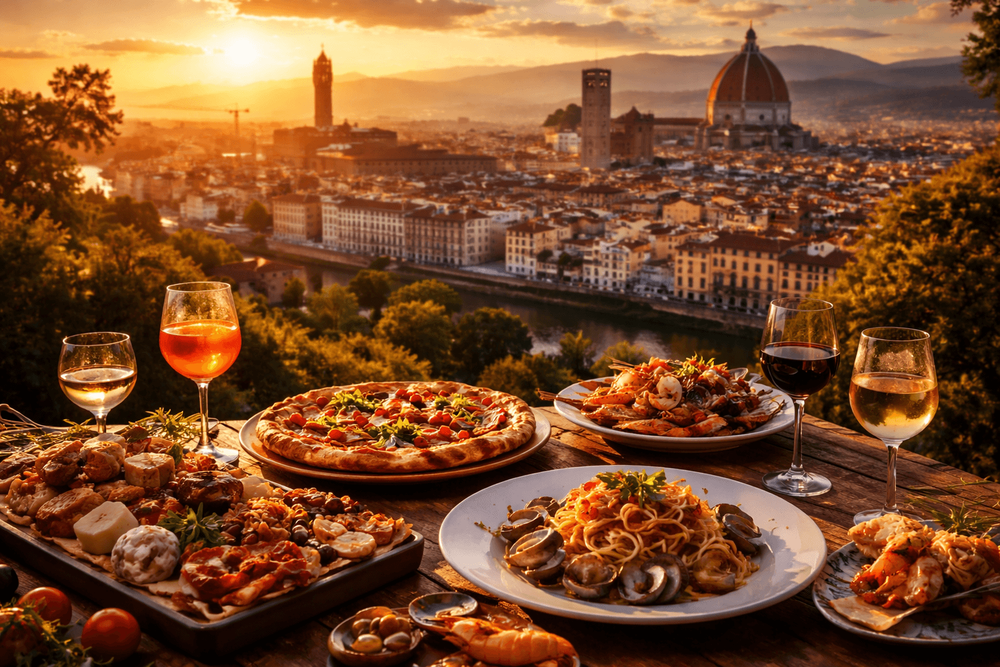
Top Cities for Food Lovers: Must-Taste Destinations and Where to Eat
From Tokyo’s temple-quiet sushi counters to San Sebastián’s pintxo bars, a definitive guide to the cities every food lover should taste now.
Mood
Culinary Pilgrimage
The steam rising from a Tokyo ramen bowl curls like calligraphy; a Mexico City trompo spins, its caramelized edges hissing; San Sebastián’s counters gleam with briny pintxos set on warm bread. This is how the world tastes right now. For travelers plotting their next bite, the top cities for food lovers are less about bucket lists and more about living, hungry, in the moment—following aromas down alleys, letting a market vendor pick the ripest fruit, and surrendering to the cadence of a city that eats well because it knows how to live.
How We Chose the Top Cities for Food Lovers
A great culinary city is an ecosystem. This curated list blends places with breadth and depth: culinary diversity and immigrant influences, iconic dishes perfected over generations, street-food electricity, fine-dining innovation, and market culture that reveals what locals actually cook. We weighed heritage and momentum—where centuries-old techniques meet contemporary chefs—and the ease with which travelers can taste a city from stall to counter to white tablecloth in a single day. Affordability, accessibility, and a sense of place mattered, too. The result: an authoritative, global take on the top cities for food lovers now.
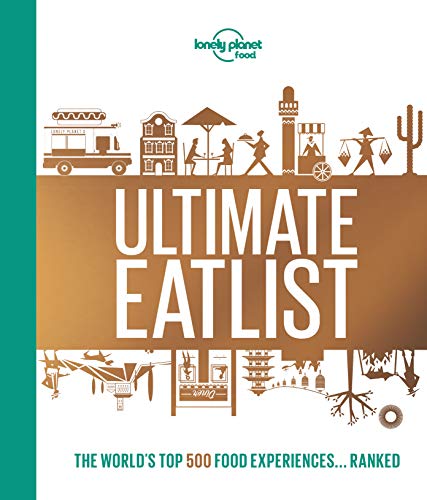
Lonely Planet Lonely Planet's Ultimate Eatlist (Lonely Planet Food) eBook : Food, Lonely Planet: Kindle Store
The result is a journey to Mozambique ... is the follow-up to our bestselling Ultimate Travelist and is <strong>a must-own bucket list for foodies and those who love to travel</strong>....
Check Price on AmazonStandout Cities and What to Eat
Tokyo, Japan
Precision and seasonality drive everything in Tokyo, from temple-quiet sushi counters to depachika food halls shimmering with lacquered bento. Even the humblest bowls chase perfection.
- Sushi omakase at Toyosu-adjacent counters like Sushi Daiwa (expect lines). Typical omakase ¥12,000–¥30,000; prized for knife work and immaculate rice.
- Yuzu-shio ramen at Afuri (Harajuku): ¥980–¥1,200; a citrus-lifted broth that tastes like mountain air.
- Depachika grazing at Isetan Shinjuku: bento and croquettes ¥800–¥2,000; a crash course in Japan’s craft obsession.
Where to linger: Check Ginza for refined kappo, Nakameguro for natural wine and small plates, and Tsukishima for monjayaki. The HOSHINOYA Tokyo tucks contemporary ryokan calm and a seasonal breakfast into the city’s heart—thoughtful luxury that mirrors Tokyo’s culinary exactitude.
Mexico City, Mexico
CDMX eats with verve—al pastor shaved at midnight, moles that read like novels, a fine-dining scene rewriting what “Mexican” can mean. Markets hum, mezcal glows, and flavors pulse with chilies and lime.
- Tacos al pastor at El Vilsito (Colonia Narvarte): MX$18–$28 per taco; char-ringed pork, pineapple brightness.
- Tostadas de atún at Contramar (Roma Norte): MX$280–$380; a study in texture—crispy tortilla, silky tuna, chipotle mayo.
- Tasting menu at Pujol or Quintonil: MX$2,500–$3,800; modernist storytelling through milpa traditions.
Where to linger: Roma and Condesa for all-day grazing; Centro Histórico for fondas; Coyoacán for churros and market snacks. Design-savvy Condesa DF places you steps from leafy streets and inventive kitchens.
Bangkok, Thailand
Bangkok is a city of sizzle and smoke, of late-night stir-fries and herb-thundered salads, of boats ladling noodles as motorbikes hum past. High and low happily share the table.
- Crab omelet at Raan Jay Fai (Samran Rat): THB 800–2,000; smoky wok-breath wrapped in sweet crab.
- Boat noodles at Victory Monument: THB 15–40 per bowl; dark, spiced broths meant to be ordered in multiples.
- Southern Thai tasting at Sorn or heritage flavors at Nahm: THB 2,500–4,500; terroir-driven spice architecture.
Where to linger: Yaowarat (Chinatown) for late-night snacks, Ari for café culture, Talat Phlu for grilled pork skewers.
San Sebastián, Spain
Food is civic religion here. Anchovies have vintages; cider houses clang with laughter; chefs treat terroir like grammar. Pintxos hop from bar to bar becomes a rite.
- La Cuchara de San Telmo: €4–€8 per pintxo; seared foie, braised veal cheek—small plates with fine-dining finesse.
- Bar Nestor: €20–€70; tomato salad as revelation, txuleta steak with salt and smoke.
- Arzak or Mugaritz tasting menus: €200+; avant-garde anchored in Basque identity.
Where to linger: Parte Vieja for classics, Gros for creative pintxos, and nearby Astigarraga for seasonal cider houses. The belle époque Hotel Maria Cristina pairs film-festival glamour with a breakfast that could be its own pintxos crawl.
Lima, Peru
Lima cooks the Pacific and the Andes into one table. Ceviche cuts like a bell; Nikkei bridges Japanese technique with Peruvian soul; markets overflow with tropical color.
- Ceviche at La Mar or El Mercado: PEN 40–70; lime-kissed, with cancha crunch and sweet potato balance.
- Nikkei tasting at Maido: PEN 500–900; exacting knife work meeting Peruvian biodiversity.
- Anticuchos from a Miraflores street stand: PEN 8–15 per skewer; smoky heart with ají punch.
Where to linger: Barranco for bohemian seafood, Miraflores for polished rooms, Surquillo Market No. 1 for home-kitchen reality.
Istanbul, Türkiye
Where continents meet, the table does too: meze that whisper of gardens, grills perfumed with charcoal, baklava layered like time. Markets are theater; tea is punctuation.
- Meze feast at Asmalı Cavit (Beyoğlu): TRY 500–900 per person excluding rakı; creamy ezme, grilled octopus, stuffed vine leaves.
- Regional Anatolian dishes at Çiya Sofrası (Kadıköy): TRY 200–450; seasonal stews and herb-forward specialties rarely seen elsewhere.
- Balık ekmek at Eminönü: TRY 60–120; fish sandwich with sea breeze built in.
Where to linger: Kadıköy market streets for daily life, Karaköy for cafés and baklava, Sultanahmet for tradition.
Singapore
A nation built around the table, Singapore’s hawker centers deliver democracy of flavor: Malay heat, Chinese finesse, Indian spice—all under neon and ceiling fans.
- Tian Tian Hainanese Chicken Rice (Maxwell Food Centre): S$5–S$8; poached tenderness, fragrant rice, gingery zing.
- Hill Street Tai Hwa Pork Noodle (Crawford Lane): S$6–S$10; vinegar-bright, porky umami with al dente bite.
- Satay at Lau Pa Sat: S$0.80–S$1.20 per stick; charcoal smoke and peanut sauce under the stars.
Where to linger: Tiong Bahru for cafés and heritage bakeries, Joo Chiat for Peranakan flavors, Old Airport Road for hawker mastery.
Naples, Italy
Naples is pizza’s heartbeat—an oven-blistered hymn to dough, tomatoes, and dairy—but the city also excels in fritti, seafood, and pastries dusted in sugar and history.
- Margherita at L’Antica Pizzeria Da Michele or Sorbillo: €5–€9; leopard-spotted cornicione, San Marzano glow, milky fior di latte.
- Cuoppo fritto (mixed fried seafood) in the historic center: €5–€10; crunchy paper cones of the Gulf.
- Sfogliatella riccia at Antico Forno Attanasio: €1.50–€3; layered crackle with ricotta-citrus heart.
Where to linger: Quartieri Spagnoli for energy, Via dei Tribunali for iconic pizzerie, Pignasecca Market for daily color.
Signature Plates, Prices, and What Makes Them Sing
Beyond the highlights above, aim for textures and techniques that define these cities:
- Tokyo: Tempura at Tempura Kondo (¥12,000–¥20,000 lunch/dinner) for oil-as-seasoning lightness; yakitori in Omoide Yokocho (¥180–¥400 per skewer) for smoke and snap.
- Mexico City: Barbacoa at El Hidalguense (MX$180–$350 per serving) for pit-roasted tenderness; churros y chocolate at Churrería El Moro (MX$40–$90) for midnight sweetness.
- Bangkok: Som tam and grilled chicken at Soi Polo (THB 120–300) for Northeast Thai balance; mango sticky rice at Mae Varee (THB 100–180) for coconut perfume.
- San Sebastián: Gilda (anchovy, olive, guindilla) anywhere venerable (around €2.50–€4) for the city’s salty emblem.
- Lima: Pollo a la brasa at Pardo’s (PEN 20–40 for a quarter) for smoky comfort; picarones (PEN 5–10) for squash-dough rings glazed in chancaca syrup.
- Istanbul: Kunefe in Karaköy (TRY 80–150) for hot cheese under shredded pastry; simit (TRY 10–15) for sesame mornings.
- Singapore: Chilli crab at Jumbo Seafood or Long Beach (S$60–S$90/kg) for sweet-fire shellacked bliss; kaya toast with kopi (S$4–S$7) for breakfast nostalgia.
- Naples: Espresso at Caffè Gambrinus (€1–€2 standing) for roasted intensity; mozzarella di bufala DOP at a caseificio just outside town (€6–€10 per ball) for grass-sweet cream.
Immersive Food Experiences Worth Booking
- Market-to-table tours: In Mexico City, a chef-led walk through Mercado Jamaica followed by a salsa-making session reveals how chilies shift with terroir. In Tokyo, a morning depachika tour with tasting bento trains the eye for craftsmanship.
- Hands-on classes: Learn rolling and rice-seasoning techniques at a Tokyo sushi workshop; in Bangkok, a canal-side school like Amita Thai Cooking teaches herb identification straight from the garden. In Lima, ceviche classes emphasize knife work and the timing of leche de tigre.
- Culinary pilgrimages: In San Sebastián, book a guided pintxos crawl that decodes etiquette and sequencing; then detour to an Astigarraga cider house for txotx season (roughly January–April). In Istanbul, join a meyhane night to understand meze pacing and the conviviality of rakı.
- Festivals and seasonal windows: Singapore Food Festival (often July) convenes the island’s best hawkers; Bangkok’s Vegetarian Festival (late Sept/early Oct) turns Yaowarat into a tofu-and-taro wonderland; Naples Pizza Village (June) gathers master pizzaioli along the waterfront; New Orleans Jazz & Heritage Festival (late April–May) plates crawfish bread and cochon de lait between sets.
- Chef meetups and talks: Scan schedules at Basque Culinary Center (San Sebastián) or cooking schools in Lima for guest chef pop-ups and tastings that spotlight producers.
Practical Planning for Culinary City-Breaks
- Best neighborhoods for eating: Roma/Condesa (CDMX), Nakameguro and Kanda (Tokyo), Yaowarat and Ari (Bangkok), Parte Vieja and Gros (San Sebastián), Barranco (Lima), Kadıköy and Karaköy (Istanbul), Tiong Bahru and Joo Chiat (Singapore), Via dei Tribunali and Quartieri Spagnoli (Naples).
- When to go for food: Spring and autumn flatter Tokyo’s markets; Nov–Feb in Bangkok is cooler for street food; Lima’s dry season (May–Oct) is ideal for ceviche crawls; San Sebastián shines during cider and anchovy seasons; Istanbul’s spring and fall balance harvests and mild weather; Singapore is year-round.
- Budgeting: Plan a high-low rhythm—hawker breakfasts and market lunches free up budget for a blowout omakase in Tokyo or a tasting menu in Lima. Street eats in Bangkok and Singapore can hover under US$5; an omakase in Tokyo or three-star Basque dinner may top US$200.
- Tipping norms: Japan and Singapore—no tipping (service charge included in Singapore); Mexico, Peru, Türkiye—10% is customary; Spain, Italy, France—round up or 5–10% for exceptional service; United States—18–20%. Always check if service is included.
- Street-food savvy: Follow queues and turnover; eat what’s cooked to order or served piping hot; in Mexico City and Peru, stick to bottled or purified water and be mindful of ice; Singapore’s tap water is safe; carry hand sanitizer and small bills; learn a few local phrases to order with respect.
- Getting around: Choose food-dense bases to walk between bites. In CDMX and Tokyo, subways are efficient; in Singapore, MRT connects hawker hubs; in Istanbul, ferries double as scenic commutes between meze tables.

GRAYL UltraPress 16.9 oz Water Purifier & Filter Bottle for Hiking, Backpacking, Survival, Travel (Olive Drab)
The 16.9 Fl Oz UltraPress Water Filter & Purifier Bottle <strong>removes ALL global waterborne pathogens (virus, bacteria, protozoa).</strong> As dirty water is pressed through the purifier media,
Check Price on AmazonA few stays that love food as much as you do: The HOSHINOYA Tokyo integrates seasonal kaiseki into a serene urban ryokan; Condesa DF brings a rooftop vantage over CDMX’s most delicious blocks; San Sebastián’s Hotel Maria Cristina is a grande dame where breakfast feels like a culinary tour.
Eat Well, Travel Lightly: Sustainable and Ethical Choices
- Choose producers first: In Lima, restaurants tied to research projects—like those sourcing via Mater Iniciativa—support biodiversity and indigenous knowledge. In Mexico City, book a chinampa farm visit in Xochimilco to see how heirloom greens reach top kitchens.
- Support markets with manners: Ask before photographing vendors; buy the taste, not just the image. Bring a reusable tote and, where accepted, a collapsible container for takeaway.
- Mind the seas: In Istanbul, learn the seasonal fish calendar (hamsi in winter, for example) and choose in-season species. In Tokyo and San Sebastián, opt for sustainably caught tuna and anchovies; ask counters about sourcing.
- Farm-to-table, for real: In Bangkok, chef-led spots like Bo.lan have long championed local growers and reduced waste; in Naples, seek Slow Food–listed osterie and visit a bufala dairy outside the city to see DOP standards in action. In Singapore, explore Kranji Countryside farms or rooftop gardens by Edible Garden City that supply nearby restaurants.
- Shrink the footprint: Walk; use public transit; share plates to minimize waste; skip single-use utensils and straws; pack a reusable water bottle and filter where tap water isn’t drinkable.
BAGGU Standard Reusable Shopping Bag (One Size, White): Reusable Grocery Bags
View on AmazonThe lasting image to take away? A table that mirrors its city: Tokyo’s immaculate arrangement, Mexico City’s joyous sprawl, San Sebastián’s sculpted small bites, Lima’s oceanic brightness. The world’s top cities for food lovers don’t just serve meals; they unfold stories—one bowl, one skewer, one sip at a time.
Recommended Travel Gear
Lonely Planet Lonely Planet's Ultimate Eatlist (Lonely Planet Food) eBook : Food, Lonely Planet: Kindle Store
The result is a journey to Mozambique ... is the follow-up to our bestselling Ultimate Travelist and is <strong>a must-own bucket list for foodies and those who love to travel</strong>....
GRAYL UltraPress 16.9 oz Water Purifier & Filter Bottle for Hiking, Backpacking, Survival, Travel (Olive Drab)
The 16.9 Fl Oz UltraPress Water Filter & Purifier Bottle <strong>removes ALL global waterborne pathogens (virus, bacteria, protozoa).</strong> As dirty water is pressed through the purifier media,
BAGGU Standard Reusable Shopping Bag (One Size, White): Reusable Grocery Bags
VERSATILE HANDLES - Sturdy, generous handles allow for hand holding or over the shoulder toting · TOTES UP TO 50 LBS. - Strong yet lightweight, this Baggu <strong>can hold up to 50 lbs. of stuff and r