
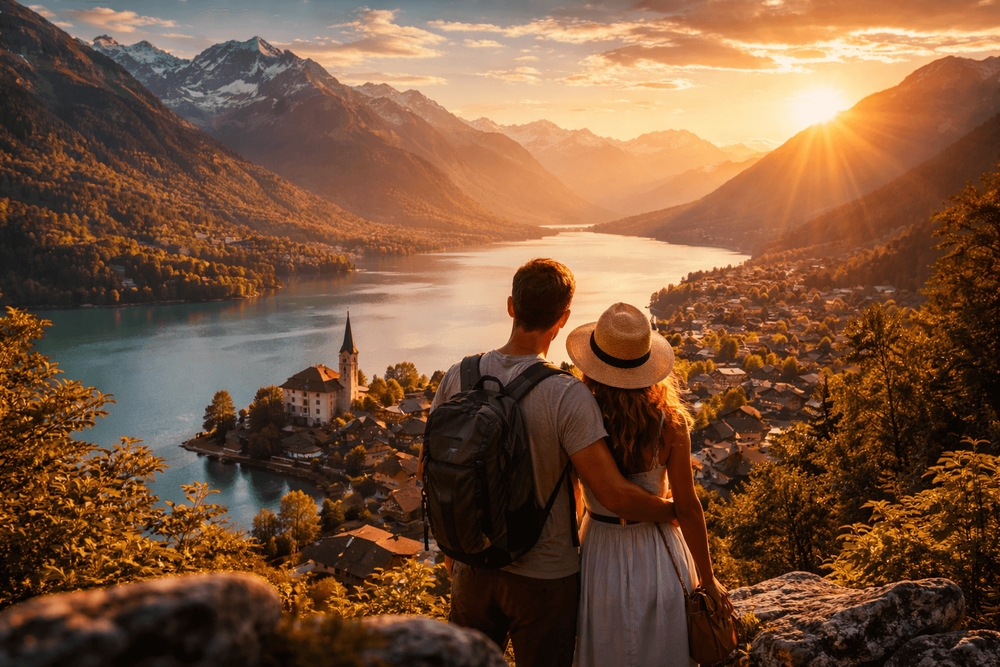
What Are the Safest Countries to Travel To? An Expert Guide
Data-led and deeply practical: the top 10 safest countries to travel to now, how we ranked them, where to go, and smart safety strategies for every traveler.
Mood
Safety-First Escape
A cobbled lane glows under streetlamps, cyclists drift past without hurry, and a café door swings open to the smell of butter and cinnamon. In places like this, the journey loosens its shoulders. Knowing you’ve chosen one of the safest countries to travel to changes everything—how late you wander, how freely you look up instead of over your shoulder, how fully you step into a destination’s everyday rhythm.
Why safety should shape your travel plans — how we define “safest”
Safety is not a single metric; it’s a tapestry. For travelers, “safest” means low violent crime, predictable infrastructure, reliable healthcare, and social norms that welcome visitors of all kinds. It also means understanding seasonal realities—storms, wildfires, avalanches—and how clearly a place communicates risk when nature flexes.
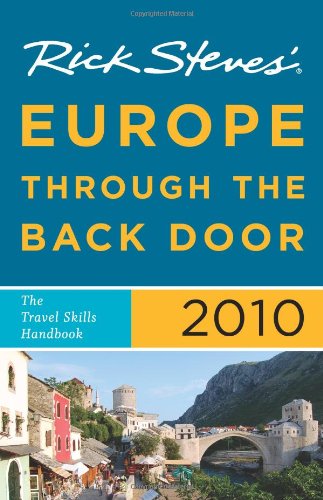
Rick Steves Europe Through the Back Door (Rick Steves Travel Guide): Steves, Rick
Publisher : Rick Steves · Publication date : <strong>January 30, 2024</strong> · Edition : 40th · Language : English · Print length : 824 pages · ISBN-10 : 1641715642 · ISBN-13
Check Price on AmazonFor this guide, safety is assessed across five pillars, blending the latest Global Peace Index (GPI) data with travel-advisory guidance and on-the-ground factors:
- Personal security and crime: Violent and petty crime rates, social trust, police responsiveness
- Political stability and rule of law: Civil unrest risk, corruption, rights protections
- Health and emergency readiness: Access to care, disaster response, hygiene, public-health transparency
- Infrastructure and mobility: Road safety, rail reliability, air safety records, pedestrian- and cycle-friendly design
- Inclusivity and visitor experience: Cultural openness to solo travelers, women, LGBTQ+ visitors, and families
No country is risk-free. But the destinations below consistently combine low crime, excellent logistics, and clear risk communication—conditions that let travelers spend less time worrying and more time noticing.
The Safest Countries to Travel To (Ranked)
These 10 standouts perform at or near the top of global peace and safety benchmarks and pair that with traveler-friendly infrastructure. Rankings reflect a composite of GPI placement, advisory patterns, health and infrastructure indicators, and traveler experience as of 2024. Conditions can evolve; always consult current advisories before departure.
1. Iceland
Steaming geothermal fields, black-sand beaches sighing under North Atlantic swells, and a culture of quiet courtesy set the tone. Iceland’s near-zero violent crime, robust emergency services, and clear hazard signage make it feel both wild and well watched-over.
- Quick facts: GPI leader; extremely low violent crime; English widely spoken; strong search-and-rescue culture
- Health & readiness: Universal care; excellent emergency response; transparent volcano and storm alerts
- Getting around: Paved Ring Road encircles the island; winter driving requires caution and studded tires
- Best time: June–August for midnight sun; September–March for Northern Lights
- Where to go: Reykjavík’s music and design scene; Golden Circle’s geysers; Snaefellsnes Peninsula’s coastal drama; Akureyri and the North; Westfjords for raw edge-of-world scenery
- Safety notes: Rogue waves and glacial lagoons are no-go zones; heed weather apps and road closures
2. Denmark
A gentle orderliness runs through Denmark—from Copenhagen’s bike lanes humming at rush hour to island villages where doors still feel purely ornamental. Travelers find calm, courtesy, and intuitive infrastructure at every turn.
- Quick facts: Top-tier GPI; very low crime; world-class cycling and pedestrian planning
- Health & readiness: Excellent hospitals; clean water; robust emergency coordination
- Getting around: Flat terrain; punctual trains; biking is effortless once basic rules are learned
- Best time: May–September for long days and outdoor dining
- Where to go: Copenhagen’s New Nordic kitchens; Aarhus’s museums; Bornholm’s beaches and smokehouses; Skagen’s painterly light
- Safety notes: Watch for bike priority at intersections; standard city pickpocket awareness in tourist zones
3. Ireland
Emerald headlands fall into foaming Atlantic in a country where conversation is a national sport and hospitality a reflex. Ireland’s safety lies in its social warmth as much as in its low violent crime and stable institutions.
- Quick facts: High GPI ranking; low violent crime; welcoming to solo travelers and families
- Health & readiness: Reliable emergency response; straightforward pharmacy access
- Getting around: Left-hand driving on narrow rural roads; rail links key cities
- Best time: April–October for softer skies and festivals
- Where to go: Dublin’s literary haunts; Galway’s trad music; the Wild Atlantic Way’s sea cliffs; Killarney’s lakes; Cork’s markets
- Safety notes: Weather turns on a dime along the coast; take care on one-lane country roads
4. New Zealand
A land of fjords carved like calligraphy and ferny hush in ancient forests, New Zealand blends nature-forward thrills with meticulous safety culture—from trail signage to adventure-operator standards.
- Quick facts: Near-top GPI; low crime; robust safety oversight in outdoor activities
- Health & readiness: High-quality emergency care; excellent search-and-rescue
- Getting around: Left-hand driving; winding roads reward unhurried itineraries
- Best time: November–April for hiking and beaches; June–August for skiing
- Where to go: Auckland’s harbors; Rotorua’s geothermal heart; Queenstown’s alpine adrenaline; Fiordland’s Milford and Doubtful Sounds
- Safety notes: Sun is fierce—SPF and hydration are non-negotiable; check quake and weather updates
5. Austria
Baroque grandeur, Alpine meadows, and the measured tick of punctual trams create an elegant ease. Austria’s cities feel impeccably kept; its mountains are well signed and responsibly managed.
- Quick facts: Top-5 GPI; low crime; efficient public transit even in smaller cities
- Health & readiness: Excellent hospitals; clear avalanche and weather bulletins in winter
- Getting around: Rail is seamless; mountain lifts run on precise schedules
- Best time: May–October for hiking and lakes; December for Christmas markets and skiing
- Where to go: Vienna’s coffeehouses and opera; Salzburg’s baroque lanes; Salzkammergut’s glassy lakes; Tyrol’s trails
- Safety notes: Mountain weather can pivot quickly; carry proper layers and heed trail markers
6. Singapore
A gleaming, tropical city-state where hawker centers steam under a haze of chili and lime, Singapore is a byword for order and cleanliness. Crime is among the world’s lowest; transport is simple and spotless.
- Quick facts: Among safest urban environments globally; strict laws; extremely low violent crime
- Health & readiness: Top-tier hospitals; swift emergency services; high food-safety standards
- Getting around: MRT is efficient; walking friendly; taxis and rideshares plentiful
- Best time: Year-round; brief tropical downpours are routine
- Where to go: Gardens by the Bay; Peranakan shophouses in Katong; Chinatown’s temples; hawker classics at Maxwell or Lau Pa Sat
- Safety notes: Laws on littering and drugs are stringent; always follow signage and local rules
7. Portugal
Tile-bright cities, azulejo-clad stations, and coastlines brushed by Atlantic wind—Portugal pairs softness of light with an easygoing hospitality and a strong safety record.
- Quick facts: Top-10 GPI; low violent crime; strong tourism infrastructure
- Health & readiness: Reliable emergency care; good sanitation; clear wildfire communications in summer
- Getting around: Trains improve yearly; intercity buses fill gaps; compact cities favor walking
- Best time: April–June, September–October for mellow weather
- Where to go: Lisbon’s miradouros and fado; Porto’s riverfront cellars; Alentejo’s cork forests; the Algarve’s coves; the Azores for volcanic hikes
- Safety notes: Tram pickpockets in Lisbon; heed beach flag systems and rip-current warnings
8. Slovenia
A small, green marvel stitched with rivers the color of blown glass, Slovenia feels both pristine and modern—an eco-forward nation where the welcome is sincere and systems work.
- Quick facts: Top-10 GPI; low crime; excellent water quality and outdoor safety culture
- Health & readiness: Good hospitals; clear signage in parks and cave systems
- Getting around: Reliable buses and trains; compact distances suit self-drive
- Best time: May–September for lakes and mountains; December for festive markets
- Where to go: Ljubljana’s riverside promenades; Lake Bled and Bohinj; the Soča Valley’s turquoise runs; Postojna and Škocjan caves
- Safety notes: Alpine storms can build rapidly; carry rain layers and non-slip footwear
9. Japan
Lantern-lit alleys, the hush of a temple garden at dusk, and trains that ghost into stations to the minute—Japan’s safety feels woven into daily life: low crime, unshowy courtesy, and meticulous public order.
- Quick facts: Top-tier GPI; very low violent crime; exceptional cleanliness
- Health & readiness: High-quality hospitals; superb disaster-preparedness culture
- Getting around: JR Rail is flawless; urban subways intuitive with English signage
- Best time: March–May for blossoms; October–November for foliage
- Where to go: Tokyo’s neighborhoods; Kyoto’s wooden machiya lanes; Kanazawa’s gardens; Naoshima’s art islands; Hokkaido’s national parks
- Safety notes: Earthquakes and typhoons are realities; follow local alerts and evacuation protocols
10. Switzerland
Clockwork railways glide past glacial valleys and butter-yellow meadows, while cities hum with quiet efficiency. Switzerland’s safety is infrastructural art—reliable, legible, and deeply funded.
- Quick facts: Top-10 GPI; very low crime; gold-standard rail and mountain safety systems
- Health & readiness: Excellent hospitals; clear avalanche and weather services
- Getting around: Trains and cable cars interlock across alpine regions
- Best time: June–September for hiking; December–March for snow sports
- Where to go: Zürich for art and lake dips; Lucerne’s lakeside promenades; Bern’s arcades; Zermatt and the Jungfrau for high-alpine drama
- Safety notes: High-altitude sun and rapid weather shifts; heed avalanche bulletins and trail closures
What makes these countries safe: data and methodology
This ranking triangulates multiple sources to reflect how safety feels on the ground:
- Global Peace Index (GPI): Benchmarks societal safety, conflict, and militarization
- Government travel advisories: Cross-referenced from multiple nations for a nuanced picture
- Health metrics: Access to care, public-health readiness, sanitation, and transparency
- Infrastructure and mobility: Rail and road safety records, air safety, walkability, and signage
- Inclusivity indicators: Legal protections for women and LGBTQ+ people; social tolerance; harassment prevalence
- Environmental and disaster risk: Storms, quakes, wildfires, avalanches, heat waves, and the quality of public alert systems
Weighting favors low violent crime and political stability, with meaningful credit for health access and disaster communication. Because safety is dynamic, travelers should verify current conditions through official advisories before booking.
Where to go inside each country — standout regions and experiences
- Iceland: The Golden Circle’s geysers and waterfalls; Snæfellsnes’s lava shores; Westfjords’ sheer cliffs and Arctic foxes; Highlands hut-to-hut treks with guides
- Denmark: Copenhagen’s canals by bike; Aarhus’s ARoS museum and Dokk1; Bornholm’s smokehouses and granite coasts
- Ireland: The Wild Atlantic Way from Dingle to Donegal; Connemara boglands; Dublin’s Georgian squares and music pubs
- New Zealand: Fiordland’s cruise-through cathedrals of stone; Abel Tasman’s golden arcs by kayak; Rotorua’s geothermal boardwalks
- Austria: Vienna’s Ringstrasse palaces; Wachau Valley cycling through vineyards; Tyrolean via ferratas with mountain guides
- Singapore: Hawker-hopping in Tiong Bahru; Southern Ridges hike; night safari at the zoo; Kampong Glam’s fabric shops and murals
- Portugal: Tram-sketched hills of Lisbon; Porto’s Douro day trips; Alentejo’s slow-food farm stays; Azorean crater lakes
- Slovenia: Lake Bohinj’s hush at dawn; the Soča’s suspension bridges; wine road tastings in Goriška Brda
- Japan: Kyoto’s temple dawn walks; Tokyo’s depachika food halls; Nakasendo Trail post towns; Hokkaido flower fields in summer
- Switzerland: Glacier Express panoramas; lake swims in Lugano; Lauterbrunnen’s waterfall valley; fondue in a car-free alpine village
Safety for different travelers: solo, families, LGBTQ+ and women
- Solo travelers: Denmark, Ireland, Japan, Singapore, and Slovenia pair low crime with intuitive transit and social ease. For destination picks calibrated to solo comfort and connection, see Solo Travel Destinations: Where to Go for Safe, Social & Seamless Trips (/experiences/solo-travel-destinations-safe-social-seamless-trips).
- Families: Austria, Switzerland, and Portugal excel with stroller-friendly streets, reliable rail, and family-forward amenities. Museums and alpine lifts are exceptionally accessible.
- LGBTQ+ travelers: Denmark, Portugal, Ireland, Switzerland, Iceland, Austria, New Zealand, and Slovenia offer strong legal protections and visible queer communities. Japan and Singapore are safe but more conservative; public affection draws attention less often in Tokyo’s Shinjuku Ni-chome or Singapore’s Tanjong Pagar than elsewhere. Always check current local norms.
- Women travelers: Iceland, Denmark, Ireland, Portugal, and Japan are consistently cited for low harassment and high bystander support. For curated picks and context, see Best Countries for Solo Female Travelers: Safe, Stylish, and Soulful (/experiences/best-countries-for-solo-female-travelers-safe-stylish-soulful).
Practical safety tips and tools for every trip
- Insurance and documents: Carry travel insurance that covers medical care, evacuation, and adventure activities where relevant. Keep physical and cloud copies of passports and policies.
- Local emergency numbers: Know them before wheels down. Europe uses 112; Japan’s police are 110 and fire/ambulance 119; New Zealand is 111; Singapore is 999 for police and 995 for ambulance/fire.
- Apps and alerts: Download official weather and emergency apps (earthquake/typhoon alerts in Japan; road and volcano updates in Iceland). Save offline maps and transit schedules.
- Money and identity hygiene: Use ATMs attached to banks, enable transaction alerts, and consider a PIN-protected digital wallet. In crowds, keep valuables zipped and front-facing.
- Night moves: Stick to lit streets, use licensed taxis or official rideshares, and in bar districts, watch drinks being poured and keep them within sight.
- Outdoor readiness: In alpine and coastal regions, check forecasts day-of, start early, and treat signage as law, not suggestion. Book certified guides for glaciers, via ferratas, or backcountry routes.
- Cultural attunement: In Japan, return found items; in Denmark, observe bike-lane etiquette; in Singapore, laws on littering, vaping, and drugs are strict. Attentiveness to local customs is its own safety net.

EPICKA Universal Travel Adapter, European Travel Plug Adapter (Not a Voltage Converter) - International Power Adapter Worldwide Charger with USB-C & 4 USB-A Ports, Travel Essentials (TA-105, Grey)
View on Amazon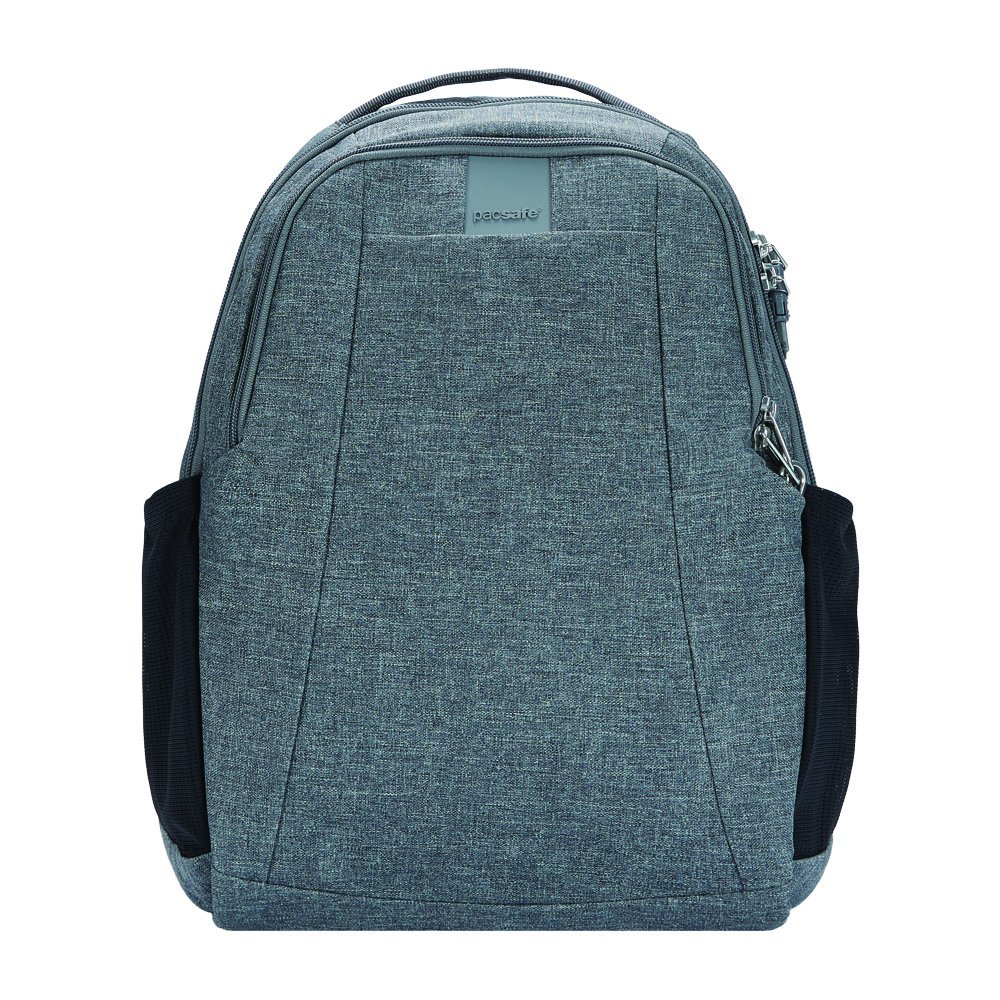
Pacsafe Metrosafe LS350 15 Liter Anti Theft Laptop Daypack/Backpack - with Padded 13" Laptop Sleeve, Tidal Teal : Electronics
Buy Pacsafe Metrosafe LS350 15 Liter Anti Theft Laptop Daypack/Backpack - with Padded 13" Laptop Sleeve, Tidal Teal and other Backpacks at Amazon.com. Our wide selection is eligible for free ship
Check Price on AmazonWhen to be cautious: advisories, seasons and common scams
- Read across advisories: Compare guidance from more than one government to triangulate risks. For an overview of how to interpret official guidance and calibrate risk, see Is It Safe to Travel to [Country]? Honest, Practical Safety Guide (/experiences/is-it-safe-to-travel-to-country).
- Seasonal patterns: Iceland’s winter black ice and sudden gusts; Portugal’s late-summer wildfire risk; Japan’s typhoon window (roughly August–October); Austria and Switzerland’s avalanche season. Build itineraries around local calendars, not just personal ones.
- Crowd-aware habits: In Lisbon’s historic trams, Tokyo’s rush-hour subways, and Copenhagen’s popular markets, keep phones zipped and bags closed. Distract-and-grab ploys—spilled condiment, sudden hugs, petition scams—thrive in dense tourist areas.
- Road realities: Rural Ireland’s single-lane roads and blind turns; New Zealand’s narrow bridges; Iceland’s F-roads restricted to 4x4 vehicles. When in doubt, slow down or reroute.
- Weather as authority: If a trail, beach, or road is closed, assume risk is active, not theoretical. Heeding closures is the quickest way to keep an itinerary intact.
Further reading and trustworthy sources
- Global Peace Index (GPI) — annual rankings and methodology notes
- Government travel advisories — check your home country’s foreign-affairs site and the destination’s own tourism board
- National meteorological and geological agencies — storm, avalanche, and seismic alerts
- World Health Organization (WHO) — health advisories and outbreak updates
- Local police websites and tourist-assistance hotlines — non-emergency guidance and lost-property protocols
- Embassy and consulate pages — registration programs and emergency contacts
- Responsible-adventure guidelines — mountain rescue services, park authorities, and certified guide bureaus
Choosing among the safest countries to travel to narrows the distance between anticipation and ease. It’s the confidence to take the long, lantern-lit way back to the hotel; to say yes to a dawn hike because the signage is clear and the weather channel is honest; to follow curiosity down an unfamiliar street simply because the city makes room for you there.
For a broader framework on narrowing the perfect destination to your travel style, see Travel Destinations: The Definitive Guide to Choosing Where to Go (/experiences/travel-destinations-definitive-guide).
Recommended Travel Gear
Rick Steves Europe Through the Back Door (Rick Steves Travel Guide): Steves, Rick
Publisher : Rick Steves · Publication date : <strong>January 30, 2024</strong> · Edition : 40th · Language : English · Print length : 824 pages · ISBN-10 : 1641715642 · ISBN-13
Pacsafe Metrosafe LS350 15 Liter Anti Theft Laptop Daypack/Backpack - with Padded 13" Laptop Sleeve, Tidal Teal : Electronics
Buy Pacsafe Metrosafe LS350 15 Liter Anti Theft Laptop Daypack/Backpack - with Padded 13" Laptop Sleeve, Tidal Teal and other Backpacks at Amazon.com. Our wide selection is eligible for free ship
EPICKA Universal Travel Adapter, European Travel Plug Adapter (Not a Voltage Converter) - International Power Adapter Worldwide Charger with USB-C & 4 USB-A Ports, Travel Essentials (TA-105, Grey)
Amazon.com : EPICKA Universal Travel Adapter, European Travel Plug Adapter (Not a Voltage Converter) - <strong>International Power Adapter Worldwide Charger with USB-C & 4 USB-A Ports, Travel Esse