
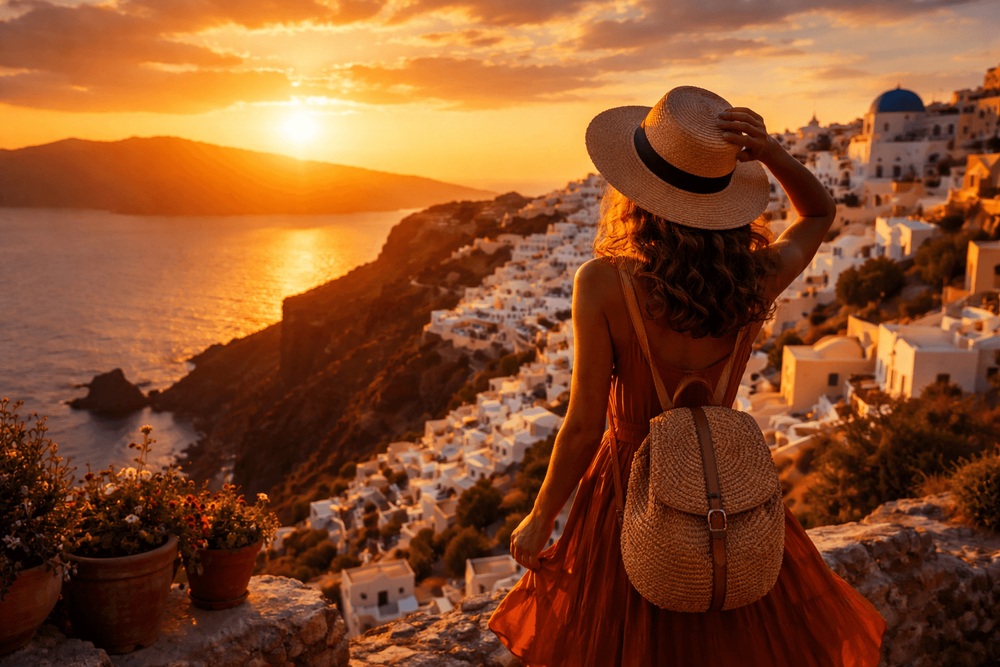
What Is Travel? A Modern Traveler’s Guide to Meaningful Journeys
From slow journeys to smart planning, sustainability, and soul, this guide explores what travel means today—and how to make every trip more meaningful.
Mood
Reflective Journey
At daybreak, the airfield hums like a held breath. A roll-aboard clicks across polished floors, coffee steams in a paper cup, and beyond the glass a wingtip cuts a pale ribbon of sky. This is the quiet threshold where travel begins—not only the movement from one place to another, but a deliberate crossing into curiosity, openness, and change.
What Is Travel Today?
Modern travel is broader, more intentional, and more accessible than at any point in history. It encompasses the annual family holiday and the six-month sabbatical, the restorative weekend close to home and the far-flung pilgrimage that reorders a life. Technology has compressed distances; a video call at breakfast precedes a night market dinner on the other side of the world. Yet amid this ease of movement, the prevailing trend is a return to meaning: travelers are choosing depth over breadth, purpose over checklist, resonance over bragging rights.
Several forces shape contemporary travel:
- A shift from collecting countries to collecting experiences—language lessons, cooking with grandmothers, dawn hikes for birdsong rather than sunrise selfies.
- The rise of slow travel, trading whirlwind itineraries for longer stays that allow a neighborhood, a coastline, a mountain valley to seep under the skin.
- Bleisure—blending business and leisure—enabled by remote-friendly work and flexible visas, with a focus on extended stays and local rhythms.
- A growing conscience around sustainability: taking the train where possible, choosing locally owned stays, visiting during shoulder seasons to soften overtourism’s edges.
- Wellness and nature-forward journeys: forest bathing, cold-water swims, pilgrim paths, and quiet coastal walks designed to soothe nervous systems overexcited by screens.
In short, travel has evolved from escape to exploration, from passive consumption to engaged exchange. It invites travelers to step into other ways of seeing, and to return home changed by the encounter.
Why We Travel: The Benefits, Backed by Research
Beyond postcards and photo streams, travel exerts measurable effects on mind and mood. Psychologists note that novelty—the new scents in a market, the altered cadence of daily routines—stimulates attentional systems and can reset patterns of thought. Time away from familiar demands reduces cognitive load; a different language at your ear nudges the brain toward flexibility and patience.
- Mental restoration: Exposure to natural environments lowers stress markers and supports attention. Unstructured time, rare at home, returns in transit: a train window becomes a meditation, a city garden a reprieve.
- Creativity and problem-solving: Shifting cultural contexts encourages pattern-breaking. Travelers often report fresh ideas and renewed motivation after even short trips.
- Emotional resilience: Navigating minor challenges—missed buses, unfamiliar menus—builds confidence and adaptability. Small wins abroad echo loudly once home.
- Empathy and cultural literacy: Meeting people in their own contexts builds nuance. Museums, street festivals, shared tables in humble cafés—each encounter widens perspective in ways no headline can.
- Relationship enrichment: Couples and families who travel together report higher shared satisfaction; rituals formed on the road—morning walks, tech-free dinners—often become anchors back home.
Importantly, these benefits rarely demand extremes. A two-day train trip a few hours away can refresh the spirit as surely as a long-haul odyssey; meaning lives in attention, not distance.
Types of Travel Explained
Slow Travel
Slow travel emphasizes time and texture. Think weeks in a single town, learning the names of bakers and bus drivers, reading the local paper over the same café table. Days stretch to include long lunches, detours down side streets, and unhurried observation.
Best for: Travelers seeking connection over coverage; remote workers; families with flexible schedules.
Luxury Travel
Luxury is less about marble lobbies than about ease, craft, and space. It looks like suites designed for deep sleep, guides who unlock private access, and meals that celebrate landscape and season. Quiet luxury prizes artisanship and privacy; modern luxury increasingly includes sustainability as a marker of quality.
Best for: Milestone trips; time-poor travelers who value expertise; those seeking restorative comfort.
Adventure Travel
From via ferratas and glacier walks to desert treks, adventure travel pairs physical challenge with wild places. Safety-forward operators, small groups, and Leave No Trace principles define the best experiences.
Best for: Active travelers; those seeking confidence-building challenges; nature lovers.
Cultural Immersion
Language exchanges, homestays, neighborhood food tours, volunteer archaeology days—cultural immersion foregrounds learning. Travelers listen more than they speak and seek contexts before conclusions.
Best for: Curious minds; students of history, art, and cuisine; anyone drawn to the story behind a place.
Bleisure
Work by day, wander by dusk. Bleisure travelers extend trips to explore with intention: renting an apartment near a park, finding a favorite lunch counter, using weekends for nearby excursions.
Best for: Remote workers; business travelers leveraging flexible policies; digital nomads.
Planning Principles for Memorable Trips
A memorable journey begins long before the boarding pass. A few planning frameworks elevate travel from pleasant to profound.
Start With Intention
Choose a theme that will guide decisions: "reconnect with nature," "practice the language," "trace a family story," "celebrate light and design." Let this intention determine destinations, budgets, and daily choices.
Budget With Clarity
- Allocate by priorities: 50% to stays and rest, 25% to local experiences, 15% to food, 10% to transport (adjust to your reality).
- Trade-offs matter: one splurge dinner can replace two middling meals; a slower train might fund an extra museum day.
- Cushion for serendipity: set aside 10–15% for the unplanned—a pop-up exhibition, a last-minute boat charter with a fisherman at dawn.
Time It Wisely
- Shoulder seasons often yield the best balance of weather, pricing, and breathing room.
- Build buffers: avoid back-to-back 6 a.m. flights; keep the final day light.
- Respect transit time: moving between cities often consumes more of the day than maps suggest. Aim for two to three nights minimum per stop.
Craft an Itinerary That Breathes
- The 3–2–1 rule: anchor three must-do experiences, plan two nice-to-haves, and leave one full block empty.
- Cluster days by neighborhood to reduce transit fatigue.
- Alternate tempos: follow a packed museum day with a picnic, a spa hour, or a local park.
Research Like a Local
- Read the city’s weekly listings for festivals and small shows.
- Scan local transit and holiday calendars; a strike or national holiday changes everything.
- Save offline resources: maps, translation tools, and key addresses for when signal fails.
Sustainable and Responsible Travel
Travel reshapes places as much as places reshape travelers. Thoughtful choices ensure your journey leaves a positive imprint.
Go Lighter on Carbon
- Choose trains or buses over short-haul flights when feasible.
- If flying, select newer, fuel-efficient aircraft and nonstop routes.
- Travel less often but longer; consolidate trips to reduce total flights.
Support Local Economies
- Stay in locally owned accommodations or properties with transparent community partnerships.
- Eat seasonal, regional food; take classes led by local artisans.
- Tip fairly; ask about cultural norms to avoid over- or under-tipping.
Tread Softly on Nature
- Follow marked trails; pack out waste; skip single-use plastics by carrying a bottle and filter.
- Choose wildlife experiences that prioritize habitat and animal welfare; avoid rides, feeds, or photo ops that stress animals.
Respect Culture and Privacy
- Dress with awareness of local customs, especially at religious sites.
- Ask before photographing people or homes.
- Learn basic phrases—greetings, thank-yous—which change the tone of any exchange.
Time and Place Matter
- Visit popular destinations in off-peak months or lesser-known regions to help disperse traffic and revenue.
- Consider staying just outside hotspots and commuting in by public transport.
Practical Tips for the Modern Traveler
Tech That Serves You
- Download offline maps, translation tools, and transit apps before departure.
- Use eSIMs or local SIM cards for reliable data; carry a universal adapter and a compact power bank.
- Keep digital backups of passports, insurance, and key reservations; share key details with a trusted contact.
Smart Packing
- Build a capsule: three tops, three bottoms, two shoes that mix and match across contexts.
- Favor quick-dry, breathable fabrics; pack layers instead of bulk.
- A small daypack with a water bottle, scarf, and lightweight rain shell covers most climates.
- A tiny kit—bandages, meds you know, electrolytes—preempts small disruptions.
Safety, Seamlessly
- Note local emergency numbers and the nearest medical facility.
- Use hotel safes or hidden pouches for extras; carry only what you need day-to-day.
- Register with your consulate when appropriate; skim local news for strikes, weather, or demonstrations.
- Trust your read on a place; step back from situations that compress your space or attention.
Flexibility Is a Superpower
- Book changeable rates for key legs; set alerts for schedule shifts.
- Plan Bs: a café for rain, a bus route if a ferry cancels, a museum if smoke closes trails.
- Add margin: a buffer day before important events, 90-minute gaps between train connections, and realistic layovers.
Trip Ideas to Get Started
Short Escapes (2–4 Days)
- Lisbon City Break: Land at golden hour and follow the scent of grilled sardines up into Alfama’s alleys. Ride Tram 28 at dawn, then spend the afternoon in Belém tasting pastéis warm from the oven. Sunset at Miradouro da Senhora do Monte, fado by night. Consider shoulder seasons for gentler breezes and lighter queues. Start here: Lisbon.
- Alpine Slow Weekend: Take the train into a mountain town, walk into meadows dotted with gentians, and end days in thermal pools as bells mark the hour. Picnic supplies from the Saturday market become the weekend’s rhythm.
Long-Haul, Transformational (7–14 Days)
- Kyoto for Living Tradition: A week in Kyoto is an immersion in restraint and ritual. Dawn at Fushimi Inari when the torii glow like embers; afternoons wandering machiya-lined lanes where the scent of cedar hangs in the air. Book a tea ceremony, cycle along the Kamo River, and take a day trip to moss gardens in Saihō-ji. Spring and late autumn shine, but winter’s hush is equally moving. Explore: Kyoto.
- Bali for Slow Wellness: Base in Ubud amid rice terraces that shimmer like silk. Mornings of yoga or guided forest walks, afternoons learning to pound bumbu in a family courtyard kitchen. Evenings bring gamelan’s bronze shimmer and the fragrance of frangipani after rain. Opt for eco-minded stays and allow time on the island’s north and east coasts, where the pace lingers. Plan with: Bali.
Bleisure-Friendly (4–6 Days)
- Tokyo, Work by Day, Wonder by Night: Anchor work hours in a quiet café near a garden—Shinjuku Gyoen’s camellias soften the edges of screen time. Evenings unspool in ramen counters where steam curls like calligraphy, in vinyl bars pouring impeccable highballs, on lantern-lit streets where the city hums low and constant. Tap into hyper-efficient trains for weekend escapes to Kamakura or Nikko. Discover: Tokyo.
- Design and Wine in the Douro: Morning emails from a terrace over terraced vines; afternoons in quintas tasting field blends under schist hillsides; a river cruise at dusk as swallows sew the sky.
Family-Friendly (5–10 Days)
- Coastal Nature and Culture: Base in a compact seaside city with a walkable old town and a child-friendly science museum. Alternate beach mornings with castle climbs and gelato stops. Travel off-peak for calmer sands and friendlier prices.
- National Park Loops: Choose two parks within a day’s drive, sleep in gateway towns, and string together ranger talks, easy trails, and night skies so bright they hush conversation.
How to Keep Travel Purposeful
Set an Intention Before You Go
Write it down: "notice craftsmanship," "invite small conversations," "seek water every day." Share it with your travel companions so decisions align.
Make Space for Reflection
Carry a slim notebook. Jot three lines each night: a sound, a smell, a surprise. On trains, answer prompts such as: What felt different today? What did I learn from someone local? Where did I feel most at ease?
Collect Fewer Things, More Traces
Save ticket stubs, a handwritten café receipt, a pressed leaf from a riverside walk. These lightweight mementos later unlock whole afternoons—the sound of traffic, the exact blue of a tram.
Build Post-Trip Rituals
On the first weekend home, recreate a dish you loved. Send a thank-you note to a guide or host. Add new music to a playlist for your commute. Consider a small donation to a community organization you encountered.
Turn Journeys Into a Habit of Attention
Carry travel’s stance into daily life: take a different route to the market, visit the museum you keep passing, attend a neighborhood festival you’ve never tried. The same qualities that make travel enriching—curiosity, openness, patience—flourish at home, too.
Where to Go Next
Let yearning and practicality meet on the page. Sketch a short list—two near, two far, one dream—then mark ideal seasons, align with time off, and begin. Whether it’s the luminous alleyways of Lisbon, the temple hush of Kyoto, the kinetic electricity of Tokyo, or the rice terrace horizons of Bali, travel remains what it has always been: a conversation between self and world. Step across the threshold with care and appetite, and the world—its markets and monsoons, its bells and birds, its unexpected kindnesses—will meet you halfway.