
The World’s Best Food Destinations — Where to Eat Now
A global, region-by-region guide to the world’s most delicious cities and markets—what to eat, when to go, and how to taste deeply without missing a beat.
Mood
Culinary Pilgrimage
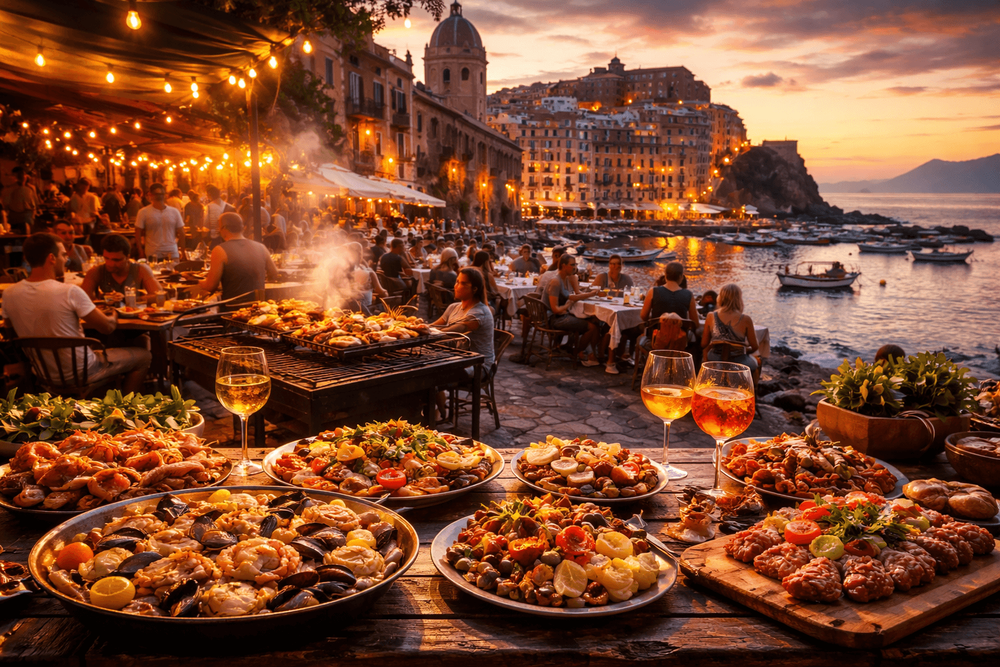
Travelers catch the first scent before they see the stall: smoke braided with star anise and citrus peel, the slap of dough on a griddle, a cascade of chopped herbs flashing emerald in a vendor’s steel bowl. In markets and backstreet kitchens across the globe, the best food destinations in the world turn daily life into theater, where appetite is both compass and language. This guide maps that hunger—across regions, through seasons, and into cities where the next unforgettable bite is only a corner away.
How These Places Made the List
A great plate can happen anywhere. But to earn a place here, destinations had to excel across three touchstones:
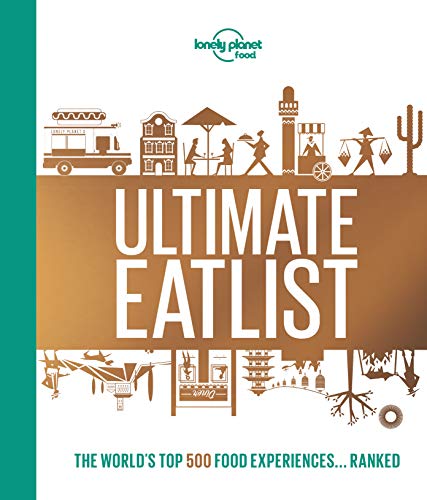
Lonely Planet's Ultimate Eatlist 1ed -anglais-: Lonely Planet
The result is <strong>a journey to Chinese hutongs, Texan BBQ joints, Tokyo sushi counters, Singapore hawker markets, San Sebastian pintxos bars, and unmissable restaurants around the world</strong>.
Check Price on Amazon- Authenticity: A living culinary culture—techniques passed through families, markets that shape menus, and chefs grounded in local terroir.
- Diversity: A table that accommodates curiosity—street snacks beside fine-dining, diaspora kitchens beside old-guard institutions, and flavors that reflect layered histories.
- Accessibility: Enough infrastructure—flights, transit, walkable neighborhoods, welcoming vendors—that makes tasting journeys realistic, not hypothetical.
Seasonality, sustainability, and safety also matter. The regions and cities below deliver depth over novelty; they are places travelers can explore for days and still feel they’ve only tasted the overture of what’s possible among the best food destinations in the world.
The Best Food Destinations in the World by Region
Asia-Pacific
Asia-Pacific is a feast of street-side alchemy and meticulous craft. In Japan, Tokyo is a constellation of specialty counters—ramen dens perfumed with pork bones and soy, sushi temples orchestrating rice and fish with millimeter precision, and depachika food halls that turn basements into wonderlands of pickles, mochi, and bento. Kyoto’s kaiseki distills the seasons into lacquered boxes—bamboo shoots in spring, matsutake and persimmon at autumn’s hush—while shōjin ryōri in temple kitchens celebrates plant-forward finesse.
Snow Peak Titanium Chopsticks - Essential & Durable Camping Cutlery - Titanium Chopsticks with Carry Case for Convenient Storage & Packing - Utensils for Camping, HIking & Home - Green
View on AmazonSouth Korea’s capital, Seoul, hums late into the night: char-licked galbi layered with perilla leaves, bubbling kimchi jjigae, markets like Gwangjang where knife-cut noodles and hand-pressed tofu meet crisp mung-bean jeon and tart makgeolli.
In Southeast Asia, Bangkok balances tang, heat, salt, and sweet with surgical accuracy—boat noodles under bridges, charcoal-licked satay, and fine-dining rooms reinterpreting royal recipes. Singapore distills the region into hawker centers: laksa steamed in coconut and chili, Hainanese chicken rice glossed with ginger-scallion oil, and kopi pulled to caramel froth. Penang and Kuala Lumpur carry Malaysia’s multicultural DNA—Nyonya curries layered with torch ginger, smoky char kway teow, and banana-leaf rice heaped generously.
Vietnam splits its appetite north to south: Hanoi’s broths are clear and herbaceous; Saigon adds swagger—broken rice with caramelized pork, bánh mì wearing a French-Vietnamese accent of pâté and pickles. In Indonesia, Bali is a study in contrasts: seaside Jimbaran fish grills at dusk, Ubud’s morning markets perfumed with kaffir lime, babi guling crackle, and a growing plant-based ferment-forward scene.
Australia’s cities—Sydney’s seafood, Melbourne’s laneway espresso culture and diaspora kitchens—turn the Pacific pantry into playful plates: finger limes, wattleseed, and abalone crafted with confident, contemporary grace. In the Himalaya, Nepal’s kitchens comfort at altitude—momo steamed to plump perfection, thukpa broth warming the spine, and seasonal festival foods that tell farming stories. Curious travelers can find guided tastings and workshops through local operators in the Kathmandu Valley; for inspiration, see Gourmet Food Tours in Nepal: Taste, Learn, and Shop Your Way Through Kathmandu & Beyond (/experiences/gourmet-food-tours-nepal-kathmandu-beyond).
Best time to taste: Tokyo and Kyoto shine spring (cherry blossoms) and autumn (foliage and fungi); Bangkok and Singapore are year-round with brief monsoon bursts; Bali’s dry season (May–September) favors outdoor eating; Vietnam and Nepal reward shoulder seasons (spring, autumn) with vivid produce and clearer skies.
Europe
Europe is a palimpsest of trade routes and terroir. In Portugal, Lisbon marries Atlantic breezes to tavern warmth—griddled sardines in summer, slow-cooked pork and clams, azulejo-clad pastelerias with custard tarts still warm from copper molds. Head north to Porto for smoky grilled octopus, vinho verde with a slight prickle, and tascas where cod takes on a dozen alter egos.
Spain’s Basque Country treats the bar as altar: pintxos skewered with anchovy, olive, and guindilla; San Sebastián’s kitchens, from side-street grills to Michelin mantelpieces, champion ingredients at peak. Barcelona adds Mediterranean swagger: calcots charred until sweet, market-fresh seafood bright with aioli, and cava clinking in tiled bistros.
Italy stretches appetite like hand-pulled pasta—Naples for blistered pizza and friarielli bitterness; Rome for quinto quarto, carbonara with a perfect emulsified sheen; Emilia-Romagna for Parmigiano’s crystalline crunch and aceto balsamico aged to syrup.
France’s Lyon remains a gourmand’s syllabus—bouchons, quenelles, and offal done with sly elegance—while Paris modulates between heritage bistros and neo-bistros riffing on North African and Southeast Asian flavors. In the north, Copenhagen and Stockholm continue the New Nordic dialogue: smoke, pickles, sea buckthorn brightness, and a conscience for soil and sea.
Helsinki deserves a longer look, where chefs are moving beyond salmon toward forest-foraged menus, rye breads with satisfying chew, and coffee culture that respects light roasts and pastry craft. For a deeper dive into the Finnish capital, see Beyond Salmon: Unique Food Experiences to Try in Helsinki (/experiences/unique-food-experiences-in-helsinki).
Best time to taste: Southern Europe excels spring and autumn when markets brim and heat relents; northern Europe’s summer yields berries, mushrooms, and terrace life. Winter introduces truffle hunts, holiday markets, and slow braises that match long nights.
Middle East & North Africa
Here, spice routes meet hospitality rituals. Istanbul layers empire on every plate: simit warm from sesame-crusted rings, fish sandwiches eaten quayside, and meze tables that stretch into soft-light evenings. In Gaziantep, pistachio perfumes baklava; grills turn lamb to poetry. Lebanon’s capital, Beirut, swings between za’atar-dusted breakfasts and seafood platters along the Corniche, while Tel Aviv’s markets glow with sabich, jachnun, and raw tahini richness.
Morocco’s kitchens are slow and scented: Marrakech for cumin and preserved lemon wrapped in tagines; Fez for medina-baked breads and orange-blossom pastries. In Jordan, mansaf—lamb, jameed yogurt, rice—is both ceremony and sustenance; Amman’s sweet shops fold pistachio and syrup into architectural layers.
Best time to taste: Spring and autumn temper heat, with Ramadan layering nights with sweets and dawn breakfasts; winters suit slow braises and market wandering without crowds.
Sub-Saharan Africa
From coastline to savanna, the region is variety personified. South Africa wines the table—Cape Town’s markets teem with biltong, Cape Malay spices, and cold-water shellfish; Durban steams with curry and bunny chow’s playful architecture. In Ethiopia, injera anchors platters of spicy wot and cooling ayib, coffee ceremonies spiraling incense and conversation.
West Africa moves to a drumbeat of peppers and smoke: Accra fries kelewele with ginger heat; Dakar serves thieboudienne—the mother of jollof—with ocean depth and tomato sweetness. On Zanzibar, clove-scented breezes usher in octopus curry and urojo soup at evening street stalls.
Best time to taste: Dry seasons typically favor open-air markets and street food; coastal cities taste best when monsoons abate and boats head out predictably.
The Americas
Mexico’s table is encyclopedic. Mexico City toggles between blue-corn tlacoyos on griddles and contemporary rooms spinning heirloom maize into gold. Oaxaca celebrates moles—each a geography of chiles, seeds, and time—and mezcal drawn from smoky earth. Across Peru, Lima’s Nikkei and chifa kitchens trace migration on the plate, while markets in Cusco offer high-altitude potatoes in psychedelic hues.
The U.S. and Canada contain multitudes: New York’s immigrant canteens and tasting-counter bravado; Los Angeles where Korean, Mexican, Persian, and Chinese flavors braise into something distinctly Angeleno; Montreal’s bistros, bagels, and natural wines in charmingly creaky rooms.
In South America’s south, Buenos Aires perfumes air with sizzling asado, chimichurri bite, and medialunas to match inky coffee. Brazil’s São Paulo is a sprawl of Japanese, Italian, and Northeastern Brazilian kitchens; Salvador serves acarajé from baianas in headwraps, dendê oil billowing perfume.
Best time to taste: Mexico and Peru shine in dry seasons (roughly November–April in many regions); North America thrives year-round with seasonal spikes—spring ramps and asparagus, late-summer stone fruit, autumn fungi; southern South America peaks November–March.
Spotlight Cities to Book Now
Tokyo
The city teaches an advanced course in focus. Sushi at ten seats, tempura that shatters like first ice, yakitori threaded with precision. Wander alleys of Golden Gai for thimble-sized bars, duck into an izakaya for skewers glazed with tare, then lose an hour in a department-store basement admiring fruit displayed like jewels. Essential experiences: a ramen crawl contrasting shoyu, miso, and tonkotsu; an early-morning visit to a wholesale seafood market; and a kissaten coffee that tastes like nostalgia. When to go: spring and autumn for produce and pleasant queues.
Kyoto
Seasonality is catechism here. Kaiseki menus narrate the moment—cherry blossoms in salt, river fish delicate as paper, charcoal-burnished wagyu with smoke so subtle it whispers. Seek tofu restaurants set near temple gardens, slurp soba in standing-only shops, and stroll Nishiki Market for pickles and sesame ice cream. A temple shōjin ryōri lunch reveals the genius of restraint. When to go: foliage season for wild mushrooms and chestnuts; early summer for ayu and bamboo.
Seoul
Seoul is sociable eating perfected. Table grills hiss as marbled cuts sear; banchan multiply—crunchy, spicy, sour, sweet—an edible symphony. Markets from Gwangjang to Noryangjin stage noodles, hand-cut and steaming, and just-caught fish transformed on the spot. Late nights bring tteokbokki heat and soju toasts. Don’t skip temple cuisine tastings for a counterpoint of calm and seasonal depth. When to go: spring for wild greens (namul); crisp autumn for mountain mushrooms; winter for stews.
Lisbon
Atlantic air, tiled facades, and kitchens that prize simplicity. Start in a neighborhood tasca with caldo verde and pork with clams; graze petiscos—octopus salad, pica-pau, conservas served with pleasure—and end with custard tarts still warm under cinnamon dust. Seafood markets spill into restaurants; grilled sardines star in summer street festivals. When to go: shoulder seasons (April–June, September–October) for market abundance and mild evenings.
Bali
Beyond terraced paddies and temple bells, Bali cooks with spirit. Mornings at Ubud’s markets layer banana leaf, turmeric, and coconut fragrance; warungs serve nasi campur in big-hearted portions; seaside grills at Jimbaran char snapper and prawns kissed with lime. Babi guling delivers a crash course in crunch; ceremonial lawar reveals the island’s spice logic. Café culture is strong, with a tilt toward fermentation, local cacao, and single-origin coffee. When to go: dry season (May–September) for alfresco feasts.
Mexico City
A capital of contrasts. Breakfast chilaquiles brims with salsas that spark; street esquites scent the air with epazote; and the city’s modern dining rooms translate the milpa—corn, squash, beans—into sleek poetry. Spend evenings on taquería stools debating al pastor lineage, and plan a day trip to markets in Xochimilco or beyond for chinampa-grown greens. When to go: November–April for blue skies and markets in full cry.
San Sebastián
Pintxos crawl from bar to bar, each countertop a still life of skewers and small plates—anchovy with butter, spider crab gratin, tortilla with a barely set center. Wood-fired grills outside town turn turbot and txuleta into elemental feasts. When to go: late spring to early autumn for terraces and coastal walks.
Bangkok
A city wired for appetite. Long-tail boats ladle soup under bridges; Chinatown wok smoke writes poems in the air; and chefs reimagine palace cuisine with modern shine. Build days around street breakfasts, market wanderings, and a destination dinner that refracts Thailand’s regional diversity. When to go: cool season (November–February) for stamina and street-side comfort.
Must-Try Experiences in Every Destination
- Street-food crawls: Follow your nose—and the longest queues. In many cities, a guided or self-designed crawl reveals taxonomy by texture: crisp (fried doughs), slurp (noodles), chew (grilled skewers), sip (broths and juices).
- Morning markets: Arrive at opening. Watch knife work, sniff herbs, ask (with a smile) for the ripest or sweetest. Buy small, often, and taste in season.
- Fine-dining tastings: Book a counter or chef’s table to see technique up close—fermentation pantries, charcoal hearths, handwork that turns humble roots into sculpture.
- Cooking classes and home kitchens: Half a recipe is story—grandmother tricks, festival rituals, and the reason the hand remembers what the scale can’t. Seek classes that shop first, then cook.
- Producer visits: Cheese caves, olive mills, vineyards, rice terraces, fish markets before dawn—understanding origin sharpens palate and respect.
- Drinks culture: Tea houses for ceremony and stillness; coffee bars for craft and chat; natural wine bars and sake counters that pair place to glass.
- Sweets and breads: From Japanese wagashi to Moroccan msemen, from Lisbon’s custards to Mexico’s pan dulce, dessert is anthropology by another name.
- Food festivals: Cherry-blossom picnic season in Japan; sardine festivals in Lisbon; harvest crush in wine regions; mooncake season across Chinese communities.
Practical Tips for Food Travelers
- When to visit: Let produce calendars lead. Spring and autumn often deliver peak markets; rainy seasons can punctuate trips but also quiet crowds and enrich rivers and paddies.
- Budgets: Mix high and low. Splurge on one tasting menu; let most meals be markets, counters, and family-run canteens. Cash helps at small stalls, but major cities are increasingly card-friendly.
- Reservations: Set alarms for acclaimed counters—some open books a month out, others the same day. Walk-ins succeed earlier in the week or at second seatings.
- Etiquette: Learn the basics—chopsticks respectfully placed, right hand for passing food in parts of the Middle East and India, no tipping in Japan but round-up norms or 10–15% in much of Europe and the Americas.
- Dietary needs: Print allergy cards in local languages; research staples (e.g., fish sauce prevalence in Southeast Asia, ghee in India). Vegetarian and vegan options expand globally, but clarity prevents missteps.
- Food safety: Eat where turnover is high and cooking is visible; choose fruit you can peel; carry hand sanitizer; pack rehydration salts for long days in heat.
- Language hacks: Learn five words—please, thank you, delicious, how much, and not spicy/with no—plus digits for prices. Photos help; pointing, smiling, and patience help more.
- Getting around: Map clusters—markets near train hubs, streets with several noteworthy stalls—so hunger and transit connect. Early starts and afternoon siestas make room for the evening appetite.

GRAYL UltraPress 16.9 oz Water Purifier & Filter Bottle for Hiking, Backpacking, Survival, Travel (Olive Drab)
The 16.9 Fl Oz UltraPress Water Filter & Purifier Bottle <strong>removes ALL global waterborne pathogens (virus, bacteria, protozoa).</strong> As dirty water is pressed through the purifier media,
Check Price on AmazonWhere to Stay and How to Book Food-Focused Experiences
Stay where the market wakes the morning. In Tokyo, beds near Ginza or Shinjuku place depachika and noodle dens within elevator range; in Kyoto, aim for Gion or along the Kamo River for short walks to tea houses and tofu specialists. In Seoul, base near Jongno or Myeong-dong for market forays; in Lisbon, Baixa, Chiado, or Campo de Ourique bring tascas close and tram rides closer. In Bali, Ubud is the island’s palate—markets, cafés, and cooking schools within scootering distance; beach stays in Seminyak or Canggu trade dawn roosters for sunset grills.
Style depends on appetite for community or privacy. Design-forward boutiques, ryokan with kaiseki dinners, pousadas in tiled townhouses, and convivial hostels all feed different moods. For budget-savvy travelers chasing flavor in Japan, Portugal, and Indonesia, see Best Hostels for Every Traveler: Curated Picks in Tokyo, Kyoto, Lisbon & Bali (/experiences/best-hostels-tokyo-kyoto-lisbon-bali) for neighborhood context.
Booking experiences works best from the ground up. Start at markets: ask vendors about classes, tastings, and farm visits. Tourism boards and municipal market websites often list cooking schools and seasonal festivals. Hotel concierges and guesthouse hosts tend to know which food tours respect producers and schedules. Arrive with a short list, then let local conversations edit it.
Further Reading and Resources
- Top Cities for Food Lovers: Must-Taste Destinations and Where to Eat (/experiences/top-cities-for-food-lovers)
- Off the Beaten Path: A Food Lover’s Guide to Authentic Eats (/experiences/off-the-beaten-path-food-authentic-eats)
Those hungry for Nordic nuance can continue with Beyond Salmon: Unique Food Experiences to Try in Helsinki (/experiences/unique-food-experiences-in-helsinki), while Asia-bound travelers curious about Himalayan flavors should explore Gourmet Food Tours in Nepal: Taste, Learn, and Shop Your Way Through Kathmandu & Beyond (/experiences/gourmet-food-tours-nepal-kathmandu-beyond).
In the end, the table is a map and memory at once—steam fogging glasses over a bowl in Hanoi, the cold snap of a Helsinki morning softened by a cardamom bun, the salt breeze on a Lisbon terrace as sardines hiss on the grill. Follow appetite, respect the hands that feed it, and the best food destinations in the world will return the favor with flavors that linger long after the flight home.
Recommended Travel Gear
Lonely Planet's Ultimate Eatlist 1ed -anglais-: Lonely Planet
The result is <strong>a journey to Chinese hutongs, Texan BBQ joints, Tokyo sushi counters, Singapore hawker markets, San Sebastian pintxos bars, and unmissable restaurants around the world</strong>.
Snow Peak Titanium Chopsticks - Essential & Durable Camping Cutlery - Titanium Chopsticks with Carry Case for Convenient Storage & Packing - Utensils for Camping, HIking & Home - Green
TITANIUM ALLOY - <strong>Offering superior rigidity and reduced heat transfer</strong> · STAND OUT - Available in bright metallic colourways to help you stand out from the crowd · CASE INCLUDED - Pack
GRAYL UltraPress 16.9 oz Water Purifier & Filter Bottle for Hiking, Backpacking, Survival, Travel (Olive Drab)
The 16.9 Fl Oz UltraPress Water Filter & Purifier Bottle <strong>removes ALL global waterborne pathogens (virus, bacteria, protozoa).</strong> As dirty water is pressed through the purifier media,