
Best Time to Visit Thailand: When to Go by Weather, Festivals & Crowds
Plan Thailand perfectly: cool-season bliss, shoulder-season bargains, and where to go month-by-month for beaches, festivals, diving, and culture—by region.
Mood
Seasonal Planner
At daybreak, the Chao Phraya shimmers pewter as long-tail boats whisper past gilded temple spires and saffron-robed monks pad along riverfront lanes. The air holds a hint of jasmine and charcoal smoke from street grills, tempered by a forgiving breeze. For travelers wondering the best time to visit Thailand, this is the feeling most come for: warm but breathable days, rain held at bay, and the country’s easy rhythm in full swing.
Best Time to Visit Thailand: Quick Answer
For most travelers, the best time to visit Thailand is November to February. The cool, dry season brings lower humidity, blue-sky days and comfortable temperatures across much of the country—from temple hopping in Bangkok and Chiang Mai to island-hopping along the Andaman Sea. Shoulder months on either end (late October, March, and early April) can be rewarding for lower prices and fewer crowds, though the heat intensifies by mid-April and regional rains start shifting by May. Those prioritizing the Gulf islands (Koh Samui, Koh Phangan, Koh Tao) will find a sweet spot from January to August, while the Andaman coast (Phuket, Krabi, Koh Lanta) shines from late November through April.

Lonely Planet Thailand 17 (Travel Guide): Lonely Planet
Honest reviews for all budgets ... Phuket, Andaman Coast · The Perfect Choice: Lonely Planet's Thailand is <strong>our most comprehensive guide to Thailand</strong>, and is perfect for discoverin
Check Price on AmazonThailand’s Seasons Explained
Thailand’s tropical climate breaks into three broad seasons that feel distinct on the skin—and differ by coast and altitude.
Cool/Dry Season (roughly November–February)
- What it feels like: Mornings are crisp by Thai standards, afternoons are warm but civilized, and humidity is subdued. In the north, evenings can be surprisingly cool.
- Where it excels: Countrywide. Bangkok breathes easier, Chiang Mai’s hills turn to hiking invitations, and the Andaman Sea flaunts glassy, turquoise water.
- Caveats: Peak season pricing and occupancy, especially over Christmas/New Year and Chinese New Year.
Hot Season (March–May)
- What it feels like: The mercury climbs and the air thickens; concrete radiates heat in Bangkok, while beaches depend on sea breezes. Afternoon thunderstorms can break the heat.
- Where it excels: Islands that catch breezes or higher-altitude escapes. Early March still sees lovely Andaman conditions; the Gulf is often steady.
- Caveats: Mid-March to late April is the year’s hottest stretch. Northern Thailand may experience smoke/haze from regional agricultural burning, reducing air quality and views.
Monsoon/Green Season (May–October, with regional differences)
- What it feels like: A daily rhythm of sun, towering clouds, then dramatic showers that wash the streets and perfume the air with petrichor. Lush landscapes return and waterfalls roar.
- Where it excels: Interior national parks (Khao Sok, Erawan) and the Gulf islands (often July–August). City sightseeing can be pleasant between downpours.
- Caveats: The Andaman coast gets its heaviest seas June–September; some boat trips cancel, and certain beaches see rip currents. On the Gulf side, the wettest window is often October–December, peaking in November.
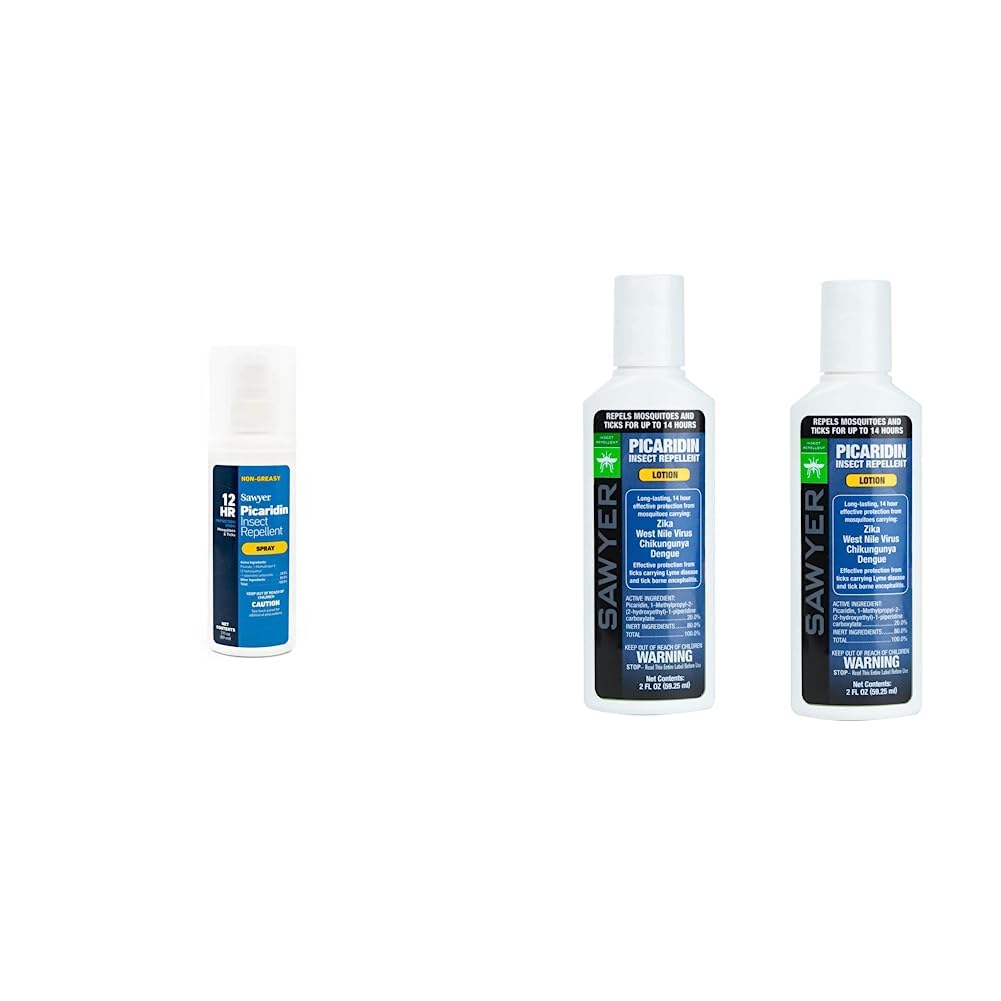
Sawyer Products SP5622 Picaridin Insect Repellent Lotion, 20% Picaridin, 2-Ounce, Twin Pack
View on AmazonBest Time by Region
Thailand’s coasts are out of sync, and altitude matters. Time it right for each region.
Bangkok & the Central Plains
- Best: November–February for tempered heat and clearer skies—prime for rooftop sunsets, canal cruises, and temple mornings before the city warms.
- Shoulder: March and late October can be excellent for thinner crowds if you prioritize early starts and midday breaks.
- Expect: Occasional showers June–September that pass quickly; excellent museum days and café culture fill the gaps.
- Insider tip: Lunar New Year (Jan/Feb) ignites Yaowarat (Chinatown) with lion dances and fireworks—book ahead.
For budget-minded overnights in prime locations, see our curated list of Best Hostels in Bangkok: Stylish, Social & Central Stays.
Northern Thailand (Chiang Mai, Chiang Rai, Pai)
- Best: November–February. Cool mornings, golden light over terraced hills, and crisp nights make this the north at its most alluring.
- Avoid: Late February–April can bring agricultural smoke that degrades air quality and mountain views; check conditions before committing.
- Highlights: Trekking in Doi Inthanon and Doi Suthep–Pui National Parks, café-hopping in Chiang Mai’s Nimmanhaemin, and lantern-lit festivals in November.
Andaman Coast (Phuket, Krabi, Koh Lanta, Similan & Surin Islands)
- Best: Late November–April. Seas are calm, visibility for snorkeling and diving is at its peak, and longtail boats can reach tucked-away bays.
- Shoulder: May and October can serve up sunshine between showers and lower rates—but sea conditions vary by day.
- Avoid: June–September if your plans hinge on daily boat trips; expect rougher seas and intermittent beach red flags, though surfers enjoy mellow waves.
- Diving: The Similan and Surin marine parks generally open mid-October to mid-May; December–April is prime for mantas and whale sharks around remote pinnacles.
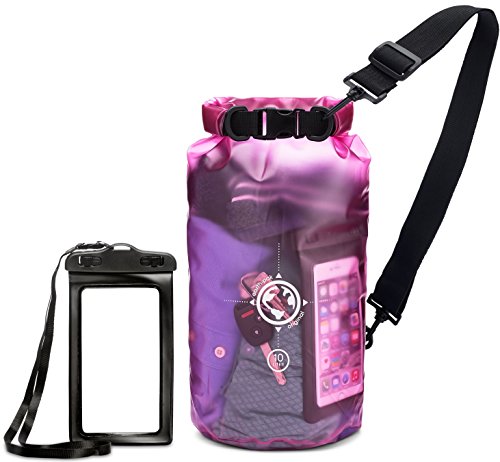
Earth Pak Waterproof Bag- 10L / 20L Sizes - Transparent Dry Bag So You Can See Your Gear - Keep Your Stuff Safe and Secure While at the Beach, Swimming, Fishing, Boating, Kayaking
View on AmazonGulf Coast & Islands (Koh Samui, Koh Phangan, Koh Tao)
- Best: January–August. Drier months, steady seas, and a different rhythm than the Andaman. February–April are especially sunny.
- Shoulder: May–June bring brief showers but many bright days; July–August is a strong choice when the Andaman is wet.
- Avoid: October–December, when the Gulf’s monsoon peaks, especially November.
- Diving: Koh Tao often sees excellent visibility July–September and again around March–May; calm conditions suit beginners.
Festivals & Experiences by Month
Thailand’s calendar blends Buddhist holy days, regional traditions, and beach-life rituals.
- January: Cool, bright days countrywide. Chinese New Year often falls late Jan/early Feb—Bangkok’s Chinatown erupts with lanterns, drums, and dragon dances. Andaman islands are in their element.
- February: Chiang Mai Flower Festival (first weekend)—floats carpeted with orchids and marigolds parade old-town streets. Romantic beach weather on both coasts, with the Gulf steady and Andaman superb.
- March: Hot season steals in. Diving around the Similan/Surin can be exceptional for pelagic sightings. Lantern-lit temple fairs in the north glow against warmer nights.
- April: Songkran (Thai New Year; roughly April 13–15). A nationwide water fight with deep cultural roots—merit-making at temples by morning, joyful splashing by afternoon. Expect higher prices and local travel.
- May: Beginning of the green season in much of Thailand; Isaan’s Rocket Festivals (Bun Bang Fai) send homemade rockets skyward to beckon rain—vibrant, raucous, and uniquely northeastern.
- June: Lush interiors and fewer crowds. Waterfalls and national parks come alive; island hopping on the Gulf remains enticing.
- July: Khao Phansa (Buddhist Lent) marks the monks’ retreat to monasteries; candle processions in Ubon Ratchathani are spectacular. Gulf islands thrive; Andaman sees regular showers.
- August: Peak European holidays meet good Gulf conditions—book Koh Samui/Phangan early. Jungle lodges in Khao Sok feel primeval under emerald canopies.
- September: Quiet month with value everywhere. Phuket’s Vegetarian Festival sometimes falls in late Sep/early Oct, depending on the lunar calendar—processions, devotion, and eye-widening rituals.
- October: Transitional. The Andaman begins to brighten late in the month; vegetarian festivities continue in Phuket when dates align. Shoulder-season bargains in Bangkok.
- November: Loi Krathong and Yi Peng (usually Nov)—lighting banana-leaf boats and sky lanterns turns rivers and skies into constellations. Andaman sailing season restarts; the Gulf is at its wettest.
- December: Peak dry season returns across most of Thailand. Christmas and New Year bring festival energy and full-booked beachfronts; city hotels also spike.
Note: Full Moon Parties on Koh Phangan run year-round, typically timed to the lunar cycle. Seas and skies are most reliable from January to August.
When to Avoid and Why
- Extreme heat: Mid-March to late April can be punishing, especially in Bangkok and inland cities. Plan dawn-to-late-morning sightseeing, long lunches in air-conditioned cafés, and siestas.
- Northern smoke/haze: Late February to April often sees regional agricultural burning in the north. Sensitive travelers may prefer to shift plans south or time visits for November–January.
- Heavy rains and rough seas: June–September on the Andaman can cancel ferries and snorkeling trips; October–December on the Gulf sees the heaviest rains, especially November.
- Peak crowds and surcharges: Christmas/New Year and Chinese New Year fill resorts, require multi-night minimums on some islands, and raise rates. Book early or travel just before/after.
What to Expect and Pack Each Season
Timing fine-tunes activities—and your bag.
Cool/Dry Season
- Activities: Island-hopping in the Andaman, trekking in Chiang Mai’s hills, cycling Ayutthaya’s temple ruins, rooftop aperitifs in Bangkok, sailing the Phang Nga seascape.
- Wildlife & nature: Best marine visibility Andaman-wide; national parks are accessible with trails in good condition.
- Pack: Light layers for cool northern nights, a breathable scarf for temples, reef-safe sunscreen, and a light jacket for breezy boat rides.
Hot Season
- Activities: Early-morning temple visits, lazy beach days with long swims, night markets after sunset, mountain escapes to Mae Hong Son.
- Wildlife & nature: Whale shark encounters sometimes peak in March–April off the Andaman; visibility remains strong until winds shift.
- Pack: High-SPF reef-safe sunscreen, wide-brim hat, quick-dry clothing, electrolyte tablets, and a compact umbrella for pop-up storms.
Monsoon/Green Season
- Activities: Waterfall chasing (Erawan, Khao Yai), lake expeditions in Khao Sok’s otherworldly karst landscape, cooking classes, spa days, and museum time.
- Wildlife & nature: Forests erupt in green; rivers run fuller. Sea turtles nest in some areas (observe with guides). Surfable waves visit Kata and Kalim in Phuket.
- Pack: Light rain jacket, dry bag for boats, grippy sandals, deet-free mosquito repellent with picaridin, and a backup charging brick for weather-delayed days.
Sample Itineraries by Ideal Window
A well-timed route transforms a good trip into a great one.
Cool-Season Highlights (12–14 days; Nov–Feb)
- Bangkok (3 nights): Sunrise at Wat Pho, ferry to the Grand Palace, and sunset drinks overlooking the river. Day trip to Ayutthaya or the floating markets.
- Chiang Mai (4 nights): Craft villages and café corners by day; lantern-lit temple walks after dusk. One-day trek or cycling through paddy-lined lanes.
- Andaman Coast (5–7 nights): Base in Krabi or Koh Lanta for longtail outings to Hong or Phi Phi islands; slot in a dive/snorkel day and a sailing sunset.
Travelers extending across borders can stitch Thailand into a regional route—start in Bangkok, then arc through Laos, Vietnam, and down to Bali with this smart Backpacking Southeast Asia Itinerary: 4–8 Week Route from Bangkok to Bali. First-timers will appreciate the broader context in our Backpacking Southeast Asia: The Definitive Guide for First-Timers.
Shoulder-Season Bargains (10–12 days; late Oct–Nov or March)
- Bangkok (2 nights): Leafy canal rides and galleries in the old town; temperate evenings for Chinatown tastings.
- Kanchanaburi (2 nights): River Kwai history, Erawan’s tiered pools newly flushed in green season’s wake (late Oct/Nov) or mellow in March.
- Andaman or Gulf (6–8 nights): In March, pick the Andaman for late-season clarity; in late October/early November, watch for improving seas on the Andaman or head early to Koh Samui if the Gulf is already stabilizing.
Monsoon Escapes (8–10 days; July–August)
- Bangkok (2 nights): Market rambles between showers; world-class dining when it pours.
- Gulf Islands (6–8 nights): Koh Samui as a polished base, Koh Phangan for boho coves, and Koh Tao for laid-back diving—often sunny while the Andaman is soggy.
Low-Season Wellness & Nature (7–9 days; September or early October)
- Phuket or Krabi (3–4 nights): Lean into spa days, Thai massage, and cooking classes. Between showers, beaches are moody and beautiful for walks.
- Khao Sok (3–4 nights): Sleep in floating bungalows on Cheow Lan Lake; misty mornings, hornbill calls, and jungle hikes deliver drama after rains.
Booking Tips & Recommended Places to Stay
- When to book: For the cool/dry peak (mid-Dec to late Jan, plus Chinese New Year), secure flights and hotels 3–6 months out. For March, aim 2–4 months. Shoulder and green seasons are more forgiving, though boutique favorites still fill on weekends and during festivals.
- How to save: Travel just before or after peak windows (late Nov/early Dec; late Jan/early Feb), bundle flights with domestic legs, and filter for flexible rates. Shoulder-season promotions at five-star beach resorts can be excellent value.
- Insurance & flexibility: Choose policies covering weather-related delays and cancellations—especially if ferries or small boat tours anchor your plans. Opt for free-cancellation hotel rates during monsoon months.
- Getting around: Low-cost carriers knit the country together; trains link Bangkok north to Chiang Mai and east to Isaan. Ferries and speedboats connect islands—build buffer time in stormy seasons.
- Smart stays by region (editorial picks):
- Bangkok: The Mandarin Oriental, Bangkok presides over a storied river bend; teakwood terraces and butlered boats make the city feel like a private club.
- Chiang Mai: The 137 Pillars House pairs a century-old teak mansion with hushed gardens—a base for lantern-lit evenings and morning market forays.
- Krabi (Andaman Coast): The Rayavadee occupies a hidden peninsula laced with jungle trails and sugar-sand coves—longtails idle just offshore for island days that slide into torchlit dinners.
For stylish budget bases and social vibes in the capital, our guide to the Best Hostels in Bangkok: Stylish, Social & Central Stays keeps the location dialed and the price gentle.
The Lasting Image
Time Thailand well and two scenes stay with you: dawn in Chiang Mai’s old town when temple bells braid with birdsong in the cool air—and an Andaman afternoon when the sea lies still as silk, interrupted only by the wake of a longtail boat. Plan to the country’s seasonal drumbeat, and Thailand reveals itself at its most generous.
Recommended Travel Gear
Lonely Planet Thailand 17 (Travel Guide): Lonely Planet
Honest reviews for all budgets ... Phuket, Andaman Coast · The Perfect Choice: Lonely Planet's Thailand is <strong>our most comprehensive guide to Thailand</strong>, and is perfect for discoverin
Earth Pak Waterproof Bag- 10L / 20L Sizes - Transparent Dry Bag So You Can See Your Gear - Keep Your Stuff Safe and Secure While at the Beach, Swimming, Fishing, Boating, Kayaking
Amazon.com : Earth Pak Waterproof Bag- 10L / 20L Sizes - Transparent Dry Bag So You Can See Your Gear - Keep Your Stuff Safe and Secure While at the Beach, Swimming, Fishing, Boating, Kayaking : Sport
Sawyer Products SP5622 Picaridin Insect Repellent Lotion, 20% Picaridin, 2-Ounce, Twin Pack
Sawyer 20% Picaridin topical spray is <strong>effective for up to 12 hours against mosquitoes and ticks (14 hours for the lotion),</strong> and the spray and lotion provide up to 8 hours of protection