Cappadocia at Dawn, Without the Rush: Quiet Valleys and Design Cave Stays
Trade the balloon rush for sunrise walks, quiet valleys, and design-forward cave stays. A romantic 4–6 day Cappadocia travel guide for April–June—with practical tips.
Trip Length
4-6 days
Best Time
April–June
Mood
romance
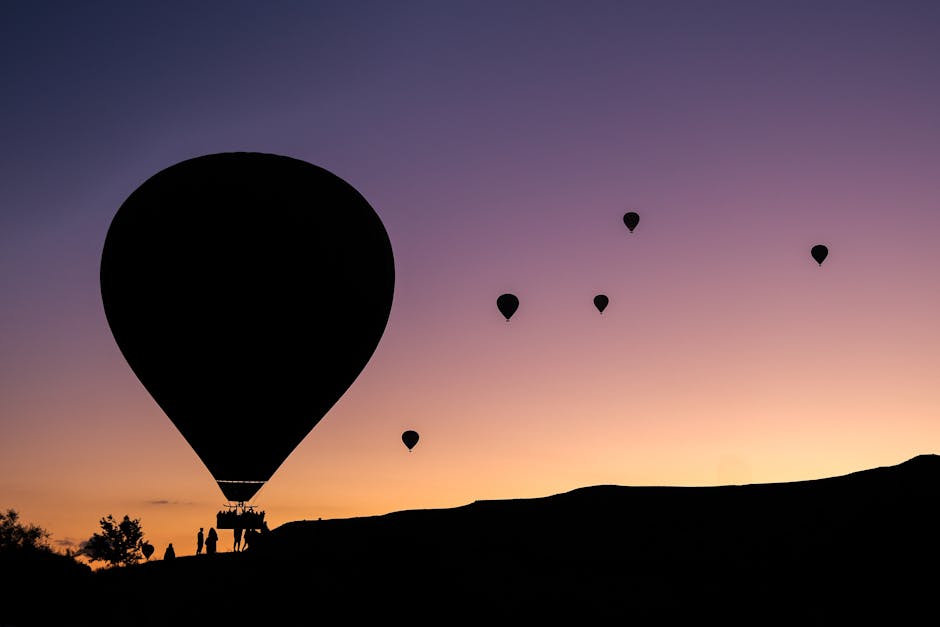
The first hiss of a burner threads through the half-light, somewhere beyond a ridge of pale tufa. Swallows sketch loops overhead. On the path, your breath hangs in the cool and the land blushes from slate to apricot. This is the hour when Cappadocia remembers its old silence—before day-trippers, before selfie sticks—an hour this Cappadocia travel guide is designed to help you claim.
Why dawn changes everything
If you arrive here ready to trade late nights for early light, the plateau rewards you with space. Start walking just before sunrise and you’ll have whole valleys practically to yourselves: fairy chimneys throwing long shadows, vineyards yawning awake, footpaths still powdery with night frost in early spring. Balloons drift as punctuation, not the headline. Romance comes not from a checklist, but from the hush that settles when you and your partner move in step along a cliff-side trail and the sun lifts, slow and honeyed, over the Anatolian plain.
Cappadocia travel guide: Dawn rituals and quiet valleys
The classic photos are taken from crowded viewpoints above Göreme. Instead, slip into the valleys themselves. Rose and Red Valleys glow in early light; Love Valley’s whimsical forms look almost sketched; Zemi and Meskendir offer soft, meandering routes with pockets of solitude. The trick is timing and approach: start in dim blue hour, pick a single valley, and commit to exploring its side paths rather than racing ridge to ridge. You’ll pass cave chapels with faint frescoes, apricot orchards, and occasional tea kiosks just stirring—simple, perfect interludes that feel like they’re yours alone.
A 4–6 day rhythm that favors romance
- Day 1: Arrive, check into your cave suite, and learn the light from your terrace. As sunset drains color from the formations, map tomorrow’s trail over a slow dinner of local specialties.
- Day 2: Pre-dawn walk into Rose or Red Valley; linger for first light, then continue down to a village for a mid-morning coffee. Rest in the afternoon—cool stone interiors make napping irresistible—then take a short golden-hour stroll along Pigeon Valley’s gentler sections.
- Day 3: Choose a quieter route like Meskendir or Pancarlık. Bring a small picnic for a ledge with a view. If you’ve booked a balloon flight, consider the following morning so you’ve already seen the land from the ground.
- Day 4: Explore the rock-cut heritage at the Göreme Open-Air Museum early, when doors open, and move on before groups build. In the afternoon, retreat to a hammam or a courtyard shaded by vines.
- Day 5–6: Add a day for a valley you loved—sunrise never plays the same twice—or drive to a farther canyon to vary the scenery. Evenings are for terrace twilights and slow meals; Cappadocia rewards the unhurried.
Design-forward cave stays that set the mood
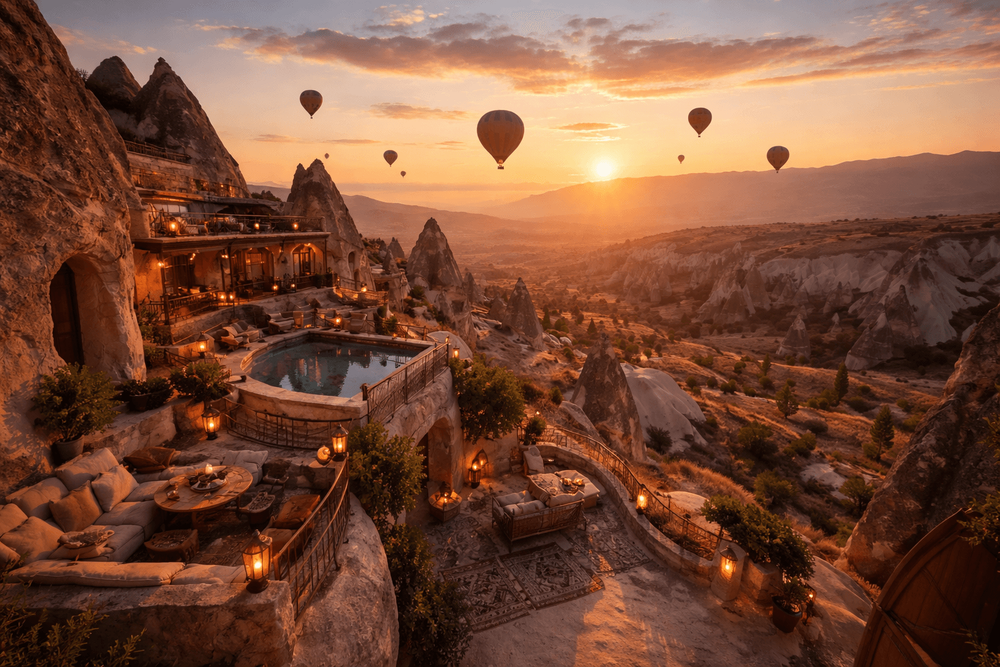
Cave hotels here aren’t gimmicks—they’re the architecture of the land, revived with intention. Look for suites carved into soft volcanic stone with arches that filter light, heated floors, and terraces angled to sunrise. In Uçhisar, Ortahisar, Ürgüp, and Göreme, designers have offset rough-hewn walls with linen, local ceramics, and monochrome palettes that let the landscape do the talking. Many properties serve breakfast on layered patios; if the wind is right, balloons ripple past like moving frescoes. For couples, request a room with both a window to the east and a private nook outside. You’ll want somewhere quiet to sip coffee as the canyon changes color by the minute.
Where to walk when everyone else is queuing
- Rose & Red Valleys: The color is the draw, but the side spurs are the secret. Take any faint ridge path heading away from the main artery, minding edges and signage, and you’ll find amphitheaters of silence.
- Love Valley: Start high while it’s still dim, then descend with the light at your back so forms emerge dramatically. The floor of the valley has softer sand and a slower pace.
- Zemi & Meskendir: Green rooms and sinuous paths—cooler in spring mornings, with bird song and shaded gullies.
- Pigeon Valley: Gentle grades and wide views between Göreme and Uçhisar; ideal on an afternoon when your legs want a glide more than a climb.
Always carry water and a light layer; spring mornings can be crisp, and the sun strengthens quickly. Trails are informal in places; follow waymarks where posted and respect closures around fragile cave churches.
Eating and drinking between walks
Cappadocia cooks with clay and patience. Look for slow-braised stews sealed in pottery, grilled meats threaded with herbs, and hand-rolled pasta-like manti. Cafés in the main towns serve strong Turkish coffee and tea; timing a second breakfast after a dawn hike feels wonderfully indulgent. Local restaurants cluster along main streets and near valley trailheads—ask your hotel to point you to a spot that suits your mood, whether that’s a terrace with a view or a quiet courtyard away from the main drag.
Practical planning for April–June
Spring is the plateau at its most forgiving: cool mornings, mild afternoons, and a scattering of wildflowers along the trails. April through June aligns perfectly with early starts and long, honey-gold evenings. Balloon flights are weather-dependent year-round; treat them as a bonus, not the backbone of your plan, and you’ll never feel rushed.
How to get there
Two regional airports serve the area—one near Nevşehir and one in Kayseri—with domestic connections from Istanbul and other Turkish hubs. From either airport, it’s an easy drive to the main towns; hotels can arrange transfers, or you can rent a car for flexibility. Roads are straightforward, and distances are short enough that sunrise starts are realistic, even if you change bases mid-trip.
What to expect on arrival
The land is a high plateau—dry, high-sky, and elemental. Weather swings between shade and sun feel pronounced, especially at altitude; pack accordingly. Towns are compact, with ATMs and small markets, and many properties can coordinate guides, drivers, or e-bikes on request. Trail maps range from simple to detailed; your hotel’s front desk often has the most current advice on path conditions. Drones and climbing on fragile formations are restricted in various zones—check local guidelines to keep the rock heritage intact.
Pacing your days for intimacy, not Instagram
The biggest difference between a rushed visit and a resonant one is what you anchor to. Think in arcs: dawn walk, late breakfast, midday rest in cool stone, late-afternoon amble, long dinner. Resist the urge to string five viewpoints in a single morning; depth over distance will serve you better. If you’re using this Cappadocia travel guide to plan a proposal or simply time alone, choose one or two valleys to return to—you’ll learn the call of a certain bird, the scratch of wind in a particular fig tree, the way the light climbs a cliff face slower than you thought possible.
If you go deeper indoors
On a windier day, trade a ridge for rock-cut interiors. The Göreme Open-Air Museum and smaller valley churches hold layers of Byzantine iconography. Visit early, move quietly, and give yourself space to look. In dim chapels, the frescoes feel conversational: not a spectacle, but a whisper from stone to skin.
The shot worth taking
Everyone comes hoping for one photo that feels like a secret. Here’s the one I’d take: the moment after sunrise, when balloons are drifting away and the crowds are still forming. Frame the valley floor with a single apricot branch in the corner, your partner mid-step on a pale path, shadows long, faces warm. It’s less about the sky and more about scale—the realization that you’re small in a place that invites slowness.
Use this Cappadocia travel guide as a permission slip: rise early, walk softly, choose stone and quiet over queues and hurry. In four to six days, dawn after dawn, the plateau loosens its reserves. By the time you leave, the land’s calm has a way of coming with you—like dust on your boots, like light you can still feel on your eyelids.