Cappadocia in Bloom: Spring Wildflowers, Dawn Balloons and Quiet Valleys
Plan a romantic, photo-rich 3–4 days in Cappadocia in spring: dawn balloons, wildflower valley walks with shepherds, and intimate cave-house inns—with fewer crowds.
Trip Length
3-4 days
Best Time
April–May
Mood
romance / photography
Before the burners flare, the plateau is all hush: a silvered crust of dew on thyme, sheep bells somewhere in the folds of the valley, and a pale seam of pink on the horizon. This is Cappadocia in spring, when poppies flare against blond tuff and the first balloons lift into air that still smells of wet stone. The season softens everything—the light, the footpaths, even the tempo of the small towns—so the landscape feels like it’s letting you in.
Why Cappadocia in spring
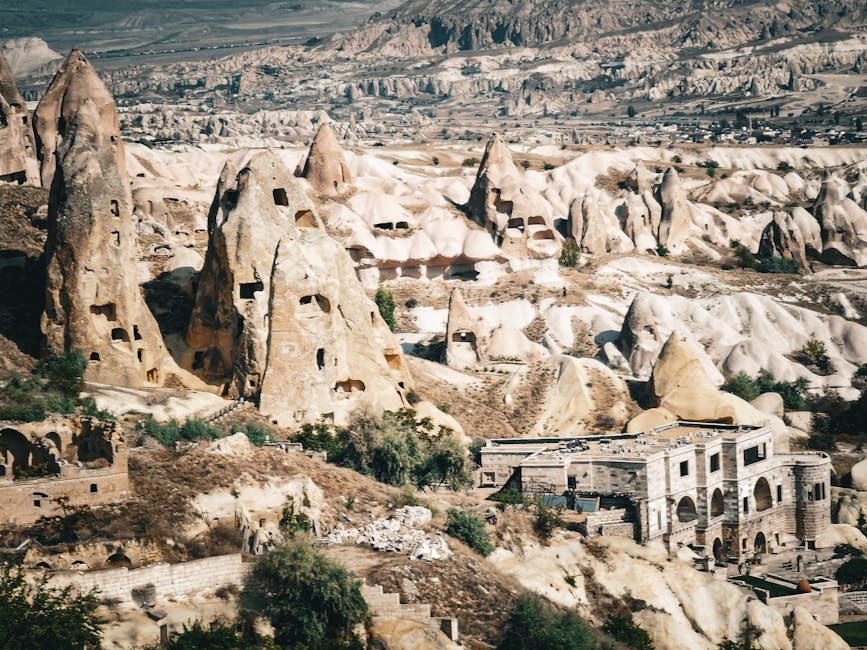
The fairy chimneys don’t change, but your experience does. April to May brings carpets of wildflowers between the rock spires and terraced fields; vines begin to leaf; apricot orchards tremble with new green. Dawn is cool but not harsh, perfect for sunrise flights and blue-hour photographs. Trails are firm without the summer dust, and weekdays see fewer tour buses than midseason peaks. For romance and photography, Cappadocia in spring offers space—literal and otherwise—to linger with the light.
A 3–4 day plan for quiet valleys and golden light
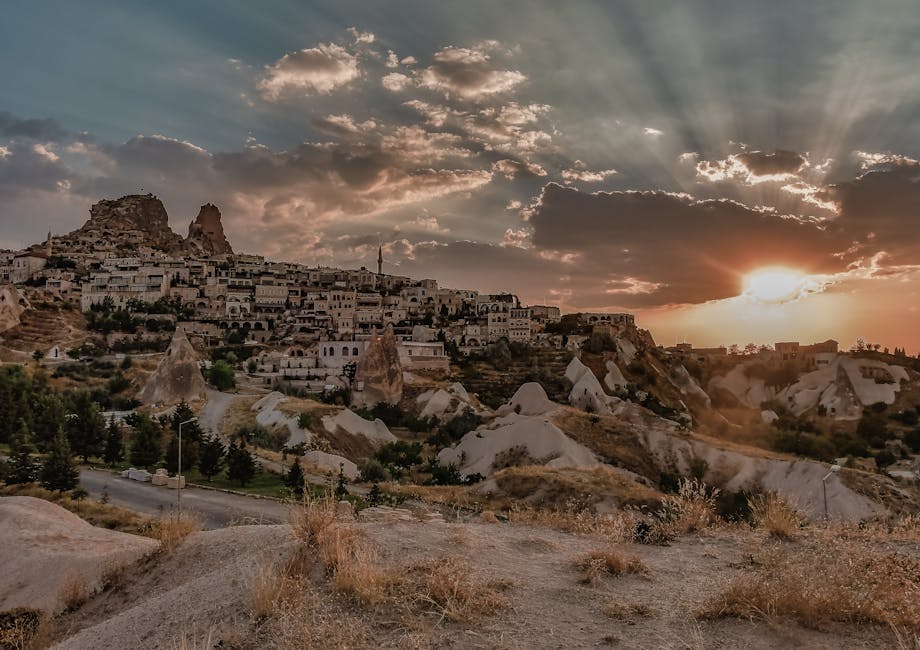
Day 1: Arrive and let the plateau set the pace. Drop your bag at a small inn carved into soft volcanic stone—many family homes have been reimagined as intimate cave-house stays with terraces that face the valleys. As afternoon light lengthens, wander an easy ridge above Göreme or Uçhisar. Watch how shade crawls into the gullies; stay for sunset as the rocks pick up iron-red.
Day 2: Balloon morning. Whether you fly or photograph from a vantage point, set your alarm for the call to prayer and the first hiss of burners. After breakfast, take a slow walk through Rose or Red Valley, where spring wildflowers dust the paths and the rock-cut chapels hold cool air and faint pigments. Late afternoon, follow a shepherd’s track skirting small gardens and pigeon lofts; it’s not uncommon to fall in step with a local herder for a stretch—your guide can sometimes arrange an introduction.
Day 3: A day trip to a deeper canyon. Ihlara’s river thread is lined with willows and tiny wild irises in season; the path is shaded and rhythmic, with gentle climbs to frescoed chapels. If you prefer to stay closer, the honeycombed cliffs above Çavuşin and the soft curves of Love Valley reward a half day of wandering. Evening belongs to a rooftop terrace and a sky that holds on to color long after the sun.
Day 4 (if you have it): Explore the region’s quiet craft and underground spaces. Potters along the Kızılırmak River in Avanos have been turning clay for generations; workshops welcome visitors to watch the wheel. If you’re curious about subterranean Cappadocia, several underground cities open their tunnels and stone stables to guided visits—go early for the calm of echoing corridors.
Shepherd-led valley walks
Spring is the only time of year when the landscape hums at ground level. You hear it in the scratch of grasshoppers and the soft percussion of hooves. Paths thread past almond and apricot groves, into valleys stitched with terraced vines and through pockets of wild thyme and chamomile. A local guide can read the maze of tracks—some cut by flocks, others by farmers—and may introduce you to a shepherd moving his sheep between water sources. You’ll keep respectful distance from the animals and stick to existing paths, but sharing the path even briefly gives the valleys their original soundtrack.
Expect gentle gradients with occasional scrambles over tuff, and bring an appetite for pauses: a hidden rock-cut chapel; a breeze channeled through a canyon that carries the smell of sage; a ledge where you’ll sit longer than planned because the light is doing something quiet and perfect on a distant ridge.
Sunrise balloons with space to breathe
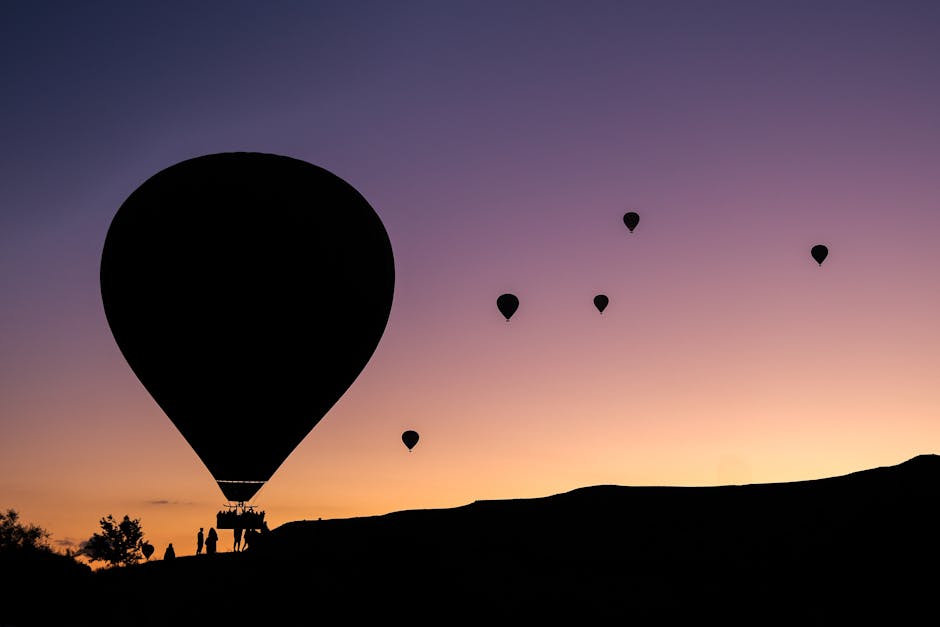
There’s a reason the first thing many travelers do is set their alarm for before dawn. The choreography begins in the dark: crews checking wind, envelopes unfurling in fields, a collective glow as flames test the air. In spring, winds are often kinder at first light, though every flight is weather-dependent and subject to civil aviation decisions on the day. Launch sites shift with the breeze—part of the magic—so if you’re photographing from the ground, choose a high ridge with clear views into multiple valleys.
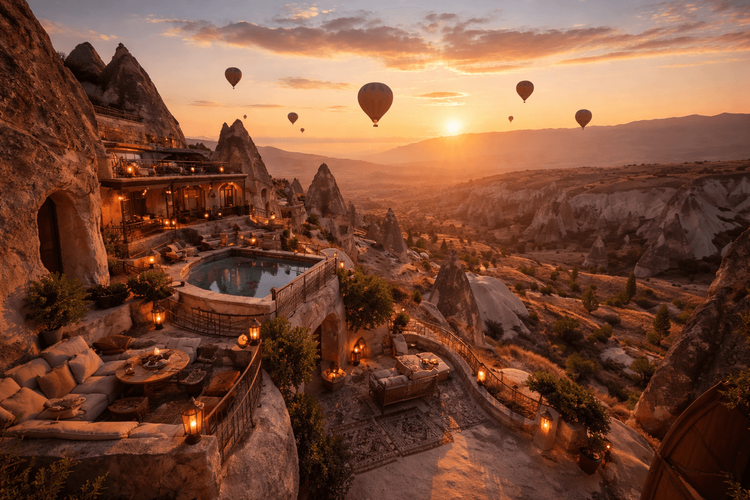
If you fly, look down as much as you look out. You’ll see the plateau’s writing: dovecotes pecked into cliff faces, irrigation lines glittering, a shepherd’s cloaked figure like a punctuation mark on a slope. If you stay earthbound, the first minutes after liftoff are the most photogenic—the balloons hover low among chimneys, close enough to hear laughter in the baskets before they drift into the pale.
Cave-house inns for romance
One of the quiet joys of Cappadocia in spring is checking into a place that feels grown from the rock. Across Göreme, Ürgüp, Uçhisar, and scattered hamlets, traditional cave rooms and stone-arched salons have been restored with care—thick walls for silence, terraces layered like amphitheaters over the valleys, breakfast rooms that catch the morning sun. Many are small, owner-run inns set in former family compounds; you’ll notice resident cats, the scent of woodsmoke on a cool evening, and the particular hush that carved rooms hold. Ask for a room with a terrace or a window framing the valley—the dawn parade of balloons might visit your tea table.
Practicalities: getting there and on arrival
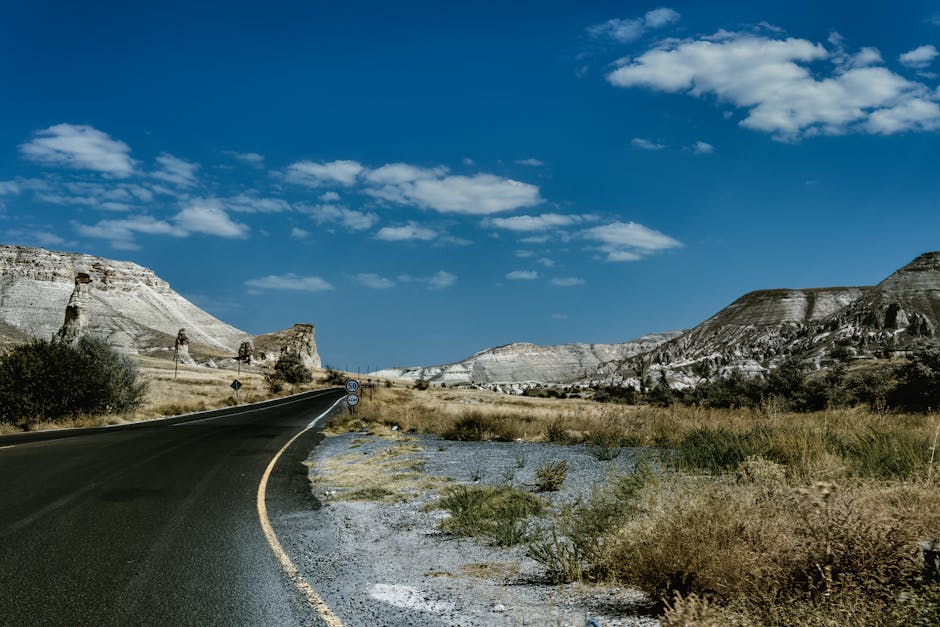
Most travelers arrive by air via Kayseri Erkilet Airport (ASR) or Nevşehir Kapadokya Airport (NAV). Both are compact and straightforward, with arrivals timed to domestic flights from Istanbul and other Turkish hubs. Your inn can often arrange a shared shuttle or private transfer; driving times vary by village, but plan for roughly an hour from Kayseri and a shorter hop from Nevşehir. Renting a car is simple if you want flexibility—roads between towns are paved and well-signed in Turkish and English.
Long-distance buses link the plateau with Ankara, Konya, and other Anatolian cities; the stations are on the edges of town, where local taxis and minibus services connect to village centers. On arrival you’ll find ATMs, small markets, and outfitters for rides and hikes clustered near town centers. Expect card payments in most tourist-facing businesses and cash preferred at tiny grocers and farm stands.
Photography notes for the season
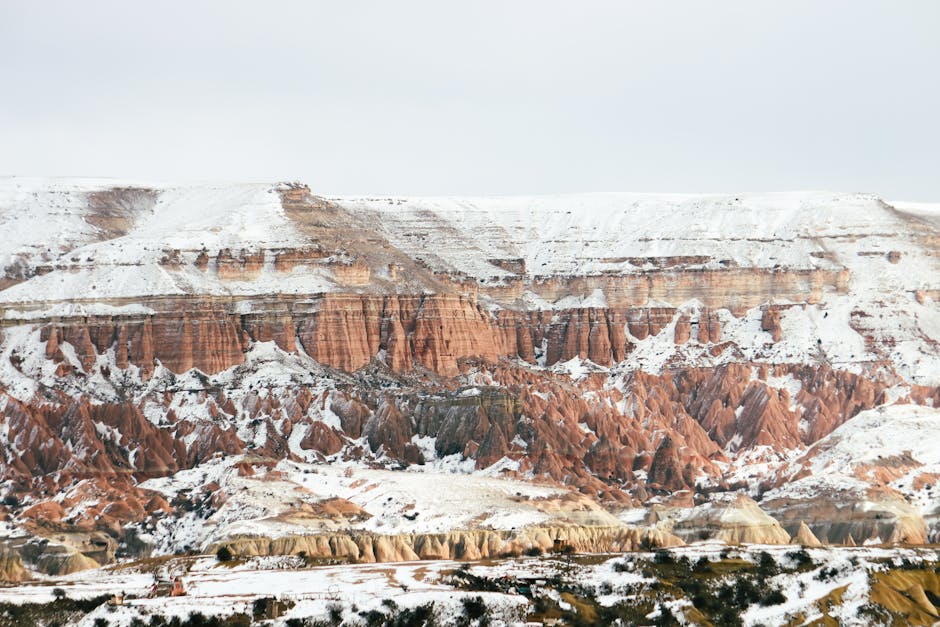
- Light: Spring gives you long, pearly dawns and soft late afternoons. Red and Rose valleys live up to their names in the final hour, when iron-rich tuffs warm into deep color. The plateau’s big skies reward wide lenses; a short telephoto helps compress balloon-filled scenes.
- Ground detail: Wildflowers are at their best from late April into May. Look for poppies, daisies, and purple thistle against pale rock. Keep to existing paths to protect fragile blooms and ground-nesting birds.
- Vantage points: Ridges above Göreme and the skirts of Uçhisar provide layered horizons with balloons at multiple altitudes. For canyon moods, Ihlara’s river bends make natural leading lines.
- Weather: Mornings can be crisp with occasional mist after a night’s rain—photogenic, but give yourself extra time; balloon operations and hikes may shift with conditions.
What to expect day-to-day
Spring rhythm favors early starts and slow middays. Cafés open onto lanes with just a few tables; hikers drift through town with dusty boots and sun-flushed faces; the call to prayer draws soft echoes from the cliffs. Markets fill with herbs, early cherries, and flatbreads still warm from the dome oven. You’ll notice that even popular viewpoints feel less crowded between school holidays and high summer. The region runs on hospitality—expect genuine curiosity and, often, a second pour of tea while you admire a view.
When to go and why it matters
April and May align the region’s best qualities: stable, cool mornings; fields in color; and longer days that let you linger on terraces without a coat. Visiting Cappadocia in spring means your photos will hold more than postcard silhouettes—you’ll come home with textures: lichen on chapel walls, poppy petals against pumice, sheep tracks stitched across a hillside.
In the end, it’s the small, unhurried moments that stay. The way a balloon’s shadow skims a vineyard. The nick of a fresco left by a long-ago pilgrim. The taste of herbs underfoot as you step aside for a flock. Start sketching your 3–4 days now; Cappadocia in spring rewards those who arrive with time to watch the light change and the valleys breathe.
Gallery