
How to Travel on a Budget — Expert Tips for Luxe, Low‑Cost Trips
Spend less, experience more. A cosmopolitan, step-by-step guide to planning luxe-feeling trips on a real-world budget—flights, stays, daily spend, and sample budgets.
Mood
Smart Stylish Savings
At dawn, the city breathes in quietly. A market stall hisses to life, skewers meet coals, and a paper cup of coffee warms cold hands as church bells count the hour. This is the promise of traveling well for less: the same sunrise, the same savory steam, the same thrill of being elsewhere—only with more money left to stretch the journey further. For any traveler wondering how to travel on a budget without sacrificing style or substance, the answer isn’t deprivation. It’s strategy.
How to Travel on a Budget: Rethink ‘Budget’
“Budget” isn’t a euphemism for bare-bones. It’s a mindset that reallocates spend from low-impact to high-impact moments. The approach is simple: pick what matters most, let everything else serve those priorities, and use smart timing and tools to multiply value.
A working framework:
- Define three non-negotiables (for example, a central location, a standout meal, a day trip). Direct most spending here.
- Embrace a 70/20/10 rule: 70% for core trip costs (transport, lodging), 20% for experiences, 10% as buffer.
- Calculate “value per hour.” A $10 museum with three hours of awe beats a $60 taxi that saves 20 minutes.
Used well, the art of how to travel on a budget creates room for a splurge that feels earned, not impulsive.
Plan Like a Pro: Destination, Seasonality, Trip Length, Priorities

How to Travel the World on $50 a Day: Third Edition: Travel Cheaper, Longer, Smarter: Kepnes, Matt
How to Travel the World on ...50 a Day: Third Edition: Travel Cheaper, Longer, Smarter [Kepnes, Matt] on Amazon.com. *FREE* shipping on qualifying offers. How to Travel the World on ...50 a Day: Third
Check Price on AmazonPick a destination that loves your wallet
Costs vary wildly once on the ground. Consider daily spend for lodging, food, and transport; visa fees; exchange rates; and big-ticket attractions. If the goal is maximum mileage, focus on places where the dollar stretches: parts of Southeast Asia, Central America, Eastern Europe, and North Africa often deliver high-end experiences at mid-range prices. For inspiration, scan our guide to the Cheapest Countries to Visit in 2026: Where Your Travel Budget Goes Far.
Time it right: the quiet power of shoulder seasons
Seasonality shapes price and mood. Shoulder seasons—late spring and early fall in much of Europe; just before or after peak dry seasons in tropical zones—offer lower rates, gentler crowds, and generous weather. Midweek stays frequently price better than weekends, and staying four to six nights can unlock weekly discounts on apartments. Watch local calendars: festivals can either spike prices or deliver priceless cultural immersion worthy of a line in the budget.
Choose trip length and pace with intent
Short trips favor expensive speed (taxis, central hotels), while longer stays reward slow travel (weekly rentals, local transport cards). Hub-and-spoke itineraries—basing in one city with day trips by rail or bus—cut packing friction and transit costs. The key is clarity: if a Roman trattoria lunch and a rooftop sunset are musts, build time and geography around them.
Flights & Transport: Outsmart the Big-Ticket Items
Book with data, not myth
The cheapest day to fly isn’t always Tuesday, and private browsing doesn’t make fares drop. What works: set price alerts, watch trends, and be flexible by a day or two. For a deeper playbook—open-jaw tickets, hidden city caveats, and calendar strategies—see our Cheap Flights: Insider Guide to Finding the Lowest Airfares. As a rule of thumb: book domestic flights 1–3 months out, international 2–5 months out (longer for holidays). Use fare calendars to spot dips and consider nearby departure cities that may unlock hundreds in savings.
Think beyond round-trip
Open-jaw tickets (into one city, out of another) cut backtracking costs; multi-city routings can reduce fares while adding destinations. Alternative airports—Milan Bergamo over Malpensa, Baltimore instead of D.C.—often mean lower fees and quicker lines. If long-haul prices surge, try “positioning flights”: a cheap hop to a major hub, then the deal fare onward.
Consider rail and bus swaps
In regions with dense networks, trains and buses can beat planes on price and total door-to-door time. Overnight options turn transportation into accommodation, freeing daylight for exploring. Compare passes vs point-to-point; Asia and Europe often reward booking second-class seats early for the best value.
Fly low-cost without the gotchas
Low-cost carriers are brilliant if travelers play by the rules: weigh bags at home, pre-purchase luggage, and print or download boarding passes. Compare apples to apples by tallying seat selection, bag fees (including weight, not just count), and airport transfers. A $39 fare can become $139 if the fine print is ignored.

Amazon.com | Etekcity Luggage Scale, Travel Essentials, Digital Suitcase Weight Scales for Travel Accessories, Hanging Baggage Scale with hook, 110 Pounds, Battery Included, Silver | Luggage Scales
View on AmazonAccommodation Strategies: Split-Stays, Neighborhood Tradeoffs, Loyalty Magic
Deploy the split-stay
One polished night + a string of functional nights equals balance. Start with a budget-friendly design hotel near transit, then upgrade for a final-night memory. A design-forward micro-hotel such as the citizenM London Bankside locates travelers steps from the Tate with cloudlike beds and smart tech that make smaller rooms sing—proof that good design stretches value.
On the other end of the spectrum, upscale hostels deliver private rooms, strong Wi‑Fi, and social spaces at friendly rates. The Generator Copenhagen mixes Scandi style with shared or private options, ideal for a split-stay that trims costs without trimming atmosphere. For more vetted budget-chic stays, browse our guide to the Best Hostels for Every Traveler: Curated Picks in Tokyo, Kyoto, Lisbon & Bali.
Choose the right neighborhood
A 10-minute metro ride can halve nightly rates compared to a postcard-view address. Prioritize access to transit, quiet nights, and local food over a landmark doorstep. Map travel times to key sights at typical rush hours; verify the last train or tram times to avoid late-night taxis. In apartment rentals, weekly discounts can be sizable; weigh savings against cleaning fees and stricter cancellation terms.
Use loyalty and booking smarts
Join free loyalty programs; even entry-level status can unlock breakfast, Wi‑Fi, or late checkout. Book flexible rates early and track for drops—then rebook. Contact properties directly for perks on longer stays, and watch for hidden costs: resort fees, city taxes, parking. Don’t overpay for square footage never used; invest in location and sleep quality.
For sunny design at prices that rarely sting, Mama Shelter Lisbon leans playful—think rooftop views and neighborhood energy—while keeping rates grounded. When a property’s character delivers as much joy as its price, “budget” begins to feel like a lifestyle choice, not a constraint.
Daily Spending: Eat Well, Explore Freely, Move Smart
Eat like a local, spend like a pro
Markets, bakeries, and canteens are the trifecta of honest flavor and honest prices. In many countries, the midday “menu” or set lunch offers two or three courses for a fraction of dinner costs. Street food can be both safe and sensational—seek busy stalls with high turnover, watch what locals order, and carry small bills. Picnic culture is budget gold: a park bench, a wedge of local cheese, seasonal fruit, and a bottle from a neighborhood shop deliver a front-row seat to daily life.
Curate free and low-cost experiences
City museums often waive fees on specific evenings; check calendars in advance. Tip-based walking tours (led by accredited guides) give cultural context for the price of a coffee and a generous gratuity. Public parks, waterfront promenades, and overlooks offer endless, free theater. If considering a city pass, do the math with opening hours and likely energy levels—three major sights a day is ambitious.
Move around intelligently
Public transport day passes and reloadable cards simplify budgeting. In contactless cities, a tap with the right card can cap daily fares automatically. Bike shares and e-scooters shrink distances for pennies. Rideshares are often cheapest when pooled and scheduled just before pickup. Pack a reusable bottle; many cities have public fountains or café refill cultures that save money and plastic.
Tipping norms, distilled
- United States and Canada: 15–20% in restaurants; tip hotel staff and guides.
- Much of Europe: Service is often included; round up or add 5–10% for standout service.
- Parts of Asia: Tipping is not expected in many places; check local custom to avoid awkwardness. Carry small bills and local currency for markets and tips where appropriate.
Tools, Deals & Money Hacks
Build a value-first tech stack
- Flights: Google Flights, Skyscanner, and fare calendars for trends and alerts.
- Ground transport: Rome2Rio for route mapping; Trainline and local rail sites for tickets.
- In-city: Citymapper and local transit apps; offline maps like Maps.me for data-free navigation.
- Money: XE for real-time exchange; bank apps with travel notifications; multi-currency accounts (e.g., Wise, Revolut) for favorable rates.
- Planning and packing: Keep costs down by packing only what’s needed; our Ultimate Travel Packing List: Stylish, Smart & Stress-Free keeps luggage lean (and fee-free).
Chase deals without chasing your tail
Subscribe to a few reputable deal newsletters; set alerts for dream routes; be passport-ready. Error fares happen, but don’t book nonrefundable add-ons until tickets ticket. In many countries, consumer rules offer 24-hour fee-free flight cancellations—use that window to sanity-check details and lodging.
Master cards, cash, and currency
Bring a no-foreign-transaction-fee credit card and a debit card that reimburses ATM fees. Always pay in local currency to avoid dynamic currency conversion markups. Withdraw moderate amounts to reduce both fees and the risk of carrying too much cash. Keep a backup card in a separate place, and screenshot confirmations for offline access. The math is simple: 3% saved on every swipe funds the next coffee, the next ride, the next museum.
Sample Budgets & Micro-Itineraries
Every traveler’s starting point differs; treat these as baselines in USD per person. Flight prices swing with season and origin; lodging assumes two people sharing unless noted.
Weekend City Break (3 days/2 nights): Lisbon on a Dime with Taste
- Flights: $350–650 (from East Coast US; lower within Europe)
- Lodging: $70–120 per night for a design-forward budget hotel or private hostel room ($140–240 total)
- Food & Drink: $30–45 per day ($90–135) — bakery breakfasts, set-lunch menus, petiscos at neighborhood tasca
- Transport: $6–12 per day ($18–36) — 24‑hour transit card; tram splurge once
- Activities: $20–40 — tile museum, fado cover, miradouro sunsets are free
- Miscellaneous: $20 — coffee breaks, custard tarts, tips Estimated total (excluding flights): $288–471
Micro-itinerary:
- Day 1: Alfama wander, free miradouro views, sunset along the Tagus.
- Day 2: Morning at Museu Nacional do Azulejo, set-lunch in Graça, LX Factory browsing, fado in the evening.
- Day 3: Tram hop to Belém for pastries and riverside amble; late flight out.
Seven Days in Europe by Rail: Budapest–Vienna–Prague, Slow and Savvy
- Rail: $120–220 total (advance, second-class point-to-point)
- Lodging: $60–100 per night ($420–700) — mix of private hostel rooms and budget-boutique stays
- Food & Drink: $30–45 per day ($210–315) — market lunches, café culture, hearty local plates
- Local Transport: $6–10 per day ($42–70) — day passes where useful
- Activities: $60–100 — baths in Budapest, museums in Vienna, castle grounds in Prague
- Miscellaneous: $40 — pastries, coffees, tips Estimated total (excluding flights): $892–1,445
Micro-itinerary:
- Days 1–2: Budapest thermal baths, ruin bars, Danube promenade.
- Days 3–4: Vienna museums by late-opening night, coffeehouse rituals, a concert rush ticket.
- Days 5–7: Prague Old Town at dawn, Charles Bridge sunrise, Letná Park picnic; evening train home or open-jaw flight.
Lodging strategies: Split the week between a sociable base like Generator Copenhagen style properties in these cities (private rooms, communal kitchens) and a final-night treat at a compact design hotel akin to citizenM London Bankside sensibilities for a celebratory sendoff.
Tropical Getaway (6 nights): Yucatán Beaches + Cenotes, Chic on the Cheap
- Flights: $250–600 (from US hubs)
- Lodging: $55–110 per night ($330–660) — beach-adjacent guesthouses and boutique hostels
- Food & Drink: $25–40 per day ($150–240) — tacos al pastor, market ceviche, fruit stands
- Transport: $60–120 — ADO buses, colectivos, occasional rideshare
- Activities: $60–120 — cenote entrances, bike rentals, one archaeological site
- Miscellaneous: $30 — sunscreen, snacks, tips Estimated total (excluding flights): $630–1,170
Micro-itinerary:
- Days 1–2: Settle near a quieter beach town; sunrise swims, taco trails.
- Day 3: Cenote circuit by bike; market picnic.
- Day 4: Ruins at dawn; afternoon nap and street food crawl.
- Days 5–6: Reserve a splurge night—perhaps a playful, design-forward stay like Mama Shelter Lisbon energy, transposed to the Riviera Maya’s boutique scene—then wind down with sunset and live music.
Final Checklist & Resources
- Download the budget planner spreadsheet and set targets for daily spend, experiences, and buffer.
- Search flights flexibly; set 3–5 route alerts; review our Cheap Flights: Insider Guide to Finding the Lowest Airfares for tactics.
- Lock lodging with free cancellation; calendar a price check two weeks and again three days out. For hostel-quality private rooms and social spaces, consult Best Hostels for Every Traveler.
- Outline a hub-and-spoke plan to cut transfers; pre-book key rail/bus legs.
- Build a short list of free museum hours, local markets, parks, and viewpoints.
- Order a no‑FX‑fee card; set travel notices; plan cash withdrawals and avoid dynamic currency conversion.
- Pack to avoid bag fees; cross-check with our Ultimate Travel Packing List.
- Download offline maps, transit apps, and language packs; stash digital copies of IDs and confirmations.
- Carry a refillable bottle, snack kit, and small bills; learn basic local phrases and tipping norms.
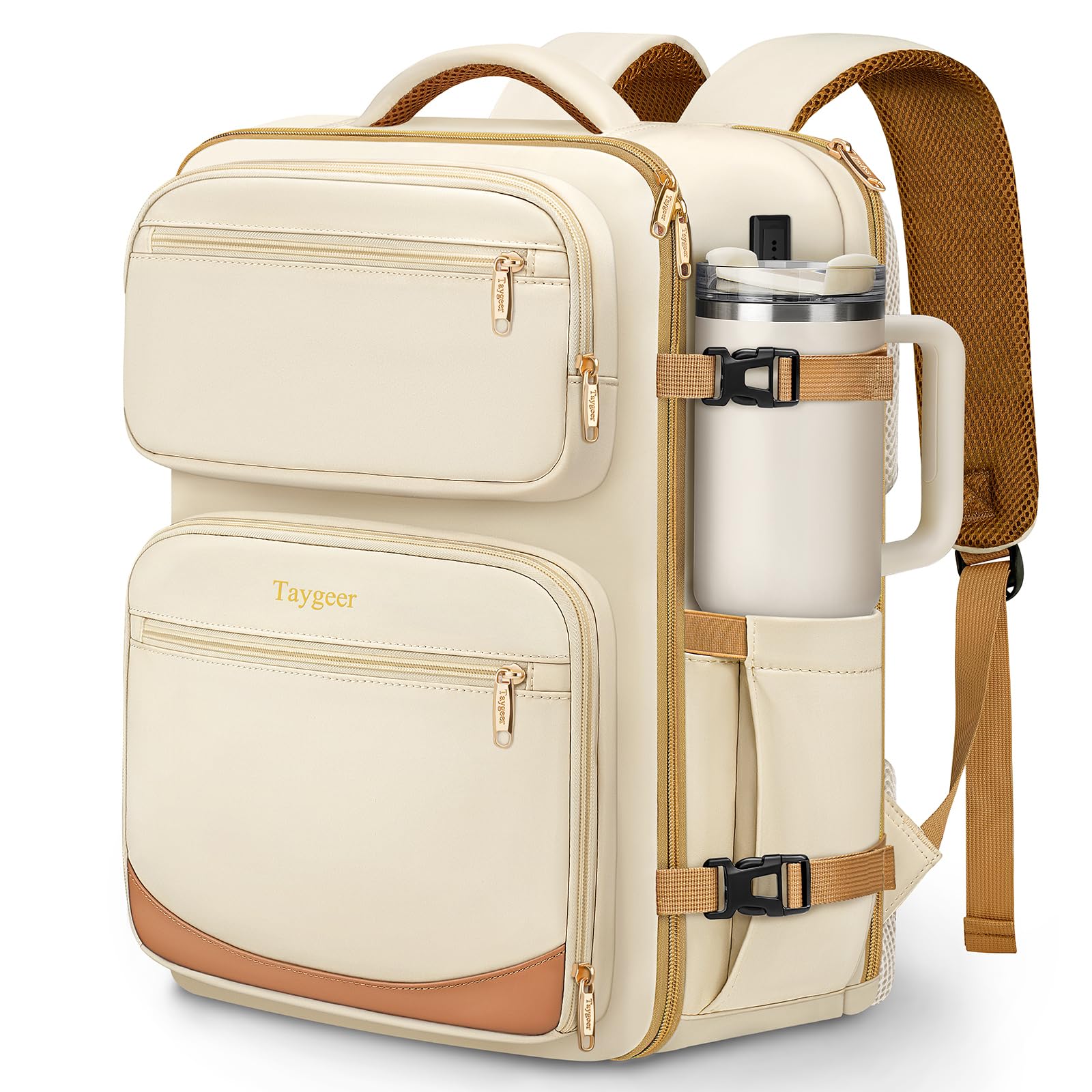
Taygeer Underseat 40L Travel Backpack with Shoe Compartment, TSA Approved Frontier Airlines Personal Item Bag, 18x14x8 inches Travel Bag for Women Weekender Fits Spirit Frontier Allegiant, Beige : Electronics
The <strong>40L travel backpack fits most cabin personal item sizes for under-seat or overhead storage</strong>. Use it as a frontier airlines personal item bag 18x14x8 or an under seat travel backpac
Check Price on AmazonThe best budget trips feel rich because they are: rich in context, serendipity, and time. With a clear plan and a few well-placed splurges, travelers trade overspending for attention—on the hiss of street-side grills, the hush of museum corridors at dusk, and the soft, universal thrill of waking up somewhere new.
Recommended Travel Gear
How to Travel the World on $50 a Day: Third Edition: Travel Cheaper, Longer, Smarter: Kepnes, Matt
How to Travel the World on ...50 a Day: Third Edition: Travel Cheaper, Longer, Smarter [Kepnes, Matt] on Amazon.com. *FREE* shipping on qualifying offers. How to Travel the World on ...50 a Day: Third
Amazon.com | Etekcity Luggage Scale, Travel Essentials, Digital Suitcase Weight Scales for Travel Accessories, Hanging Baggage Scale with hook, 110 Pounds, Battery Included, Silver | Luggage Scales
Brief content visible, double tap to read full content. Full content visible, double tap to read brief content. ... The Etekcity Luggage Scale is your travel essentials, <strong>offering precise measu
Taygeer Underseat 40L Travel Backpack with Shoe Compartment, TSA Approved Frontier Airlines Personal Item Bag, 18x14x8 inches Travel Bag for Women Weekender Fits Spirit Frontier Allegiant, Beige : Electronics
The <strong>40L travel backpack fits most cabin personal item sizes for under-seat or overhead storage</strong>. Use it as a frontier airlines personal item bag 18x14x8 or an under seat travel backpac