
Savor Argentina: Authentic Local Food Tours & Culinary Experiences
From parrillas and peñas to Mendoza’s bodegas, taste Argentina through market strolls, asado sessions, and hands-on classes that turn recipes into stories.
Mood
Culinary Exploration
A curl of smoke rises from a sidewalk parrilla in San Telmo, drifting over cobblestones and tango chords. Garlic blooms in hot oil; a sizzle answers the flick of a grillmaster’s wrist. A vendor splits a crusty roll and slides in a snap-skinned chorizo, a swipe of chimichurri leaving a green glint in the afternoon sun. For travelers tempted by local food tours in Argentina, this is the overture: a country’s story told in the language of fire, grain, leaf, and sweet milk.
The Flavor Map of a Nation: Regional Highlights
Argentina is continental in scale, and its cuisine reflects a landscape that runs from subtropical jungle to serrated Patagonian ice. Local food tours unfurl that geography bite by bite, linking recipes to roots, terroir, and migration.
Buenos Aires and the Pampas: Parrilla, Provoleta, and Dulce Obsessions
In the capital, beef is both icon and ritual. Parrillas—those muscular temples to fire—anchor food walks that wander from smoky counters to neighborhood bodegones. A typical tasting might move from mollejas (sweetbreads) kissed with lemon to bife de chorizo carved ruby within, ending with provoleta: a disk of provolone grilled till it blisters, collapsed under oregano and olive oil.
Street-food stops deliver choripán, the democratic sandwich of the pampas, its crackling sausage sharpened by chimichurri or salsa criolla. Empanadas here tend toward baked pastry and generous beef picadillo, though the capital also borrows styles from the provinces. Sweetness runs deep: alfajores sandwiched with dulce de leche powder the fingers; ice cream parlors churn dulce into velvet.
Northwest Andes: Salta and Jujuy
In the high northwest, ingredients ride ancient trade winds. Tours in Salta slip into Mercado San Miguel to scoop up quinoa, ají peppers, and fragrant anís. Empanadas salteñas arrive small, blistered, and juicy, often sealed with the signature twenty-something repulgue folds. Hearty locro (a corn, squash, and meat stew) shares space with tamales and humitas steamed in corn husks. Llama and goat appear on menus—lean, flavorful echoes of pre-Columbian husbandry—paired with crisp Torrontés wines from Cafayate’s sunlit vineyards.
Cuyo and Mendoza: Wine and Olive Country
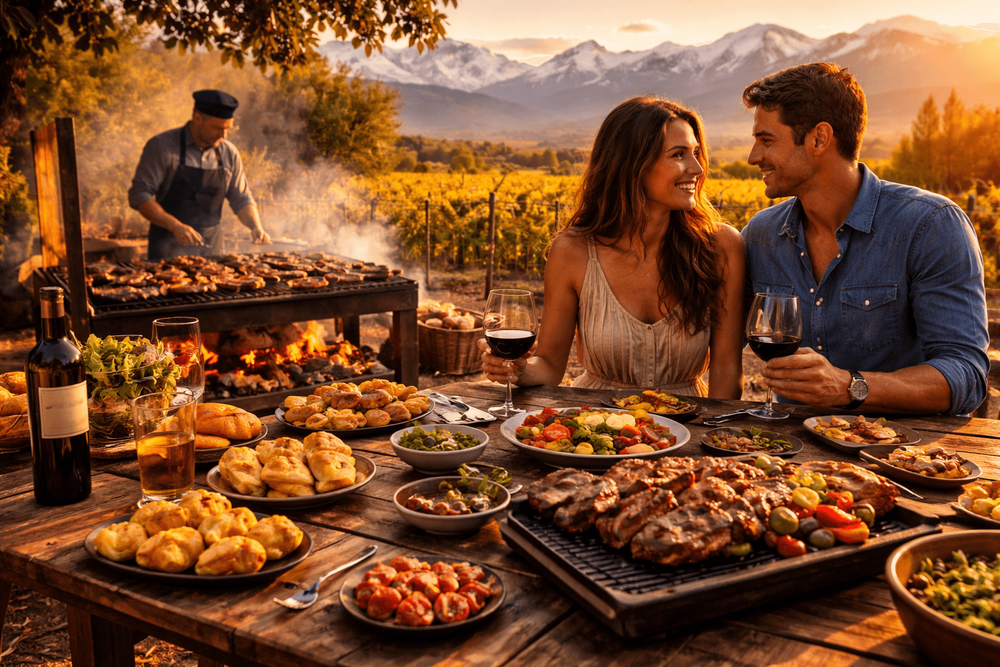
Around Mendoza, the Andes rear like a fresco beyond the vines. Food and wine tours drift between bodegas, tasting malbec and cabernet franc alongside olive oil mills that press green-gold into peppery streams. Asados take on a bucolic air here, ribs stretched across iron crosses, lamb and whole vegetables roasting slowly while snowy peaks burn pink at dusk. Many itineraries interweave cellar visits with picnics in the rows and cooking classes that demystify chimichurri’s herbaceous snap.
Patagonia: Wind, Fire, and Lamb
Patagonia’s flavor is crisp air and elemental cooking. In Bariloche and the Lake District, trout is pearled and delicate, while berries—maqui, calafate—brush desserts with a wild tang. Farther south, in Estancias near El Calafate or on windswept ranches in Chubut, cooks stake lamb to iron racks over coals for hours. The result is meat that pulls into silky strands, vapor scented with thyme and woodsmoke.
Atlantic Coast and the End of the World
Seafood tours trawl the Atlantic littoral: in Mar del Plata, expect rabas (fried squid) as light as sea-foam, and merluza with lemon and parsley. Ushuaia, perched at the world’s edge, serves centolla—Southern king crab—cracked and steaming, sweetness amplified by cold, mineral waters.
The Daily Ceremony: Mate
Across regions, mate is the country’s portable hearth. Guides often fold a lesson in yerba mate into their tours, explaining how to pack the gourd, tilt the bombilla, and honor the clockwise rhythm of the circle. The first pour—bitter and hot—is for the cebador, who sets the tone; hospitality follows with each refill.
Types of Local Food Tours in Argentina
From neighborhood markets to vineyard lunches, experiences scale from snackable strolls to days that roll from late breakfast to midnight sobremesa (that elastic post-meal conversation).
Market Immersions
Buenos Aires’ Mercado de San Telmo and the century-old Mercado del Progreso in Caballito teem with produce, offal, and spice. In Salta, Mercado San Miguel stacks pale cheeses and bricks of dulce de cayote. Guides translate both language and custom—how to point to a cut, when to ask for tastings, which stalls source from small-scale producers—while building a progressive tasting that might include charcuterie, empanadas, medialunas warm from the oven, and a cortado sipped at the bar.
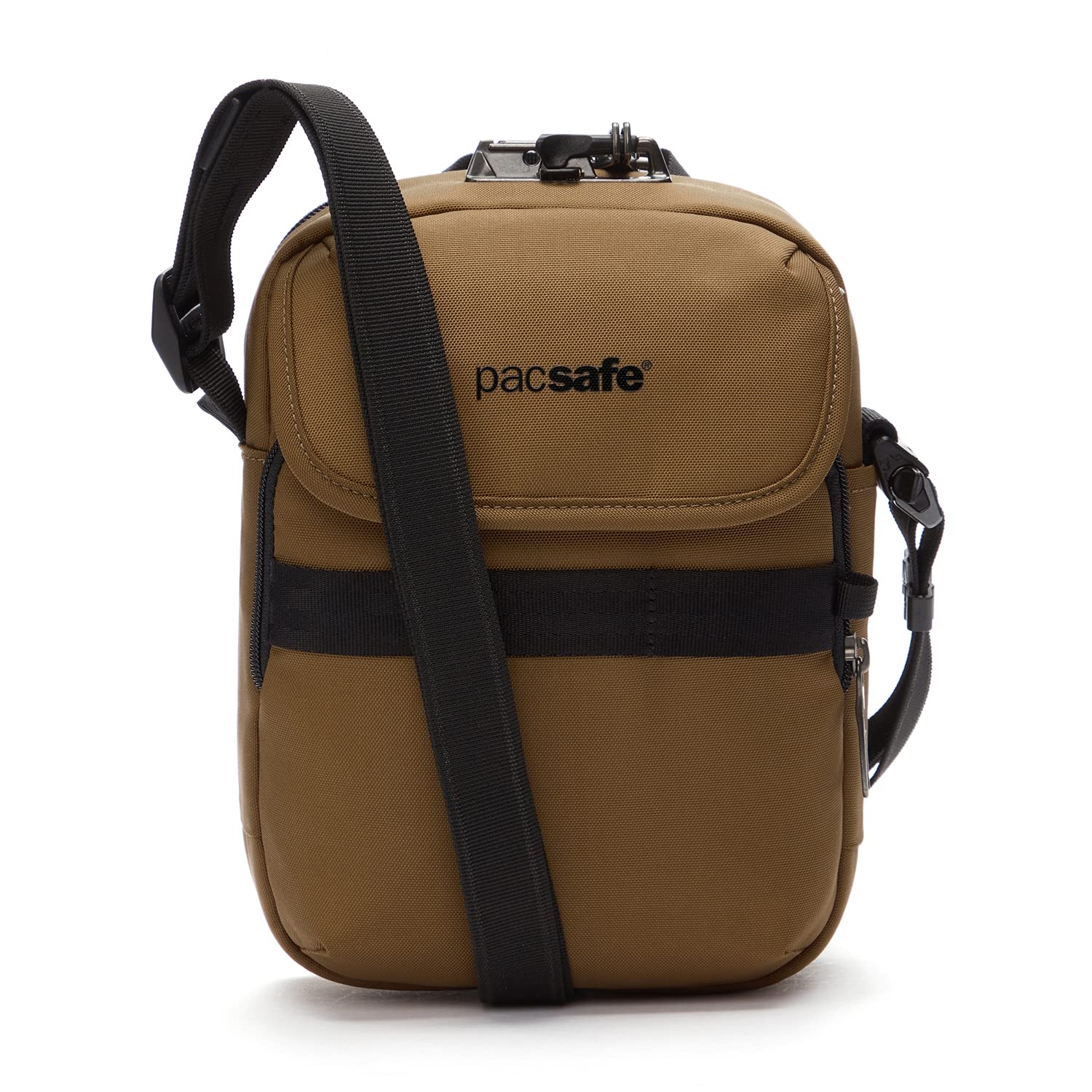
Pacsafe Metrosafe X Anti Theft Compact Crossbody - Fits 8" Tablet, Black : Clothing, Shoes & Jewelry
View on AmazonStreet-Food Walks
These walks orbit flavor pockets: choripán stands humming near parks, pizza al molde parlors dishing thick, olive-glossed fugazzeta, and heladerías layering seasonal fruits. In Buenos Aires, the Costanera draws food trucks and family-run trailers; in Córdoba, choripán culture deepens with smoky salsas and a side of Fernet-and-cola lore.
Parrilla and Asado Sessions
A centerpiece of local food tours in Argentina, parrilla-focused experiences decode cuts and culture: bife de lomo vs. entraña, when to salt, how to ride the fire. Some are intimate asados in family patios, others invite travelers behind the pass at storied bodegones to watch the parrillero tend a glowing altar of quebracho embers. Expect chorizo, morcilla, provoleta, seasonal salads, and that perfect steak, paired with a pour of malbec or bonarda.
Chef-Led Kitchen Visits
Chef-led tours may step into a bakery as the dawn batch of medialunas emerges, or into a pasta lab kneading a century of Italian-Argentine memory. Tastings might include house-made ñoquis on the 29th—honoring the payday ritual—or milanesa with a squeeze of lemon in a lunchroom heavy with nostalgia.
Family-Run Casas de Comida and Peñas
In the northwest, peñas folklóricas—the convivial taverns of Salta and Jujuy—braid music with empanadas, humitas, and wine. Casa de comida visits are equally intimate: grandmothers pressing dough at wooden tables, recipes annotated with stories of harvests and fiestas. Travelers sit not as spectators but as guests.
Winery and Bodega Tastings
Mendoza’s wine roads fan into valleys—Luján de Cuyo, Maipú, Uco—each a lesson in altitude and soil. Tours pair barrel-room tastings with tapas of grilled vegetables, provoleta dressed in local honey, and olive-oil flights. In Cafayate, Torrontés blooms with jasmine notes beside goat cheeses; in Patagonia’s Río Negro, pinot noir sidles up to smoked trout.

Wine Skin WineSkin Bag, 2-Pack
View on AmazonHands-On Classes and Workshops
Empanada workshops teach the tactile grammar of crimping, the perfume of cumin and paprika rising from a beef filling, and the genius of a hard-boiled egg tucked within. Other classes knead fugazza dough, whisk chimichurri bright with oregano and vinegar, or pipe dulce de leche into alfajores dusted with coconut. Some guides fold in a mate masterclass, turning etiquette into muscle memory.
Culture on the Plate: Stories and Rituals
Food in Argentina is choreographed leisure. The asado is as much social contract as meal: arrive late afternoon; greet the parrillero; wait as the fire collapses into coal. There are no distractions—no sauces obscuring meat’s flavor, no rush. The reward is succulence and a night of talk.
Immigrant tides remapped the table. Italians taught the country to worship pasta and pizza; Spaniards brought stews and olive oil; Middle Eastern arrivals introduced spices and the habit of wrapping meat in dough. Jewish bakeries braid challah and layer ricotta-filled pastries; in Buenos Aires’ Once neighborhood, knishes nestle beside factura trays. Indigenous influence runs even deeper: Andean maize and quinoa, the Mapuche’s merken spice, yerba mate from the Guaraní forests.
Guides often become translators of personal histories: a parrillero in San Telmo who learned to score chorizos from his father; a Salta vendor whose empanada recipe survives from her great-grandmother’s kitchen in Vaqueros; a Mendoza winemaker who irrigates vines with Andean meltwater, each vintage a note in a family ledger. These narratives—braided into tastings—turn dishes into documents.
Planning Local Food Tours in Argentina
The country’s culinary atlas is vast; the key is matching appetite to place and season.

Lonely Planet Argentina (Travel Guide): Albiston, Isabel, Brown, Cathy, Clark, Gregor, Egerton, Alex, Grosberg, Michael, Kaminski, Anna, McCarthy, Carolyn, Mutic, Anja, Skolnick, Adam
Covers Buenos Aires, The Pampas ... del Fuego, Uruguay · The Perfect Choice: Lonely Planet’s Argentina, <strong>our most comprehensive guide to Argentina</strong>, is perfect for both exploring top si
Check Price on Amazon- Best bases for eating tours: Buenos Aires (year-round parrillas, bodegones, and markets), Mendoza and Cafayate (wine, olive oil, and vineyard lunches), Salta and Jujuy (Andean flavors, peñas), Bariloche and Patagonia (lamb, trout, chocolate), Córdoba (choripán culture), and the Atlantic coast or Ushuaia for seafood.
- Typical durations and pacing: Street-food strolls and market visits last 2–4 hours; parrilla-focused evenings stretch to 4–5 hours with sobremesa; winery days run 6–9 hours door-to-door; multi-day routes stitch together regions.
- Price ranges (per person, approximate): Group walking tours from $40–$100; private parrilla or market tours $120–$250; full-day winery circuits $130–$250 (more for premium tastings); hands-on cooking classes $60–$150. Prices fluctuate with season and exchange rates—book in advance and confirm inclusions.
- Accessibility and dietary needs: Argentina caters beautifully to carnivores, but vegetarians will eat well on provoleta, grilled vegetables, pastas, stuffed squash, and seasonal salads. Vegan offerings are improving in major cities. “Sin TACC” (gluten-free) labeling is common; kosher restaurants cluster in Buenos Aires; halal options are limited but growing. Communicate allergies early; the best guides curate safe, satisfying alternatives.
- What to bring: Comfortable walking shoes, a reusable water bottle, sun protection (hat, sunscreen) in summer, a light jacket for breezy patios, small bills for market extras, and an appetite you can pace.
- When to go: Buenos Aires is delicious year-round; Mendoza’s harvest (Vendimia) in late February and March pairs tastings with festivals; Salta shines April–June and September–November; Patagonia’s al fresco lamb and lake fish peak December–March, while winter stews make June–August cozy in the north.
- Getting there: Domestic flights link Buenos Aires to Mendoza, Salta, Bariloche, and Ushuaia; long-distance buses are comfortable and comprehensive for budget travelers.
Pair food-focused days with classic experiences—city architecture, tango salons, or glacier hikes. If you’re building a broader itinerary, see our look at Must-Do Sightseeing Tours in Argentina: Where to Go, When to Book, and What to Expect for ideas that dovetail with tastings.
Budget-minded gourmands will find excellent value on group tours and simple, soulful bodegones. For smart stays that keep more pesos for steak and wine, browse Argentina on a Dime: Best Budget Hostels for Backpackers and Savvy Travelers. Those eyeing vineyard suites and Patagonian properties with private chefs can cross-reference Inside Argentina’s Finest Luxury Lodges: From Patagonia Glaciers to Mendoza Vineyards.
Traveling Well: Responsible, Authentic, and Delicious
Culinary travel can support the very communities that season Argentina’s plates.
- Choose tours that partner with small producers, family-run eateries, and independent winemakers. Ask guides how vendors are compensated.
- Favor seasonal menus and sustainable seafood (king crab in Ushuaia is responsibly harvested; ask about provenance elsewhere along the coast).
- Minimize waste by sharing plates, pacing portions, and bringing a small container or beeswax wrap if leftovers are likely.
- Respect rituals: wait to be offered mate before reaching for the gourd; learn the gentle etiquette of the circle. In peñas, clap for musicians; in markets, ask before photographing vendors.
- Tipping norms: In restaurants, 10% is customary; round up or add a small gratuity at market stalls if you’ve lingered and tasted. For guides, 10–15% recognizes expertise and care.
Where to Stay for Culinary Adventures
In Buenos Aires, the Palermo Brick Hotel hides behind ivy and red brick on a tree-lined street, with a courtyard perfumed by jasmine and a breakfast that nods to both porteño tradition and produce-forward trends. Its location places travelers within strolling distance of contemporary parrillas and neo-bodegones reshaping the city’s palate.
Wine lovers gravitate to Mendoza, where the vine-to-glass arc is best experienced overnight. The Finca del Malbec occupies a small estate ringed by olive trees, its rooms opening onto vineyard rows that glow honeyed at sundown. After a day of cellar-door tastings, guests return to an asado under the stars—an ember-lit masterclass without leaving the property.
For Andean flavors, Salta’s colonial core makes an ideal base. The Solar de Salta wraps around an inner patio strung with lanterns, a few blocks from peñas where guitars settle the night and empanadas arrive still hissing. Mornings begin with regional preserves and yerba mate rituals explained with warmth and patience.
The Last Bite
Night falls late in Buenos Aires. A final swirl of malbec catches the glow of a lamppost; somewhere, a bandoneón sighs. On the plate, a sliver of quince paste leans into a wedge of cheese; a spoon scrapes the last glossy curve of dulce de leche. Local food tours in Argentina do more than feed—each stop strings another bead on a story of migration, land, and time, until the country’s vastness feels intimate and the taste of smoke lingers like a memory.
Recommended Travel Gear
Lonely Planet Argentina (Travel Guide): Albiston, Isabel, Brown, Cathy, Clark, Gregor, Egerton, Alex, Grosberg, Michael, Kaminski, Anna, McCarthy, Carolyn, Mutic, Anja, Skolnick, Adam
Covers Buenos Aires, The Pampas ... del Fuego, Uruguay · The Perfect Choice: Lonely Planet’s Argentina, <strong>our most comprehensive guide to Argentina</strong>, is perfect for both exploring top si
Pacsafe Metrosafe X Anti Theft Compact Crossbody - Fits 8" Tablet, Black : Clothing, Shoes & Jewelry
ANTI-THEFT - 2022 version in Tan colorway, <strong>Interlocking Zippers & Cut Proof Material (lightweight steel mesh) to prevent pickpocketing</strong>. RFID blocking pocket to keep credit cards/I
Wine Skin WineSkin Bag, 2-Pack
Just place the bottle inside the WineSkin and its double seals help you keep your precious cargo intact.