Tokyo’s Hidden Neighborhood Hotels: Stay Local, See More
Trade the big-brand lobby for intimate, street-level stays. Our guide to the best neighborhood hotels in Tokyo shows you where to base for local food, nightlife, and daily rhythm—Yanesen calm, Kuramae craft, Koenji after-hours, and more.
Trip Length
4-6 days
Best Time
Year-round; March–May and October–November for mild weather and foliage, summer for festivals, crisp
Mood
cultural
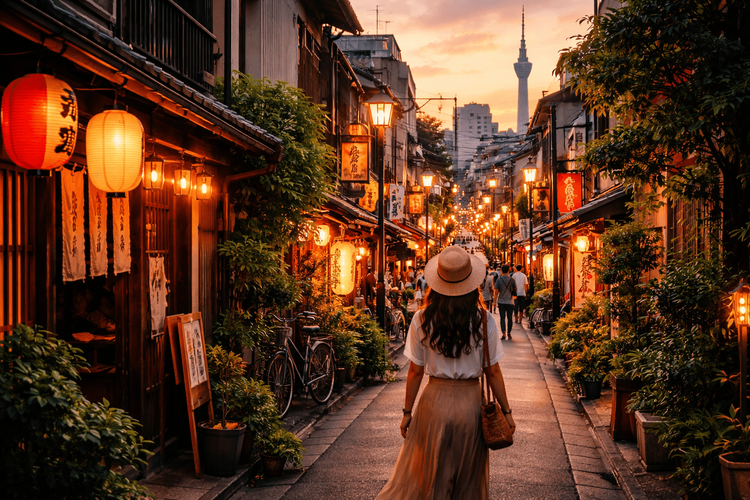
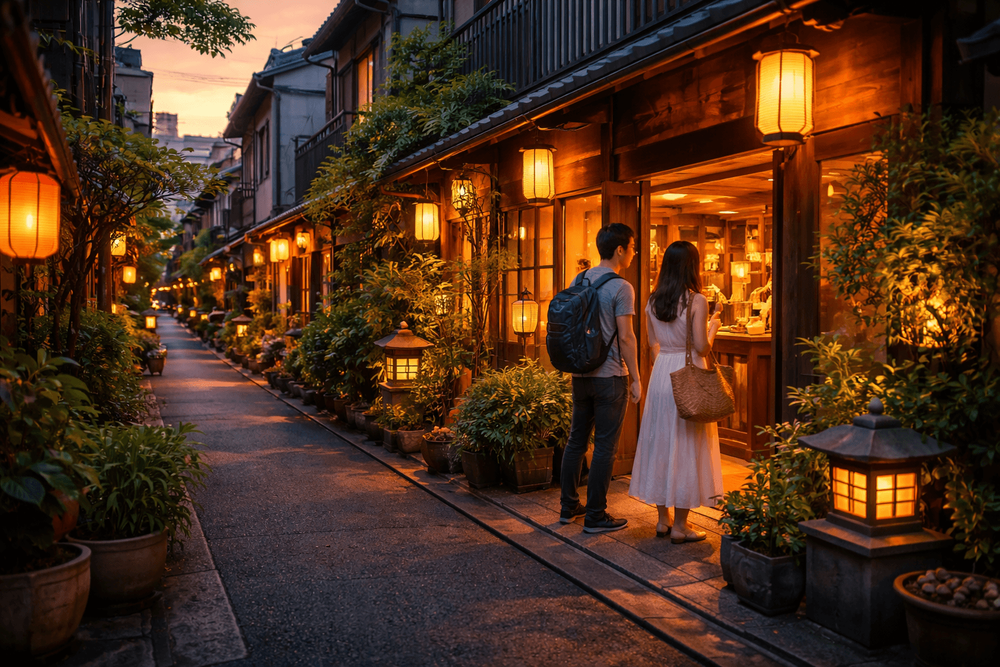
The alley is scarcely wider than your shoulders. Wind chimes tick in the breeze, a paper lantern flickers above a noren curtain, and the scent of soy and cedar drifts from a tiny counter bar. This is the Tokyo you came for—the one that hums after the last commuter train. Book into one of the best neighborhood hotels in Tokyo and the city stops being a map of highlights and becomes a string of favorite corners: a kissaten that knows your order by day three, a record shop owner who slides a rare pressing across the counter, a riverside at dusk you’ll keep to yourself.
Why a neighborhood hotel changes the city
Tokyo isn’t a single downtown; it’s a constellation of villages. Each has its own rhythm at street level: schoolkids wheeling past greengrocers, office workers queuing for curry at noon, a bar owner watering potted herbs after midnight. A small, well-placed stay puts you in that daily current. You’ll wake with the smell of roasting beans drifting up from the café below, notice the old stone guardian outside a tiny shrine on your morning walk, and catch the late-night laughter of a standing bar two doors down. The city rewards the unhurried, and intimate lodgings help you slow your step.
Neighborhood hotels here aren’t about grand lobbies. They’re shophouse conversions with six rooms and a wooden stair, contemporary ryokan with cedar tubs, or micro-hotels that trade square footage for an all-day lounge and a bookcase of Tokyo zines. The hosts are often curators of their blocks—ready with a scribbled map and a “try this place at 7 p.m., not 8.”
Neighborhoods to consider for a local stay
Yanaka, Nezu, and Sendagi (Yanesen)
Temple bells, tiled eaves, sleepy cats on sun-warmed walls—Yanesen offers one of the city’s gentlest strolls. Stay in a restored wooden townhouse and you’ll pad across tatami to a low table in the morning and pass antique shops on your way to an old-school coffee counter. Food here skews traditional: skewers smoke over charcoal, soy simmers low, and seasonal sweets are sold from family-run shops. It’s an easy hop to larger parks and museums, but you’ll likely linger on side streets painted with afternoon light.
Kuramae and Asakusabashi (Sumida side)
Across the river from the big temples, Kuramae’s craft lineage shows up in leather studios, stationery boutiques, and small roasters. The hotels often live in converted warehouses with concrete bones and warm wood, some with rooftop terraces for breezy sunsets over the Sumida. Days are for browsing design-forward shops or walking the riverside; nights tilt toward sake bars and counter-seating tempura where the fry cook watches your face for the first bite.
Kiyosumi-Shirakawa
Coffee lovers treat this canal-threaded district like a pilgrimage. Galleries hide in residential blocks, and a landscaped garden offers a quiet loop where turtles sun themselves on stones. Expect minimalist rooms—think ash wood, linen, and a carafe of cold-brew in the lobby. In the morning, you’ll meet dog walkers and stroller pushers on the path by the water; after dark, the scene shifts to intimate wine bars and small-plate kitchens.
Kagurazaka
Old geisha lanes climb a gentle hill, latticed doors close softly, and French bistros wink at Japanese kaiseki counters. Staying here feels like living in two cities at once. Small inns sit along stone-paved alleys, some with paper-screened windows and deep soaking tubs. You can walk to a major interchange for the rest of Tokyo by day, then drift home through lantern glow and the clink of glassware at night.
Koenji and Asagaya
On the west side of the loop line, Koenji’s energy comes from live houses, vintage racks, and ramen steam curling under the train. Rooms over shopping arcades or in compact studio hotels put you close to thrift stores that open late and tachinomi standing bars where salarymen and students rub shoulders. If you like your nightlife unpolished and your mornings quiet, this is the right balance.
Shimokitazawa
Indie theaters, pocket parks, and secondhand everything—“Shimo” is a mood. The area’s newer lodgings lean casual: pod-style floors with big communal lounges, or petite apartments with kitchenettes if you’re here for a week. Daylight hours mean coffee, curry, and crate-digging; evenings are for tiny stages and narrow wine bars where the playlist is as considered as the pour.
Nakameguro and Daikanyama
Tree-shaded paths trail the Meguro River, and boutiques cluster like pearls on quiet streets. Apartment-style hotels dominate here—white walls, soft light, maybe a balcony for people-watching. It’s ideal for slow mornings, spring cherry walks, and low-key nights over grilled fish and shochu.
The best neighborhood hotels in Tokyo: what to book
Choosing among the best neighborhood hotels in Tokyo is more about feel than star count. Here’s how I sort them:
- House vibe: Do you want tatami and futon, or a firm mattress and blackout curtains? Traditional stays ask you to swap street shoes for slippers and respect quiet hours; modern micro-hotels might trade a large room for a lively lounge where staff spin vinyl at night.
- Community spaces: Look for a lobby that doubles as a café, a tiny library of design books, or a rooftop where guests actually gather. The best conversations—and recommendations—start here.
- Water rituals: Many small inns tuck deep tubs into private bathrooms; a few have compact communal baths. If a soak is part of your Tokyo ritual, check the details before you book.
- Self check-in: It’s common to receive a door code and QR instructions; some desks keep limited hours. If you’re landing late, confirm access so you’re not testing your jet-lagged patience at midnight.
- Location on foot: Pin the hotel on a map and drop three circles: coffee within 5 minutes, dinner within 10, a train within 8. That triangle is your lived-in Tokyo.
Eating and going out around your stay
Skip the itineraries with reservations across town and let the block decide. In Yanesen, you might start with anko-filled sweets and end with sake poured from a wooden masu. Along the Sumida, follow the scent of sesame oil down a side street, then cross a low bridge to a riverside nightcap. Koenji’s arcades spill live music after dark; you’ll find tiny counters doling out skewers and pickles to a soundtrack of clinking highballs. In Kiyosumi-Shirakawa, cafés double as evening wine bars; a seat at the window becomes a front-row view of neighborhood life. Kagurazaka splits the difference: slurp noodles at a stand-up spot, then tuck into a late terrace table with a glass of something French.
If you want one “destination” meal without leaving your orbit, ask your host for a place that feels celebratory but local. Many neighborhoods have a single counter with eight seats where the chef plates seasonal fish and vegetables with quiet precision. Your hotel will know the one—and how to time it so you’re not waiting.
Practicalities: arrival, transport, and what to expect
- Getting there: Tokyo is served by Haneda (closer to the center) and Narita. From either, trains are the most efficient; airport lines connect to the city’s rail network, and transfers to the Metro are well signed. If you’re carrying big luggage, airport buses and taxis are straightforward alternatives.
- Getting around: IC cards like Suica and PASMO make touch-in travel easy across trains, subways, and most buses. Last trains wind down around midnight; neighborhood nights are best planned within walking distance of your bed.
- Addresses: Tokyo’s block-based addressing can be opaque. Save a map pin and a photo of the entrance; many small properties are on side streets without big signage.
- On arrival: Expect to remove shoes in some properties, provide a passport for registration, and observe quiet hours. Smaller buildings may have no elevator; compact luggage makes life easier on narrow stairs.
When to go
This is a year-round city. Spring (March–May) brings cherry petals along rivers and temple grounds; autumn (October–November) trades them for ginkgo gold under clear skies. Summer hums with festivals and warm nights that make late izakaya crawls irresistible. Winter is crisp and bright—ideal for long walks, hot baths, and steam rising from street-side noodle stands.
A 4–6 day local-first plan
- Days 1–2: Base in the east. Choose Kuramae or Kiyosumi-Shirakawa to start with rivers, coffee, and slower streets. Walk the bridges at dusk, take a morning loop through a classic garden, and cross over to a bigger temple precinct before retreating to your quieter block for dinner.
- Days 3–4: Shift west. Move to Koenji or Shimokitazawa for music, vintage racks, and late nights close to home. Sleep in, then wander to a matinee show or a market street lunch. If you need a big-museum fix, ride the train two stops, then be back in time for golden-hour drinks.
- Days 5–6 (optional): Add Yanesen or Kagurazaka. Make this the contemplative chapter—sweets and tea, backstreet shrines, a splurge counter meal, and a soak before bed. You’ll return with neighborhood ritual embedded in muscle memory.
For a 4-day hit, pick two districts and split your stay. For the full six, sample two of the best neighborhood hotels in Tokyo—one east, one west—to feel how the city changes, block by block.
How to choose the right one for you
Ask yourself what you want to overhear. Morning greetings at a local bakery? Late-night guitar riffs drifting from a basement live house? The best neighborhood hotels in Tokyo act like tuning forks: they set the pitch for your days. Read recent guest notes for mentions of street noise or firm futons, scan photos for natural light, and look for hosts who answer with specifics rather than stock phrases. That, more than thread count, predicts a stay that plugs you into the present tense of the neighborhood.
You’ll leave with a mental atlas: an alley cat’s shortcut, a vending machine that sings at 2 a.m., a lantern that flickers just so in the wind. And you’ll already be plotting a return—same block, different season—because the most enduring souvenir here is a place that starts to feel like yours.
Where to Stay

Hotel Villa Fontaine Grand Haneda Airport
Hotel Villa Fontaine Grand Haneda Airport is a 4-star Tokyo property offering convenient access to Haneda Airport and nearby neighborhoods Kagurazaka, Shimokitazawa and Yanaka, with modern rooms, free Wi-Fi, an airport shuttle and business facilities; guests rate it 8.9/10.

Asakusa Tobu Hotel
Asakusa Tobu Hotel is a 3-star Tokyo city hotel offering comfortable rooms and direct access to Asakusa's temples and transport links, making it a convenient base for exploring Kagurazaka, Shimokitazawa and Yanaka, and carrying a 9.2/10 guest rating.

Grand Nikko Tokyo Bay Maihama
Grand Nikko Tokyo Bay Maihama is a 4.5-star hotel with a 9.1/10 guest rating that places guests within easy reach of Kagurazaka, Shimokitazawa and Yanaka, offering upscale rooms, multiple dining options, event facilities and convenient transport links to central Tokyo.

Hotel Gracery Shinjuku
Hotel Gracery Shinjuku is a 4-star modern city hotel in Tokyo that places guests within easy reach of Kagurazaka, Shimokitazawa and Yanaka, offering practical city-oriented amenities and an 8.7/10 guest rating for comfort and convenience.

Hotel Sunroute Plaza Shinjuku
Hotel Sunroute Plaza Shinjuku is a 4-star Tokyo hotel rated 8.6/10, offering modern rooms and easy access to Kagurazaka, Shimokitazawa and Yanaka; it functions as a convenient base for exploring local neighborhoods and transport links with practical amenities.