
Top Wellness Retreats in Vietnam: Restore Your Body, Mind & Spirit
From Zen mountains to barefoot beaches, discover Vietnam’s most restorative retreats—yoga, detox, and Vietnamese healing in evocative settings.
Mood
Wellness Escape
At dawn, Vietnam exhales. The sea along Da Nang hushes to a glassy sheen. Lotus leaves shimmer on still ponds outside Hoi An. In the north, mountain mist drifts through cedar and bamboo, carrying the faint resin of pines and temple incense. This is where the top wellness retreats in Vietnam reveal themselves—spreading yoga mats on quiet beaches, steeping forest herbs into mineral baths, and coaxing calm from ancient traditions refreshed for the modern traveler.
Top Wellness Retreats in Vietnam: Regional Standouts
Hanoi & Ha Long: Zen mountains, modern therapies
In the cradle of Vietnamese Buddhism, the Tran Dynasty’s Zen lineage still shapes daily life around Yen Tu Mountain. Legacy Yen Tu – MGallery Wellness Retreat, set amid pine forests and golden stupas, channels that heritage with Truc Lam–inspired meditation, herbal steam rituals, and silent forest walks. Guests move from stone courtyards into warm, wood-lined treatment rooms where therapists blend Đông y (traditional Vietnamese medicine) and modern spa techniques.
Closer to the coast, Ha Long Bay’s limestone karsts provide a cinematic backdrop to sunrise tai chi and breathwork on the deck of select wellness-forward cruises. On land, the Quang Ninh region’s hot-spring culture has ushered in Japanese-style onsen facilities and herbal soaks; day experiences can complement longer retreats in Hanoi or Yen Tu. In the capital, integrative clinics combine acupuncture, cupping, and physiotherapy—ideal add-ons before or after a northern retreat.
What makes the north unique: cool-season clarity, Buddhist heritage, and access to authentic herbal traditions. Expect a more contemplative pace and mountain-to-bay variety.
Hoi An & Da Nang: Rituals of the coast, creative wellness
Central Vietnam does sunrise differently—the light here turns the South China Sea silvery blue, framed by the Marble Mountains and coconut groves. The region excels at spa-inclusive stays with serious wellness credentials. The TIA Wellness Resort, set on My Khe Beach, folds daily treatments, guided meditation, and personal wellness consultations into its rates. Travelers rotate between ocean-view yoga, breathwork and journaling sessions, and Vietnamese-inspired therapies that tap ginger, lemongrass, and camphor for circulation and clarity.
Nearby, Four Seasons Resort The Nam Hai crafts sound-healing and Vietnamese essential-oil rituals at its lakeside spa, drawing from monastic Zen and local plant lore. In Hoi An’s lantern-lit streets, small ateliers offer bespoke herbal compresses and foot soaks made from rice, pomelo rind, and aromatic leaves—gentle, grounding complements to structured retreat programs.
What makes the center unique: beach-to-rice-paddy scenery, creative programming, and spa-inclusive value that suits both first-time and seasoned wellness travelers.
Nha Trang & Ninh Van Bay: Barefoot bays, integrated screening
Speckled with granite headlands and secluded coves, the Nha Trang coastline invites slow, saline days. Just across the bay, the Six Senses Ninh Van Bay spreads villas between jungle and coral reef, pairing serious spa craft with barefoot ease. Integrated wellness screenings assess sleep, stress, and movement patterns; programs then blend yoga, personal training, fascia release, and nutrient-forward cuisine rooted in garden produce and local seafood. Visiting practitioners—osteopaths, TCM specialists, breath coaches—rotate through the calendar, deepening the bench of expertise.
Those drawn to temple-quiet and big-sky horizons can consider other hideaways along this coast, where detox, immunity, and movement-optimization tracks are designed for tangible outcomes like better sleep or improved mobility over a week.
What makes the south-central coast unique: nature-forward design, reef-meets-rainforest settings, and data-led personalization without losing the romance of a remote bay.
Phu Quoc: Island time, all-spa inclusive ease
Phu Quoc’s palm-lined beaches and cinnamon-scented hills shift the nervous system down a gear on arrival. The Fusion Resort Phu Quoc builds on the brand’s all-spa-inclusive ethos—each villa stay includes multiple daily treatments, from Vietnamese cupping and herbal compresses to restorative facials and head massages. Dawn yoga rolls into lazy swims and herbal steam rooms; sunset meditation is scored by the surf and cicadas. Eco-chic outposts elsewhere on the island lean into plant-based menus, jungle walks, and simple bungalow living that makes digital detox delightfully easy.
What makes Phu Quoc unique: languid island rhythm, easy direct flights, and a wellness model that’s indulgent but low-effort—perfect for travelers who want results without rigid schedules.
Sapa & the Northern Highlands: Herbal baths, highland quiet
Sapa’s terraced amphitheaters and cloud-brushed peaks create a different kind of retreat: nature-led and elemental. Ecolodges outside town pair movement—guided hikes, trail runs, or gentle rice-terrace walks—with Red Dao herbal bathing rituals. In nearby Ta Phin village, women’s cooperatives prepare steaming wooden tubs infused with cinnamon bark, star anise, wild mint, and more than a dozen mountain leaves gathered according to lunar rhythms. The effect—tingling limbs, deep warmth, and uncommon sleep—feels both ancient and freshly restorative.

GRAYL UltraPress 16.9 oz Water Purifier & Filter Bottle for Hiking, Backpacking, Survival, Travel (Olive Drab)
View on AmazonSpa menus here lean earthy: stone massages warmed by woodfire, herbal saunas, and acupressure. Expect cooler nights, big duvets, and a hush broken only by wind in bamboo.
What makes the highlands unique: altitude air, time-honored plant medicine, and a rare sense of remove just a few hours from Hanoi.
Inside the Programs: Offerings, Credentials and a Day in Retreat
Vietnam’s leading retreats blend movement, mindfulness, bodywork, and nutrition into coherent tracks designed for different goals. Common program types include:

Manduka eKO SuperLite Yoga Mat - 1.5mm Natural Rubber | Foldable & Travel Friendly | Soft Textured Surface | Eco-friendly
View on Amazon- De-stress and Sleep: gentle yoga, yoga nidra, breathwork, magnesium-rich soaks, sound baths
- Detox and Gut Health: anti-inflammatory menus, herbal teas, lymphatic drainage, infrared sauna, light movement
- Strength and Mobility: one-on-one training, Pilates, mobility drills, deep-tissue therapy, cold-plunge and contrast hydrotherapy
- Mindfulness and Meditation: Truc Lam Zen practices, loving-kindness sessions, forest bathing, silent periods
- Traditional Vietnamese Medicine Focus: acupuncture, cupping (giác hơi), moxibustion, and custom herbal formulas
Instructor and therapist credentials at top-tier properties typically include RYT-200/500 yoga teachers, licensed acupuncturists or TCM/Đông y practitioners (where offered), and spa therapists with internationally recognized certifications (e.g., ITEC/VTCT) and extensive in-house training. Many coastal resorts also host visiting specialists—osteopaths, naturopaths, breathwork coaches—on seasonal residencies. As always, travelers should ask to review team bios and certifications when booking.
A sample day might look like this:
- Morning: warm lemon-ginger tea; sunrise meditation; dynamic vinyasa or a coastal run; light breakfast of tropical fruit, brown rice porridge, and local herbs
- Midday: one-on-one wellness consult; targeted bodywork (deep tissue, myofascial release); lunch with turmeric-scented broth, steamed greens, and grilled fish or tofu
- Afternoon: guided breathwork or qigong; herbal steam and contrast shower; journaling or beach nap
- Evening: slow yin yoga or sound healing; Red Dao–style herbal bath or magnesium soak; supper and early lights-out
Typical outcomes after a focused 3–5 nights include deeper sleep, improved joint mobility, and a quieter mind. For behavioral reset—sustainable nutrition shifts, stress unlearning, or meaningful strength gains—7–10 nights yields more measurable change.
Practical Travel and Booking Intelligence
- Best seasons by region:
- Hanoi/Ha Long & Sapa: March–May and September–November for clear skies and mild temperatures; winter (December–February) is cool, with misty romance in Ha Long and chilly nights in Sapa.
- Hoi An/Da Nang: February–August is drier (May–July is hottest); September–November can bring rain and storms.
- Nha Trang: January–August is generally dry; September–December sees more rain.
- Phu Quoc: November–April is the dry season with calm seas; May–October brings tropical showers.
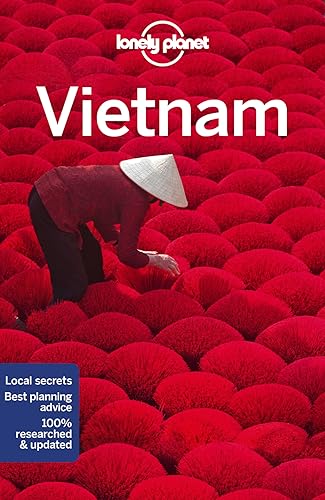
Lonely Planet Vietnam 14 (Travel Guide): Stewart, Iain, Atkinson, Brett, Bush, Austin, Eimer, David, Ray, Nick, Tang, Phillip
<strong>Lonely Planet Vietnam 14</strong> (Travel Guide) [Stewart, Iain, Atkinson, Brett, Bush, Austin, Eimer, David, Ray, Nick, Tang, Phillip] on Amazon.com. *FREE* shipping on qualifying offers. <st
Check Price on AmazonPrice ranges (per room per night, indicative):
- Boutique yoga retreats and homestay-style programs: $80–$180, often including classes and some meals
- Mid-luxury spa-inclusive resorts: $250–$550, with daily treatments and wellness activities
- Ultra-luxe integrated programs: $700–$1,500+, with diagnostics, private sessions, and full-board cuisine
What’s typically included: accommodation, daily group movement classes, selected spa treatments, wellness consultations, breakfast or full board depending on program, and scheduled activities like meditation or guided hikes.
Getting there:
- Hanoi (HAN) serves the north; expressways now make Hanoi–Ha Long transfers 2–2.5 hours by car, while Hanoi–Sapa is 5–6 hours by highway or an overnight train to Lao Cai plus a 60–90-minute drive.
- Da Nang (DAD) serves Hoi An and central resorts, a 30–45-minute transfer.
- Cam Ranh (CXR) serves Nha Trang; boat transfers whisk guests to Ninh Van Bay hideaways after a short drive.
- Phu Quoc (PQC) receives domestic and regional international flights; most beach resorts are 20–40 minutes by car.
Booking tips:
- Travel in shoulder seasons for calmer beaches and softer rates.
- Ask for a sample weekly schedule and therapist roster; confirm how many treatments are actually included per day.
- Clarify dietary capacity (gluten-free, vegan, nut-free) and whether menu planning can be personalized.
- If you’re planning a long weekend reset, consult our curated ideas in Weekend Getaways: Curated 48–72 Hour Escapes for Every Traveler.
Health, insurance, and visa notes:
- Vietnam’s e-visa system offers online visas for many nationalities, with options up to 90 days; check official government sources for current rules and processing times.
- Pack high-SPF reef-safe sunscreen, a broad-spectrum insect repellent, and any prescription meds in original packaging.
- Heat and humidity are real on the coast; hydrate mindfully and respect ocean conditions. Sapa sits around 1,500 meters; pace hikes accordingly.
- Comprehensive travel insurance that covers medical care and trip adjustments is recommended for all wellness travelers.
Accessibility:
- Beach resorts typically offer step-free suites and lifts; hillside lodges (especially in Sapa) may involve stairs and uneven paths. Ask about accessible rooms, handrails, and buggy service if mobility is a concern.
For a packing refresh tailored to light, wellness-forward travel, see The Ultimate Travel Packing List: Stylish, Smart & Stress-Free.
Who Will Love Which Retreat: Personalization by Traveler Type
Solo seekers: Structured programs with small-group classes and shared tables foster easy connection while preserving solitude. Central-coast spa-inclusive stays or Sapa ecolodges with guided hikes are ideal. For inspiration on going it alone, browse Solo Travel Destinations: Where to Go for Safe, Social & Seamless Trips.
Couples: Choose serene villas with private plunge pools and couple’s rituals—coastal sanctuaries around Hoi An and Ninh Van Bay excel. For more escapist ideas, see Romantic Destinations for Couples: Intimate Escapes Around the World.
Digital detoxers: Mountain monasteries and ecolodges edge out beach resorts for true off-grid calm. Confirm Wi-Fi can be switched off in-room and that the program offers device-light hours.
Fitness-forward travelers: Look for retreats featuring daily PT, mobility labs, and open-air gyms, with recovery modalities like ice baths and compression therapy.
Those managing chronic stress or burnout: Seek programs emphasizing breath-led movement, nervous-system education, and sleep hygiene. A minimum of 5–7 nights is recommended for meaningful rest.
Dietary needs: Vietnam is wonderfully herb-forward. Top kitchens can accommodate vegan, gluten-free, and low-FODMAP diets; kosher and halal requests may require advance notice and may be best met in larger coastal resorts. If you have severe allergies, confirm kitchen protocols and language support.
Language and cultural support: English is widely spoken in top retreats; some coastal properties offer Mandarin, Korean, or Russian materials. Vietnamese cultural briefings—temple etiquette, herbal lore—enrich the experience and are a sign of thoughtful programming.
Cultural Authenticity and Sustainability
Vietnam’s healing traditions are not a trend but a continuum—from village herb gardens to monastic meditation halls. The best retreats honor this lineage respectfully and transparently. Expect to see:
- Thoughtful integration of Đông y: acupuncture and cupping by licensed practitioners; moxibustion and herbal compresses using locally grown plants
- Regional rituals: Red Dao herbal baths in Sapa prepared by community cooperatives; coastal salt scrubs scented with lemongrass and pomelo peel; steam therapies infused with wild ginger and cinnamon
- Local sourcing: teas from highland farms; vegetables, tofu, and fish from within a short radius; essential oils distilled in small regional workshops
- Sustainability in action: reef-safe practices and marine monitoring on island resorts; composting and closed-loop gardens; plastic reduction, greywater recycling, and solar power where feasible
- Community impact: training and hiring locally; supporting women-led cooperatives; funding school programs and forest restoration
How to choose an ethical retreat:
- Look for published sustainability reports or third-party certifications (e.g., EarthCheck, Green Globe) and specific, measurable initiatives.
- Ask how traditional rituals are sourced and who benefits—authentic partnerships name communities and compensate fairly.
- Favor properties that cap group sizes, protect local ecosystems, and are transparent about therapist credentials and wages.
- If you’re building a broader Asia wellness circuit, pair Vietnam with the Himalayas using our guide to Himalayan Wellness: A Traveler’s Guide to Yoga, Ayurveda and Meditation Retreats in Nepal.
Two or Three Places to Book—When You’re Ready
The TIA Wellness Resort sets the benchmark for spa-inclusive stays: a modernist beachfront sanctuary where daily treatments, mindful cuisine, and creative practices (think breathwork and journaling) are woven into life between swims.
The Six Senses Ninh Van Bay hides in a private cove reached by boat, pairing barefoot Robinson Crusoe romance with integrated wellness screenings, visiting practitioners, and cuisine that tastes like sunshine on a plate.
The Fusion Resort Phu Quoc delivers island ease with multiple daily spa treatments included, plus sunrise yoga, herbal steam, and villas that open directly to palm-dotted sands.
Each is a strong entry in any list of the top wellness retreats in Vietnam—and a reminder that the country’s gentle genius lies in fusing time-tested remedies with a palpable sense of place.
As evening drops over rice paddies or an ink-blue bay, a gong sounds, tea steeps, and the air carries lemongrass and sea salt. In Vietnam, wellness is not something you check off; it’s something you drift into, breath by fragrant breath, until the world softens and the body remembers how to rest.
Recommended Travel Gear
Lonely Planet Vietnam 14 (Travel Guide): Stewart, Iain, Atkinson, Brett, Bush, Austin, Eimer, David, Ray, Nick, Tang, Phillip
<strong>Lonely Planet Vietnam 14</strong> (Travel Guide) [Stewart, Iain, Atkinson, Brett, Bush, Austin, Eimer, David, Ray, Nick, Tang, Phillip] on Amazon.com. *FREE* shipping on qualifying offers. <st
Manduka eKO SuperLite Yoga Mat - 1.5mm Natural Rubber | Foldable & Travel Friendly | Soft Textured Surface | Eco-friendly
PRODUCT DETAILS: The eKO SuperLite mat is <strong>thin, lightweight, and travel-ready, measuring 71 x 24 inches, 1.5mm and weighing just 2 lbs</strong>. Its foldable design makes it easy to pack and t
GRAYL UltraPress 16.9 oz Water Purifier & Filter Bottle for Hiking, Backpacking, Survival, Travel (Olive Drab)
The 16.9 Fl Oz UltraPress Water Filter & Purifier Bottle <strong>removes ALL global waterborne pathogens (virus, bacteria, protozoa).</strong> As dirty water is pressed through the purifier media,