
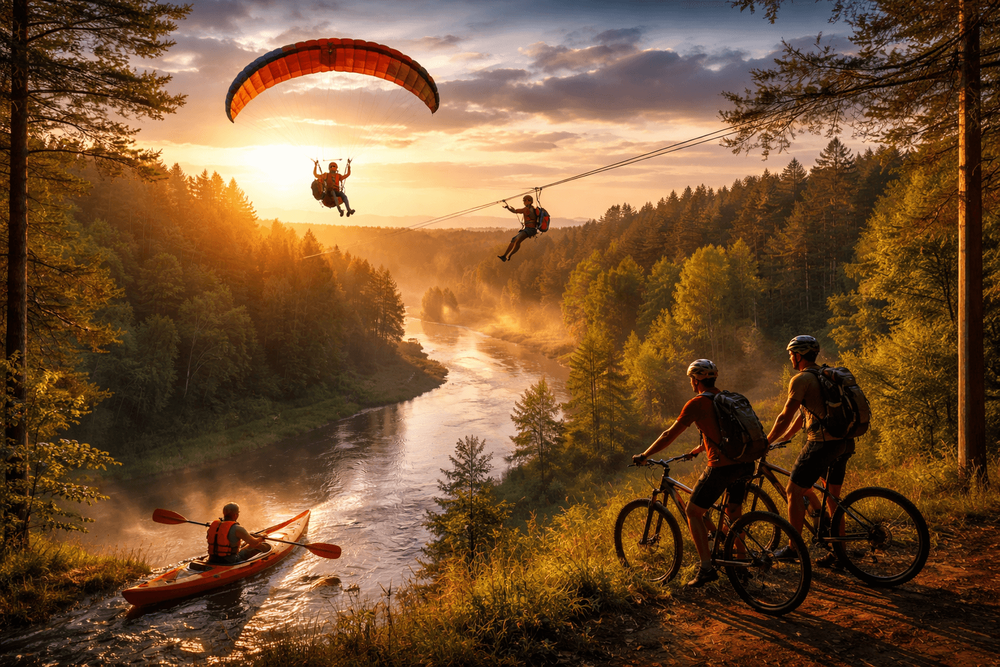
Adventure Sports in Belarus: Rivers, Forests and Aerial Thrills
Paddle wild rivers, bike through primeval forests, and soar by balloon. A smart, seasonal guide to Belarus’s quieter side of adrenaline.
Mood
Outdoor Thrill-Seeker
Adventure Sports in Belarus: A Season-by-Season Guide for Outdoor Thrill‑Seekers
At first light on the Pripyat floodplain, a low river mist unspools across reed beds while a pair of kayaks noses from the bank. A bittern calls from the marsh, and the only other sound is the hush of paddles feathering through tea‑colored water. This is the Belarus most travelers never see—quiet, wild, and made for motion. For those chasing adventure sports in Belarus, the country’s waterways, forests, and winter plains offer a discreet but deeply rewarding playground.
Adventure Sports in Belarus: The Big Inventory
Water: Canoes, Kayaks, SUP, and Sailing
- River journeys: The great arterial rivers—the Pripyat, Berezina, and Neman—invite multi‑day paddles through sedge meadows and willow‑fringed bends. The Berezina’s gentle current often suits first‑timers, with common put‑ins near visitor hubs and sandbar camping where permitted. The Pripyat’s sprawling Polesie wetlands feel wilder, with spring floodwaters spreading into a labyrinth of channels. The Neman near Grodno meanders through pastoral bluffs and poplar galleries, a classic day‑trip corridor. Local rules, water levels, and access points change with the season—confirm details with park offices or outfitters before launching.
- Lakes and SUP: Northern Belarus is a water world. The Braslav Lakes chain laces together clear basins ideal for SUP at dawn, when a mirror‑calm surface reflects birch silhouettes and lakeside villages. Many lakeside bases rent sit‑on kayaks and all‑round SUPs by the hour, though availability is seasonal and can vary by lake—check ahead.
- Small‑boat sailing: On larger lakes such as Drivyaty in Braslav, afternoon thermals can ripple in, powering day sails on dinghies and small keelboats. Expect capricious gusts after summer storms—sailing here rewards light, quick trimming and an eye on the sky. Local sailing clubs or rental bases typically require basic competency and may limit departures in unsettled weather.
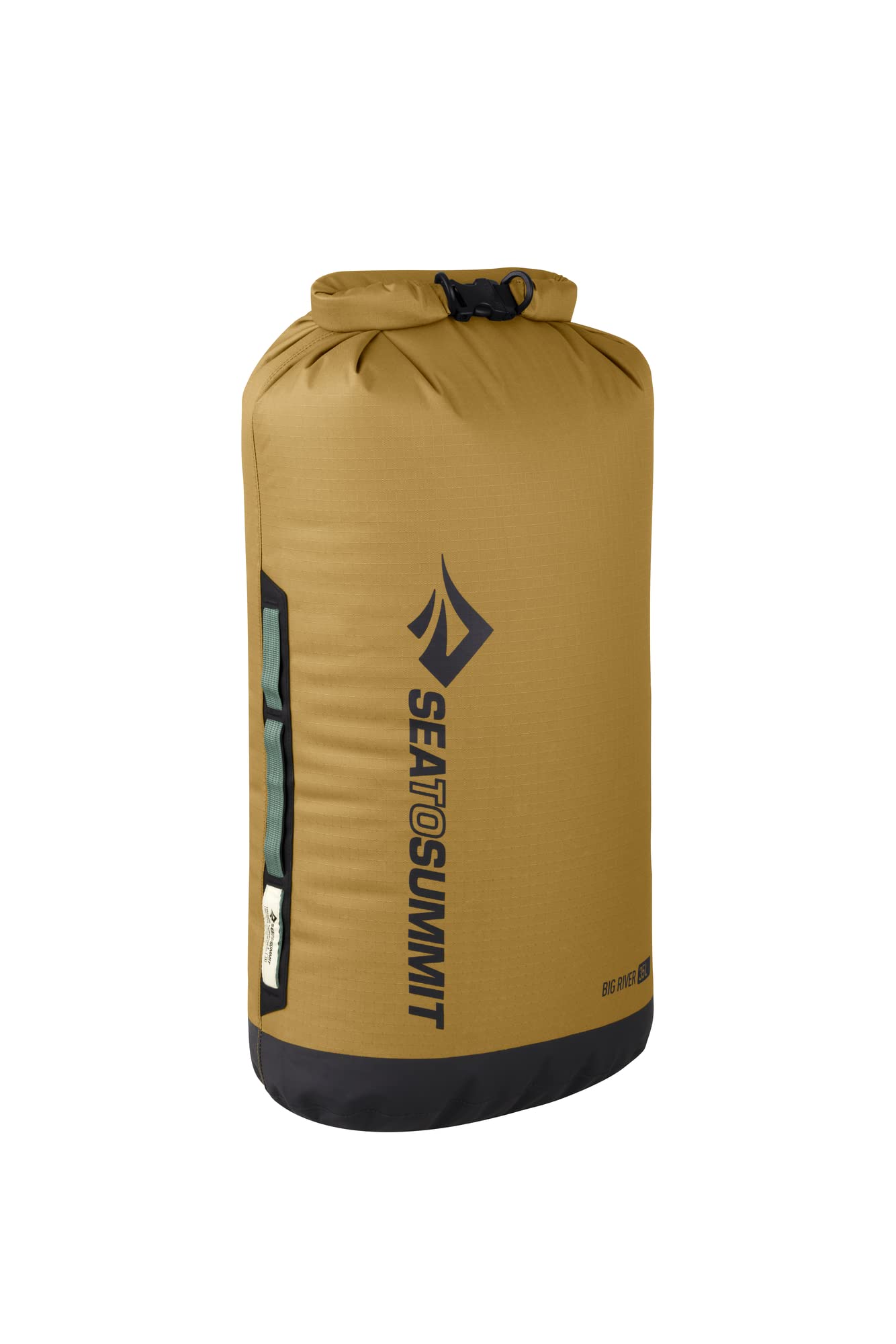
Sea to Summit Big River Dry Bag, Heavy-Duty Dry Storage, 5 Liter, Gold Brown
View on AmazonForest and Off‑Road: MTB Trails, Gravel, and ATV/4x4
- Trail and cross‑country MTB: Sandy forest roads and pine‑needle singletrack stitch through Belovezhskaya Pushcha and the broader Polesie. Expect soft sections, exposed roots, and long, meditative straights scented with resin and wild thyme. In hilly pockets near Logoisk and across the Minsk Upland, short punchy climbs and flowy descents reward intermediate riders. Some protected areas restrict where bikes can go—ride only on designated routes and heed local signage.
- Gravel touring: The web of farm lanes and woodland spurs makes Belarus a natural for bikepacking—low traffic, big horizons, and village shops for refuel stops (black bread, smoked fish, forest berries). Multi‑day loops can link lakes and rivers with overnights at official campgrounds or homestays; always verify accommodation availability outside peak months.
- ATV/4x4 excursions: Licensed outfitters run guided sessions on forest tracks and peatland edges. Helmets and eye protection are essential; drivers should expect water crossings and occasional winching when spring floods linger in shaded ruts. Operations are weather‑dependent and may be limited in protected zones—book with accredited providers and follow their route permissions.
Aerial and Adrenaline: Balloons, Paragliding, Zip‑Lines
- Hot‑air balloons: The Belarusian sky is famously big. Sunrise flights often lift from fields outside Minsk and across the rolling Minsk Upland, where patchwork farms glow apricot and low fog traces river curves. Ballooning is weather‑dependent—early morning windows bring the calmest winds—and flight areas are set case‑by‑case by pilots and airspace rules.
- Paragliding: Hills are modest but flyable; experienced pilots and tandem instructors operate seasonally on ridgelines and slopes around areas such as Logoisk and near Dzerzhinskaya Hara, the country’s high point. Expect glidey evening air and broad, forgiving landing fields when conditions align. Sites open or close based on wind, landowner permission, and airspace notices—confirm on the day.
- Zip‑lines and ropes parks: Family‑friendly courses appear in forest parks and near ski centers, threading high among pines. Platforms are sturdy and instruction is typically clear, but gloves make traverses more pleasant on chilly mornings. Age/weight limits vary by venue—check before you go.
Winter: Cross‑Country, Biathlon Venues, and Snowkiting
- Cross‑country skiing: When continental winter settles in, Belarus reveals exquisite Nordic terrain. Groomed tracks fan out at venues like the Raubichi‑area sports complexes near Minsk and in forest parks around regional hubs. Classic tracks wind through silver birch groves; skate lanes canvas open meadows. Track preparation and rentals depend on snowfall—monitor local reports.
- Snowkiting: On frozen lakes in the north—Braslav and beyond—steady winds pull kites over a white, stippled surface. Instructors typically require confident intermediate skiing or boarding skills and deliver a rigorous safety brief. Ice thickness and access points are checked daily by schools; follow their calls.
Climbing: Indoor Walls over Natural Crags
Belarus lacks significant natural rock faces for traditional climbing. Instead, modern indoor facilities—particularly in Minsk—offer top‑rope routes and bouldering circuits, a reliable option on stormy summer days or in deep winter. Gear rental is straightforward at many gyms, with classes for beginners through advanced climbers.
Where and When to Go
Belarus moves with the seasons. The best windows hinge on water levels, wind, and snowpack; plan your adventure sports in Belarus around those variables rather than fixed dates. For deeper planning across festivals and wildlife, pair this guide with our primer on When to Visit Belarus: Best Months for Weather, Wildlife, Festivals & Low‑Season Travel.
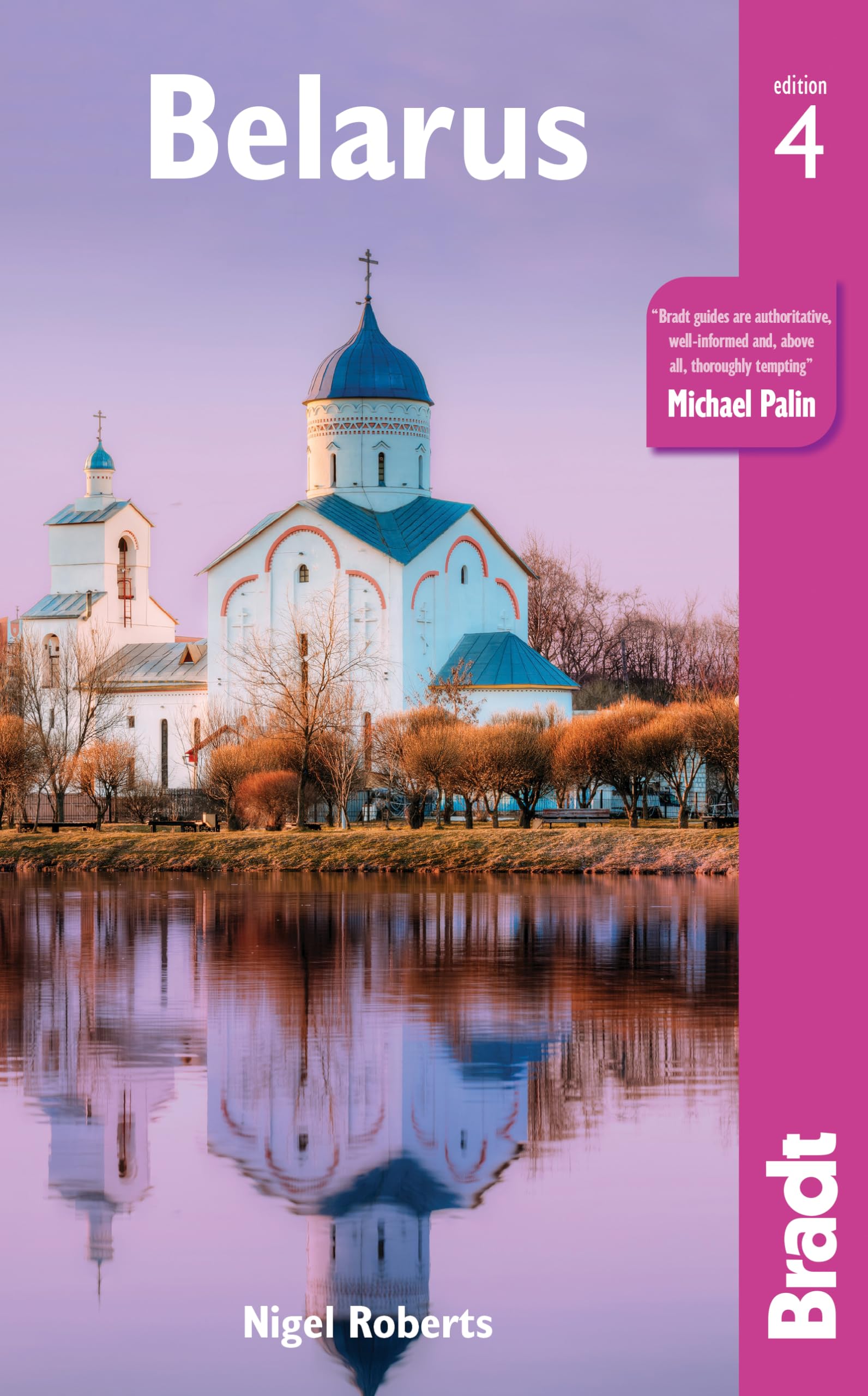
Bradt Belarus (Bradt Travel Guides): Roberts, Nigel
Dass auch die Darstellung der Geschichte von Belarus reichlich holzschnittartig und angelesen daherkommt, fällt gegenüber weniger ins Gewicht. So ist dem sympathischen Autor Nigel Roberts für die näch
Check Price on AmazonSpring (April–May): High Water and Big Skies
- Polesie and Pripyatsky National Park: As snowmelt swells the Pripyat, channels braid outward and floodplain forests mirror the sky. It’s a superb time for canoe expeditions—expect cool mornings (roughly 5–10°C), livelier currents, and abundant birdlife as cranes and other migrants return to the wetlands.
- Berezina Biosphere Reserve: Water levels favor 2–3‑day downstream paddles with easy sandbar landings where allowed. Pair river time with forest MTB on firm, thawed tracks. Mosquitoes start to emerge; long sleeves and repellent keep the focus on the paddle rhythm.
Summer (June–August): Lake Life and Evening Thermals
- Braslav Lakes National Park: SUP at sunrise, swim at noon, and rig a small day sail when the breeze fills after lunch. Clear, warm days (about 20–26°C) often give way to dramatic cloudscapes. Build in a weather day—afternoon squalls can be spectacular but short.
- Neman Basin near Grodno: Family‑friendly kayaking on calm bends and gravel‑road cycling between river hamlets, wooden churches, and market gardens. Hot‑air ballooning also finds stable early‑morning air in midsummer, subject to pilot assessment.
- Minsk as Gateway: A convenient hub for aerial adventures and zip‑line parks, with evening urban rides along the Svislach River paths and quick escapes to the hills around Logoisk.
Autumn (September–October): Gold Forests, Clear Air
- Belovezhskaya Pushcha: The forest turns to a cathedral of ocher and bronze. Cross‑country MTB and gravel touring are glorious; red deer roar in distant glades at dawn. Rivers run lower but remain navigable—perfect for slower canoe days under copper canopies.
- Berezina and Central Lakes: Crisp, high‑pressure days with long views suit tandem paragliding and the final sailing sorties of the season. Water temperatures drop; dry layers matter for paddling comfort.
Winter (December–March): Nordic Tracks and Kite Lines
- Raubichi and Minsk Region: Groomed XC trails, rentals, and coaching make winter accessible even for first‑timers. On sub‑zero mornings the snow squeaks under skis; afternoons bring blue‑shadowed pines and pink alpenglow.
- Northern Lakes: When ice is thick and winds steady, snowkiting unfurls across Braslav’s open flats. Safety protocols are strict: instructors test ice and enforce harness and helmet standards; sessions are postponed if conditions are marginal.
Practical Logistics and Safety
Choosing Guides and Planning Your Route
- Day vs multi‑day: The Berezina is well‑suited to 1–3‑day canoe trips with gentle flow and common camps in designated areas. The Pripyat through Polesie rewards 3–5 days, moving camp along sandbars and forest clearings where camping is permitted. The Neman near Grodno is ideal for half‑day family paddles and picnic landings. Always check local regulations on camping and fires before you go.
- Operators: In national parks, start with visitor centers for lists of accredited guides and current route advice. In Braslav, lakeside bases typically handle SUP, kayaks, and small‑boat rentals; near Minsk, balloon and paraglider pilots release slots based on short‑term weather windows. Requirements, coverage, and permissions change—verify directly with providers and park administrations.
Rentals, Skills, and What to Pack
- Watercraft: Entry‑level sit‑on kayaks and canoes commonly rent by the day; buoyancy aids are standard inclusions. For spring and autumn, add a splash top or light drywear; in summer, bring sun protection and a wide‑brim hat. Dry bags make camp moves smoother.
- Bikes: Hardtail MTBs and gravel bikes are widely available in hubs near parks. Helmet, repair kit, spare tube, and a simple first‑aid pouch are non‑negotiables on forest routes. A bell is useful on shared paths.
- Winter: XC ski packages rent at sports centers; dress in breathable layers. Snowkiting requires instruction, a helmet, and a harness—most schools provide kites and lines and will assess your readiness before launching.
- Navigation and comms: Download offline maps, carry a power bank, and consider a local eSIM. Outside major towns, cell coverage can thin but usually returns on ridgelines and open fields. Paper map backups never hurt in forest country.
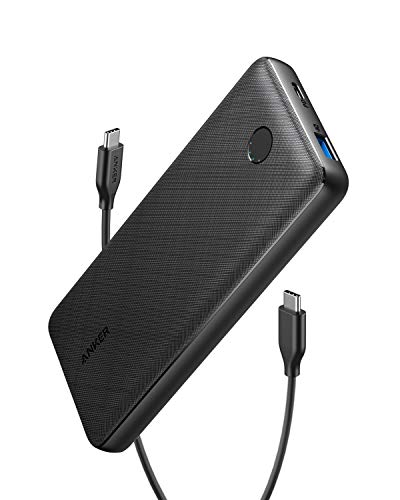
Anker USB C Power Bank, PowerCore Essential 20000 PD (18W) Power Bank, High Cell Capacity 20000mAh Portable Charger Battery Pack for iPhone 12/Mini/Pro/Max Pro/11/X, Samsung (PD Charger Not Included) : Cell Phones & Accessories
View on AmazonPermits, Protected Areas, and Etiquette
- National parks and reserves: Expect entry fees; some zones require guides. Stick to marked routes, use designated campsites, and avoid open fires outside official rings. Fishing is regulated; licenses are typically available locally, but rules vary by water body—ask before casting.
- Border and restricted zones: Portions of western and southern Belarus lie near national frontiers. Access to certain areas may require special permission; check ahead with park authorities or tour operators when routes thread close to borders. Rules can change with little notice—confirm in the week you travel.
- Drones: Unmanned aircraft are tightly controlled; assume you need prior authorization and always avoid wildlife and settlements. Penalties for violations can be significant.
Visas, Access, and On‑the‑Ground Realities
- Entry: Visa rules and entry points can change. Confirm the latest requirements, any eligible visa‑free programs, and permitted ports of entry well before travel. If arriving by air, allow extra time for document checks and insurance verification.
- Transport: Trains and coaches link Minsk to Brest (for Pushcha), Grodno (Neman), and Polotsk/Vitebsk (for lake districts). Self‑drive unlocks backroads and trailheads; carry some cash for rural fuel stations and be prepared for occasional unpaved sections.
- Language: Belarusian and Russian dominate; English is more common in Minsk than in villages. A translation app smooths logistics for gear rental and lodging.
Safety, Insurance, and Emergencies
- Coverage: Purchase travel insurance that explicitly lists your activities—ballooning, paddling, MTB, snowkiting—and medical evacuation. Some policies exclude aerial sports unless added as a rider.
- Environmental risks: Spring floods raise currents; avoid strainers and scout tricky bends. Summer brings thunderstorms—exit lakes at the first rumble. In forests, check for ticks after rides and hikes, and carry insect repellent.
- Contacts: The national emergency number is 112. Share your route with a contact, carry a whistle and headlamp, and note ranger stations when entering reserves.
Local Context and Responsible Travel
Wildlife, Villages, and the Pace Between
Adventure here runs alongside an older rural rhythm. In Polesie, storks nest on chimneys and fishermen mend nets on docks studded with lily pads. In Pushcha—one of Europe’s last primeval forests—ancient oaks shade sandy tracks while bison print the mud at dusk. Blend motion with meaning: early kayak starts double as birding sessions; bike loops pause at wooden chapels and war memorials; winter ski routes pass villages where samovars steam on kitchen stoves.
To deepen the cultural weave, explore our guide to Authentic Cultural Experiences in Belarus: Traditions, Castles, and Contemporary Life and consider timing routes around local harvest fairs or craft markets when they’re scheduled.
Where to Base: Eco‑Lodges, Homestays, and Camping
- Eco‑minded stays: Across the Braslav Lakes, near Belovezhskaya Pushcha, and on the Minsk Upland, small eco‑lodges and farmsteads serve as practical bases for human‑powered days. Many offer lake access, saunas, and local meals; availability and standards vary, so review recent traveler feedback and confirm amenities such as boat or bike rentals directly with the property.
- Camping: Established sites in national parks provide fire rings, simple facilities, and lake access. Wild camping is restricted—ask rangers before pitching and always practice leave‑no‑trace. Outside designated areas, permission from landowners is essential.
- Homestays: In lake districts and along river corridors, family guesthouses add local texture—garden raspberries at breakfast, stories of haymaking and mushroom seasons, and practical advice on trail conditions. Book ahead on summer weekends.
Low‑Impact Fieldcraft
- Waterways: Launch from existing put‑ins; avoid reed beds and nesting islets; pack out all waste. Soap is for the sink, never the lake.
- Forests: Ride and hike on durable surfaces; skip saturated singletrack when it would rut; yield to hikers and horses. Keep noise low near dawn and dusk to avoid stressing wildlife.
- Winter: Respect ice thickness guidance from local experts. Kite schools monitor conditions—follow their lead.
Language, Booking, and Budget
- Booking style: Many operators coordinate via messaging apps; deposits may be by bank transfer or cash on arrival. Confirm what’s included—safety gear, transport, meals—before paying. Peak‑season weekends can sell out in Braslav and near Minsk—reserve early.
- Costs (ballpark planning ranges; verify with operators and park offices—actual prices vary by season, exchange rates, and policy changes):
- Kayak/canoe rental: roughly $15–25/day; guided day trip about $40–80
- Multi‑day paddling with guide/support: about $70–150/day
- SUP rental: around $8–15/hour
- Dinghy day sail with skipper/instruction: roughly $60–120
- MTB/gravel bike rental: about $15–30/day; guided ride $40–90
- ATV tour: about $50–100/hour per vehicle (two riders)
- Hot‑air balloon (shared basket): roughly $150–250
- Tandem paragliding: about $80–150
- Ropes park/zip‑line course: roughly $10–25
- XC ski rental: about $10–20/day; lesson $25–45
- Snowkiting intro course: about $70–120
- Lodging: camping $5–15 (site fees), homestays $25–50/night, eco‑lodges $60–150/night
These figures are intended only as orientation. Always confirm current pricing, inclusions, and cancellation terms before booking.
The Image to Take With You
Belarus rewards those who linger between its grand gestures: the breath held as a hot‑air balloon clears a silver birch, the hush when a kayak slides under a low willow, the soft crunch of ski wax biting into midnight‑blue tracks. Adventure sports in Belarus are rarely about fanfare; they are about immersion—air on the face, water under blade, forest light flickering on your sleeves—an elemental way to read a country that reveals itself best in motion.
For ideas to round out your itinerary with city breaks and heritage sites when you’re off the trail or river, browse Top Attractions in Belarus — Must‑See Sights & Unique Experiences.
Recommended Travel Gear
Bradt Belarus (Bradt Travel Guides): Roberts, Nigel
Dass auch die Darstellung der Geschichte von Belarus reichlich holzschnittartig und angelesen daherkommt, fällt gegenüber weniger ins Gewicht. So ist dem sympathischen Autor Nigel Roberts für die näch
Sea to Summit Big River Dry Bag, Heavy-Duty Dry Storage, 5 Liter, Gold Brown
The Sea to Summit Big River Dry Bag offers <strong>heavy duty dry storage, for river trips in a kayak, canoe, or raft, as well as motorcycle touring, bike packing, and other outdoor adventures</strong
Anker USB C Power Bank, PowerCore Essential 20000 PD (18W) Power Bank, High Cell Capacity 20000mAh Portable Charger Battery Pack for iPhone 12/Mini/Pro/Max Pro/11/X, Samsung (PD Charger Not Included) : Cell Phones & Accessories
Anker USB C Power Bank, PowerCore Essential 20000 PD (18W) Power Bank, <strong>High Cell Capacity 20000mAh Portable Charger Battery Pack for iPhone 12/Mini/Pro/Max Pro/11/X, Samsung (PD Charger Not In