
Authentic Cultural Experiences in Belarus: Traditions, Castles, and Contemporary Life
A vivid, insider’s guide to Belarusian culture—from Kupalle bonfires and castle salons to Minsk’s galleries, stages, and new-wave Belarusian cuisine.
Mood
Cultural Deep-Dive
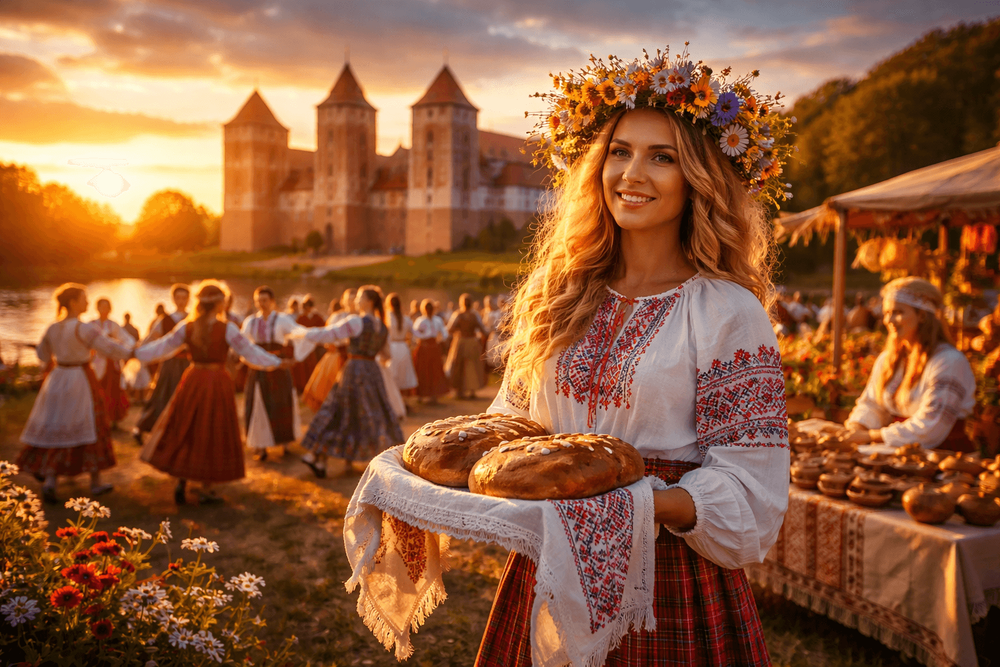
On a midsummer night beside a birch-fringed river, garlands of wildflowers drift downstream, their candle flames wavering against the velvet dark. Somewhere beyond the bonfire’s crackle, a cimbalom trembles and a wooden flute answers. This is Kupalle, the solstice celebration that has threaded itself through centuries of Belarusian life—and a vivid doorway into cultural experiences in Belarus, where ancestral ritual, layered history, and a quietly confident contemporary scene meet in surprising harmony.
Essential Cultural Experiences in Belarus: Living Traditions
Belarus’s folkways are not museum pieces; they are lived and sung, woven and cooked, set to the pulse of the seasons. For travelers seeking cultural experiences in Belarus beyond capital-city museums, the countryside offers a generous welcome.

Belarus: Roberts, Nigel
This new, thoroughly updated edition of Bradt’s Belarus remains <strong>the only full-blown standalone guide to the most westerly of the constituent republics that formed the Soviet Union prior to the
Check Price on AmazonFolk music, dance, and the rhythm of the year
Across village greens and small-town squares, folk ensembles keep centuries-old repertoires alive. The music—plucked on the cimbalom, wheezed through the duda (Belarusian bagpipe), lifted by fiddles and voices—moves with an earthy lilt that cues dances like the lively lyavonikha and polka. The year’s great festivals remain touchstones: Kupalle in late June, when young people leap bonfires for luck and float wreaths to divine romance; Maslenitsa in early spring, a butter-scented week of pancakes and thawing spirits; autumn’s Dozhynki, a harvest thanksgiving dressed in sheaves and embroidered shirts. Watching is welcome; joining in is even better. Arrive with curiosity, modest clothing, and patience for the unhurried cadence of village life.
Hands-on craft: flax, straw, thread, and clay
Belarus’s craft traditions thrive where flax blooms a pale sky-blue each summer. Linen weaving and lacework, straw weaving (saloma), and the crimson-and-white geometrics of vyshyvanka embroidery are not just aesthetic signatures; they tell stories of place and kinship. Many agrotourism homesteads (agrousadby) welcome guests into kitchens and workshops where time slows: knead black bread beside a clay stove, stitch a motif that carries protection and prosperity in its pattern, or twine fragrant straw into delicate ornaments. The open-air Belarusian State Museum of Folk Architecture and Rural Lifestyle (often called Strochitsy) just outside Minsk gathers wooden chapels and farmsteads from across the country, while at Dudutki, blacksmiths, potters, and bakers demonstrate old skills that still feel modern in their economy and grace.
For those who want to linger, the Naliboki Forest Homestead places travelers in a whisper-quiet patchwork of forest and meadow. Hosts share family recipes and timeworn crafts in a setting that makes the everyday—fresh milk poured into enamel mugs, linen shirts pegged to a line—feel luminous.
Village stays and seasonal rituals
Kupalle nights are particularly atmospheric in lake country—Narach and Braslav Lakes—where birch smoke mingles with pine resin. Dziady, the late-autumn day of remembrance, is hushed and reflective; visitors should approach with discretion, understanding that candles, bread, and apples laid on graves are gestures of enduring love. Many villages also host wedding reenactments and harvest pageants, choreographed but heartfelt. The etiquette is simple: ask before photographing people, offer to help with simple tasks, and accept hospitality—tea, pickles, a slice of honey cake—with gratitude.
History You Can Touch: Castles, Churches, and Memory
Belarus’s present rests on deep historical strata, and the country’s most powerful cultural encounters unfold where architecture, faith, and memory converge.
Mir and Nesvizh: UNESCO palimpsests of power and taste
Mir and Nesvizh Castles, UNESCO-listed jewels, tell the story of magnate ambition and European currents crossing the steppe. Mir’s red-brick towers are Gothic drama softened by Renaissance grace; in Nesvizh, the Radziwill family’s residence reveals frescoed halls, enfilades of salons, and a park laced with ponds and lime avenues. Arrive early on weekdays to wander their courtyards before tour groups crest the drawbridges, then linger in the palace museums where portraits and porcelain whisper of centuries of alliances, wars, and salons.
Staying nearby allows the palaces to shift mood through the day—from golden hour’s honeyed stones to moonlit silhouettes. The Palace Hotel Nesvizh occupies a restored wing of the complex, pairing vaulted corridors with contemporary comforts and the luxury of stepping into the park before breakfast. Travelers planning broader sightseeing can cross-reference highlights with our guide to the Top Attractions in Belarus — Must‑See Sights & Unique Experiences.
Orthodox and Catholic heartlands
Belarus has long been a meeting ground of faiths. In Grodno, the 12th-century Kalozha Church of Sts. Boris and Gleb, set high above the Neman River, is a rare survivor from the era of Kyivan Rus’, its walls pricked with colorful stones like small constellations. Polotsk’s Saint Sophia Cathedral nods to the great cathedral in Kyiv yet has a distinctly local serenity, while Minsk’s Holy Spirit Cathedral fills with incense and chant on feast days. Visitors are welcome, but dress with respect—covered shoulders, knees, and a quiet manner during services. For those interested in the tenderness of pilgrimage, spring’s Radunitsa brings families to cemeteries with flowers and food for ancestors.
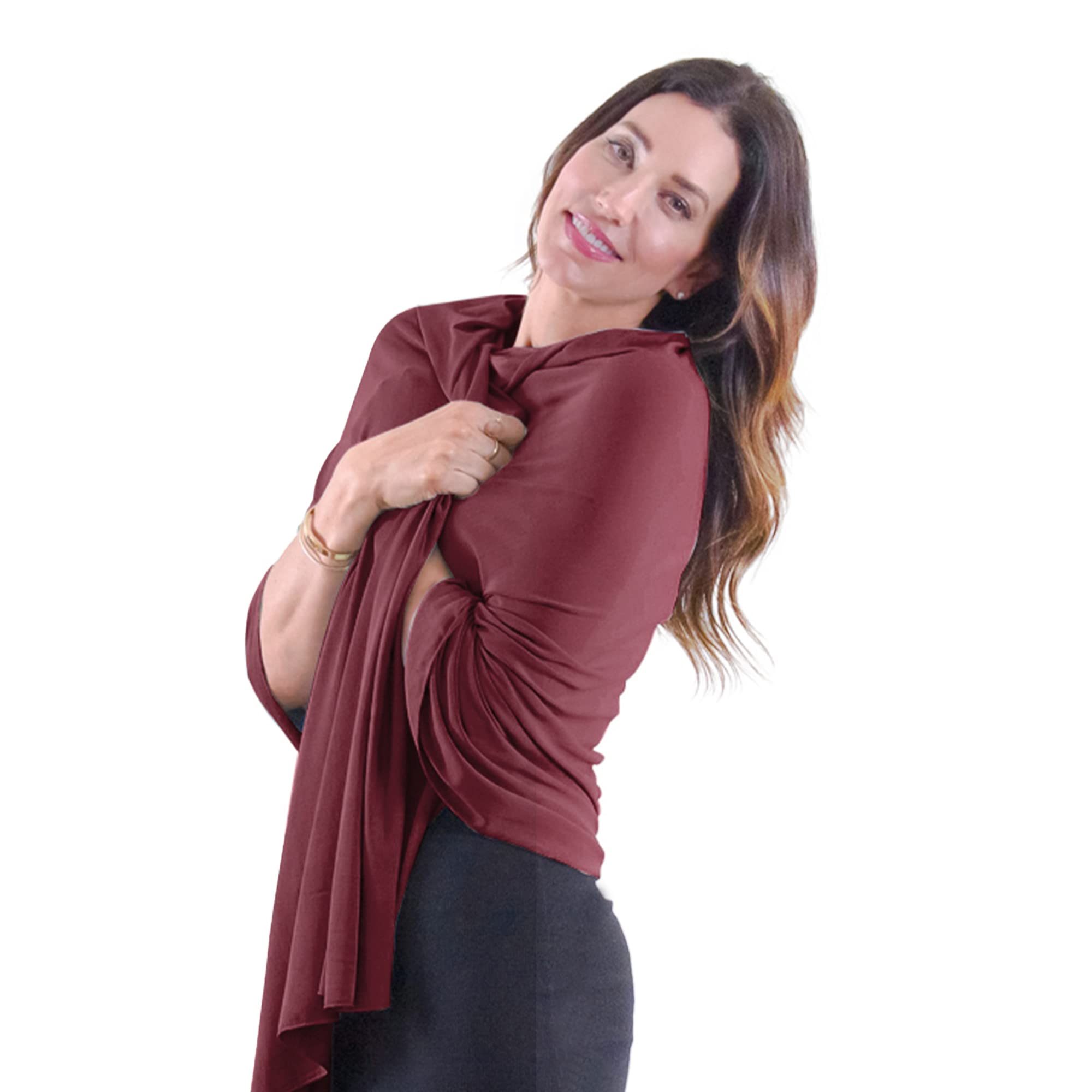
Happyluxe Travel Shawl Wraps for Women - 68x35in Wrap. Lightweight Pashmina, Airplane Travel Blanket Scarf. Made In USA at Amazon Women’s Clothing store
View on AmazonWar and remembrance
World War II—known here as the Great Patriotic War—scarred Belarus deeply, and memorials are both ubiquitous and solemn. Brest Fortress, with its cavernous “Courage” monument and earthwork ramparts, embodies defiance; the minimalist Khatyn Memorial near Minsk, a constellation of chimneys and bells where a village was erased, is unflinching in its grief. In Minsk, the Museum of the Great Patriotic War is encyclopedic, compelling, and exacting; the Maly Trostenets memorial outside the city stands where an extermination camp once operated. Dress soberly, put the phone away, and give these places time. They are more than attractions; they are anchors of national identity.
For travelers considering a heritage-focused itinerary with a comfortable base, our picks for the Best Luxury Hotels in Belarus — Top Places to Stay for Style, Service & Local Experiences offer well-situated stays near key cultural sites.
Contemporary Belarus: Galleries, Stages, Street Art, and the Table
Belarus today is neither static nor monolithic. Its creative life percolates through concert halls and basements, brightens factory walls, and simmers in kitchens where grandmothers’ recipes meet chefly craft.
Minsk’s cultural circuit
Start at the National Art Museum, where icons glow with leafed gold and 20th-century canvases debate modernity. Evenings belong to the Bolshoi Theatre of Belarus, whose opera and ballet seasons deliver costumed spectacle and taut musicianship at prices that delight culture lovers. The Janka Kupala National Theatre stages Belarusian drama with contemporary verve; booking tickets in advance is wise.
Minsk’s independent art energy radiates along Kastryčnickaja (Oktyabrskaya) Street, where former industrial buildings host studios, cafes, and splashy murals that chronicle everything from folk motifs to global currents. Artists sometimes open workshops for printmaking, ceramics, or illustration; if a poster on a cafe noticeboard advertises a class, go. Conversations cross language barriers quickly when hands are busy with ink and clay.
Festivals that animate the calendar
Summer belongs to the Vitebsk-based Slavianski Bazaar, a pan-Slavic music and arts festival that spins from classical to pop on warm nights. Film aficionados should look to Minsk’s late-autumn cinema events and scattered animation showcases; classical devotees will find chamber recitals threading the year at the Belarusian State Philharmonic. Whatever the program, Belarusian audiences are attentive and warmly responsive—applause lingers.
An emerging food scene rooted in memory
Belarusian cooking is an embrace—potato-rich, forest-scented, grain-grounded—and chefs across Minsk and regional hubs are rethinking it with flair. Expect pristine versions of draniki (potato pancakes) topped with foraged mushrooms, beet kvass reductions glossing roast duck, and desserts that turn cottage cheese and honey into delicate finales. For a deep dive into refined tables and how to book them, explore our guide to Luxury Dining in Belarus: Top Tasting Menus, Chef Experiences & Booking Tips.
In Minsk’s historic center, the Hotel Europe makes a refined base. Its Belle Époque-inspired interiors and picture windows open to cobblestones and cafe terraces, placing guests within an easy stroll of galleries, theaters, and bistros that serve both babka (the savory potato kind) and boundary-pushing tasting menus.
Practical, Responsible Immersion
Knowing how to navigate everyday courtesies and sensitivities will deepen cultural experiences in Belarus and ensure that the people who make them possible benefit.
Etiquette and language tips
Belarusian and Russian are both widely used; English appears on museum signage and in many city venues but is less common in rural areas. A few Belarusian phrases go far: “Dobry dzień” (good day), “Dziakuj” (thank you), and “Kali laska” (please/you’re welcome). Use the polite “vy” when addressing elders and strangers. Remove shoes when entering homes, bring a small gift if invited to dinner (sweets or flowers—avoid an even number), and accept toasts with good humor. In churches, keep voices low, avoid flash photography, and follow the lead of worshippers.
Photography and political sensitivities
Belarus is hospitable to visitors, but discretion is valued. Always ask permission before photographing individuals, especially during rituals or at memorials. Avoid photographing government buildings, security personnel, or sensitive infrastructure. Steer clear of political gatherings and conversations unless initiated by locals who are comfortable discussing them. The aim is simple: engage respectfully, prioritize safety, and let art, history, and hospitality lead the exchange.
Seasons, timing, and what to pack
- Late June to early July: Kupalle celebrations and lake-country idylls; long evenings, light layers, insect repellent for riverside nights.
- July: Slavianski Bazaar in Vitebsk and a crest of village festivals; pack sun hats and breathable fabrics.
- September–October: Harvest rituals, castle parks burnished gold, excellent museum-going; bring a warm jacket and sturdy shoes for cobbles and forest paths.
- Winter: Frost-kissed mornings, opera and ballet in full cry, New Year lights; woolens, insulated boots, and the appetite for a steamy bowl of borscht.

Sawyer 20% Picaridin Insect Repellent 4-Ounce Twin Pack Lotion and 4-Ounce Premium Pump Spray
View on AmazonGetting there and getting around
Minsk National Airport (MSQ) is the main international gateway, with rail lines fanning out to Brest, Grodno, Vitebsk, and Polotsk. Trains are comfortable and atmospheric; regional buses and marshrutkas fill the gaps. The Mir–Nesvizh duo makes a fine day trip or overnight loop by car from Minsk, especially if starting early to beat tour coaches. Entry rules can change; check current visa requirements and transit policies before booking flights. The Belarusian ruble (BYN) is the currency; cards work reliably in cities, while cash is wise for rural workshops and markets.
Community-led tours and giving back
Some of the most rewarding cultural experiences in Belarus are organized by small collectives—village cultural centers, student guides, or artisans who teach for love as much as livelihood. Look for:
- Heritage walks that decode Minsk’s pre-war streets, Art Nouveau details, and surviving wooden houses.
- Street art tours along Kastryčnickaja/Oktyabrskaya that explain the shifting visual language of the city.
- Workshops with embroiderers, straw weavers, and blacksmiths in Dudutki or Strochitsy, or directly in villages where crafts are part of daily life.
Pay fairly, avoid hard bargaining, and buy directly from makers when possible—linen towels with regional patterns, straw spiders (pavuk) that sway lightly above a table, hand-thrown mugs still warm from the kiln. For travelers who prefer green-minded stays that support conservation and local economies, our editors have highlighted Eco-Friendly Hotels in Belarus: Green Stays from Minsk to the National Parks. And if a celebratory castle stay beckons after a day of heritage deep-diving, browse our curated picks of Romantic Retreats in Belarus: Castles, Spas & Countryside Escapes.
Finally, consider splitting time between a city base and the countryside—two or three nights in Minsk for museums and performances, and two or three in a village homestead for craft immersion and starlit silences. If a splurge night is on the cards, the palatial hush of Nesvizh is worth it; for a cosmopolitan finale, Hotel Europe’s lobby bar raises a fine farewell toast.
As the train rolls east through fields stitched with birch and rye, it is easy to carry Belarus away in the senses: the resin-sweet tang of pine smoke from a Kupalle fire, the sheen of linen on a market stall, the stillness in a memorial glade, the hush before a ballerina’s entrance. Cultural experiences in Belarus are not spectacles to consume; they are invitations—to listen, to learn, and to be a thoughtful guest in a country where past and present speak in voices both strong and soft.
Recommended Travel Gear
Belarus: Roberts, Nigel
This new, thoroughly updated edition of Bradt’s Belarus remains <strong>the only full-blown standalone guide to the most westerly of the constituent republics that formed the Soviet Union prior to the
Sawyer 20% Picaridin Insect Repellent 4-Ounce Twin Pack Lotion and 4-Ounce Premium Pump Spray
Sawyer Picaridin repellent is praised by organizations like Consumer Reports and the New York Times WireCutter for its <strong>effective, comfortable protection against mosquitoes that may carry West
Happyluxe Travel Shawl Wraps for Women - 68x35in Wrap. Lightweight Pashmina, Airplane Travel Blanket Scarf. Made In USA at Amazon Women’s Clothing store
Buy <strong>Happyluxe Travel Shawl Wraps</strong> for Women - 68x35in Wrap. Lightweight Pashmina, Airplane Travel Blanket Scarf. Made In USA: Shop top fashion brands Wraps & Pashminas at Amazon.co