
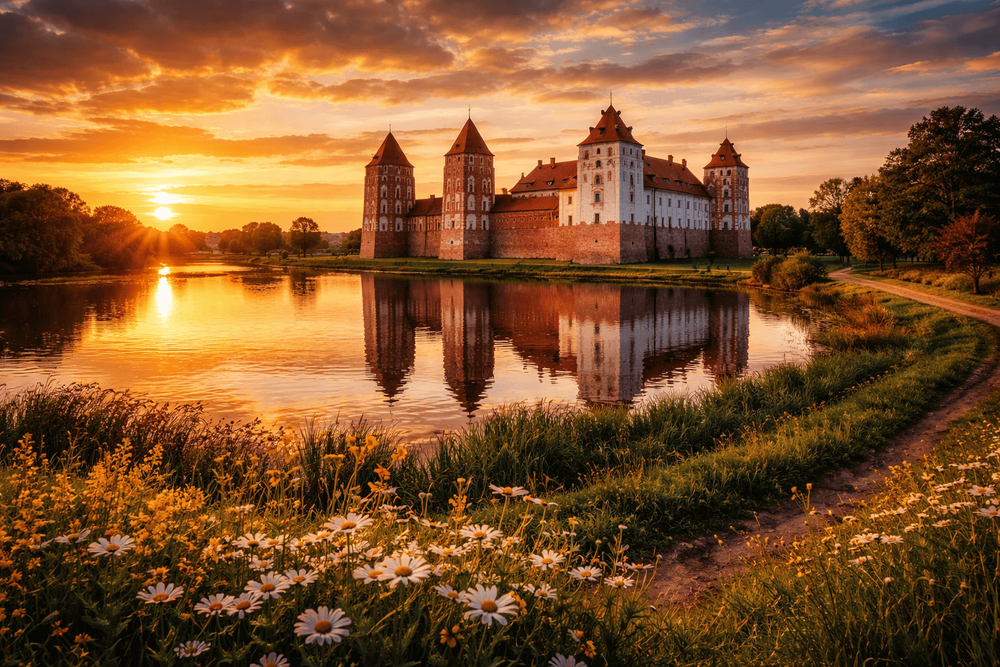
Top Attractions in Belarus — Must‑See Sights & Unique Experiences
UNESCO‑listed castles, primeval forests with bison, a creative capital, and soul‑stirring memorials—this is Belarus at its most compelling.
Mood
Heritage & Nature Quest
At sunrise, a pale mist drifts through ancient oaks in Belovezhskaya Pushcha as a herd of European bison moves like a living frieze across the dew-silvered grass. A few hours away in Minsk, the city wakes along Independence Avenue, its neoclassical facades catching the first light while a tram hums past café windows fogged with the steam of morning tea. Between these two scenes lies the story of the top attractions in Belarus: a country where deep forests and glass-flat lakes frame baroque castles, solemn WWII memorials, and a contemporary capital with a creative pulse.
Top Attractions in Belarus: The Essential List
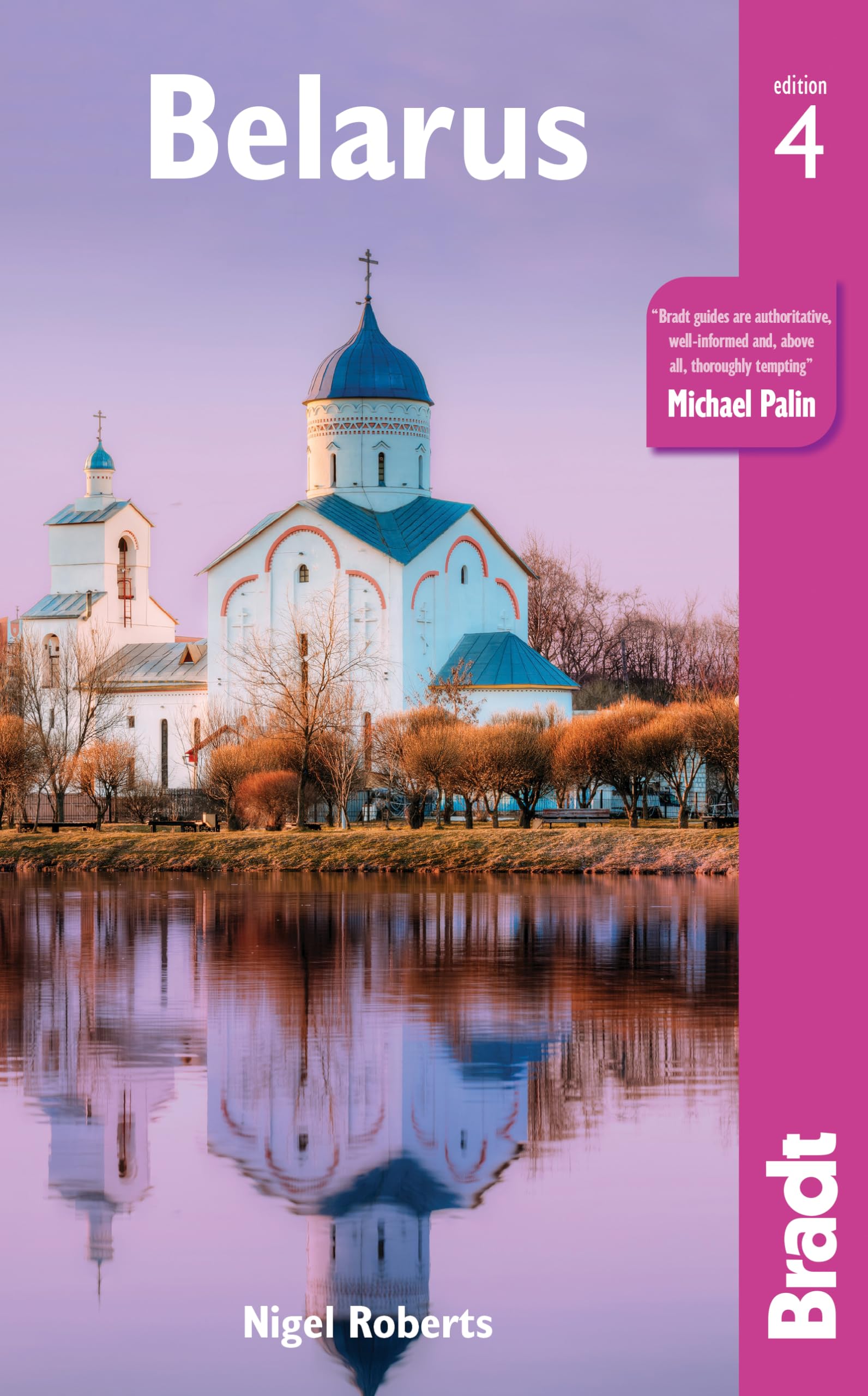
Bradt Belarus (Bradt Travel Guides): Roberts, Nigel
Dass auch die Darstellung der Geschichte von Belarus reichlich holzschnittartig und angelesen daherkommt, fällt gegenüber weniger ins Gewicht. So ist dem sympathischen Autor Nigel Roberts für die näch
Check Price on AmazonMinsk Highlights: Grand Avenues, Intimate Corners
Belarus’s capital is more textured than its reputation suggests. Independence Avenue (Prospekt Nezalezhnasti) unfurls in stately symmetry, a model of mid‑century urban planning anchored by Victory Square’s eternal flame. The diamond‑shaped National Library punctuates the skyline like a colossal gem; at dusk, its LED lattice breathes color into the northern light. For a time capsule of modernist bravado, the Palace of the Republic’s stern geometry softens as fountains play in the square.
Beyond the monumental, Minsk reveals a livable warmth. In Trinity Suburb, pastel townhouses lean over the Svislach River, their red‑tiled roofs mirrored in the water. Komarovsky Market perfumes the air with dill, pickled mushrooms, and smoked fish, while the Great Patriotic War Museum, among the first of its kind in the former USSR, narrates the country’s WWII experience with clarity and reverence. The Island of Tears memorial, dedicated to soldiers lost in Afghanistan, invites quiet reflection beneath bronze angels streaked by years of rain.
Curated stay: For a gracious base within strolling distance of Trinity Suburb, the storied Hotel Europe Minsk pairs Belle Époque flourishes with attentive service and picture‑window views of the old town’s spires.
For readers planning a design‑forward city break, see our picks in Best Luxury Hotels in Belarus — Top Places to Stay for Style, Service & Local Experiences.
Mir and Nesvizh Castles: Radziwiłł Splendor
Southwest of Minsk, two UNESCO‑listed jewels chronicle the rise of the powerful Radziwiłł family. Mir Castle, striped in red brick and white stone, stands above a tranquil lake like a Renaissance chess piece carved at grand scale. Its bastions, cloisters, and reconstructed interiors evoke centuries of sieges and salons. Nearby Nesvizh Palace presents a more lyrical face: an arcaded courtyard, mirror‑bright ponds, and gardens where lindens rustle against stucco façades. Exhibits illuminate courtly life—portraits, porcelain, and the hush of a chapel radiant with frescoes.
Consider lingering overnight: The intimate Palace Hotel Nesvizh occupies a historic building on the estate’s edge, offering early‑morning strolls through the dew‑wet park before day‑trippers arrive.
Couples seeking atmospheric overnights in manors and spa hideaways will find ideas in Romantic Retreats in Belarus: Castles, Spas & Countryside Escapes.
Brest Fortress: Stone and Memory
Few places in Eastern Europe convey wartime resilience as powerfully as Brest Fortress. The star‑shaped citadel—its earthworks threaded with moats and redbrick casemates—became a byword for defiance during the opening days of Operation Barbarossa in 1941. Today, a colossal concrete soldier emerges from the earth, jaw set against wind and weather, while the Kholmsky Gate bears scars of artillery and time. The on‑site museum contextualizes the battle; outside, the air smells faintly of pine resin, and the bugle call still pierces the afternoon on ceremonial days.
Polotsk and Other Historic Towns
Often called the oldest city in Belarus, Polotsk sits at a gentle bend of the Western Dvina. Inside St. Sophia Cathedral—rebuilt in baroque elegance after medieval wars—organ notes climb into the nave like shafts of light. The nearby Spaso‑Euphrosyne Monastery, with its painted icons and quiet courtyards, honors one of the country’s most revered saints. A short walk leads to a whimsical marker claiming the “geographical center of Europe,” a reminder that Belarus has long been a crossroads.
Elsewhere, Vitebsk maintains a soft glow as Marc Chagall’s hometown, with museums that trace his dream‑bright palette to riverside childhood scenes. In Gomel, a neoclassical palace surveys an English‑style park along the Sozh River. Near Minsk, the Khatyn Memorial—a field of silent chimneys and bronze figures—confronts the human cost of war with heartbreaking economy. Each stop adds texture to the top attractions in Belarus, revealing a country layered with memory and craft.
Nature and the Great Outdoors
Belovezhskaya Pushcha: Europe’s Primeval Forest
Straddling the border with Poland, Belovezhskaya Pushcha is one of Europe’s last lowland primeval forests and a UNESCO World Heritage site. Towering firs and ancient oaks shade paths where wolf tracks stipple the mud and woodpeckers stitch the air with staccato beats. The forest’s emblem is the zubr, or European bison—Europe’s heaviest land mammal—whose shaggy silhouettes may be glimpsed at dawn or dusk from discreet observation points. Rangers lead guided walks and cycling routes; in winter, cross‑country skis whisper over snowbound alleys of trees.
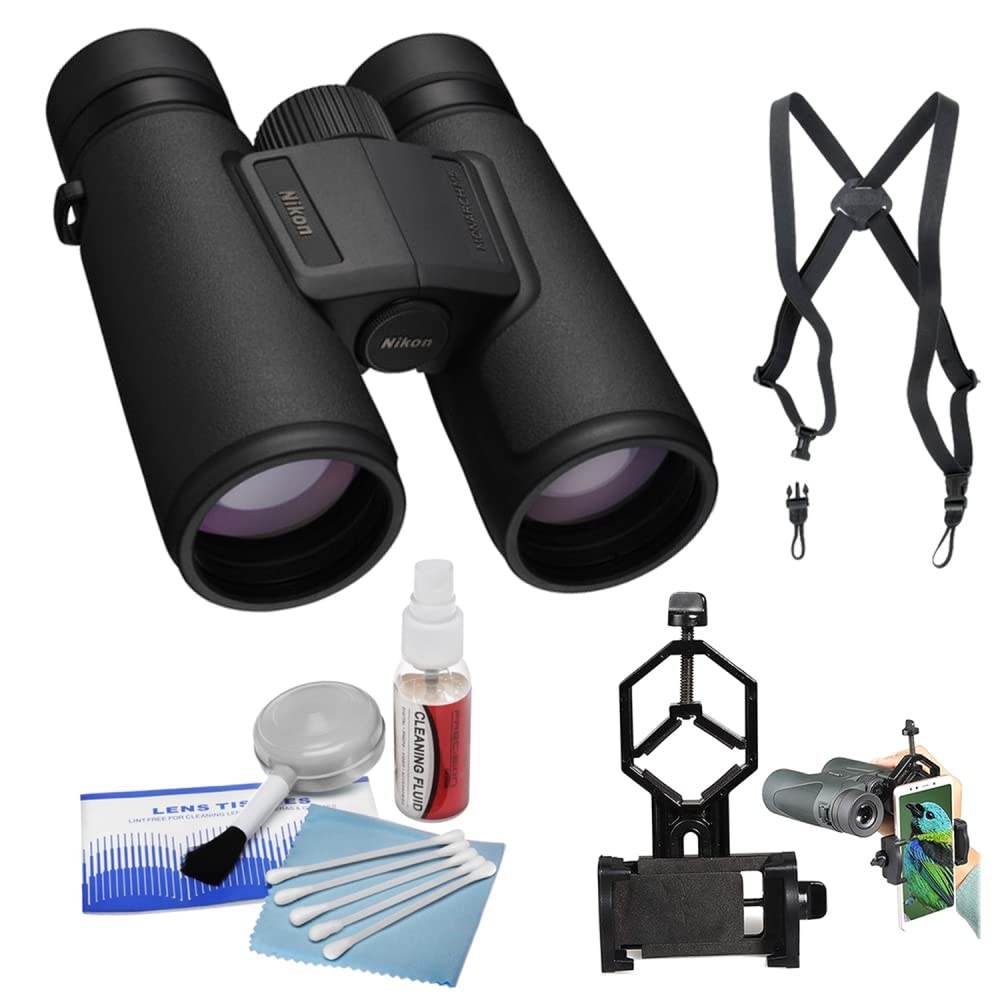
Nikon Monarch 5 8x42 Binoculars : Electronics
Nikon Monarch M5 8x42 (16767) Black Binoculars Bundle with Lens Pen and Lens Cloth, <strong>Compact Binoculars for Adults for Hunting, Bird Watching, and Hiking Essentials, Zoom Lightweight Travel</st
Check Price on AmazonTravelers who prize sustainability can find stays that match the setting in Eco-Friendly Hotels in Belarus: Green Stays from Minsk to the National Parks.
Braslav Lakes: A Watercolor of Sky and Shore
In the north, the Braslav Lakes National Park spreads a mosaic of sapphire water, pine peninsulas, and sandy spits that glow honey‑colored at sunset. Kayaks slide over mirror‑calm channels where reeds rattle softly; on windy days, paddleboards trace feathered wakes across bays studded with waterlilies. Anglers try for pike and perch while black terns skim the surface. After dark, the absence of city glare unveils a vault of stars.
For a slow‑living base, the shoreline Braslav Lakes Retreat clusters timber cottages with terraces made for morning coffee and loon calls, plus easy access to boat rentals and hiking trails.
Berezinsky Biosphere Reserve: Bogs, Beavers, Big Skies
Northeast of Minsk, Berezinsky’s mosaic of raised bogs, taiga woodland, and floodplain meadows hosts moose, lynx, and an engineer’s dreamscape of beaver dams. Boardwalks keep boots dry above trembling moss; binoculars pick out cranes, capercaillie, and migrating geese as seasons turn. The reserve’s small museum sketches out the science of peatlands—nature’s patient carbon vaults—and why leaving only footprints matters here more than anywhere.
More Wild Corners
- Narachansky National Park: Belarus’s largest lake, Narach, invites summer swims and lakeside cycling beneath birches that riffle like silk.
- Pripyatsky National Park: Come spring, the Pripyat floodplain becomes a birders’ theater—ryegrass islands, mist, and an orchestra of warblers, with Turov Meadows a famed stage.
- Blue Lakes (near Begoml): A necklace of kettle lakes tinted aquamarine by mineral‑rich sands, ringed by pines that breathe out warm resin on hot days.
Whether tracking bison prints or paddling quiet coves, the great outdoors claim a prime place among the top attractions in Belarus.
Culture, Soviet Echoes and Contemporary Life
Architecture of an Era: Grand Plans and Human Stories
Soviet‑era architecture in Belarus offers one of the region’s clearest urban narratives. Minsk’s Independence Avenue was reconstructed after WWII as a model socialist boulevard—stern yet harmonious, with Corinthian flourishes softening the mass. The National Opera and Ballet Theatre, a white cascade of curves, fronts lawns where families linger after evening performances. On the city edge, the Mound of Glory commemorates liberation with a ringed sword piercing the sky, its hilltop winds tasting faintly of wild thyme in summer.
Museums deepen the picture: the Belarusian State Museum of the History of the Great Patriotic War uses immersive dioramas and personal artifacts to anchor sweeping history, while the Zair Azgur Museum preserves an extraordinary studio of monumental sculptures—faces of the 20th century rowed shoulder to shoulder.
A note on etiquette: photography of certain government buildings and security sites can be sensitive. Observe signage and local guidance, and focus lenses on the architecture and street life that openly invite it.
Folk Traditions and Living Heritage
Belarus’s material culture runs in strong, resilient threads—linen spun from flax, carved birch, straw weavings that catch light like captured sun. The open‑air Museum of Folk Architecture and Rural Lifestyle near Minsk recreates wooden churches and farmsteads where looms rattle and ovens exhale the warm, yeasty scent of freshly baked bread. At the Dudutki ethnomuseum, blacksmiths hammer and cheesemakers ladle curds while visitors sample oven‑warm loaves striped with butter.
Festivals mark the seasons: Kupalle (Midsummer) brings wreath‑floating and bonfires; Maslenitsa (Shrovetide) is all pancakes and play before Lent; Dazhynki salutes the harvest with embroidery, song, and heaped tables. In Vitebsk, the arts festival pulse recalls Chagall’s color wheel, though the city feels neighborly the morning after parades.
Eating and Drinking: Hearty, Honest, and Evolving
Belarusian cuisine comforts in a cool climate. Draniki—golden‑edged potato pancakes—arrive crisp at the rim and tender within, often crowned with sour cream or mushroom ragout. Kalduny dumplings swim in clear broths; machanka, a savory pork stew, begs to be mopped with pancakes. Kvass adds caramel fizz to summer days, while honey‑spiced krambambula warms winter nights. Minsk’s dining scene increasingly experiments—house‑ferments, forest‑foraged chanterelles, and tasting menus that riff on tradition with lightness.
For splurge‑worthy tables and insider booking tips, see Luxury Dining in Belarus: Top Tasting Menus, Chef Experiences & Booking Tips.
Offbeat and Underground
On Oktyabrskaya Street, murals bloom across former factories, and cafés spill onto sidewalks scented with espresso and clove cigarettes. Inside OK16 and other repurposed spaces, theater, design markets, and experimental music flourish between brick and beam. The Minsk Metro doubles as a gallery of mid‑century mosaics and chandeliers; stations read like chapters in an urban fairytale. In Brest, the open‑air Railway Museum lines up a parade of steam locomotives whose iron lungs once powered an era, now polished to photogenic sheen.
For a downtown stay wrapped in contemporary art and easy café‑hopping, the industrial‑chic Korpus Design Hotel claims a former factory wing steps from Oktyabrskaya’s street art corridor.
Practical Intelligence for a Thoughtful Trip
When to Go
- Late spring to early autumn (May–September): Long days, leafy parks, and lake life—ideal for castles, cycling, and paddling. Expect mosquitoes in marshy areas; bring repellent.
- October: Forests smolder in bronze and gold; crowds thin, skies often high and clear.
- Winter (December–February): Powdered castles, ice rinks, and forest trails turned to cross‑country tracks. Daylight is short and temperatures commonly sub‑zero, but the hush is part of the magic.
Getting There and Around
- Entry points: International flights typically land at Minsk National Airport; schedules and routes can fluctuate due to regional geopolitics, so confirm current options well ahead. Overland crossings may have additional checks and changing regulations—verify before travel.
- Trains: Comfortable and punctual links connect Minsk with Brest, Hrodna (Grodna), Vitebsk, Polotsk, and Gomel. Reserve seats online or at stations.
- Buses and marshrutkas: Minibuses fill gaps between towns and can be faster on short routes; carry small cash, and confirm the final stop.
- Driving: Roads are generally good; speed cameras frequent. Winter tires are essential in cold months.
- Day trips: Mir and Nesvizh pair well from Minsk; add the Khatyn Memorial or the Folk Architecture Museum for context. Braslav and Berezinsky merit overnight stays to match the pace of nature.
For polished bases across the country—from heritage mansions to urban design stays—browse Best Luxury Hotels in Belarus — Top Places to Stay for Style, Service & Local Experiences.
Entry Rules, Visas and Registration
- Visa policy: A 30‑day visa‑free regime for citizens of select countries has historically applied to arrivals and departures via Minsk National Airport, with specific exceptions and conditions. Separate visa‑free schemes have periodically covered the Brest and Hrodna regions when pre‑arranged through authorized operators. Policies can change; consult official sources before booking.
- Insurance: Medical insurance valid in Belarus is typically required; carry proof at the border.
- Registration: Stays beyond several working days usually require foreigner registration. Hotels handle this automatically; independent travelers should confirm current rules and use the online portal where available.
Money, Connectivity and Language
- Currency: The Belarusian ruble (BYN). Cards are widely accepted in cities, though international sanctions can affect specific banks. Carry a backup card and some cash (USD/EUR) to exchange at banks.
- Connectivity: SIMs from A1 or MTS are easy to purchase with a passport; eSIMs are increasingly available. Some websites may be restricted—download maps and a VPN if needed.
- Language: Belarusian and Russian are official; Russian predominates in daily life. English is growing in service sectors, especially in Minsk; a few Cyrillic basics go far.
Accessibility
- Urban areas: Sidewalks and curb cuts in central Minsk are improving; the Metro uses long escalators and has limited elevators. Major museums and the National Library offer accessible entrances.
- Historic sites: Castles and wooden churches often involve steps and cobblestones; staff can advise on partial access.
- Nature reserves: Boardwalks in bogs aid mobility, but many trails remain uneven. Call ahead to discuss options with park administrations.
Safety and Etiquette
- Crime: Violent crime rates are low; standard precautions against petty theft apply in markets and transport hubs.
- Sensitivities: Avoid political gatherings and follow local guidance on photographing government or security sites. Drones require permits.
- Memorials and monasteries: Dress modestly; speak softly; ask before photographing people.
- Health outdoors: Ticks inhabit forested areas—use repellent and check after hikes.
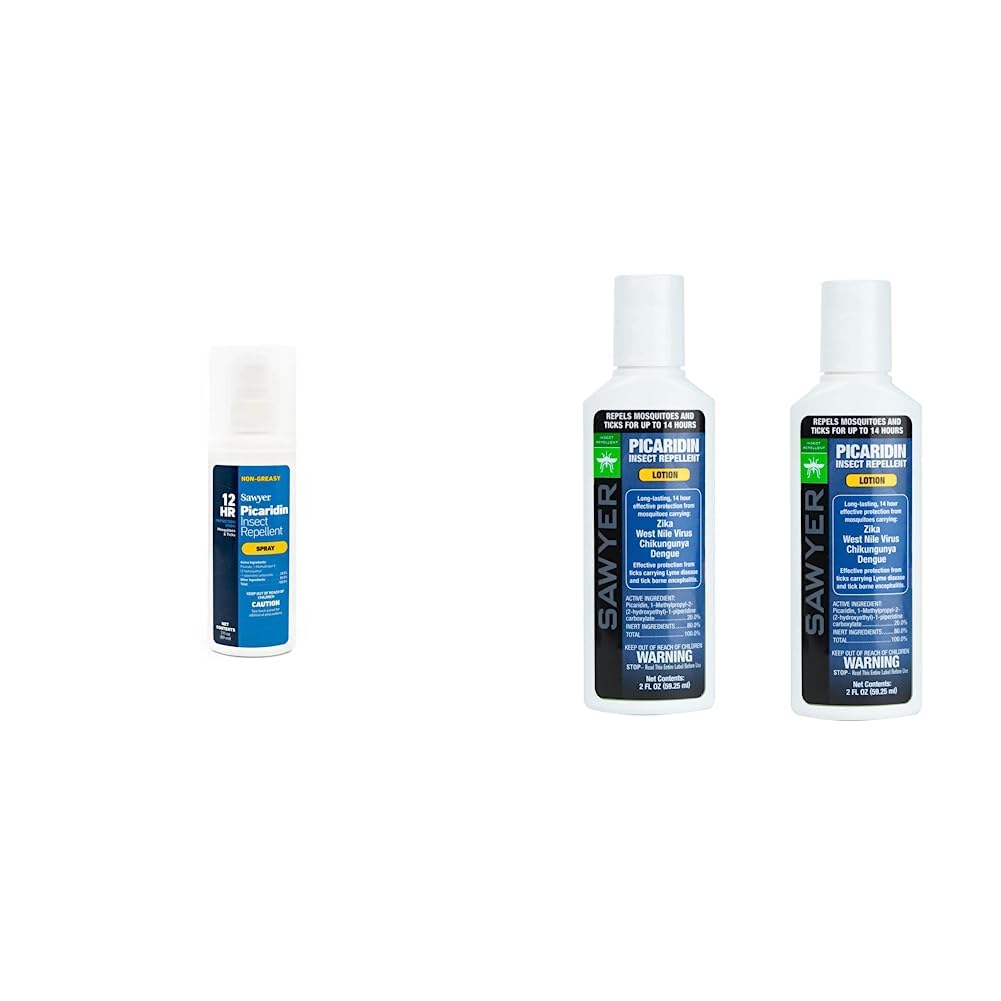
Sawyer Products SP5622 Picaridin Insect Repellent Lotion, 20% Picaridin, 2-Ounce, Twin Pack
View on AmazonResponsible Travel
- Trail ethics: Stick to marked paths in parks and reserves; bogs are fragile, and off‑trail walking damages sensitive flora.
- Wildlife: Observe bison, elk, and birdlife from recommended distances; never feed or approach.
- Waste and water: Carry a reusable bottle; tap water in Minsk is typically treated, but many prefer filtered. Pack out litter in natural areas.
- Community impact: Choose locally owned guides, crafts, and guesthouses where possible to ensure tourism dollars stay in the villages and towns you visit. Consider green‑minded stays from Eco-Friendly Hotels in Belarus: Green Stays from Minsk to the National Parks.
What endures after a week here isn’t a single postcard but a layered mood: the quiet authority of a fortress wall; the rustle of linden leaves over palace ponds; the violet hour on a lake where oars barely dimple the surface; a city boulevard glowing amber as evening settles. Thread them together and the top attractions in Belarus resolve into a journey of texture and tone—solemn and celebratory, wild and carefully made—waiting just beyond the mist.
Recommended Travel Gear
Bradt Belarus (Bradt Travel Guides): Roberts, Nigel
Dass auch die Darstellung der Geschichte von Belarus reichlich holzschnittartig und angelesen daherkommt, fällt gegenüber weniger ins Gewicht. So ist dem sympathischen Autor Nigel Roberts für die näch
Nikon Monarch 5 8x42 Binoculars : Electronics
Nikon Monarch M5 8x42 (16767) Black Binoculars Bundle with Lens Pen and Lens Cloth, <strong>Compact Binoculars for Adults for Hunting, Bird Watching, and Hiking Essentials, Zoom Lightweight Travel</st
Sawyer Products SP5622 Picaridin Insect Repellent Lotion, 20% Picaridin, 2-Ounce, Twin Pack
Sawyer 20% Picaridin topical spray is <strong>effective for up to 12 hours against mosquitoes and ticks (14 hours for the lotion),</strong> and the spray and lotion provide up to 8 hours of protection